
If you are researching ADU Rules and Regulations Polk County OR, you are probably trying to answer one simple question:
Can I actually build an ADU on my property, or am I about to waste time and money chasing a project that will never get approved?
That is the right question to ask first.
Accessory dwelling units, often called ADUs, backyard homes, in-law suites, guest houses, or detached accessory dwelling units, can be one of the smartest ways to add livable space, rental potential, family flexibility, or long-term property value. But in Polk County, Oregon, the rules depend heavily on where your property is located, what zoning applies, whether the property is inside an Urban Growth Boundary, how the home will connect to septic or sewer, and whether your site meets the county’s development standards.
That is why the best first step is not guessing. It is getting your property reviewed before spending thousands of dollars on plans, engineering, surveys, or permit work.
Wolf Industries offers a free property evaluation to help homeowners understand what may be possible on their property before they invest heavily in the project. Wolf has built over 600 ADUs and modular homes throughout the Pacific Northwest, including many in the Polk County area, and that experience matters when local rules, zoning, utilities, access, delivery, and site conditions all have to work together.
What Counts as an ADU in Polk County?
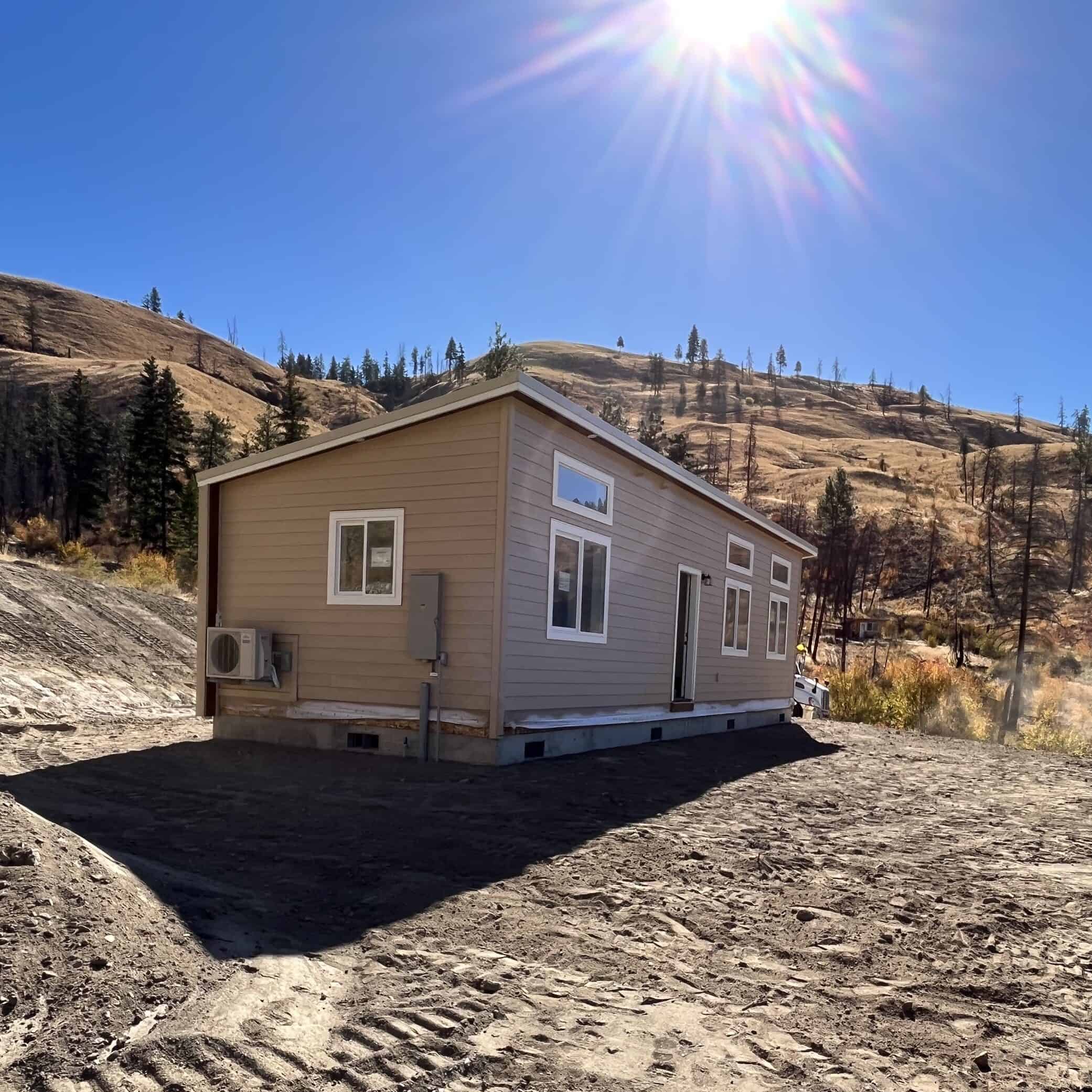
Polk County’s Chapter 118 defines an accessory dwelling unit as an interior, attached, or detached residential structure that is used in connection with, or accessory to, a single-family dwelling.
In everyday terms, that means an ADU can potentially be built inside an existing home, attached to the main home, or built as a detached backyard home. The important part is that it is secondary to a primary single-family residence on the same property.
An ADU is not just a shed with a bed in it. It is a real dwelling unit that must comply with applicable residential building code requirements and local land use rules. That means planning, permitting, utility connections, wastewater, access, setbacks, and site placement all matter.
Where Are ADUs Allowed in Polk County?
Polk County Chapter 118 allows accessory dwelling units on a unit of land located within an Urban Growth Boundary when the land is zoned for single-family residential uses and already contains a primary dwelling.
According to Polk County’s ADU standards, ADUs within a UGB are permitted in the following zones:
- SR, Suburban Residential
- AR-5, Acreage Residential Five Acre
- AR-10, Acreage Residential Ten Acre
- AF-10, Agriculture and Forestry Ten Acre
- RS, Single Family Residential
The key phrase here is “within a UGB.” A property may have a residential feel, a large lot, or even an existing home, but if it is outside an Urban Growth Boundary, the rules may be different.
This is where many homeowners get tripped up. They look at their property and think, “I have the space, so I should be able to build.” But zoning does not work that way. The county looks at the property’s land use designation, zoning district, Urban Growth Boundary status, utility availability, development standards, and other constraints.
Before designing your ADU, start with Wolf’s free property evaluation. It is a practical way to find out whether your Polk County property appears to have a viable path forward before you begin spending serious money.
How Many ADUs Can You Have?
For properties that qualify under Polk County’s Chapter 118 rules, one accessory dwelling unit is allowed for each detached single-family dwelling.
That means the ADU is tied to the existing primary home. It is not a separate buildable lot, and it is not a way to divide the property into multiple independent homesites. For most homeowners, the goal is to add one flexible secondary home that supports family, rental income, guest space, aging-in-place needs, or long-term property planning.
Polk County ADU Size Limits
Polk County Chapter 118 states that an ADU shall not exceed 900 square feet or 75 percent of the main dwelling’s perimeter area, whichever is less.
That 900 square foot limit is important for homeowners comparing floor plans. Many of Wolf’s modular ADU models are designed to fit within common ADU size limitations, including compact layouts and larger two-bedroom options. The right model depends on your property, zoning, access, utility plan, and the county’s final interpretation of the applicable rules.
A 900 square foot ADU can be surprisingly functional when the layout is efficient. It can support a bedroom, bathroom, kitchen, living area, laundry options, storage, and in some designs even a second bedroom. But the plan has to fit the rule, not the other way around.
Detached ADU Height Rules
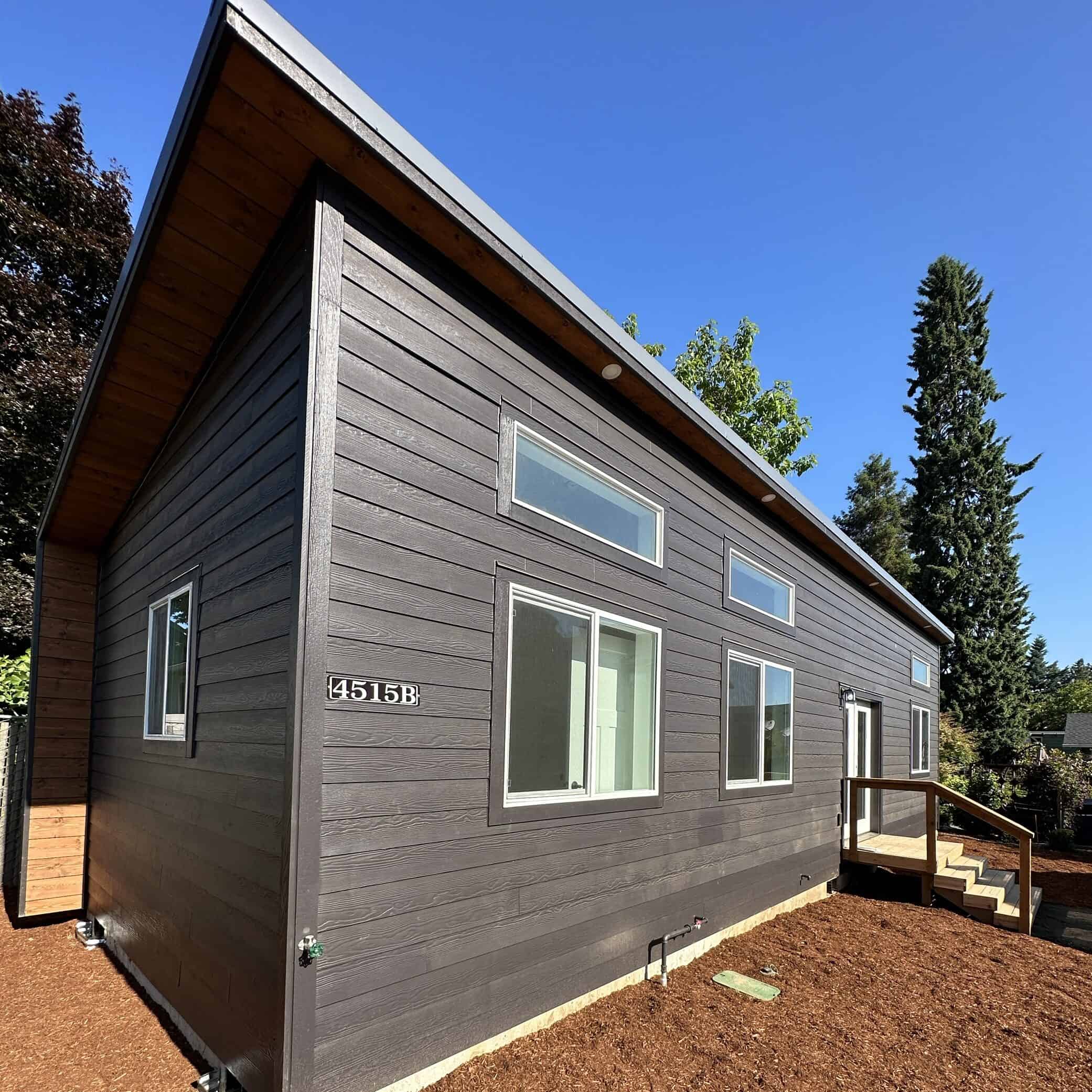
Polk County Chapter 118 states that the maximum height of a detached accessory dwelling unit is 25 feet.
That matters for detached modular ADUs because the structure must fit not only the floor area requirements, but also height, placement, delivery, foundation, and local development standards. A design that works in one county or city may need adjustment in another jurisdiction.
Manufactured Dwelling Restrictions
Polk County’s Chapter 118 states that accessory dwelling units may not be a manufactured dwelling.
This is another reason homeowners should be careful about assuming that any small home, mobile home, park model, RV, or manufactured unit can automatically be used as an ADU. Polk County’s rules distinguish between different housing types, and an ADU must comply with the county’s rules and state building code requirements.
Wolf’s modular ADUs are built as real residential structures built to IRC code intended for code-compliant placement, permitting, delivery, and setup. That distinction can matter when the project is reviewed by a county planning or building department.
Building Code Requirements Still Apply
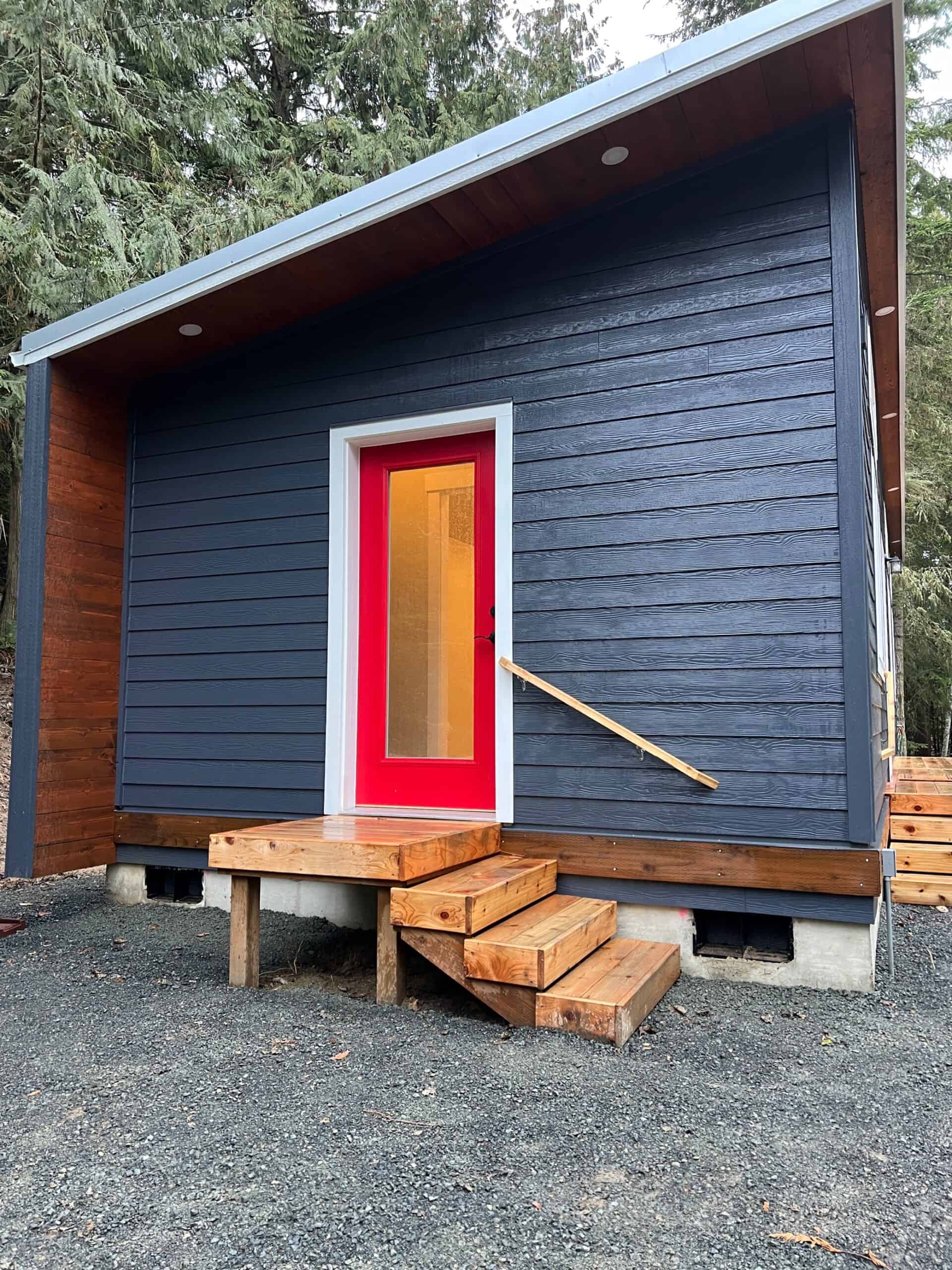
Even when an ADU is allowed by zoning, it still has to comply with state building code requirements for a residence.
This means the project is not just about whether the county says an ADU is allowed. The home itself must be designed and built properly. The site must be prepared. Utilities must be addressed. Inspections must be completed. Final placement and setup must meet applicable requirements.
A good ADU project is not just a floor plan. It is a full process.
That is where Wolf’s turn-key approach is valuable. Wolf helps guide homeowners from early feasibility through permitting, production, delivery, setup, and final site work. Instead of leaving you to coordinate every moving part alone, Wolf brings a process built around real-world ADU experience.
Setbacks and Development Standards
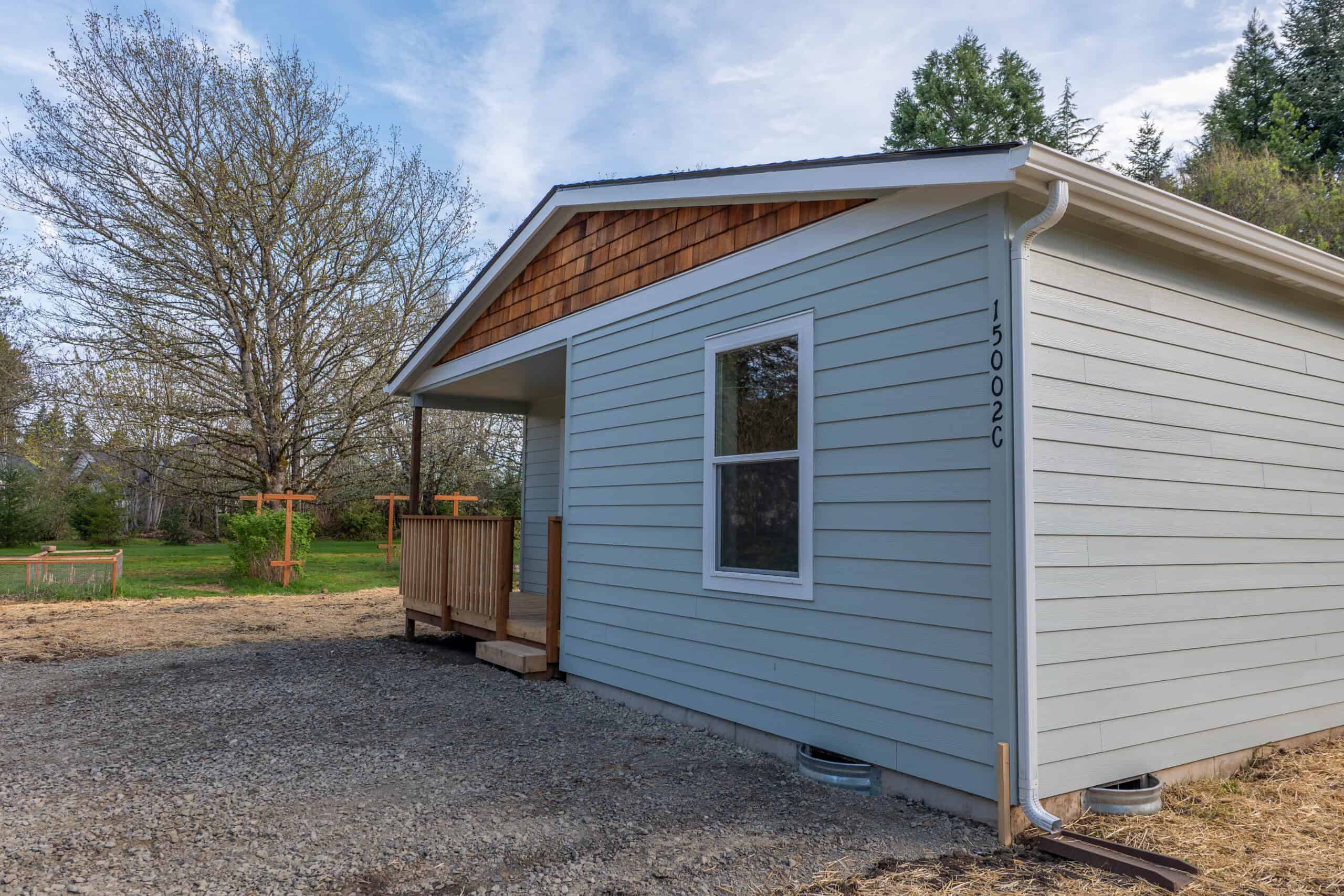
Polk County Chapter 118 says ADUs must comply with the underlying zone’s development standards for main dwellings unless otherwise specified.
In practical terms, that means your ADU has to fit your property’s zoning rules. Setbacks, lot coverage, access, height, septic or sewer, and other requirements may affect where the unit can be placed.
Detached ADUs are also not allowed within a front yard area under Polk County Chapter 118. So even if your front yard has space, the county may not allow the ADU there. This is why site planning is so important. The question is not simply, “Do I have room?” The better question is, “Where can the ADU legally and practically go?”
A free property evaluation from Wolf can help identify early issues like placement, access, utilities, model fit, and permitting questions before you overcommit to a plan that may not work.
Septic and Sewer Requirements in Polk County
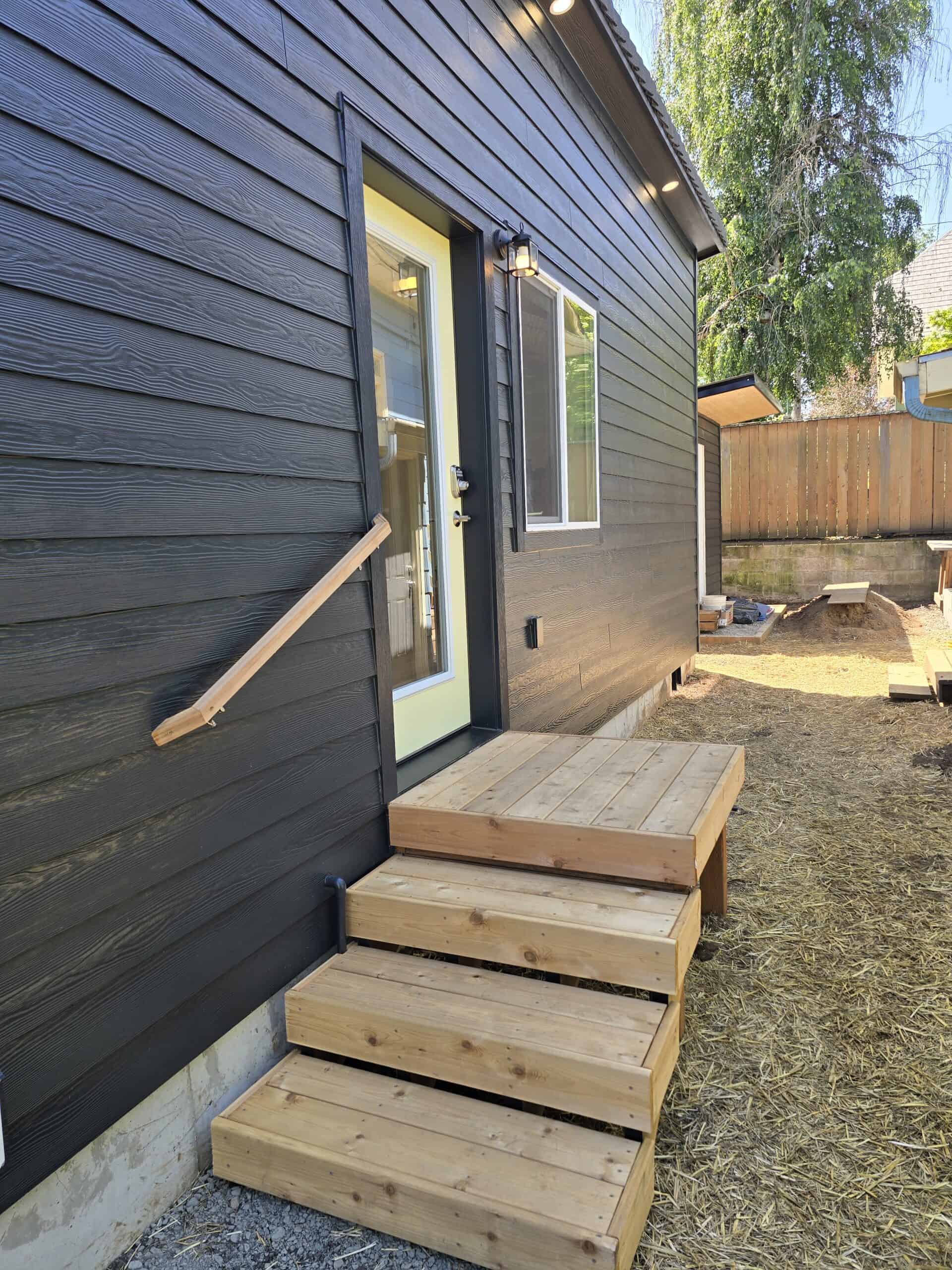
Wastewater is one of the biggest issues for ADU projects in Polk County. Polk County Chapter 118 states that the main dwelling must have an approved septic repair area or must be located within 300 feet of a sanitary sewer line.
That single requirement can change everything. A property may have enough physical space for an ADU, but if the septic system cannot support another dwelling, or if there is not enough room for required repair areas, the project may become more complicated or may not be feasible without major upgrades.
The Oregon Department of Environmental Quality notes that ADUs may be built on properties with septic systems and may use their own septic system or share the main home’s system, but not every septic property can handle the additional flow. DEQ guidance also identifies a projected daily sewage flow of 300 gallons per day for an ADU.
If an ADU connects to an existing septic system, the local onsite authority may need to evaluate the system’s condition, capacity, replacement area, and whether the added flow is within allowable limits. If the ADU uses a separate septic system, a site evaluation and septic permit process may be required.
This is one of the main reasons a free property evaluation is so valuable. Septic and sewer questions should be identified early, not after you have already paid for a design that cannot move forward.
Rural ADUs in Polk County: Watch This Closely
Rural ADUs have been a major topic in Polk County. Polk County’s Current Projects page lists Legislative Amendment 24-01 for Rural Accessory Dwelling Units. The county’s public hearing materials describe proposed amendments that would allow rural ADUs on certain lands outside an Urban Growth Boundary as authorized by Oregon law. The county materials identify affected zoning districts including SR, AR-5, AR-10, AF-10, and Grand Ronde Low Density Residential.
State law under ORS 215.495 allows counties to permit one ADU on certain rural residential lots, but only if specific standards are met. These standards include requirements such as a lot or parcel being at least two acres in size, having one existing single-family dwelling, complying with sanitation and wastewater rules, limiting the ADU to not more than 900 square feet of usable floor area, and locating the ADU no farther than 100 feet from the existing single-family dwelling.
ORS 215.495 also includes rules related to water supply, fire protection, access for firefighting equipment, evacuation, setbacks from resource lands, and restrictions against using these rural ADUs for vacation occupancy. Because rural ADU rules can change and may depend on the status of county amendments, rural Polk County property owners should confirm the current rules directly with Polk County Planning before moving forward.
The safest first step is to request Wolf’s free property evaluation. Wolf can help you identify whether your property appears to be inside or outside a UGB, what zoning issues may apply, and what questions need to be answered before you spend heavily on the project.
Urban Growth Boundary vs. Rural Property: Why It Matters
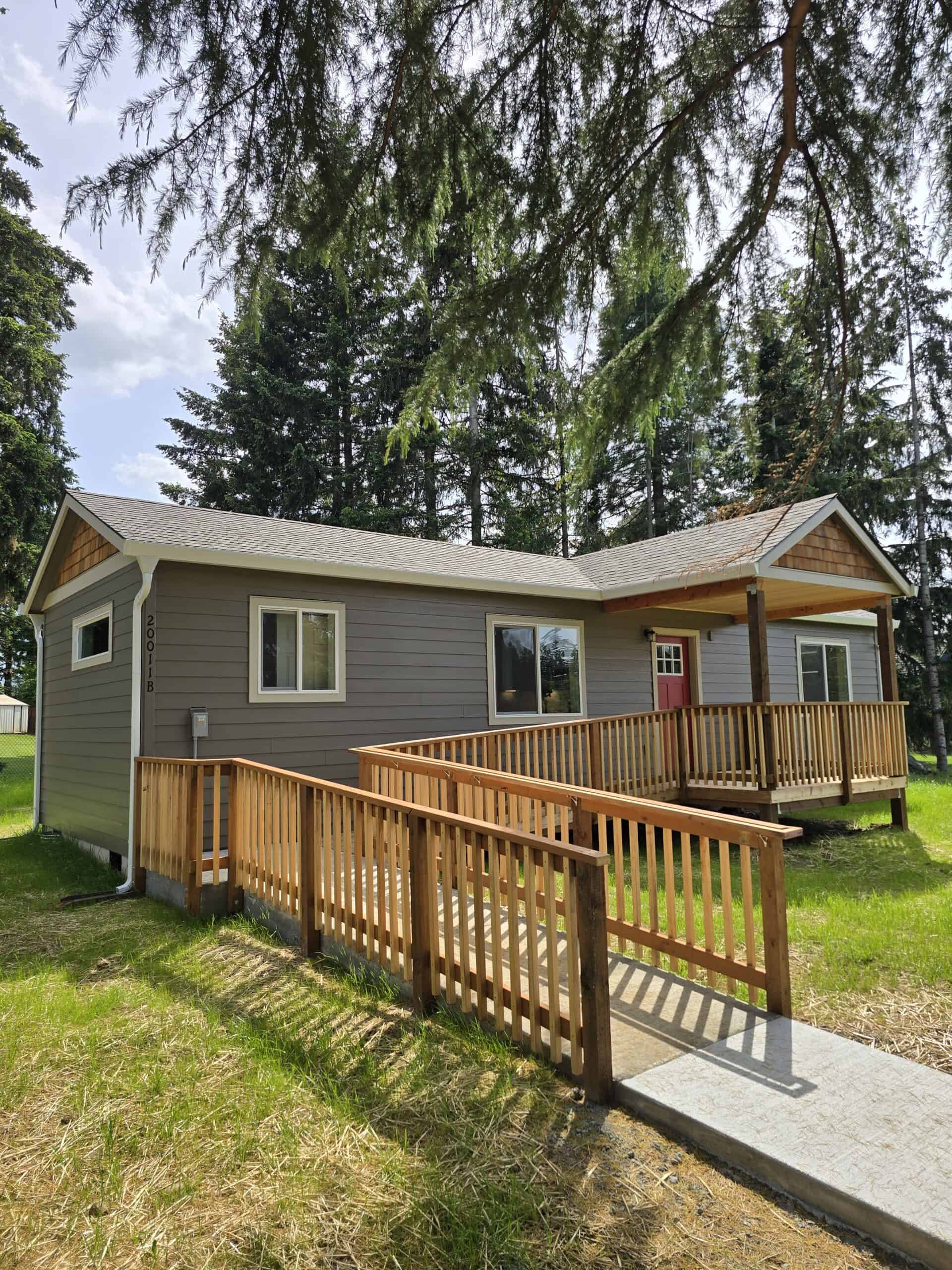
One of the most important distinctions in Polk County ADU rules is whether the property is inside or outside an Urban Growth Boundary. Inside a UGB, Oregon law generally requires qualifying cities and counties to allow at least one ADU for each detached single-family dwelling in areas zoned for detached single-family homes, subject to reasonable local siting and design regulations.
Outside a UGB, the analysis is different. Rural ADUs are governed by separate state law and local county adoption. The rules are more restrictive because rural land raises additional concerns, including wells, septic systems, fire access, evacuation, resource land conflicts, and long-term land division issues.
This is why two properties in Polk County can have very different answers. A home near Dallas, Independence, Monmouth, Falls City, or another community may be subject to a different process than a rural property outside an Urban Growth Boundary.
Do not assume your neighbor’s answer is your answer. ADU feasibility is property-specific.
Common Reasons an ADU Project Gets Delayed
Many ADU projects slow down because homeowners start with the fun part, the floor plan, before confirming the hard part, the property rules.
Common issues include:
- The property is outside the Urban Growth Boundary
- The zoning does not clearly allow the intended ADU
- The ADU is too large for the applicable rules
- The detached ADU placement conflicts with setbacks or front yard restrictions
- The septic system cannot support the additional dwelling
- The property lacks an approved septic repair area
- The site is too difficult for delivery or setup
- Utility connections are more complicated than expected
- Fire access or driveway standards create additional requirements
- The selected structure type does not qualify as an ADU under local rules
None of these problems are impossible in every case, but they are expensive to discover late. That is why Wolf encourages homeowners to start with a free property evaluation. It is a simple way to move from guessing to informed planning.
Why an Experienced ADU Builder Matters in Polk County
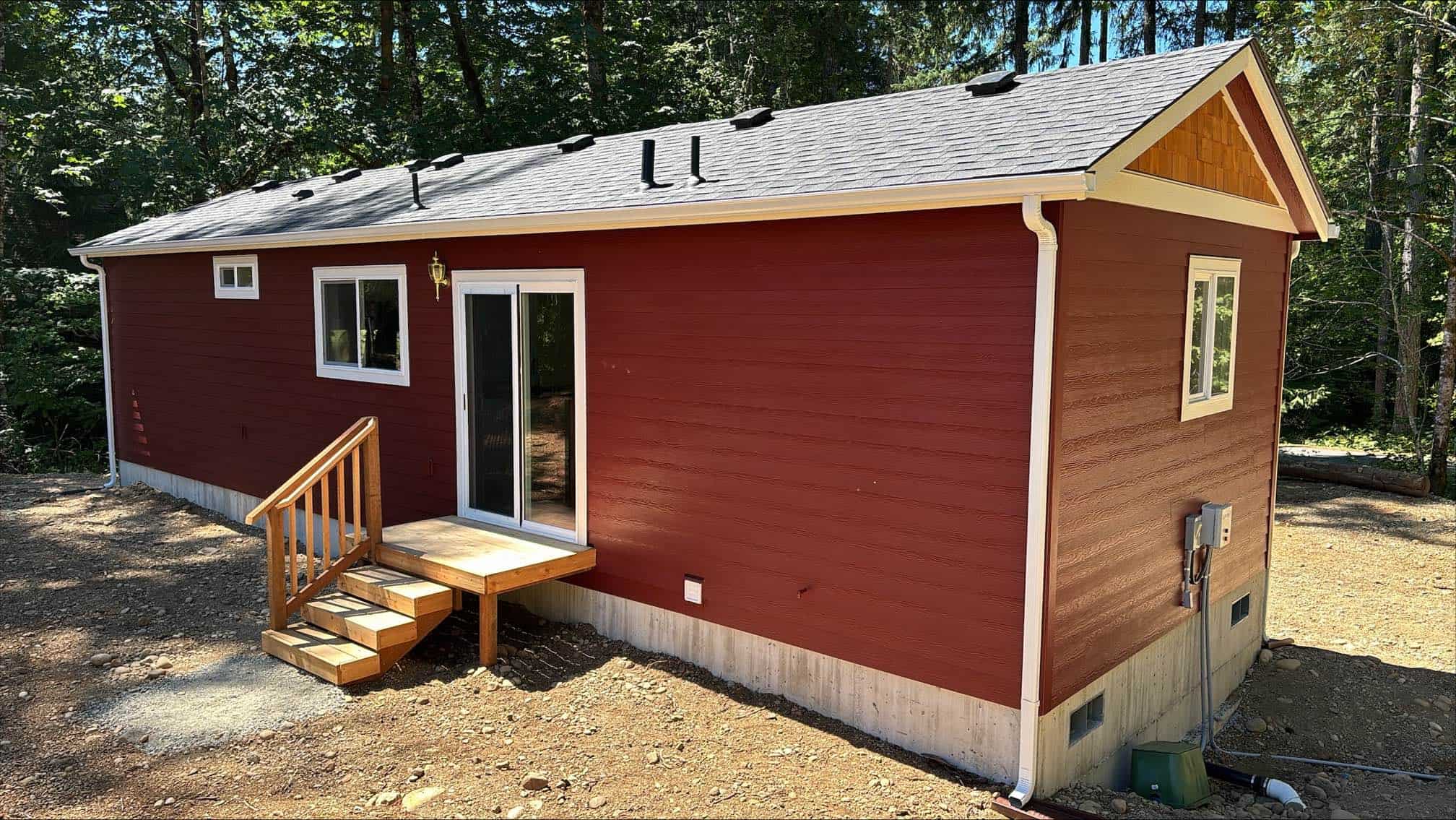
Building an ADU is not the same as buying a shed, parking a trailer, or ordering a tiny home online. A successful ADU project has to bring together zoning, building code, septic or sewer, electrical, water, foundations, access, delivery, inspections, and finish work. Each property has its own constraints, and each jurisdiction has its own process.
Wolf has built over 600 ADUs and modular homes throughout the Pacific Northwest, including many in the Polk County area. That means Wolf has already worked through real-world permitting questions, sitework challenges, delivery constraints, utility planning, and final setup requirements across many different types of properties.
Experience does not eliminate every challenge, but it helps you see them earlier. That can save time, money, and frustration.
The Modular Advantage for Polk County ADUs
Modular ADUs can be especially attractive for Polk County homeowners because much of the home is built in a controlled factory environment before being delivered to the site.
That can reduce the amount of time your property feels like a construction zone. It can also create a more predictable process compared to fully site-built construction, where weather, subcontractor scheduling, and jobsite delays can stretch timelines.
With a modular ADU, the site still matters. You still need permitting. You still need utility connections. You still need a foundation or approved placement method. You still need inspections and final setup. But when the home itself is built through a repeatable process, the overall project can become more efficient and easier to manage.
Wolf’s turn-key process is designed to help homeowners move from feasibility to final finishing with fewer unknowns.
What Should Polk County Homeowners Do First?
Before you spend money on design work, engineering, surveys, or permit applications, get a clear understanding of what your property can support.
The first questions are simple:
- Is the property inside or outside a UGB?
- What is the zoning?
- Does the property already have a qualifying primary dwelling?
- Is one ADU allowed under the current rules?
- What size ADU can fit?
- Where can it be placed?
- Can septic or sewer support it?
- Can utilities be connected?
- Can the unit be delivered and installed?
- What sitework is likely needed?
Those answers shape the entire project.
Wolf’s free property evaluation is built for this exact stage. It helps homeowners understand what may be possible before spending tons of money on a project that might need to be redesigned, delayed, or abandoned.
Start With a Free Property Evaluation
If you are searching for ADU Rules and Regulations Polk County OR, you are already doing the smart thing by looking into the rules before you build. But research can only take you so far. The real answer depends on your specific property.
Wolf Industries can help you take the next step with a free property evaluation. You can use it to learn what may be possible on your lot, what issues may need to be reviewed, and whether a modular ADU could be a good fit for your goals.
Whether you are planning a home for aging parents, a rental unit, a guest house, a downsizing option, or a flexible backyard home, the smartest move is to get clarity first.
Do not start by guessing.
Start by finding out what your property can actually support.
Sources
Polk County Zoning Ordinance
https://www.polkcountyor.gov/651/Zoning-Ordinance
Polk County Chapter 118, Accessory Dwelling Units
https://www.polkcountyor.gov/DocumentCenter/View/4520/118
Polk County Planning Division
https://www.polkcountyor.gov/343/Planning-Division
Polk County Current Projects, Legislative Amendment 24-01 Rural Accessory Dwelling Units
https://www.polkcountyor.gov/660/Current-Projects
Polk County Notice of Board of Commissioners Public Hearing, LA 24-01
https://www.polkcountyor.gov/DocumentCenter/View/5632/Notice-of-Board-of-Commissioners-Public-Hearing-April-29-2026
Polk County BOC Hearing Memo with Planning Commission and Staff Recommendation, LA 24-01
https://www.polkcountyor.gov/DocumentCenter/View/6046/BOC-Hearing-Memo-with-Staff-Recommendation
ORS 197A.425, Accessory Dwelling Units
https://oregon.public.law/statutes/ors_197a.425
ORS 215.495, Accessory Dwelling Units
https://oregon.public.law/statutes/ors_215.495
Oregon DEQ, Accessory Dwelling Units and Onsite Wastewater Treatment Systems Fact Sheet
https://www.oregon.gov/deq/Residential/Documents/ADUfactsheet.pdf=