
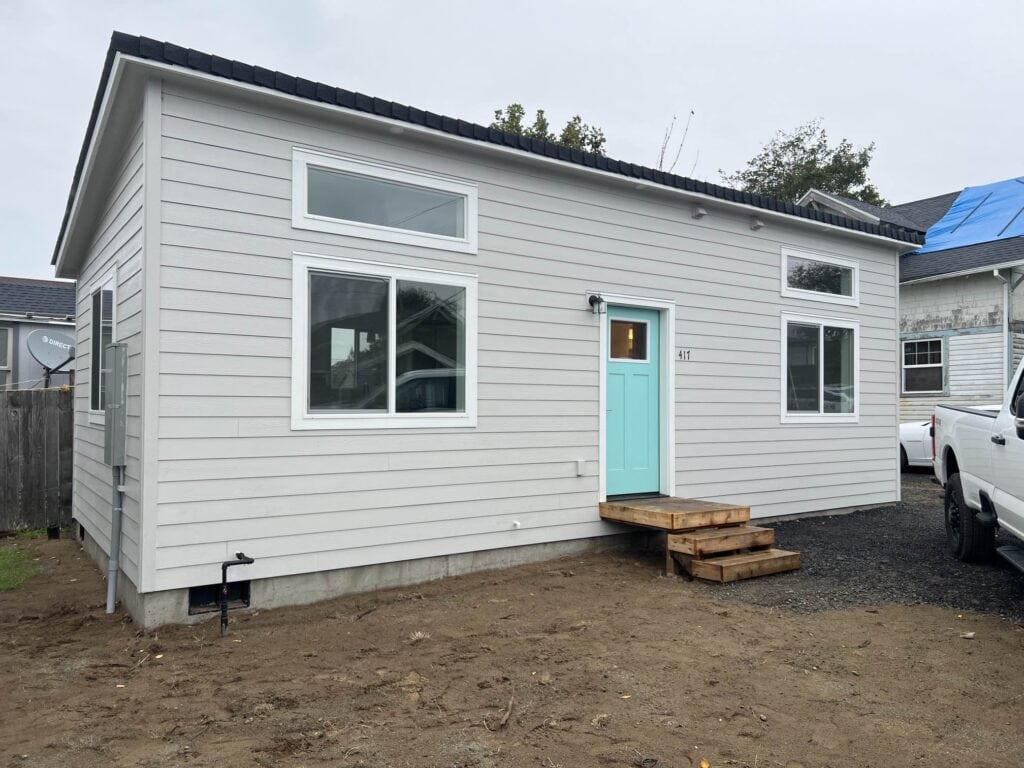
If you own property in Astoria and have started wondering whether you can build an accessory dwelling unit, you are not alone. Across the Pacific Northwest, more homeowners are looking at ADUs as a practical way to create space for aging parents, adult children, long-term rental income, guests, or more flexible living on the property they already own.
But before you start choosing floor plans or imagining where the home could sit, there is one important question to answer first:
What do Astoria’s ADU rules and regulations actually allow on your property?
The encouraging news is that Astoria does allow accessory dwelling units in many situations, and the city’s code specifically recognizes detached ADUs, modular homes, and prefab homes as potential options when built on a permanent foundation and designed to meet applicable code requirements. The more complicated part is that every property is different. Lot layout, existing structures, zoning, access, utilities, slope, setbacks, parking, historic review, and short-term rental plans can all affect what is possible.
That is why Wolf’s free property evaluation is one of the best first steps for homeowners considering an ADU in Astoria. Instead of guessing, you can get experienced eyes on your property early and learn what may be realistic before spending time and money heading down the wrong path.
What Is an ADU in Astoria?
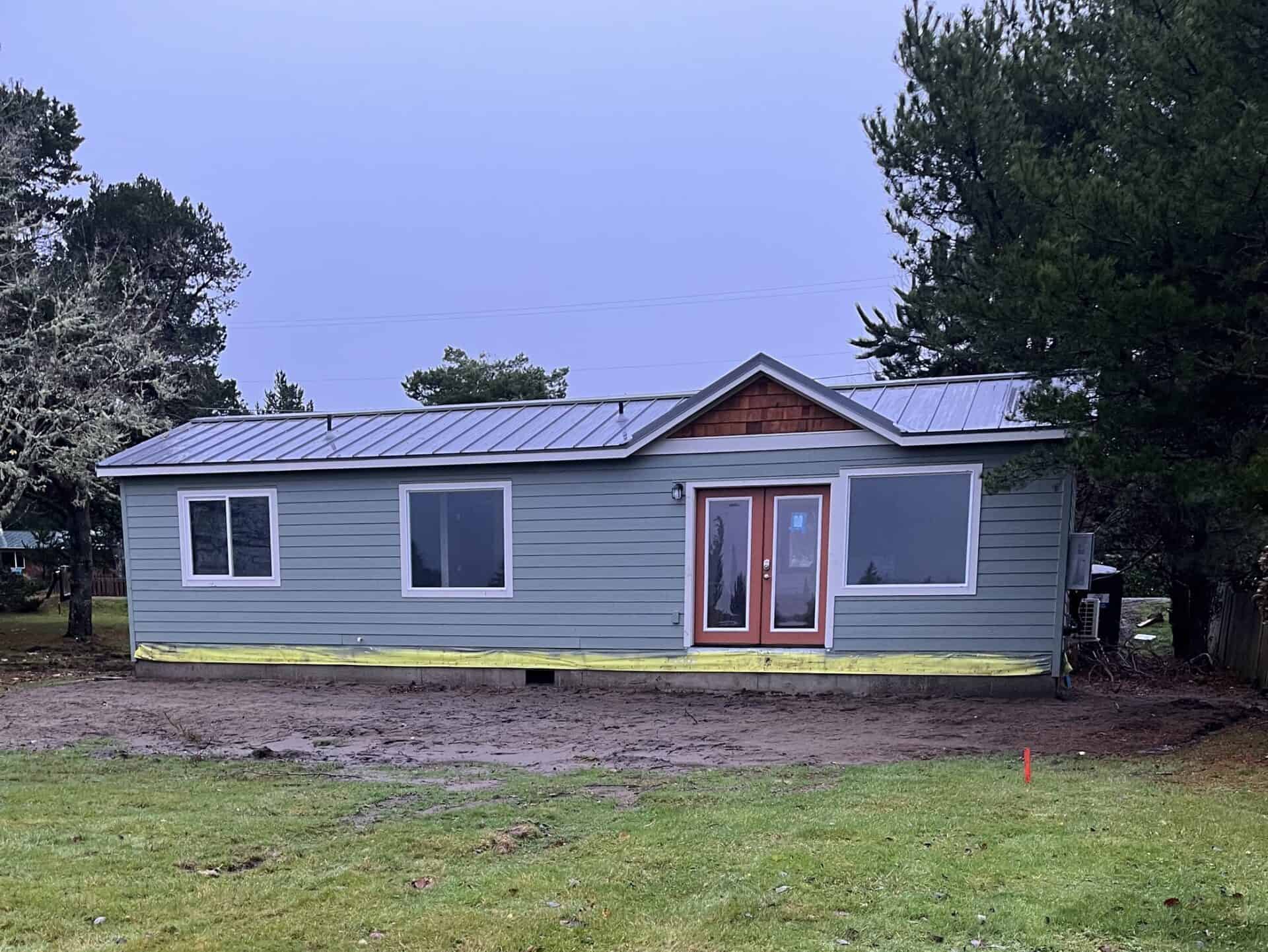
In Astoria, an accessory dwelling unit is generally a second dwelling unit created on a lot with a primary home. It is auxiliary to the main dwelling, smaller than the primary home, and includes independent living facilities for sleeping, cooking, and sanitation.
In plain English, an ADU is a real home, not just a bedroom, studio, shed, or guest room.
An Astoria ADU may be created in several ways, including:
- Inside an existing home
- Within a basement or attic
- Through conversion of an existing attached accessory building
- Over an attached or detached garage
- As a newly constructed attached unit
- As a separate detached ADU
For many homeowners, the detached ADU is the most attractive option because it provides privacy and independence while keeping family members or tenants close. That can make it a strong fit for multigenerational living, aging-in-place plans, long-term rental housing, or simply making better use of an underutilized lot.
Are ADUs Allowed in Astoria?
Yes, ADUs are allowed in Astoria, but the details matter.
Astoria’s Development Code allows an ADU as an accessory use to an existing single-family dwelling. The code also states that only one ADU is permitted per single-family lot and per main dwelling.
This is an important distinction for homeowners. If your property has an existing single-family home, an ADU may be possible. If the property already has a two-family dwelling or multifamily dwelling, the ADU rules may be different or may not apply unless the property has gone through a middle housing land division that allows the units to be divided onto individual lots.
That is one reason a property-specific review matters so much. Two lots can look very similar from the street but have very different zoning, land use, or development limitations.
Can You Build a Detached ADU in Astoria?
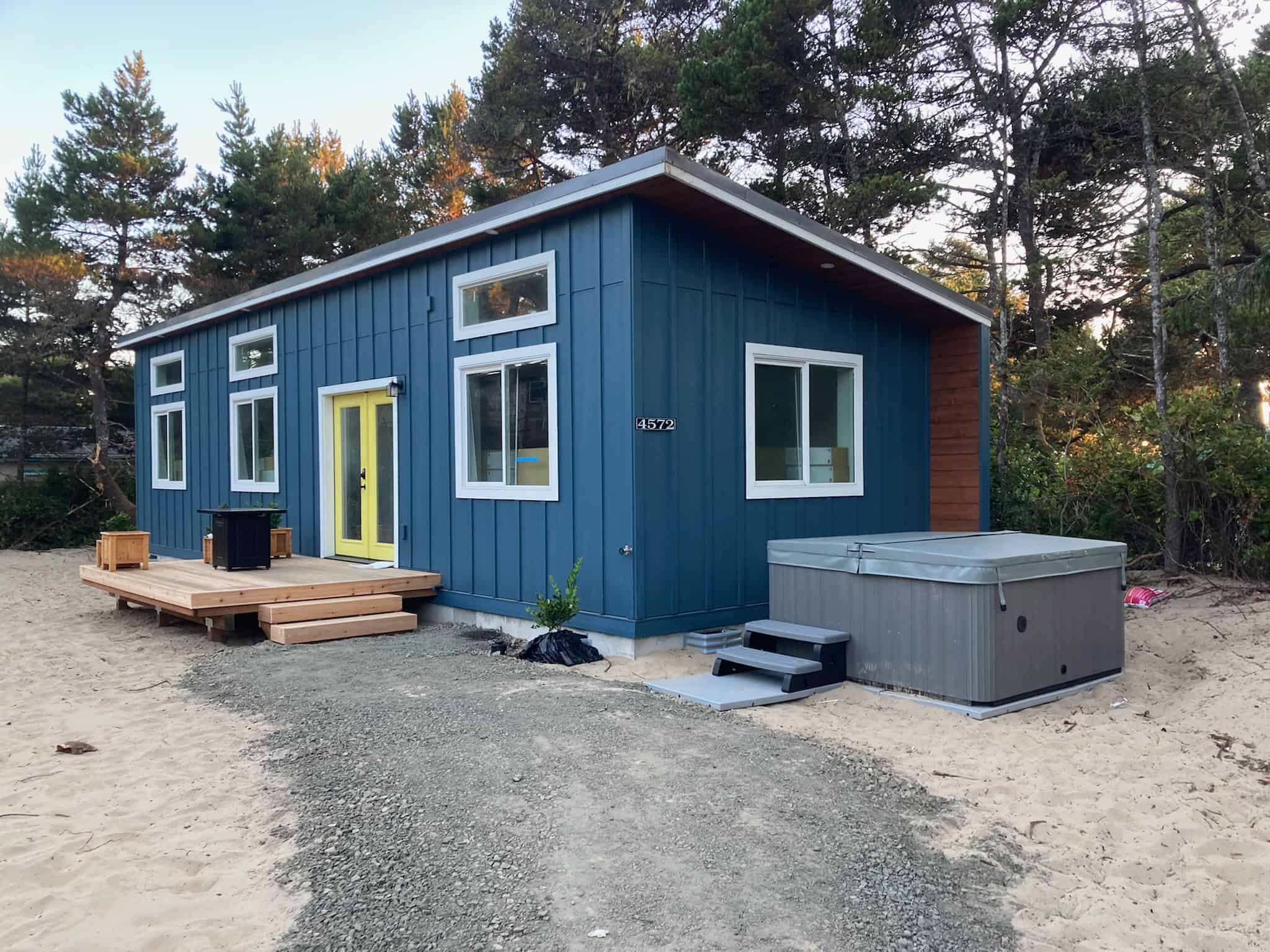
Yes, Astoria’s code allows detached ADUs, including modular or prefab homes constructed to the applicable Oregon building code and placed on a permanent foundation.
That is a major point for homeowners comparing different ADU options. Astoria does not limit ADUs only to garage conversions or internal home additions. A detached ADU can be a new structure on the property, as long as it meets the city’s requirements and all applicable building, zoning, utility, and site standards.
Astoria’s code also makes it clear that an ADU cannot be mobile, attached to wheels, built to RV standards, used as a park trailer, or used as a park model. In other words, an ADU in Astoria is meant to be a permitted residential dwelling, not a movable recreational vehicle.
For homeowners who want a durable, permanent living space, this is where modular construction can be a strong fit. Wolf designs and builds modular homes that are intended for long-term residential use and placed on permanent foundations. With more than 600 ADUs and modular homes built throughout the Pacific Northwest, including many in the Astoria area, Wolf understands how important it is to match the home, the property, and the permitting pathway from the beginning.
Key Astoria ADU Rules to Understand
Astoria’s ADU standards include several important rules that homeowners should know before getting too far into design.
One ADU Per Single-Family Lot
Astoria allows one accessory dwelling unit per single-family lot and per main dwelling. That means a typical qualifying property with one primary home may be able to add one ADU, not multiple ADUs.
The ADU Must Be Secondary to the Main Home
An ADU is meant to be accessory to the primary dwelling. It should function as a smaller, secondary home on the same property.
Detached ADUs Must Be on a Permanent Foundation
Astoria’s code recognizes modular and prefab homes as possible detached ADUs when they are constructed to the applicable Oregon building code and placed on a permanent foundation.
RVs and Park Models Do Not Qualify
A mobile unit, wheeled unit, RV-standard structure, park trailer, or park model is not allowed as an ADU under Astoria’s ADU standards.
New Detached ADUs Have Height Limits
Astoria’s ADU standards limit the height of new detached ADUs. The code states that the height of new detached units shall not exceed 20 feet or 80% of the height of the primary dwelling, whichever is less.
This can affect design decisions, roof style, foundation height, and placement on sloped lots.
Placement Matters
Astoria’s ADU rules include placement requirements. A detached ADU may be placed behind the main dwelling. If a new ADU is placed in front of the main dwelling, the entrance cannot face the street. On corner lots, new units are to be located in a side yard or rear of the lot.
This is one of those details that can quickly affect feasibility. A property may have enough land in theory, but the real question is where the ADU can legally and practically fit.
A Type I Permit Is Required
Astoria requires a Type I permit to establish an ADU. The property owner must submit an application to the Community Development Department using the city’s form.
A Type I process is generally more straightforward than a discretionary land use process, but that does not mean every property is automatically ready to build. The project still needs to satisfy the city’s standards, building code requirements, and any property-specific issues.
Is Additional Parking Required for an ADU in Astoria?
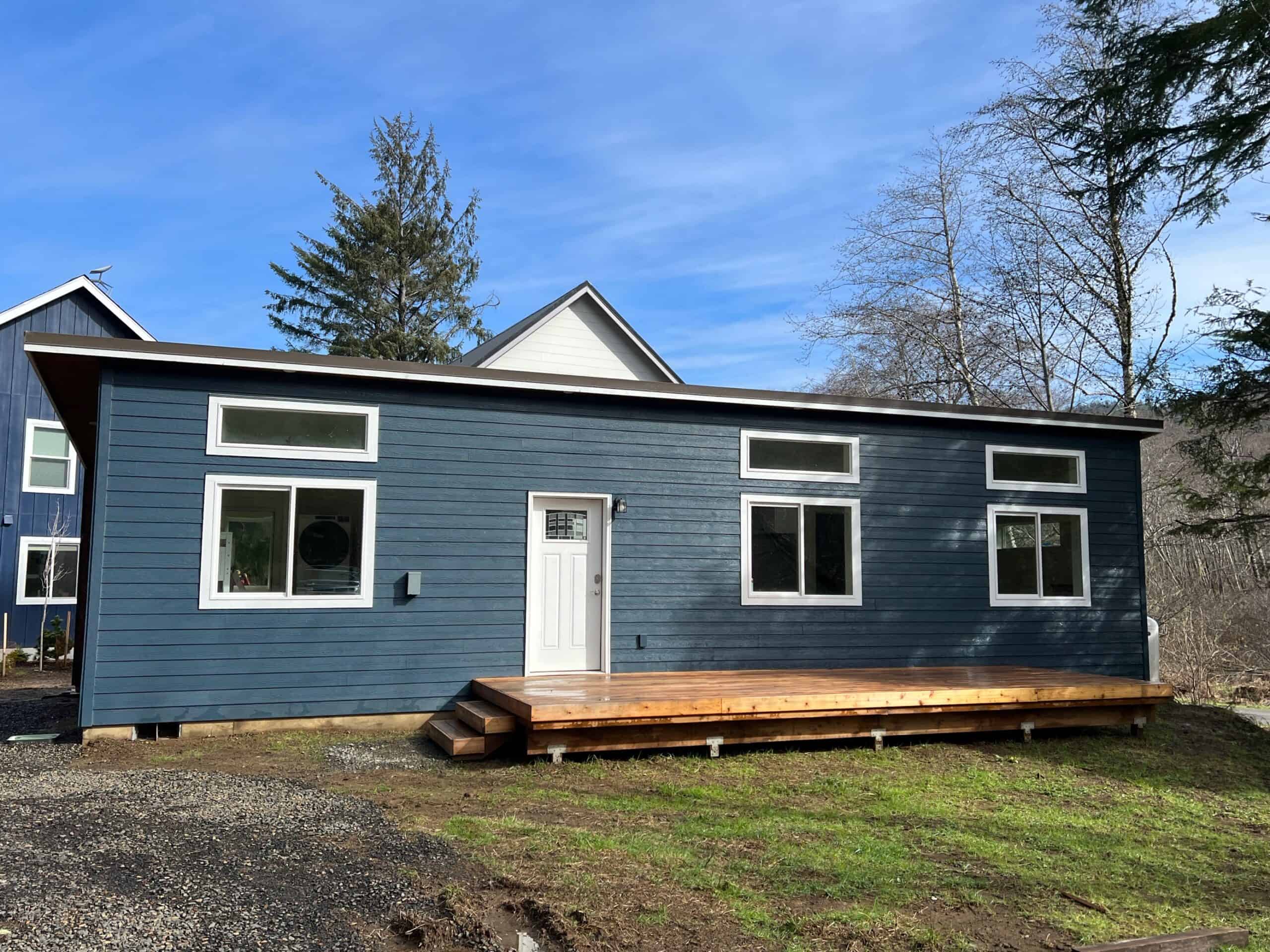
Astoria’s off-street parking table states that no additional parking is required for an accessory dwelling unit, described as a second dwelling unit on a single-family lot. That is good news for many property owners, especially in older neighborhoods where driveways, alleys, and off-street parking areas may be limited.
However, parking should still be reviewed as part of the overall site plan. Driveway access, fire access, existing parking, right-of-way conditions, utilities, and short-term rental plans can all introduce additional considerations depending on the property.
Can You Use an Astoria ADU as a Short-Term Rental?
This is where homeowners need to be careful.
Astoria has separate rules for short-term rentals, home stay lodging, and vacation rentals. Renting a home, room, or lodging unit for fewer than 30 days requires city approval before advertising or accepting guests.
Astoria’s short-term rental guidance also states that Home Stay Lodging is not permitted within an ADU. A property owner considering any short-term rental use should contact the city before purchasing or modifying a property based on that plan.
For most homeowners, it is safer to think of an ADU first as long-term housing. That may mean housing for a parent, a family member, a caregiver, a tenant, or future flexibility. If short-term rental income is part of the plan, it needs to be reviewed separately and early.
Why Astoria Properties Need a Careful ADU Feasibility Review
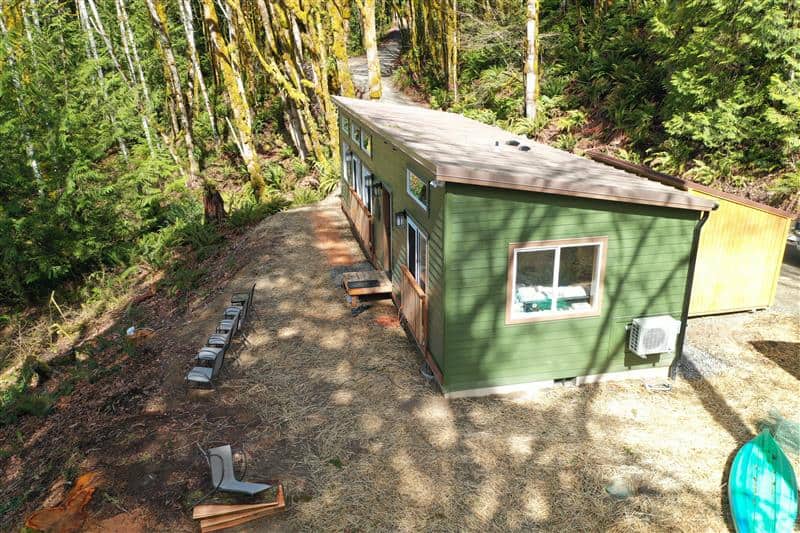
Astoria is not a flat, uniform suburb where every lot is easy to read. It is an older coastal city with hillsides, established neighborhoods, historic homes, narrow streets, view considerations, older utility infrastructure, and unique lot conditions.
That can make ADU planning both exciting and tricky.
A successful ADU plan in Astoria may need to consider:
- Zoning and allowed use
- Existing home location
- Lot size and shape
- Slope and grading
- Setbacks
- Utility connections
- Stormwater
- Foundation requirements
- Delivery access
- Crane access, if needed
- Historic review, where applicable
- Fire and life safety requirements
- Driveways and parking
- Whether the ADU can fit behind, beside, or near the main home
- Whether modular delivery is practical for the site
This is exactly why Wolf recommends starting with a free property evaluation. It gives you a clearer picture of what might work on your lot before you get too attached to a specific layout, location, or budget assumption.
Why Modular ADUs Make Sense in Astoria
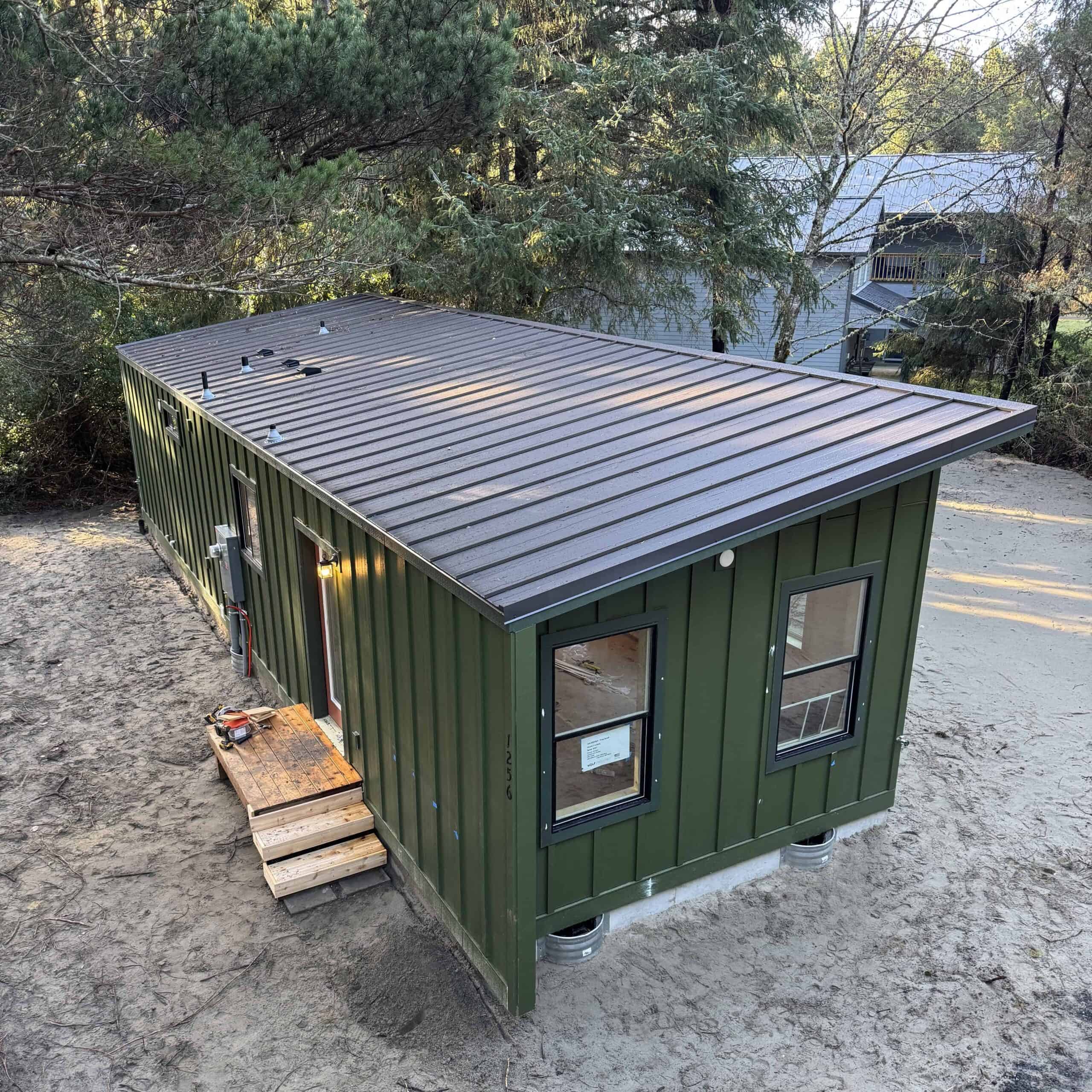
A modular ADU can be a strong option in Astoria because much of the home is built off-site in a controlled production environment. That can reduce the amount of time, disruption, and weather exposure on the property itself.
For coastal and hillside communities, that matters.
Astoria projects can involve tight access, challenging weather, narrow streets, and properties where on-site construction logistics are not simple. Modular construction does not eliminate the need for site planning, permitting, foundation work, utility connections, or delivery coordination, but it can make the homebuilding process more predictable.
Wolf’s process is designed around that reality. The home is only one part of the project. The property, permit path, foundation, utilities, delivery route, and final setup all need to come together correctly.
That is where experience matters. Wolf has built more than 600 ADUs and modular homes throughout the Pacific Northwest, including many in the Astoria area. That experience helps homeowners move from the broad question of “Can I build an ADU?” to the more useful question of “What is actually possible on this property?”
Common Reasons Astoria Homeowners Build ADUs
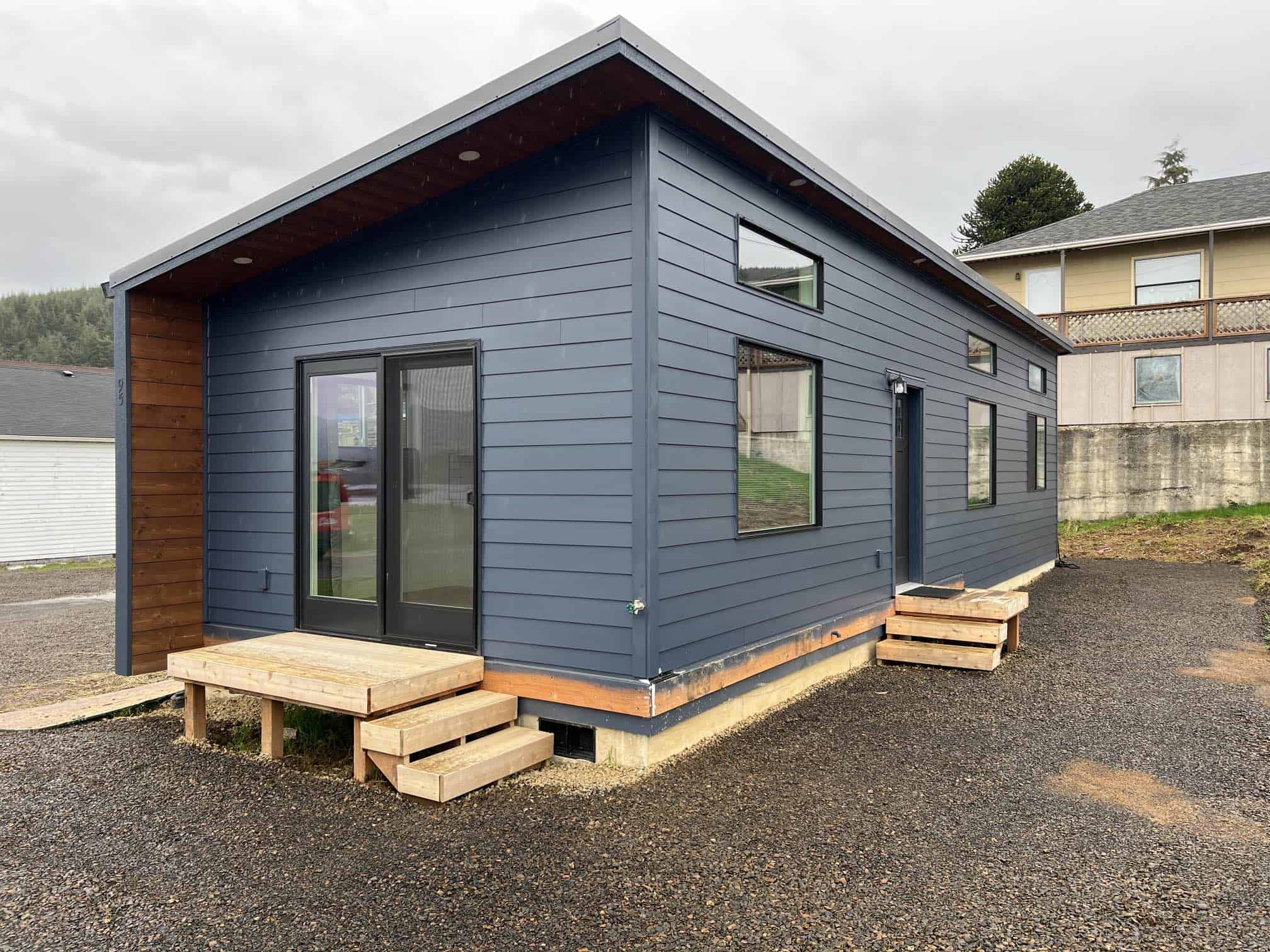
Astoria homeowners consider ADUs for many reasons, but the most common motivations usually come back to flexibility.
Housing for Aging Parents
An ADU can give parents a private, comfortable home close to family while preserving independence. For many families, this is far more appealing than moving a parent into a distant facility or trying to remodel the main home around changing needs.
Space for Adult Children
Housing costs have made it harder for young adults to stay near family or remain in the communities where they grew up. An ADU can create a practical bridge between full independence and living in the main house.
Long-Term Rental Income
A permitted ADU can create long-term rental potential while adding useful housing to the local community. In a city where housing availability is a real concern, this can be a meaningful benefit.
Guest Space
Some homeowners want a comfortable place for visiting family and friends without sacrificing privacy inside the main home.
Future Flexibility
The best ADU plans are not just about today. A homeowner may use the ADU for family now, rental income later, and personal downsizing in the future. A well-designed ADU can give a property more options over time.
The Best First Step: Start With the Property
It is tempting to begin with floor plans. That is the fun part. But with ADUs, the property comes first.
Before deciding on a model, layout, or finish package, you need to understand what the city may allow and what the site can physically support. A great ADU plan should answer questions like:
- Where could the ADU go?
- How large could it realistically be?
- Can it meet Astoria’s placement and height requirements?
- What utilities are available?
- Is the lot sloped?
- Can the home be delivered?
- Will a crane be needed?
- Are there trees, retaining walls, easements, or access issues?
- Could historic review apply?
- What permitting steps are likely?
- What budget range should the homeowner expect?
Wolf’s free property evaluation is designed to help answer these early questions. It is one of the best ways to move from curiosity to clarity without guessing.
Building an ADU in Astoria With Wolf
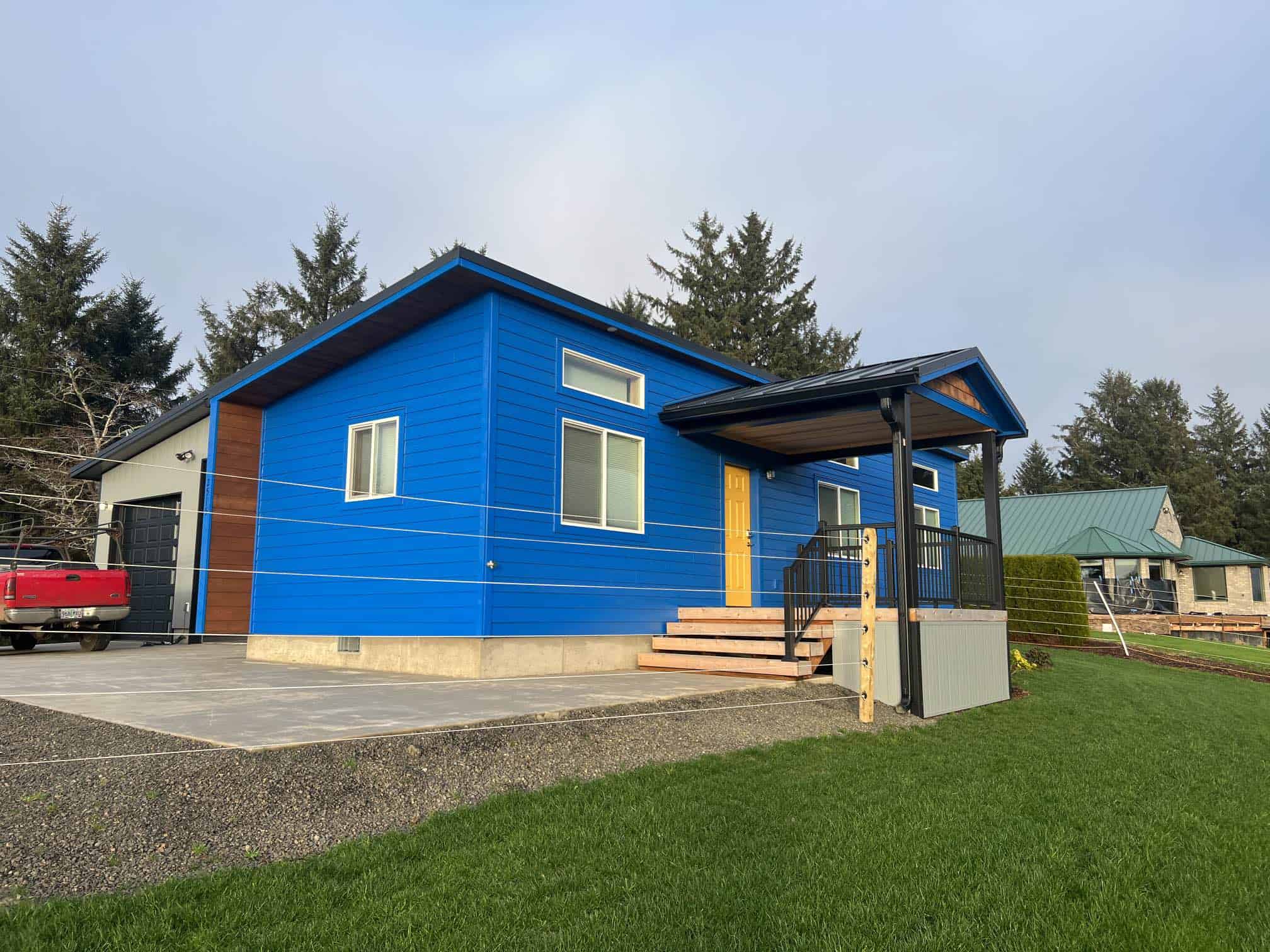
An ADU can be one of the most valuable improvements you make to your property, but only if it is planned correctly from the beginning.
Astoria’s rules allow real opportunities for homeowners, especially those with single-family properties that can accommodate a detached, permanent, code-compliant ADU. The city’s code recognizes modular and prefab homes as potential ADUs, does not require additional parking for an ADU, and allows ADUs in connection with existing single-family dwellings across zones.
At the same time, every property still needs to be evaluated carefully. Astoria’s terrain, older neighborhoods, coastal conditions, and property-specific constraints can make the difference between a simple path and a complicated one.
Wolf has built over 600 ADUs and modular homes throughout the Pacific Northwest, including many in the Astoria area. If you are thinking about adding an ADU to your property, the best place to start is not with assumptions. It is with a clear look at what your property can actually support.
Start with Wolf’s free property evaluation and find out what may be possible on your Astoria property.
Sources
City of Astoria: Short-Term Rentals in Astoria
City of Astoria: Development / Zoning
Astoria Development Code: Article 1 Basic Provisions
Astoria Development Code: Section 3.020 Accessory Dwelling Units
Astoria Development Code: Section 1.400 Definitions