
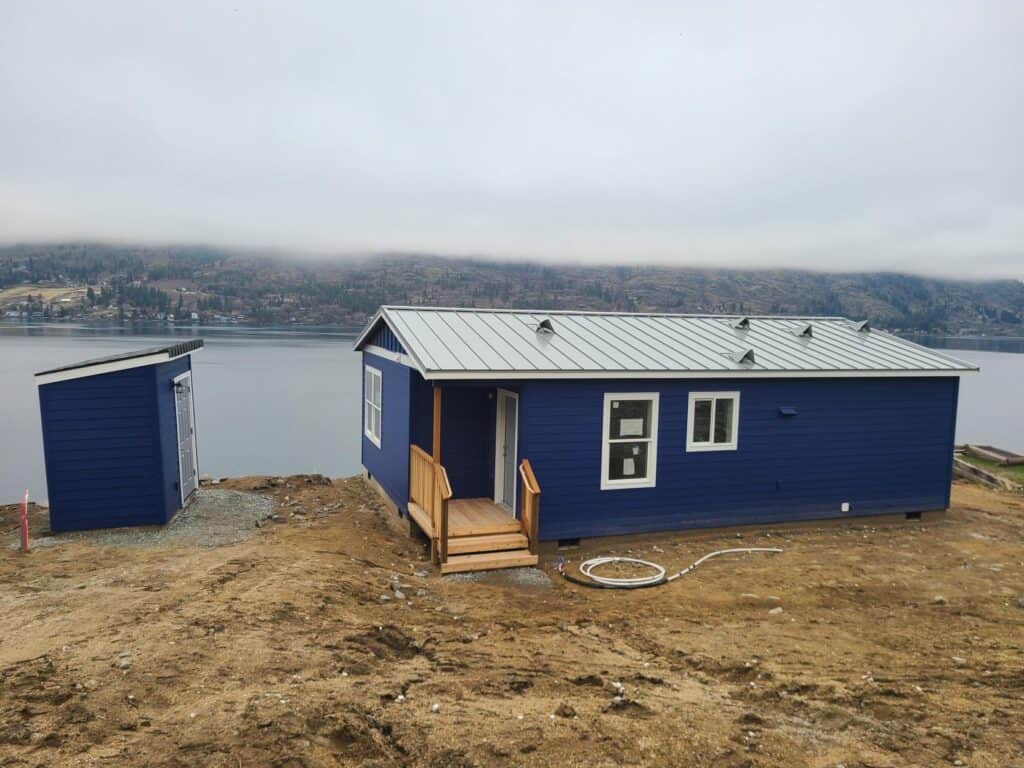
Adding an accessory dwelling unit can be one of the most practical ways to create more usable space, support family, add long-term rental potential, or make better use of land you already own. But before you start designing a backyard cottage, guest house, detached ADU, or secondary living unit in Chelan County, it is important to understand one thing clearly: ADU rules and regulations in Chelan County depend heavily on where your property is located.
A property in unincorporated Chelan County may be reviewed differently than a property inside the City of Chelan, Wenatchee, Leavenworth, Cashmere, Entiat, or another local jurisdiction. Rural properties outside an urban growth area may also face different requirements than lots inside an urban growth area. That is why the best first step is not guessing from a general ADU article online. It is confirming what is possible on your actual parcel.
Wolf Industries offers a Free Property Evaluation to help property owners understand whether an ADU or modular home may be possible on their land. With over 600 ADUs and modular homes built throughout the Pacific Northwest, including many in Chelan County, Wolf has the experience to help homeowners move from “Can I build this?” to a clear next step.
What Is an ADU?
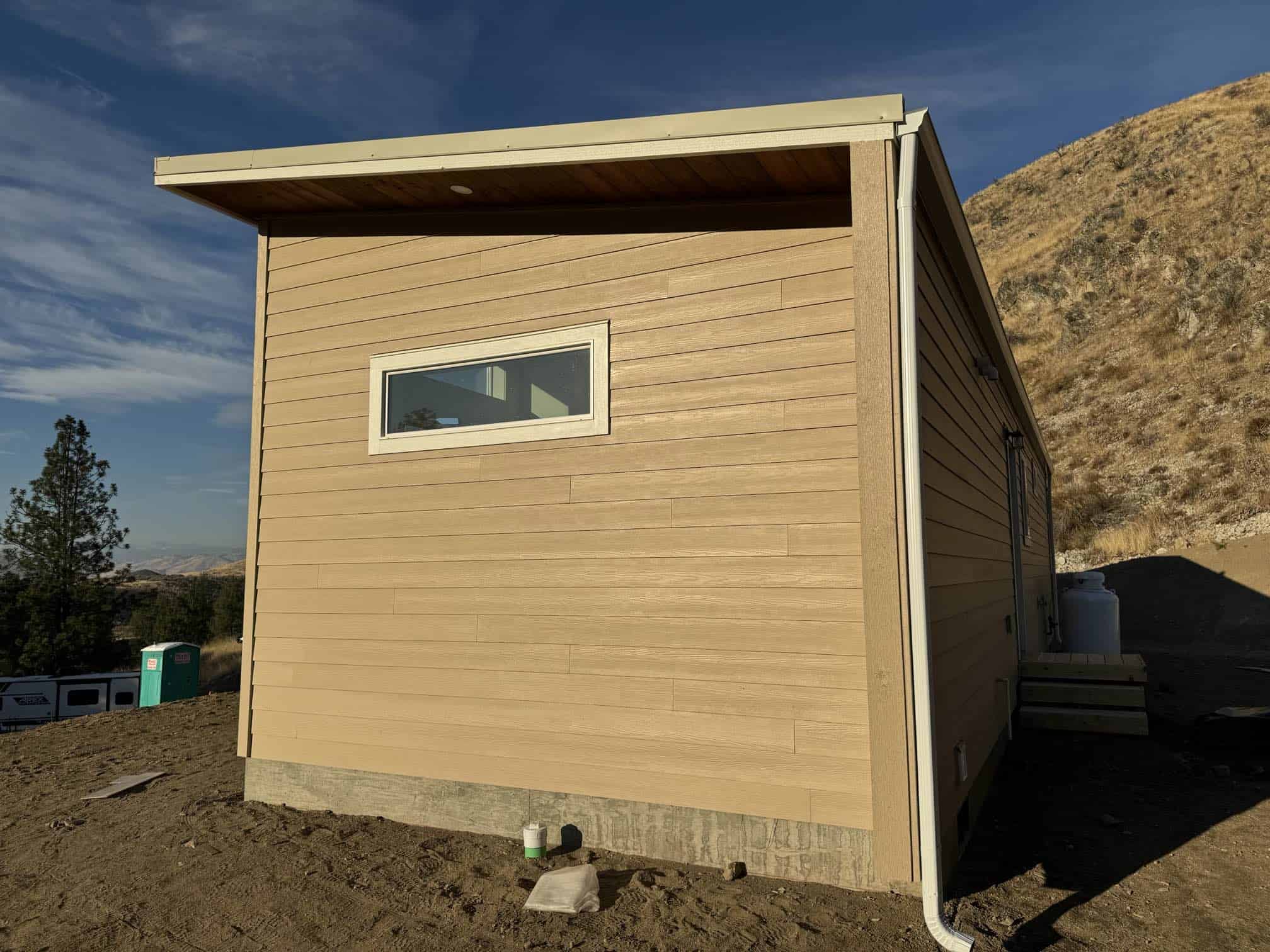
An ADU, or accessory dwelling unit, is a secondary dwelling located on the same property as a primary home. It typically includes independent living facilities such as a sleeping area, bathroom, kitchen, and living space. ADUs can take several forms, including:
- An attached ADU connected to the main house
- An interior ADU built within an existing home
- A detached ADU built as a separate backyard cottage or small home
- A garage conversion or conversion of another existing structure when allowed
For Chelan County property owners, ADUs are often used for aging parents, adult children, long-term rental income, guest space, downsizing, or creating more flexible housing on land they already own.
Why Chelan County ADU Rules Are Getting More Attention
Chelan County has seen rising interest in ADUs as housing costs, family housing needs, and rural property use questions continue to grow. At the same time, Washington State has updated ADU laws in recent years, especially for urban growth areas and rural detached ADUs.
That means property owners need to pay attention to both local rules and state-level changes. In some cases, state law sets minimum standards that local governments must follow. In other cases, county or city rules still control the details of what can be built, where it can be placed, how large it can be, whether it can be rented, and what permits are required.
The biggest takeaway is simple: do not assume your neighbor’s ADU rules apply to your property. Zoning, lot size, urban growth area boundaries, septic capacity, water service, fire access, setbacks, and building code requirements can all affect what is possible.
ADU Rules in Unincorporated Chelan County
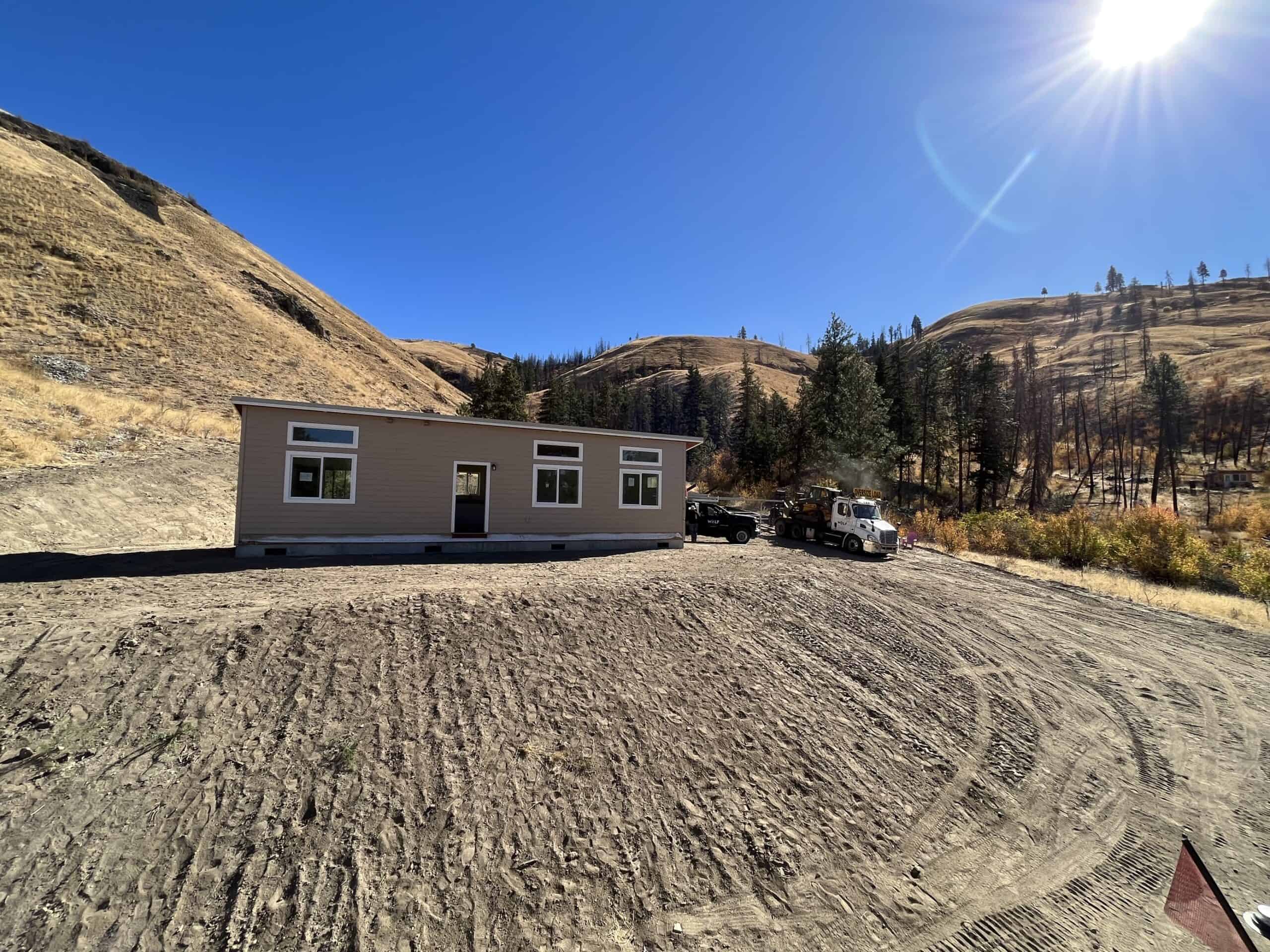
If your property is in unincorporated Chelan County, your project will generally be reviewed through Chelan County Community Development. Chelan County has allowed ADUs on properties for years, but rural detached ADUs and unpermitted units have recently become a major focus because of state-level legislation.
For rural properties outside an urban growth area, property owners should pay especially close attention to whether an existing or proposed detached ADU is properly permitted. Chelan County has encouraged owners of unpermitted detached ADUs outside urban growth areas to contact Community Development and work toward compliance before stricter penalties and state-mandated rules become unavoidable.
Important county-level considerations may include:
- Whether the parcel is inside or outside an urban growth area
- Whether the ADU is attached, detached, or interior
- Whether the parcel is conforming or nonconforming
- Lot size and density limitations
- Distance between the ADU and primary dwelling
- Water metering and utility requirements
- Shared driveway requirements
- Septic or sewer availability
- Building code and energy code compliance
- Permitting status of any existing unit
- Whether the ADU is intended for long-term rental or short-term rental use
Chelan County has also identified several rural detached ADU standards connected to newer state legislation, including potential size limits, driveway requirements, distance from the principal dwelling, and penalties for unpermitted detached ADUs that are not brought into compliance.
Because some state updates have been delayed or placed on hold locally, homeowners should confirm the current status before making any decisions. ADU rules are changing quickly enough that a property-specific review is far safer than relying on outdated assumptions.
ADU Rules Inside the City of Chelan
The City of Chelan has its own municipal code and recently adopted updates related to accessory dwelling units. If your property is inside city limits, City of Chelan rules may apply rather than unincorporated Chelan County rules.
Under the City of Chelan’s updated ADU standards, attached, detached, and interior ADUs are generally permitted in zoning districts that allow single-family residences. The City’s ordinance also allows two ADUs on a lot in addition to the primary dwelling unit, subject to the applicable standards.
Key City of Chelan ADU standards include:
- ADUs may be attached, detached, or interior units
- Two ADUs may be allowed on a lot in addition to the primary dwelling
- ADUs must meet applicable zoning standards for building height, land coverage, and setbacks, with certain exceptions
- Detached ADUs may have specific rear-yard alley setback allowances
- Structures must maintain separation required by fire and building codes
- Existing legal nonconforming structures may be converted in some situations
- Maximum ADU unit size is listed at 1,200 square feet
- Parking requirements are tied to the primary dwelling unit standard
- Owner occupancy is not required for the primary dwelling or ADU
- ADUs may be used for long-term rental purposes
- ADUs may not be used for short-term rentals under the City of Chelan ordinance
- ADUs may potentially be created and sold as separate unit lots through unit lot subdivision if the overall development meets zoning standards
This is why it is so important to know whether your property is inside the City of Chelan, another city, or unincorporated Chelan County. The phrase “Chelan County ADU rules” can refer to a broad geographic area, but the actual requirements are local and parcel-specific.
Urban Growth Areas vs. Rural Areas
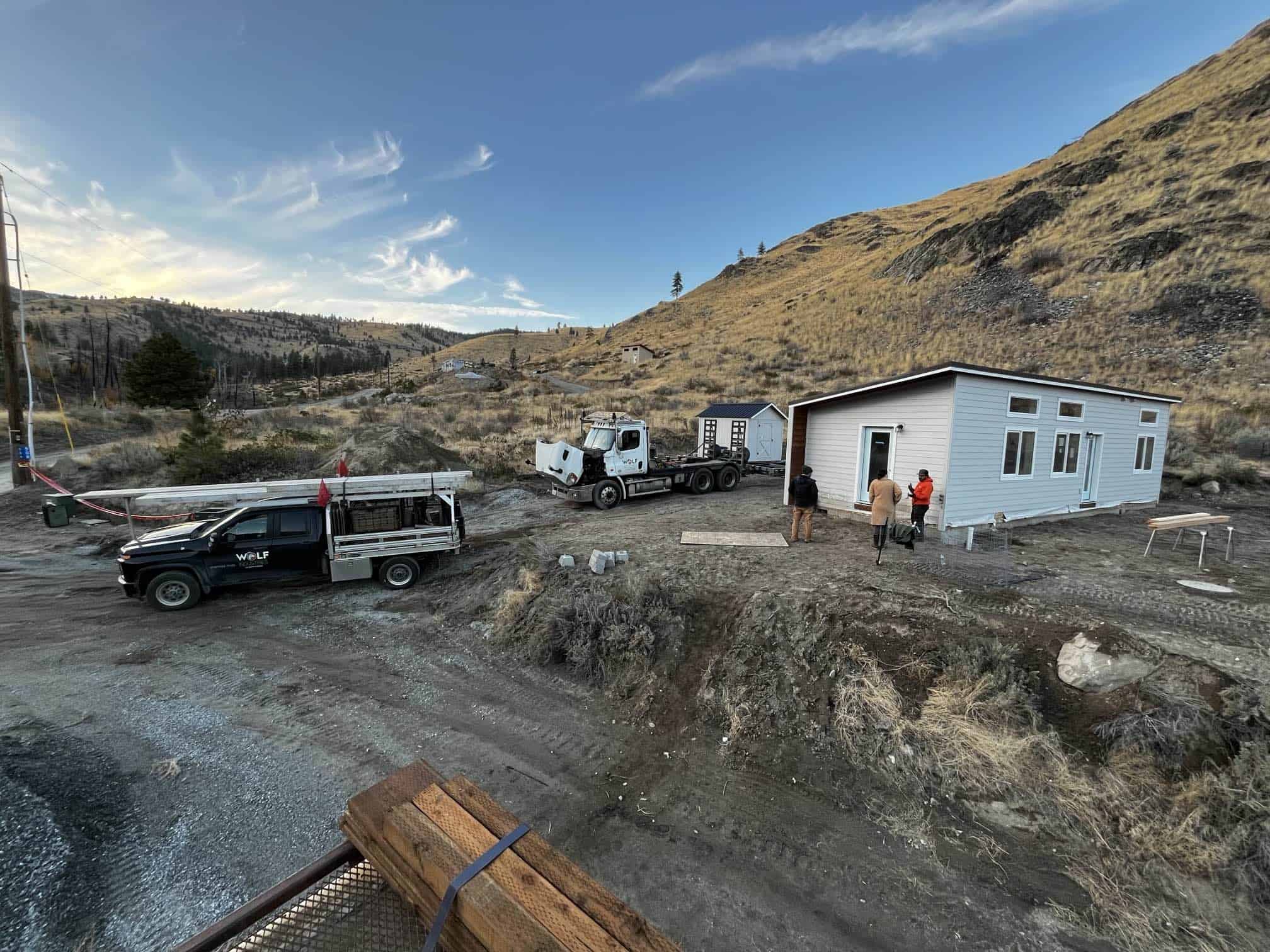
One of the most important distinctions in Washington ADU law is whether a property is inside an urban growth area or outside one.
Inside urban growth areas, Washington law has pushed cities and counties toward more flexible ADU rules. State guidance generally requires fully planning cities and counties to allow two ADUs on residential lots that allow single-family homes within urban growth areas, subject to limitations. These ADUs may be attached, detached, or created through conversion of existing structures.
Outside urban growth areas, rural detached ADUs can involve different standards. Chelan County’s own public notice has highlighted new rural detached ADU rules associated with state legislation, including standards around lot size, metering, unit size, shared driveway use, siting distance from the principal dwelling, and density.
For property owners, this means the first question is not simply “Can I build an ADU?” The better first question is:
Where is my property located, and which rules apply to this exact parcel?
That is exactly the kind of question Wolf’s Free Property Evaluation is designed to help answer.
Common Chelan County ADU Requirements to Watch For
Every property is different, but most Chelan County ADU projects should expect some version of the following review items.
Zoning
Your zoning district determines whether an ADU is allowed and which development standards apply. Zoning may affect setbacks, height, lot coverage, access, density, and allowed use.
Lot Size
Some ADU rules depend on minimum lot size, especially for rural detached ADUs or nonconforming lots. A parcel that looks large enough in person may still face restrictions depending on zoning, legal lot status, access, critical areas, or utility limitations.
Setbacks and Placement
Detached ADUs must usually meet setback requirements. They may also need to maintain required separation from the primary home and other structures under fire and building codes.
Water and Sewer or Septic
Utility availability is often one of the biggest project factors. Some properties may connect to public sewer or water. Others may need septic review, drainfield capacity verification, well review, or health district approval.
Driveway and Access
Rural detached ADUs may be required to use the same driveway as the primary dwelling. Fire access, emergency vehicle access, slope, road standards, and driveway layout may also influence feasibility.
Building Code
An ADU is a dwelling unit, not a shed or casual outbuilding. It must meet applicable residential building code, energy code, life-safety, foundation, utility, and inspection requirements.
Energy Code
Washington’s energy code requirements can affect insulation, windows, HVAC systems, air sealing, ventilation, water heating, and overall building design. Modular construction can be a major advantage here because much of the home is built in a controlled factory environment with repeatable quality control.
Short-Term Rental Rules
ADU use as a short-term rental may be restricted or subject to separate permitting. In the City of Chelan, ADUs may be used for long-term rental purposes but not short-term rentals under the updated ordinance. Chelan County also has separate short-term rental regulations, so property owners should verify the rules before assuming an ADU can be used as a vacation rental.
What About Existing Unpermitted ADUs?
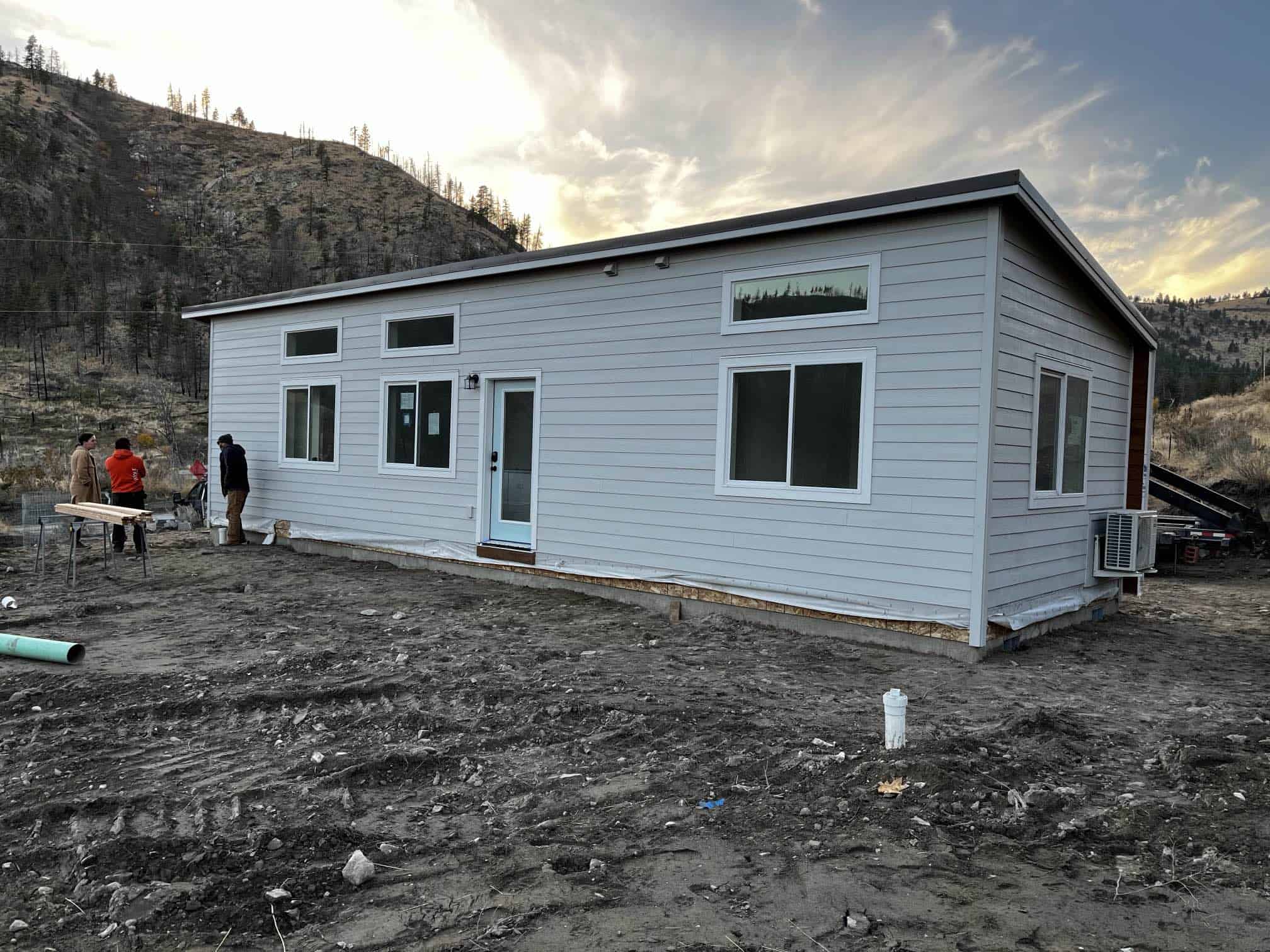
If you already have an unpermitted detached ADU in Chelan County, especially outside an urban growth area, do not ignore it. Chelan County has specifically encouraged property owners to contact Community Development to discuss options for compliance.
Unpermitted ADUs can create problems when selling, refinancing, renting, insuring, or improving a property. They may also face penalties, after-the-fact permit fees, or removal requirements if they cannot be brought up to current standards.
The safest path is to get informed early. If you are not sure whether a structure on your property qualifies as an ADU, whether it was legally permitted, or whether it can be brought into compliance, start by gathering your parcel information and speaking with the appropriate jurisdiction.
Why Modular Construction Makes Sense for Chelan County ADUs
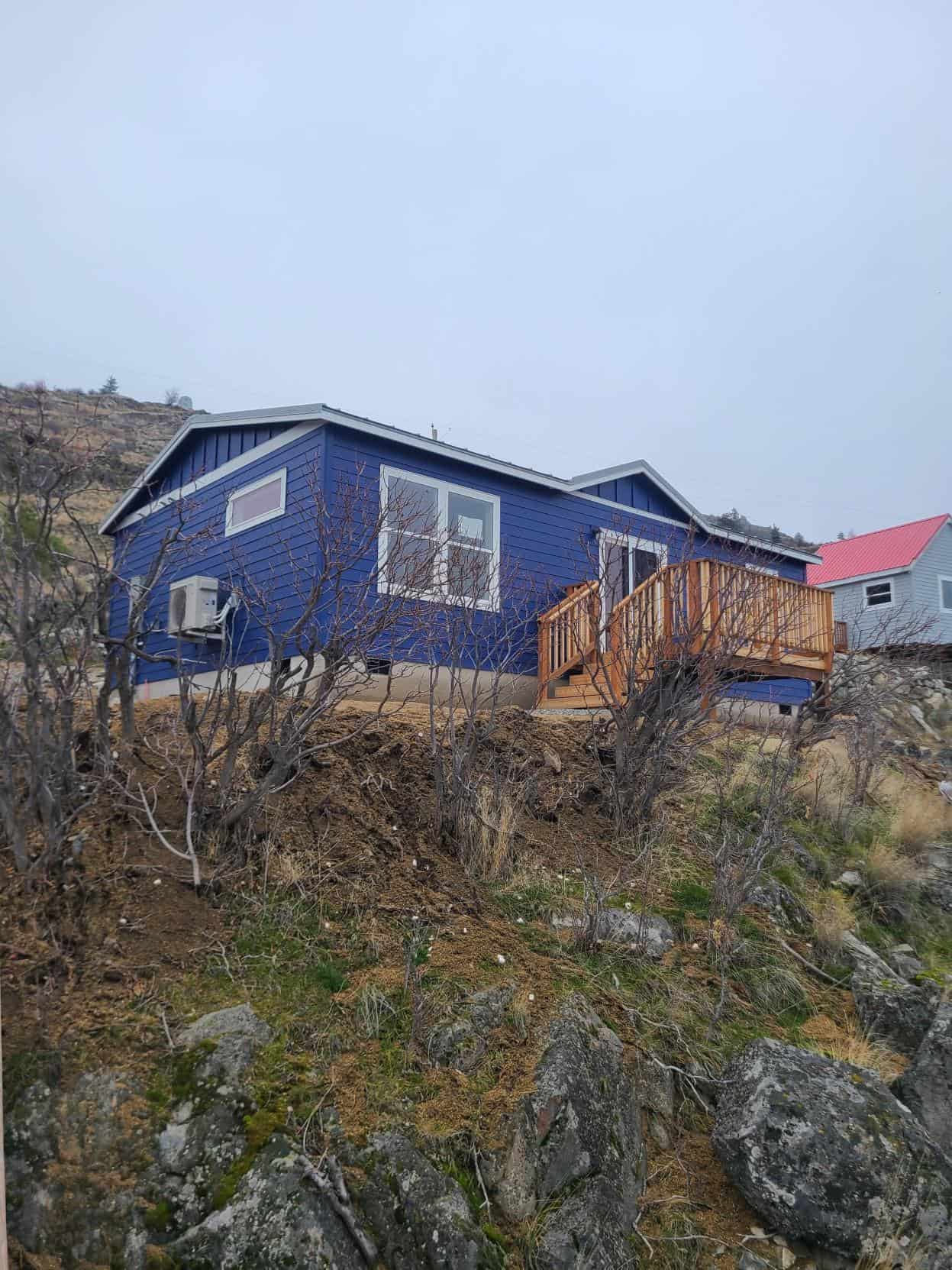
Chelan County properties can come with real building challenges. Sloped lots, rural access, weather, snow loads, utility limitations, lake-area constraints, and long permit timelines can all make a traditional stick-built project feel overwhelming.
Modular construction can help reduce many of those headaches.
Wolf builds homes in a controlled factory setting, which helps improve quality, reduce weather exposure during construction, and streamline the overall building process. While the site is being prepared, the home can be built in the factory. Once the unit is ready and site work is complete, the home is delivered and set in place.
For ADUs, that can mean:
- More predictable construction quality
- Less disruption on your property
- Reduced exposure to weather delays
- A more efficient build timeline
- Repeatable floor plans and proven designs
- A turn-key process from early evaluation through final occupancy
Chelan County property owners often want a clear answer: “What can I build, how long will it take, and what will it cost?” Modular construction helps make those answers easier to define early in the process.
Wolf’s Experience With ADUs in Chelan County
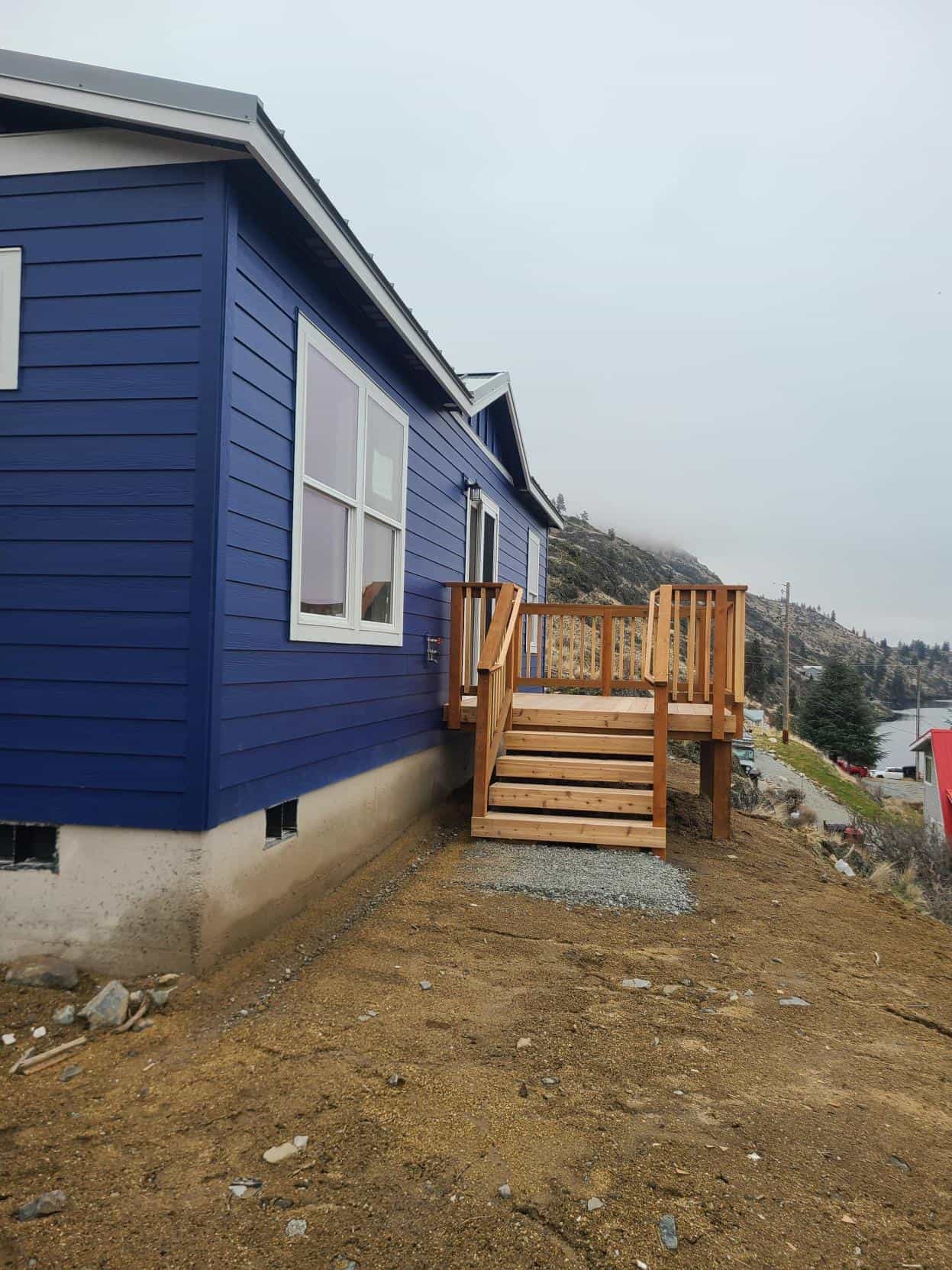
Wolf Industries has built over 600 ADUs and modular homes throughout the Pacific Northwest, including many in Chelan County. That experience matters because ADU projects are rarely just about the home itself.
A successful ADU project requires understanding the property, jurisdiction, permitting path, utilities, access, foundation, delivery logistics, inspections, and final occupancy requirements. Wolf’s process is designed to help property owners move through those steps with a clearer plan and fewer surprises.
Instead of leaving homeowners to figure out zoning, permitting, site work, delivery, and setup on their own, Wolf provides a turn-key approach. That means helping with the process from the early feasibility stage through delivery, setup, and handing over the keys after final occupancy is granted.
The Best First Step: Start With a Free Property Evaluation
If you are researching ADU Rules and Regulations Chelan County, you are probably trying to answer one of these questions:
- Can I build an ADU on my property?
- How large can my ADU be?
- Can I build a detached ADU?
- Can I use it for family or long-term rental housing?
- What permits will I need?
- How much will the full project cost?
- Will septic, water, access, or zoning stop the project?
The best way to answer those questions is with a property-specific review.
Wolf’s Free Property Evaluation is designed to help you understand what may be possible on your land before you spend time and money heading down the wrong path. Wolf can help review your property, identify potential feasibility issues, and explain which modular home or ADU options may be a fit.
Final Thoughts on ADU Rules and Regulations in Chelan County
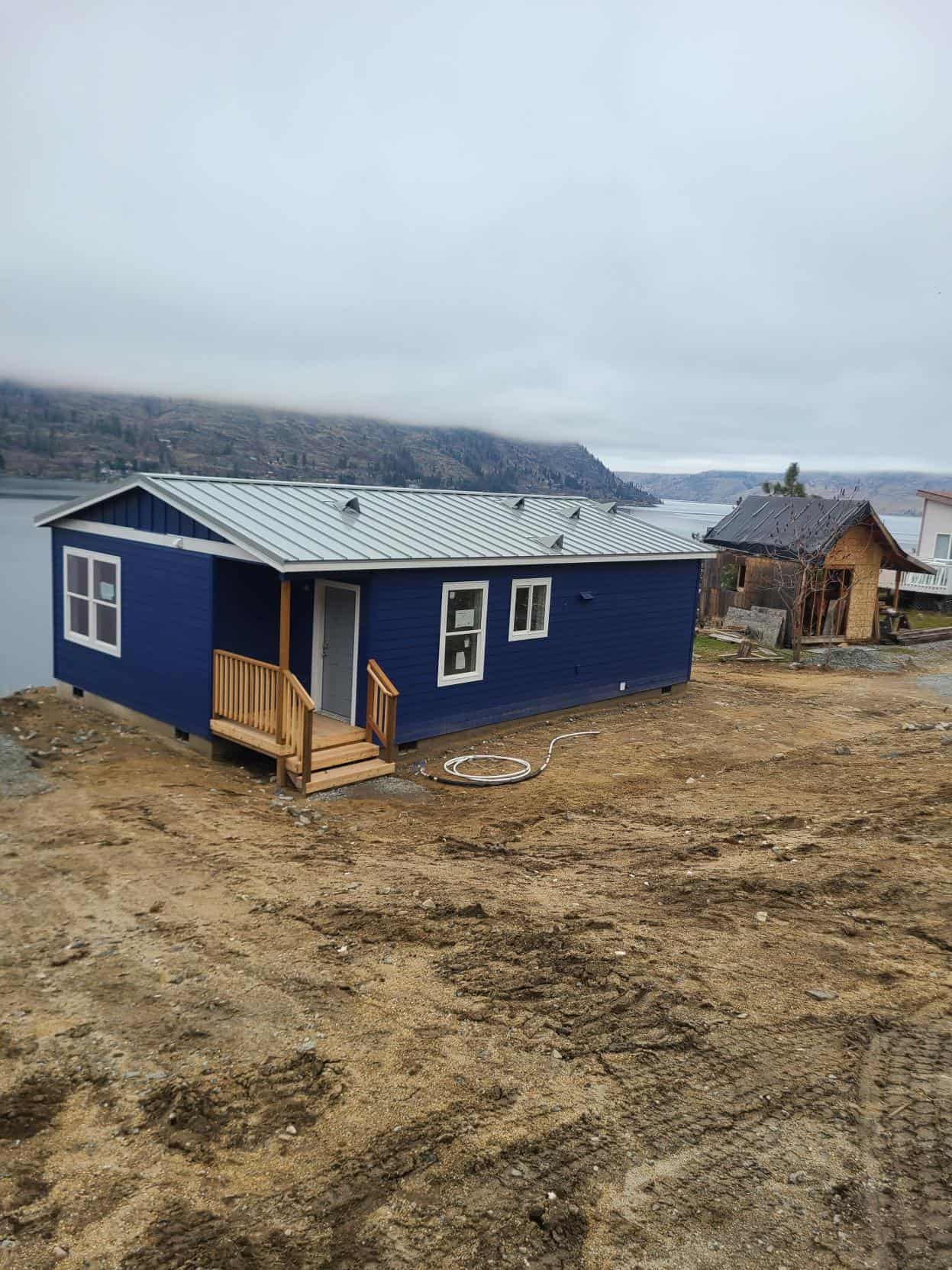
ADUs can be a powerful solution for Chelan County homeowners who need more space, more flexibility, or more long-term housing options. But the rules are not one-size-fits-all.
Your ADU options may depend on whether your property is inside a city, in unincorporated Chelan County, inside an urban growth area, or in a rural area. They may also depend on zoning, lot size, utilities, access, existing structures, and the intended use of the unit.
Before you guess, get your property reviewed.
Wolf Industries has built over 600 ADUs and modular homes across the Pacific Northwest, including many in Chelan County, and can help you understand what is possible on your property. Start with Wolf’s Free Property Evaluation and take the first step toward a clearer, more confident ADU plan.
Sources
Chelan County: New Rules Coming Our Way for Accessory Dwelling Units in Rural Areas
https://www.co.chelan.wa.us/news/article/new-rules-coming-our-way-for-accessory-dwelling-units-in-rural-areas
Chelan County Community Development: Building Division
https://www.co.chelan.wa.us/community-development/pages/building
MRSC: Accessory Dwelling Units in Washington State
https://mrsc.org/explore-topics/housing-homelessness/housing/accessory-dwelling-units
Washington State Department of Commerce: Accessory Dwelling Units
https://www.commerce.wa.gov/growth-management/housing-planning/adus/
City of Chelan Ordinance No. 2025-1646, Accessory Dwelling Units and Co-Living Housing Units
https://mcclibraryfunctions-stage.azurewebsites.us/api/ordinanceDownload/17151/1387111/pdf