
Adding an ADU on your property in Multnomah County has never been more popular. Homeowners are looking for flexible living space, long term rental income, or a comfortable place for family while staying close to home. With interest rising throughout the Portland metro area, Multnomah County has clear rules that guide where ADUs can be built, how large they can be, and what the permitting and sitework process looks like. At Wolf Industries, we help homeowners navigate these rules every day so their project moves forward with clarity and confidence.
What Counts as an ADU in Multnomah County
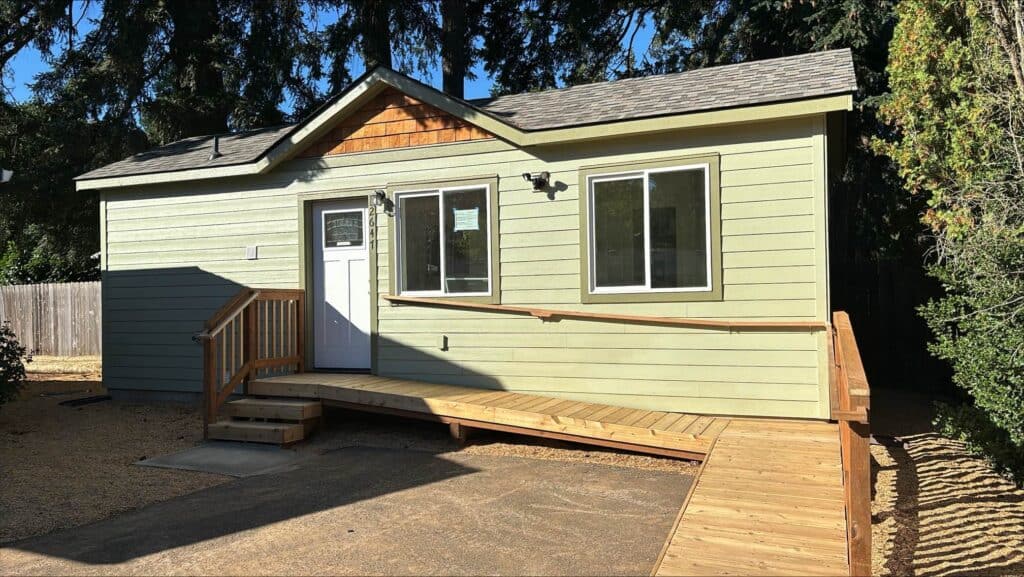
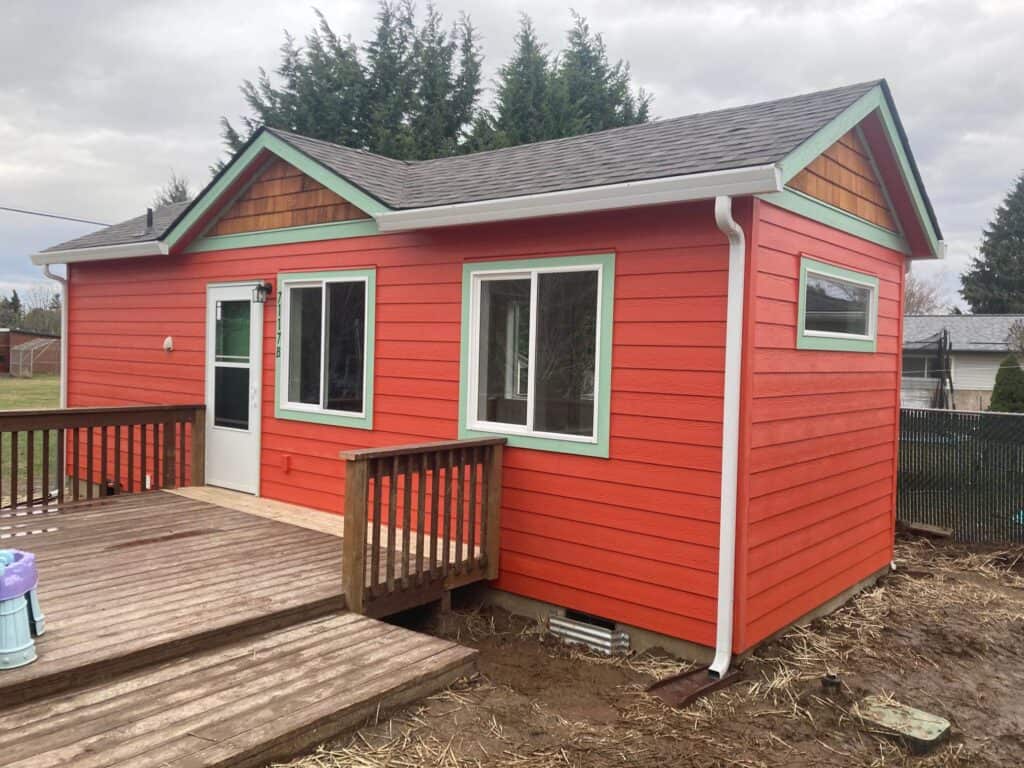
An Accessory Dwelling Unit in Multnomah County is a smaller, self-contained home that sits on the same property as a primary residence. It must provide its own living, sleeping, cooking, and sanitation space. This can take the form of an attached addition, a garage or basement conversion, or a fully detached backyard cottage. More homeowners are choosing ADUs for family needs, aging in place solutions, and rental income. Wolf’s modular approach keeps the process predictable and helps homeowners meet county requirements without surprises.
Where ADUs Are Allowed
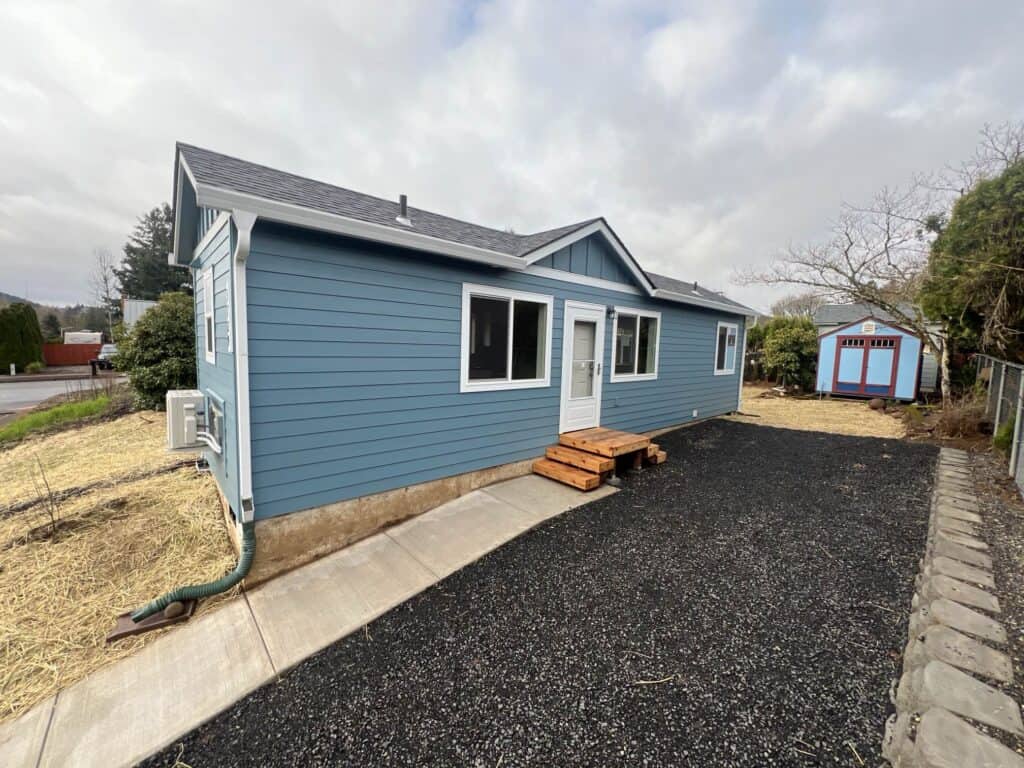
Most residential zones in Multnomah County allow ADUs. There are also rural and agricultural zones that permit ADUs under specific conditions. For example, properties in the Multiple Use Agriculture S 1 zone can include an ADU but must follow stricter land use rules. Not every parcel qualifies automatically, which is why Wolf always begins with a free property evaluation to confirm zoning, access, and feasibility. This early step prevents homeowners from designing or planning an ADU that cannot be approved due to local restrictions.
Size and Floor Area Requirements
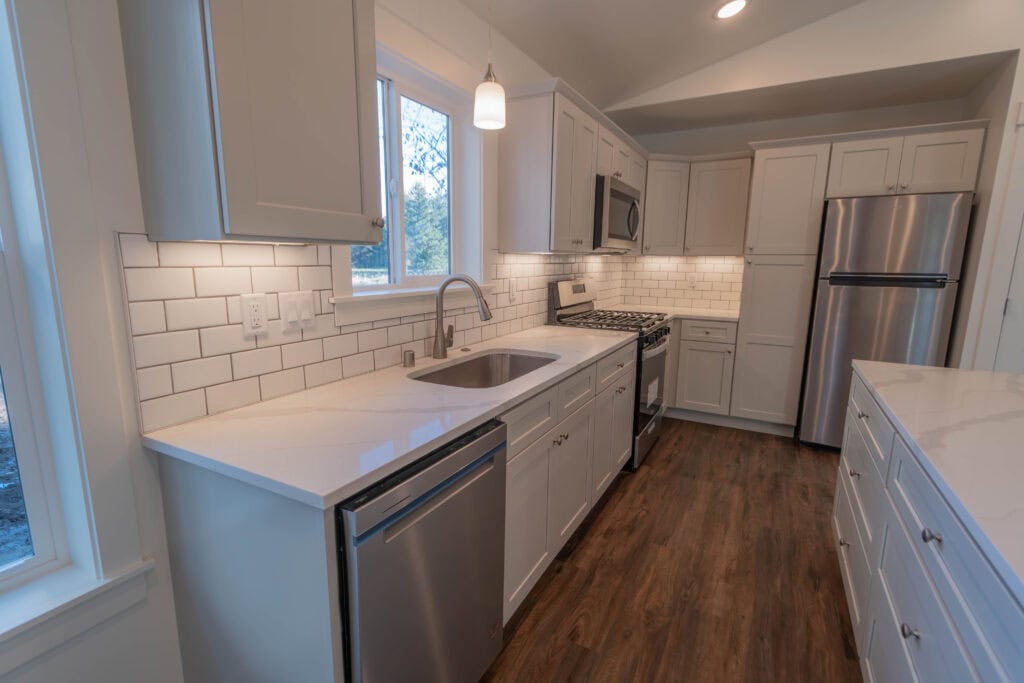
Multnomah County regulates the size of ADUs based on whether they are attached or detached. The county measures floor area based on habitable space and includes all conditioned areas in the total square footage. Detached ADUs must fit within the county’s maximum size, while attached units are limited by their relationship to the existing home. In general, the size of an ADU is limited to either “800 square feet, or 75% of the floor area of the single-family dwelling to which the ADU is accessory, whichever is less” according to the Multnomah County Zoning Code.
In agricultural zones like S 1, the ADU cannot exceed thirty percent of the floor area of the primary residence. This protects rural land resources and ensures the ADU remains secondary.
Wolf homes are engineered with these limits in mind. Our most popular ADU models fall well within Multnomah County’s allowable square footage, which helps speed up the review and approval process.
Height, Setbacks, and Placement Rules
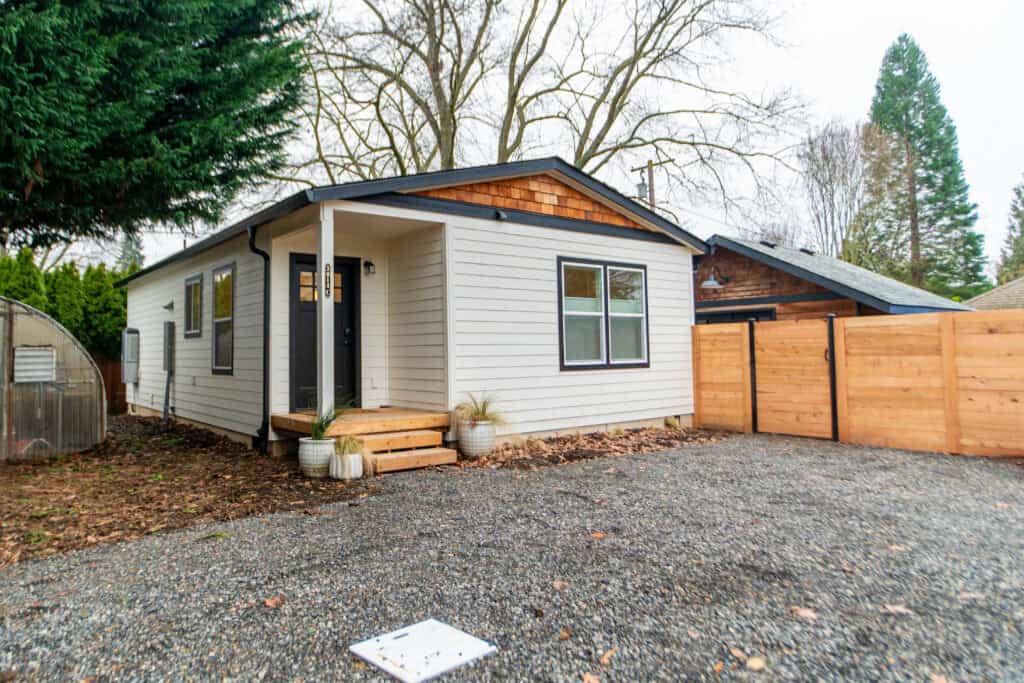
The county also sets requirements for height, setbacks, and ADU location on the property. These rules determine how tall the structure can be and how close it may sit to property lines or other buildings. Most ADUs must sit behind or beside the main home, and some properties with slopes or unique conditions require additional review. In general, a detached ADU must be “located at least 7 feet and no more than 20 feet from the single-family dwelling” and follow other setback rules as well. For property located in agricultural zones, rules apply including restrictions for where an ADU can be built in proximity to other agricultural buildings on site. Wolf’s team verifies these site constraints early so homeowners have a clear understanding before any design or construction steps begin.
Utility and Infrastructure Requirements

Every ADU must meet county standards for sewer or septic, water, electrical service, and stormwater management. Homes on septic systems may need system evaluations. Driveway access, fire department clearance, and overall site layout can also influence approval.
Wolf handles these details as part of our turn key approach. From utility planning to driveway access and final hookup, our team makes sure every ADU meets Multnomah County requirements and is ready for long term use.
Owner Occupancy and Use Limitations
Multnomah County provides guidance on how ADUs can be used, including long term rental rules and short-term rental considerations. Some zones may include owner occupancy rules, while others do not. Homeowners who intend to rent their ADU should confirm what is allowed for their specific parcel.
Wolf helps homeowners understand these limitations so their long-term plans align with county rules.
Permitting Requirements in Multnomah County

Most ADU projects require a full building permit, and some may require a land use review depending on zoning and property characteristics. The county requires site plans, construction drawings, utility details, and other documentation.
Wolf’s in house permitting team works directly with jurisdictions throughout Oregon and Washington, including extensive work with Multnomah County. We submit drawings, track review timelines, and coordinate corrections. This keeps homeowners from having to manage complex paperwork and helps prevent avoidable delays.
Special Rules for ADUs in the Multiple Use Agriculture S 1 Zone

Homeowners in the S 1 zone must follow additional requirements. ADUs in this zone are capped at thirty percent of the floor area of the primary dwelling and often require more extensive review. These rules are intended to preserve agricultural land and limit intensive development.
Wolf’s permitting and planning team has experience working in rural zones and can guide homeowners through the additional steps required.
Common Mistakes Homeowners Make
Many ADU projects slow down or stall because of issues that could have been prevented. Common problems include:
Working with an experienced ADU builder helps avoid these costly setbacks. Wolf’s process is designed to catch issues early and keep projects moving.
Conclusion
Understanding Multnomah County ADU rules and regulations is an important first step for any homeowner considering an ADU. With zoning limits, size requirements, utility rules, and permitting details, the process can feel overwhelming. Wolf Industries simplifies every part of the journey with true turn-key support, in house permitting, and factory-built quality that meets or exceeds county standards.
If you are ready to find out what is possible on your property, start with our free property evaluation. Our team will review your parcel, check zoning, and provide clear next steps so you can move forward with confidence.