
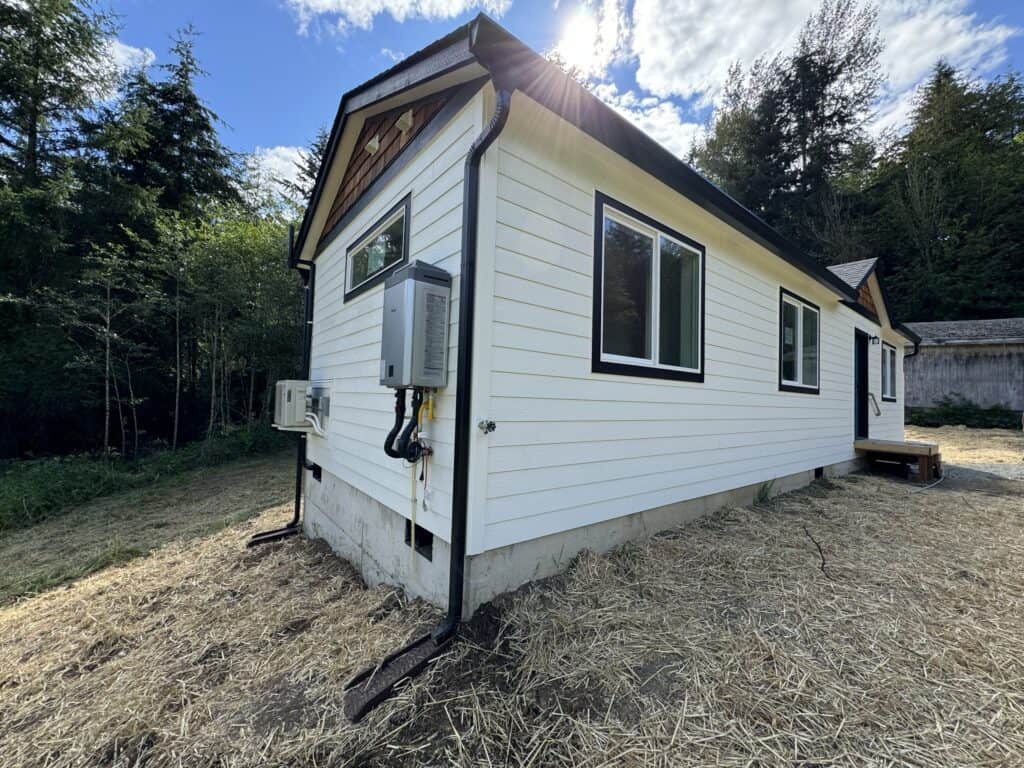
Accessory Dwelling Units (ADUs) are one of the most effective ways homeowners increase property value, add rental income, or create space for family members. If you are researching Thurston County ADU rules and regulations, this guide outlines what is allowed, how the permitting process works, and why working with a local builder who understands county requirements matters.
Wolf has built several ADUs in Thurston County and is highly familiar with local zoning, permitting, and inspection processes. That local experience can make a significant difference in how smoothly your project moves forward.
If you want clarity specific to your property, the fastest first step is a free property evaluation with Wolf.
What Is Allowed in Thurston County
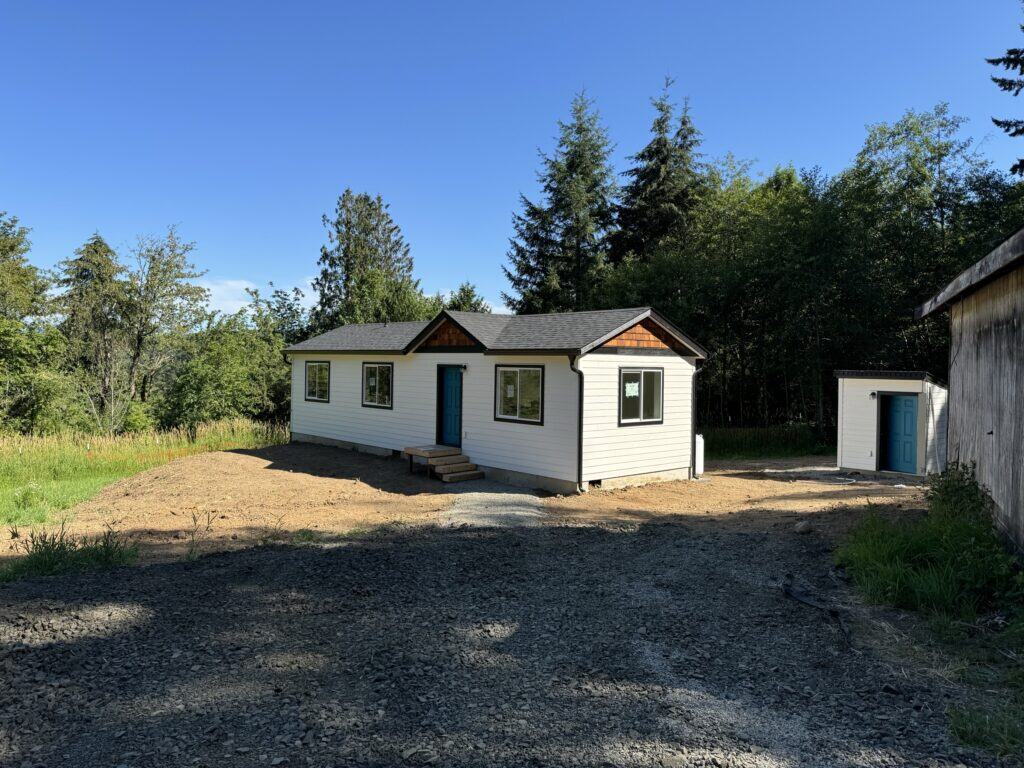
Thurston County allows ADUs on parcels with an existing single-family home in many zoning districts, including both rural areas and Urban Growth Areas near Olympia, Lacey, Tumwater, and Grand Mound. An ADU can be built in one of three ways:
- An attached addition to the primary home
- A conversion of existing space such as a garage or basement
- A detached structure located on the same lot
Only one ADU is allowed per parcel, and it must remain accessory to the primary residence. ADUs are not permitted on properties that already contain certain accessory residential structures counted as dwelling units, such as previously approved family member units.
Every ADU must function as a complete dwelling and include a kitchen, bathroom, and sleeping area.
ADU Size Limits and Design Rules
Thurston County sets clear size limits depending on the ADU type:
- Attached ADUs are limited to 50 percent of the gross floor area of the primary home.
- Detached ADUs are limited to 1,500 square feet or 40 percent of the size of the primary home, whichever is smaller.
If the ADU is created by converting existing space within the home or garage, the county does not impose an additional size cap beyond the existing structure.
These size standards are important when determining which ADU design will work best for your property and zoning designation.
Permitting Requirements You Should Expect
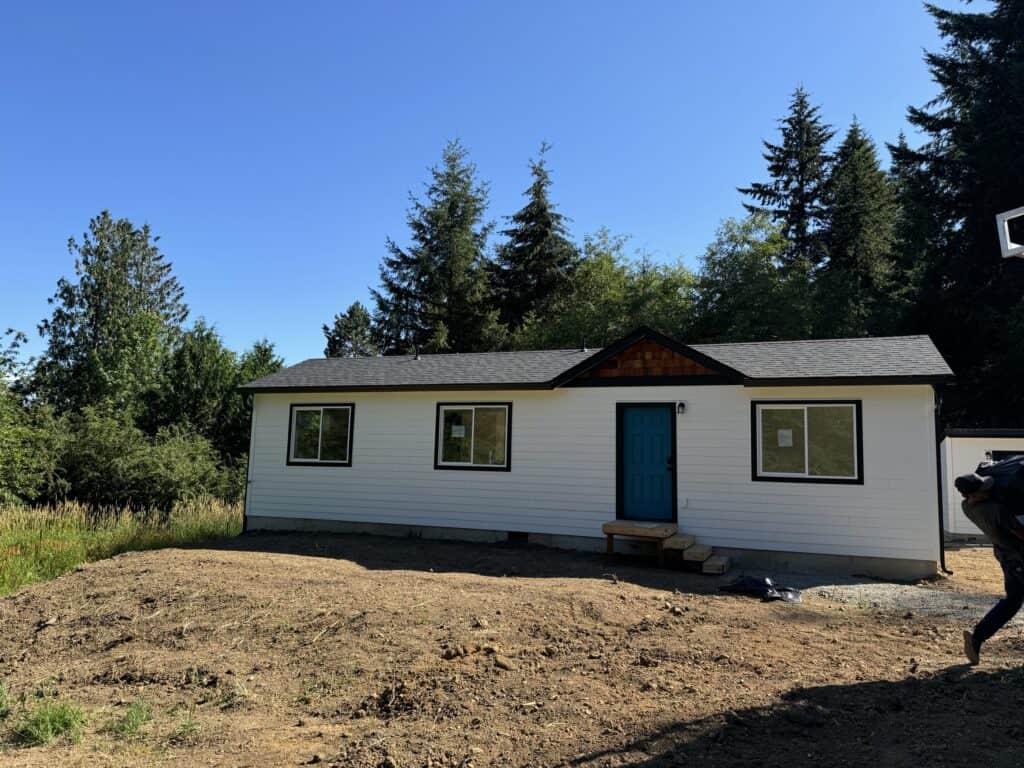
All ADUs in Thurston County require a Residential Building Permit. Depending on the property, additional approvals may also be required.
- A Critical Areas Determination may be needed to identify wetlands, slopes, or other environmental constraints that affect where the ADU can be placed.
- Properties served by septic systems must demonstrate that the system can accommodate the additional dwelling or be upgraded if necessary.
- ADUs must connect to an approved drinking water source and meet county health requirements.
- Impact fees may apply for parks and transportation, though state regulations limit school impact fees for ADUs.
Submitting a complete and accurate permit application from the start helps avoid delays, plan review comments, and costly revisions later.
Why Working With a Local ADU Builder Matters
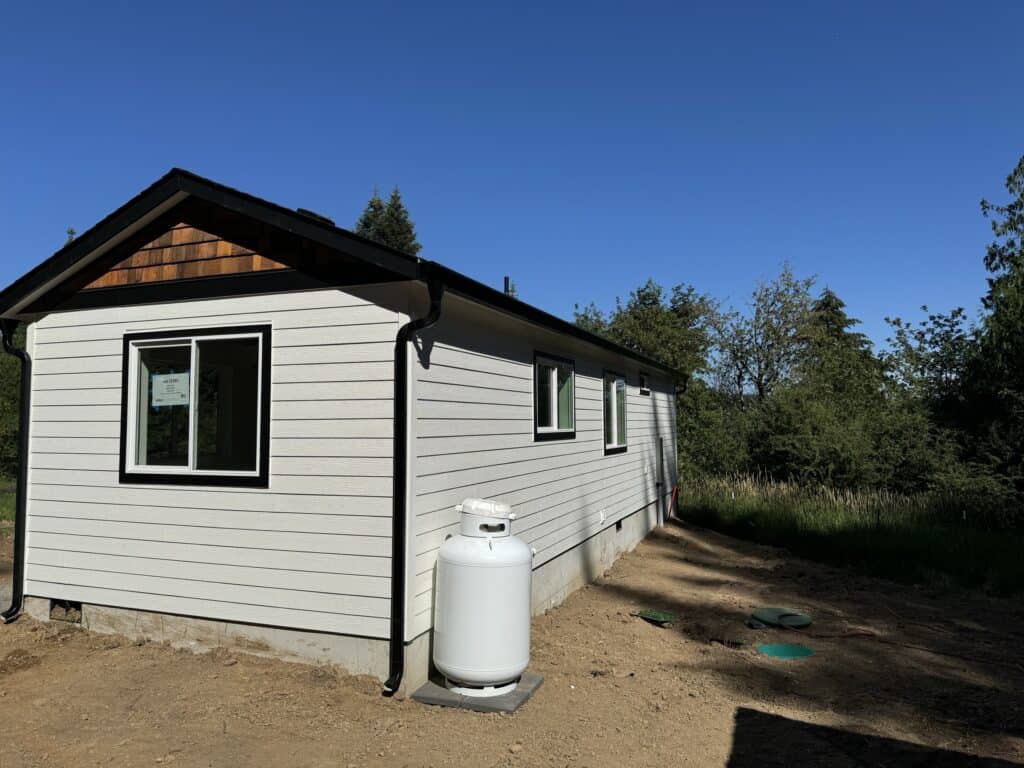
While Thurston County encourages ADU development, the permitting process can vary widely depending on zoning, utilities, critical areas, and whether the property is rural or within an Urban Growth Area.
Wolf has completed multiple ADU projects throughout Thurston County and understands how local reviewers interpret the regulations. That experience allows us to identify issues early, design within county standards, and guide homeowners through the permitting process with fewer surprises.
Start With a Free Property Evaluation
If you are considering building an ADU and want clarity on what is allowed for your specific property, the best first step is a free property evaluation.
Submit your property evaluation form today to receive a site-specific review based on Thurston County ADU rules, zoning, and utility considerations. Wolf’s local expertise helps ensure your project starts on solid footing.
Final Thoughts
Understanding Thurston County ADU rules and regulations is essential before moving forward with design or construction. Size limits, permitting requirements, and site conditions all play a role in what is possible.
With the right planning and a builder experienced in Thurston County permitting, an ADU can be a valuable long-term investment that adds flexibility and income to your property.
Ready to take the next step? Start with a free property evaluation and let Wolf help guide your ADU project from permit to completion.
Sources
Thurston County Community Planning and Economic Development
https://www.thurstoncountywa.gov/departments/community-planning-and-economic-development/permitting/adu-accessory-dwelling-unit-information
Thurston County ADU Frequently Asked Questions (PDF)
https://s3.us-west-2.amazonaws.com/thurstoncountywa.gov.if-us-west-2/s3fs-public/2023-01/cped-permit-docs-faq-adu.pdf
Municipal Research and Services Center ADU Guide
https://mrsc.org/getmedia/54c058a5-4d57-4192-a214-15f2fa5ac123/Accessory-Dwelling-Units.pdf