
If you are thinking about adding an accessory dwelling unit (ADU) in Pierce County WA, it is easy to assume the rules are basically the same everywhere. They are not. In Pierce County, the details that make or break an ADU plan usually come down to two things: where your property sits (Urban Growth Area (UGA) vs outside it), and what your zoning allows in the first place.
This guide walks through the key Pierce County ADU standards homeowners care about: how many ADUs you can have, size limits, setbacks, height rules, parking, and the specific paperwork steps that are required before you can occupy the ADU.
If you want clarity specific to your property, the fastest first step is a free property evaluation with Wolf.
First, confirm you are looking at the right rules
Pierce County zoning code applies to properties in unincorporated Pierce County. If your address is inside a city (Tacoma, Lakewood, Puyallup, Sumner, Gig Harbor, and others), that city’s code may apply instead.
If you are not sure, Pierce County’s “What Is Allowed in a Zone?” page is a good starting point because it points you to the County’s zoning resources and the Development Center info line.
The fastest way to check whether an ADU is allowed on your property
Before you spend time on floor plans, you want a clean “yes, this use is allowed here” answer.
Pierce County’s zoning guidance explains that allowable uses are organized by community plan area and then by urban and rural zones within the zoning code. It also notes you typically need the parcel number or site address to determine zoning, and it provides the County’s Permit Information Hotline and links to zoning lookup tools and forms.
In plain terms, you are trying to confirm two things:
- Your parcel’s zone, including whether it is inside the Urban Growth Area (UGA).
- That the underlying zone allows a detached single-family residential structure where that use is permitted, since Pierce County ADU allowances are tied to that baseline residential use.
What counts as an ADU in Pierce County
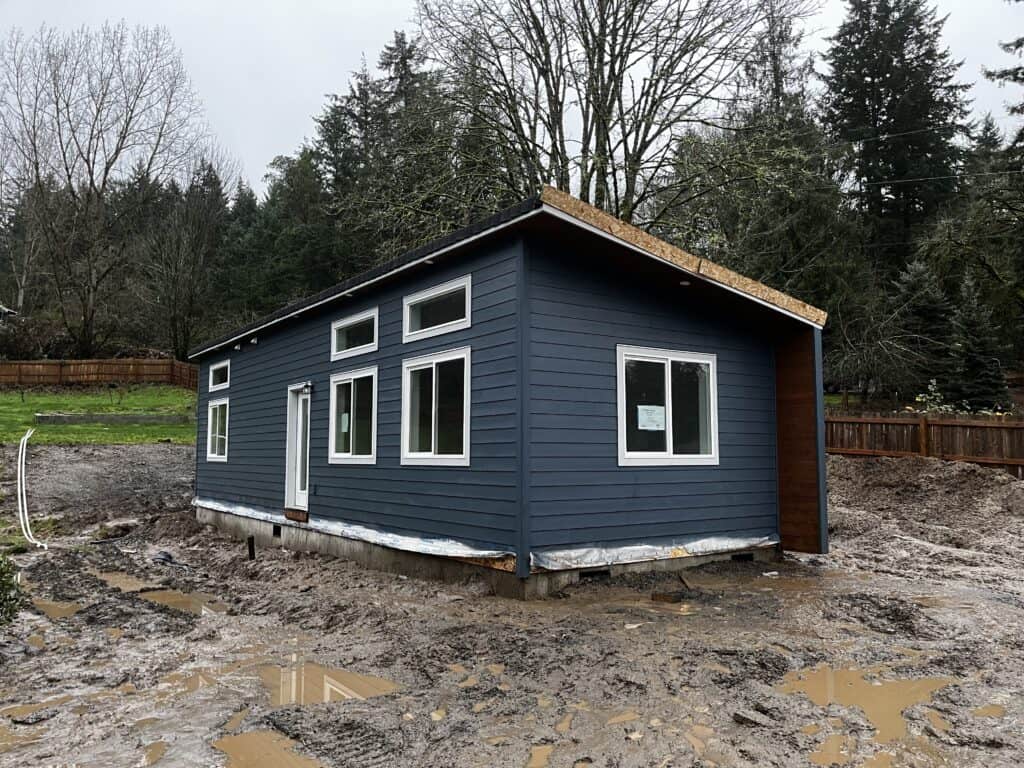
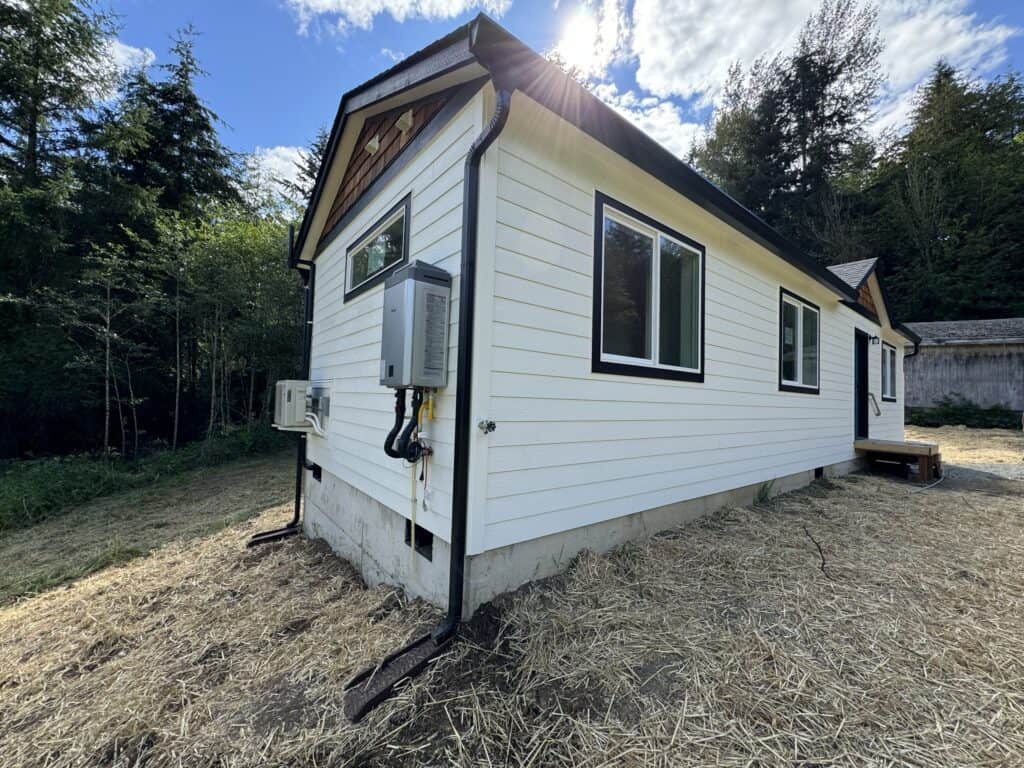
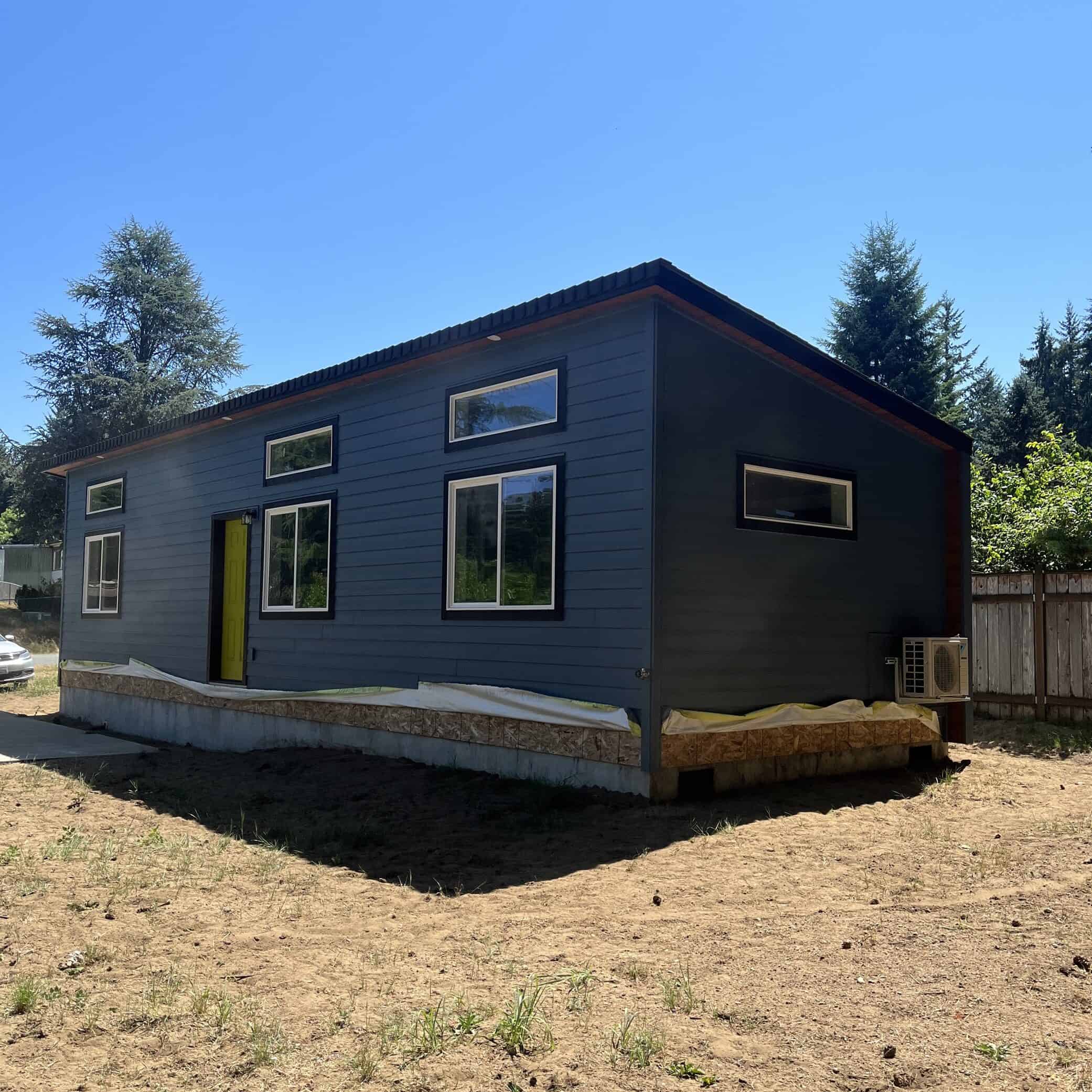
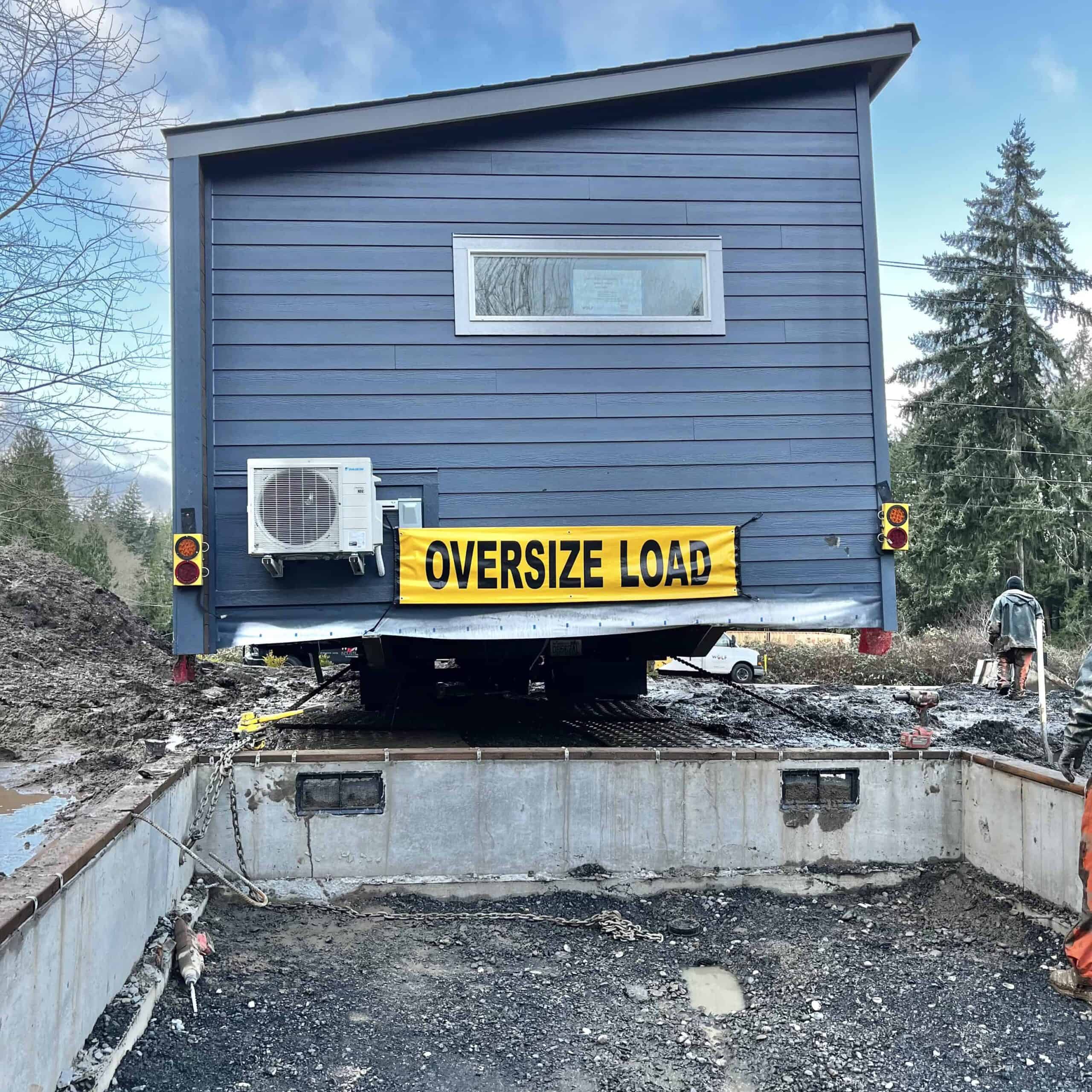
Pierce County describes an accessory dwelling unit as a second dwelling unit that is added to, created within, or detached from a single-family home and is designed as an independent or semi-independent unit with cooking, sanitation, and sleeping.
That definition matters because it separates an ADU from things like a finished bonus room, a guest suite without a kitchen, or an outbuilding that is not legally a dwelling.
How many ADUs are allowed in Pierce County
This is one of the most important rules for homeowners planning for long-term flexibility.
Pierce County’s current ADU section states that two ADUs may be allowed per lot of record within the Urban Growth Area (UGA), and one ADU outside of the UGA, in conjunction with a detached single-family residential structure in zones where that use is permitted. It also clarifies that ADUs are not included in density calculations.
If you are planning for multigenerational living, a rental strategy, or a future downsizing plan where you live in the ADU, this UGA distinction can change what is possible.
Owner occupancy is not required
Pierce County’s ADU rules have recently been updated to eliminate owner occupancy requirements. The owner of the property is not required to live in either the main or accessory dwelling unit on their property.
This is a big deal for people who want to build an ADU as a pure investment property, enabling property owners to use an ADU as both an investment on their own property and add ADUs to properties that may be existing long-term rentals.
Attached vs detached ADUs
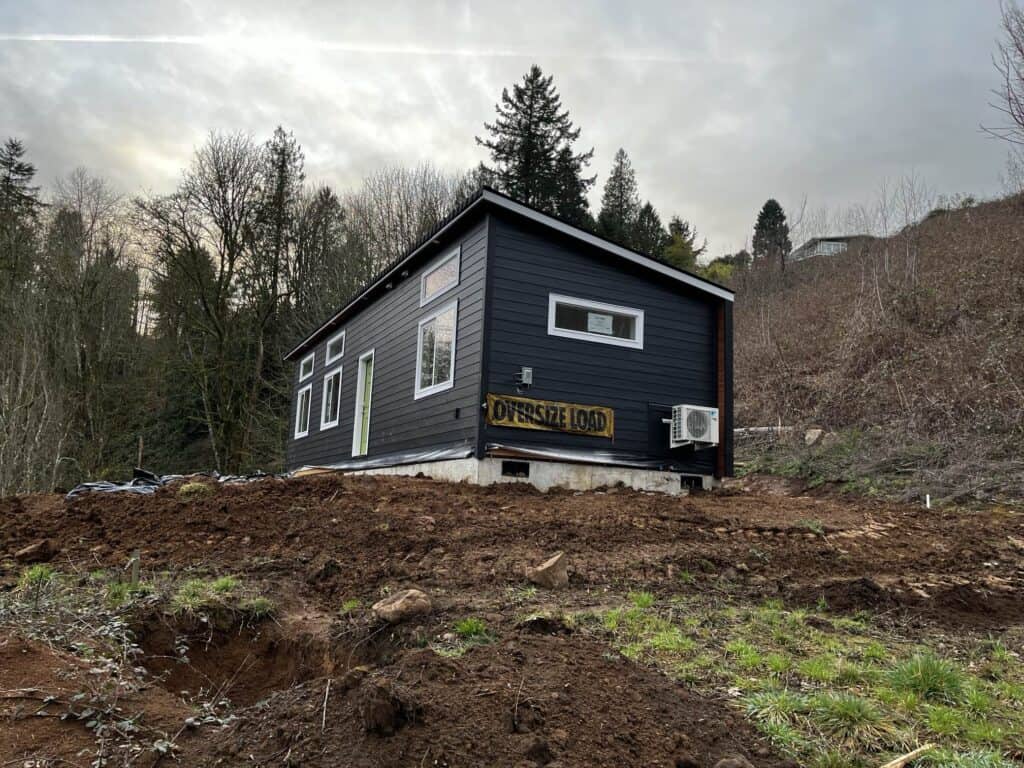
Pierce County allows ADUs to be attached to, or detached from, the principal structure.
For detached ADUs, the code also states the detached ADU may be any dwelling permitted in the applicable land use classification. Practically, this means your zoning and use tables still matter, even when the County generally supports ADUs.
Ready to take the next step? Start with a free property evaluation and let Wolf help guide your ADU project from permit to completion.
Pierce County ADU size limits
Pierce County sets different maximum sizes depending on whether the ADU is located inside the Urban Growth Area.
An ADU is limited to no greater than 1,000 square feet when located in an Urban Growth Area. Outside the UGA, the size may increase to 1,250 square feet.
How Pierce County calculates ADU square footage
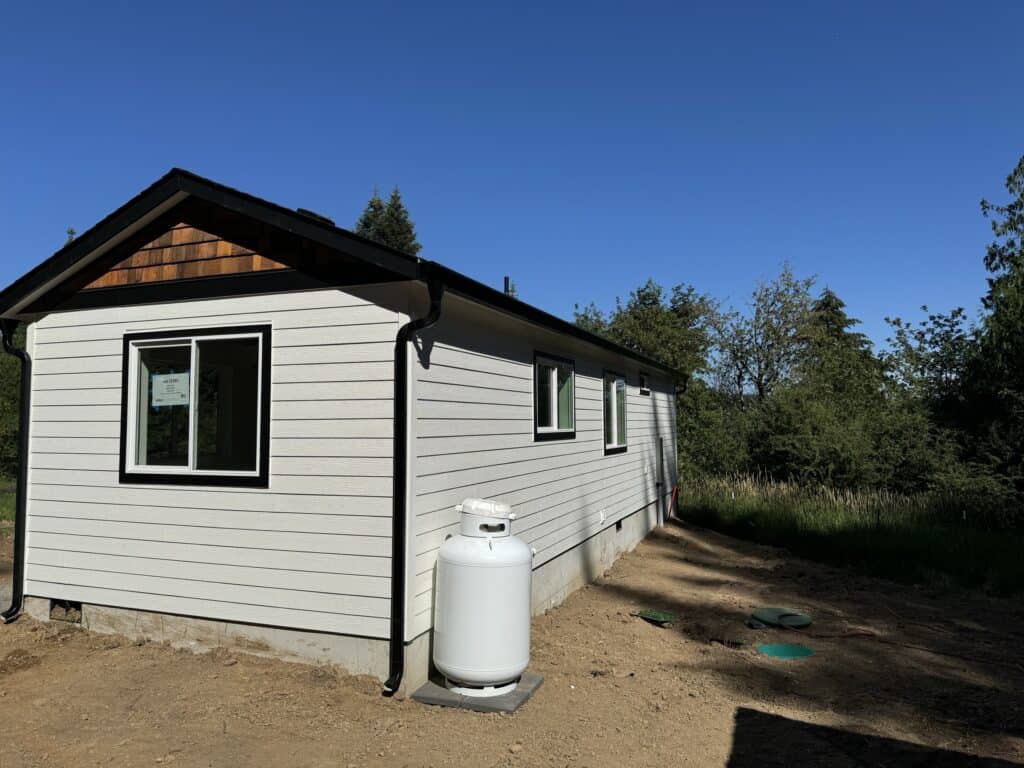
Pierce County is specific about what counts in the size calculation.
Square footage is calculated based on interior habitable area, including basements and attics, and it does not include a garage or accessory structure. The code also describes ceiling-height thresholds for what areas count, including areas with ceiling height of 7 feet or more, bathroom and basement areas at 6 feet 8 inches or more, and areas with sloped ceilings where at least 50 percent of the area has a ceiling height of 5 feet or more.
This is why two ADUs with the same “total footprint” can end up with different code-compliant square footage on paper.
Setbacks, placement, and siting rules you need to know
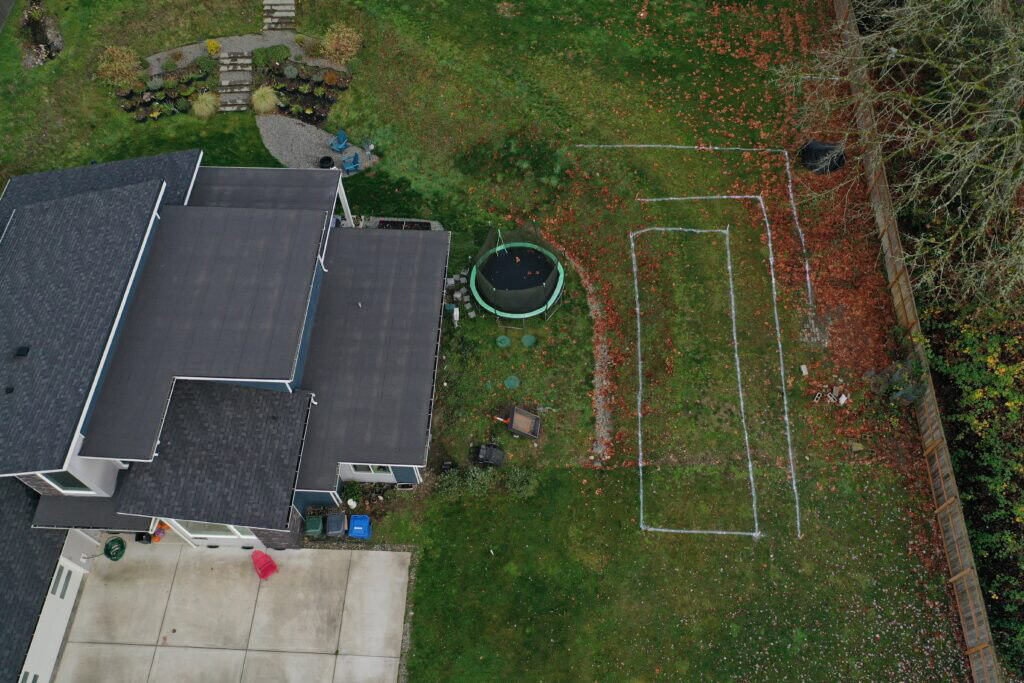
Setbacks are where many ADU plans get expensive fast, because a small siting issue can trigger redesigns, surveys, or a different construction approach.
General setback rule for new detached ADUs and conversions
Pierce County states that new construction of a detached ADU, or conversion of an existing detached structure to an ADU, is not permitted within required front, side, or rear yard setbacks. There is an exception that may allow a rear-yard setback exception if the rear yard abuts an alley.
Extra flexibility inside the Urban Growth Area (UGA)
Inside the UGA, Pierce County includes more flexible options.
Conversion of an existing detached structure to an ADU is permitted within the side or rear yard setback when the structure is located within the UGA.
The code also notes that within the UGA, side/interior and rear yard setbacks may be reduced to 5 feet, and rear yard setbacks may be reduced to 2 feet when the ADUs abut an alley. It also adds a corner-lot note: the front yard setbacks of the principal structure apply for purposes of siting ADUs on corner lots.
Front-yard placement and entrance orientation
Pierce County includes design standards that affect how an ADU “faces” the street and front yard.
For attached ADUs, the entrance is not to be directed toward any front yard unless using an existing doorway.
For detached ADUs, the code states the detached ADU must be no closer to the front lot line than the closest point of the front edge of the principal dwelling, unless the ADU is created by converting a pre-existing structure. The provision also notes a shoreline-related exception for waterfront lots regulated under the County’s shoreline rules.
Height rules for detached ADUs
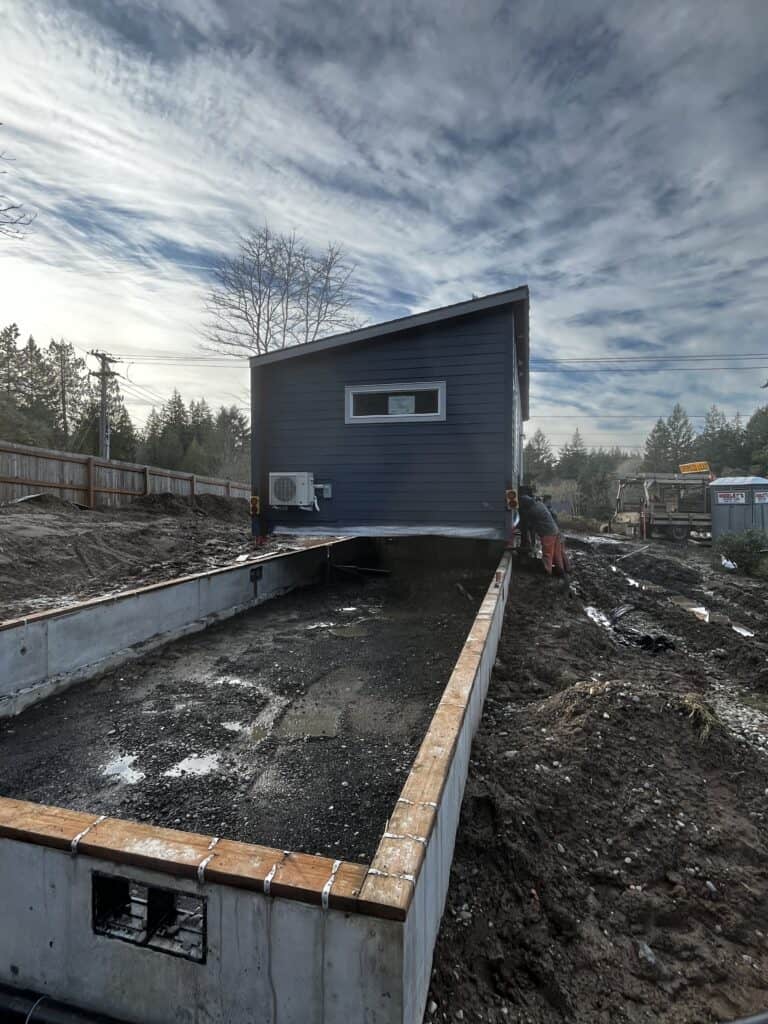
Height can be a surprise constraint, especially if you are planning storage, a loft, or an ADU above a garage.
Pierce County states that if an ADU is created by constructing a new detached structure, the building height of the ADU is not to be greater than the principal dwelling’s building height, except in specific circumstances. One stated exception is an ADU above a detached garage, which may exceed the principal dwelling’s building height by one story. The section also states that no ADU may be limited to a height of less than 24 feet unless the principal dwelling’s building height is limited to less than 24 feet.
Parking rules, including the transit exception
Parking is one of the most misunderstood parts of ADU compliance, because the rule changes based on proximity to transit.
Pierce County’s ADU section includes a general statement that one off-street parking space is required for the ADU in addition to the parking required for the principal dwelling, pursuant to the County’s off-street parking standards.
It also includes a major transit stop exception.
Properties within a half mile of a major transit stop (as defined in RCW 36.70A.681) do not require an additional off-street parking space for ADUs beyond what is required for the principal structure. Properties farther than a half mile must provide parking to each ADU pursuant to the County’s parking standards.
Finally, Pierce County states that street improvements are not to be made a condition of approval for ADU development.
Permitting and approval process in Pierce County
Once zoning and feasibility look good, Pierce County’s ADU section points homeowners to a building permit pathway.
Pierce County states the owner occupant applies for a Building Permit for an ADU, and that a complete application must demonstrate that size thresholds and design standards are met.
Common Pierce County ADU “gotchas” to verify early
UGA boundary confusion
Because Pierce County allows different ADU counts and different max sizes inside vs outside the UGA, you want to confirm your UGA status early.
Setback constraints on small lots
If your lot is tight, the setback and front-yard placement standards can steer you toward an attached ADU, a conversion strategy, or a different building footprint.
Parking assumptions
Many homeowners hear “ADUs do not require parking anymore.” In Pierce County, there is a major transit stop exception, but outside that radius, parking standards still apply.
Frequently asked questions about Pierce County ADU rules
Are ADUs allowed in my Pierce County zone?
Pierce County’s zoning guidance points you to zoning lookup resources and the Development Center for answers, and it explains that allowable uses are grouped by community plan and then by urban and rural zones within the zoning code.
How many ADUs can I build on one lot in Pierce County?
Pierce County’s ADU section states two ADUs may be allowed per lot within the Urban Growth Area, and one ADU outside the UGA, when the underlying detached single-family residential use is permitted.
What is the maximum ADU size in Pierce County?
Inside the Urban Growth Area, the maximum is 1,000 square feet. Outside the UGA, it may increase to 1,250 square feet.
Can I convert an existing detached garage or outbuilding into an ADU?
Pierce County generally restricts conversion of detached structures within required setbacks, but it also states that conversion of an existing detached structure to an ADU is permitted within side or rear yard setbacks when the structure is located within the UGA.
Do I need an extra off-street parking spot for my ADU?
Pierce County includes a transit-based exception. If your property is within a half mile of a major transit stop, an additional off-street parking space for the ADU is not required beyond what is required for the principal structure. If you are farther than a half mile, parking must be provided pursuant to the County’s parking standards.
What do I have to record before I can occupy the ADU?
Pierce County states that prior to occupancy, the owner occupant records a notice acknowledging the ADU with the Pierce County Auditor, and it lists the minimum required contents (legal description, restrictions and limitations, County-approved floor plan and site plan, and notarized signature).
How Wolf can help you make sense of Pierce County ADU feasibility
Pierce County’s rules are doable, but they reward people who verify the boring stuff early: zoning, UGA location, setbacks, parking triggers, and the paperwork that must be recorded before occupancy.
If you want to skip the guesswork, Wolf’s free property evaluation is the easiest next step. You get a practical feasibility look at your site and your goals, so you can move forward with confidence instead of designing an ADU that gets stuck in plan review.
When you are ready, send prospective addresses or parcels through Wolf’s free property evaluation, and we will help you map a clear, permit-minded path from idea to installed ADU.
Sources
Pierce County Code, PCC 18A.37.120 (Accessory Dwelling Units): https://pierce.county.codes/PCC/18A.37.120
Pierce County Planning & Public Works, “What Is Allowed in a Zone?”: https://www.piercecountywa.gov/971/What-Is-Allowed-in-a-Zone
RCW 36.70A.681 (Major transit stop definition referenced by Pierce County ADU parking provisions): https://app.leg.wa.gov/RCW/default.aspx?cite=36.70A.681