
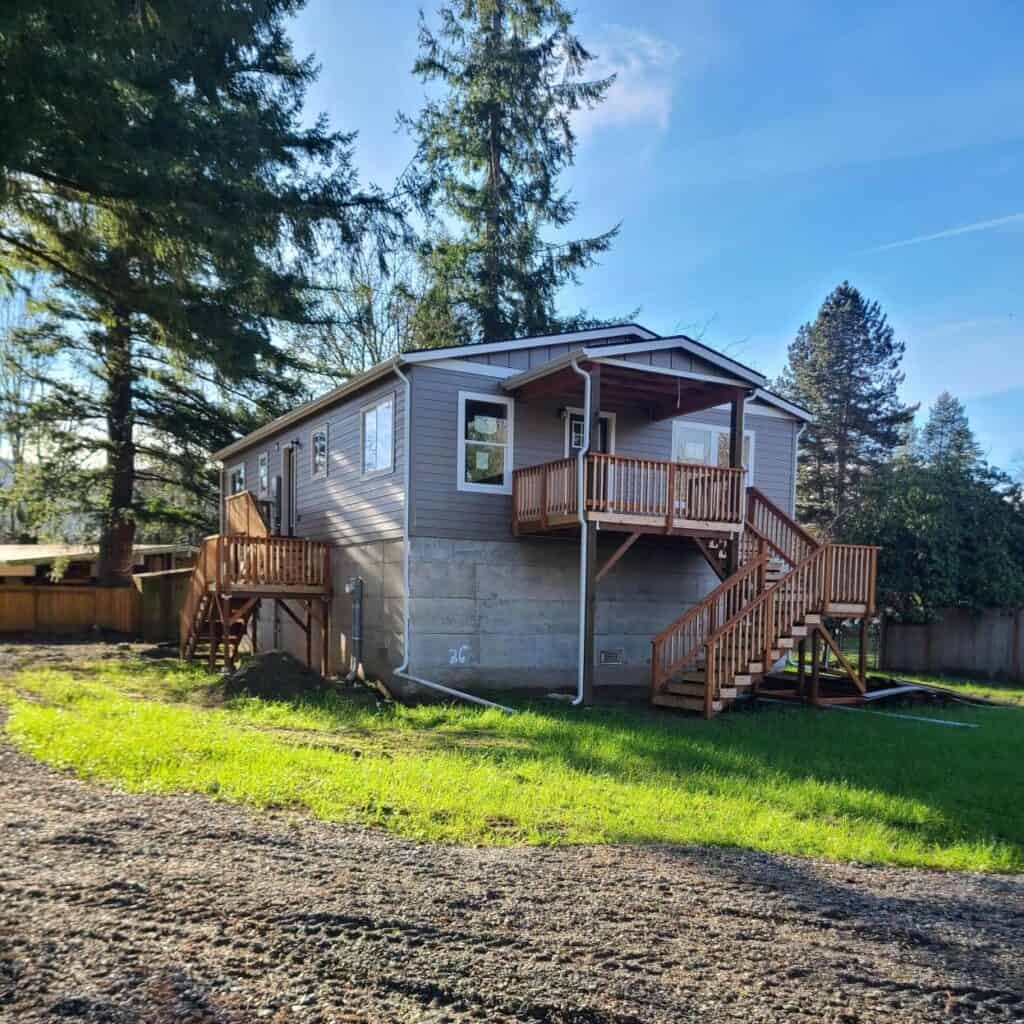
If you have ever Googled “ADU Rules and Regulations King County WA” and immediately felt buried by acronyms, zoning tables, and permit pathways, you are not alone. Accessory Dwelling Units (ADUs) can be one of the smartest ways to add flexible living space or rental income on a property, but King County’s requirements can feel like a moving target if you do not work with the right team.
Wolf has built many ADUs in King County and hundreds throughout Washington state, and we have seen what actually slows projects down: unclear jurisdiction, overlooked development conditions, and utility or septic approvals that show up late and force redesigns. This guide is designed to help you understand the key rules and the real-world approval flow so you can plan with confidence.
If you want a clear “yes or no” on whether your property can support an ADU, start with Wolf’s free property evaluation form. It is the fastest way to get an expert review before you spend money on plans.
First: Confirm Your Jurisdiction in King County
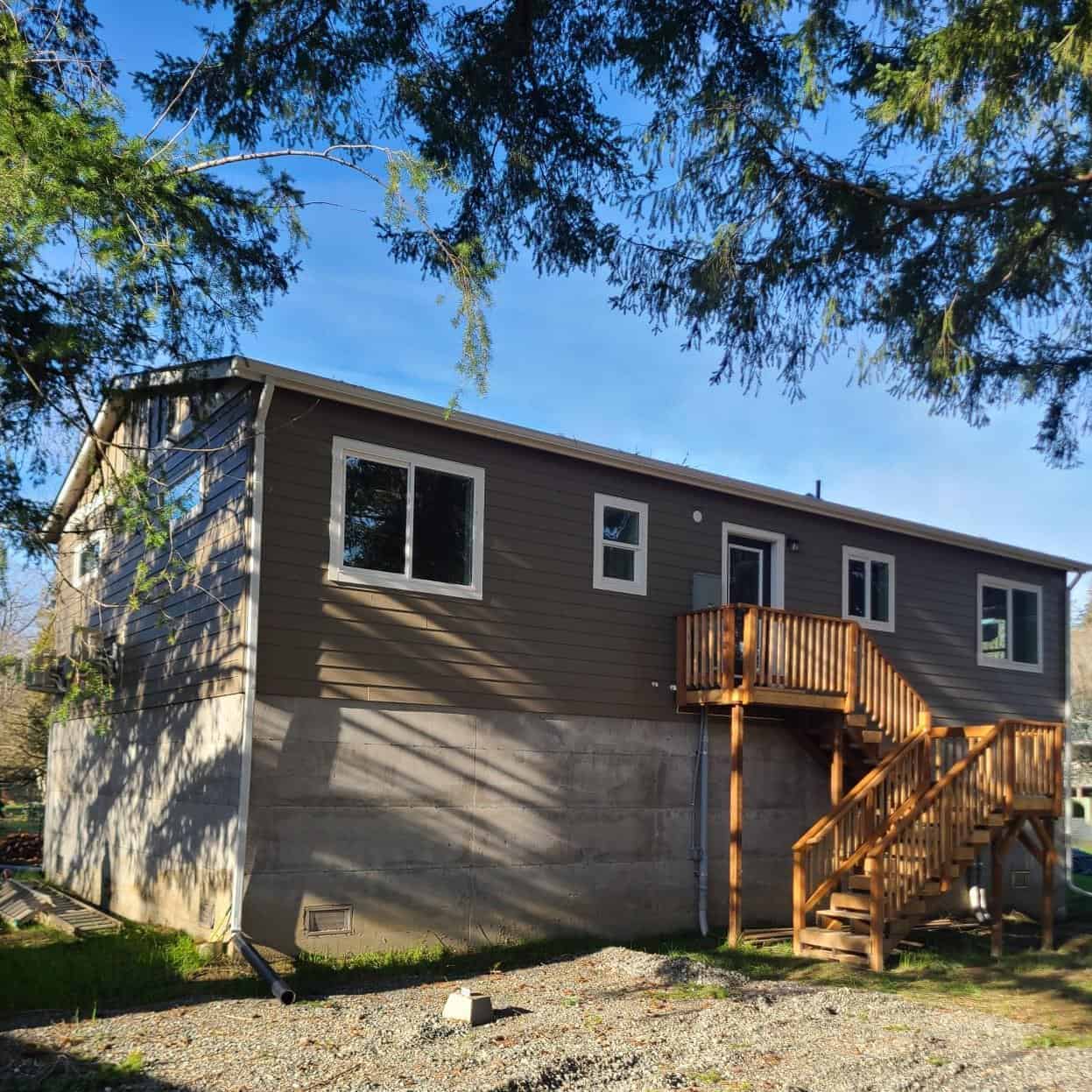
Simply living in “King County” does not mean you are subject to one set of ADU rules. Some properties are in unincorporated King County (permitted through King County’s Department of Local Services), while others fall inside city limits like Seattle, Bellevue, Redmond, Kent, and many more, each with their own ADU code and review process.
If you are unsure which you are in, do not guess. The permitting path, fees, timelines, and even what is allowed on the lot can change.
Wolf can help immediately: Submit the free property evaluation form and we will identify jurisdiction and the right rulebook for your site.
What Counts as an ADU in King County
In general, an Accessory Dwelling Unit (ADU) is a separate, complete dwelling on the same property as the primary home. It typically includes:
- Kitchen
- Bathroom
- Sleeping area
- Living space
- Independent access
ADUs show up in several common forms:
Attached ADU
An addition to the home or an ADU that shares a wall with the primary residence.
Interior ADU
A basement or attic conversion that becomes a separate dwelling.
Detached ADU (DADU)
A stand-alone structure such as a backyard cottage, or a conversion of an existing detached structure (like a garage), when allowed.
Size Limits: The Rule Most People Misread
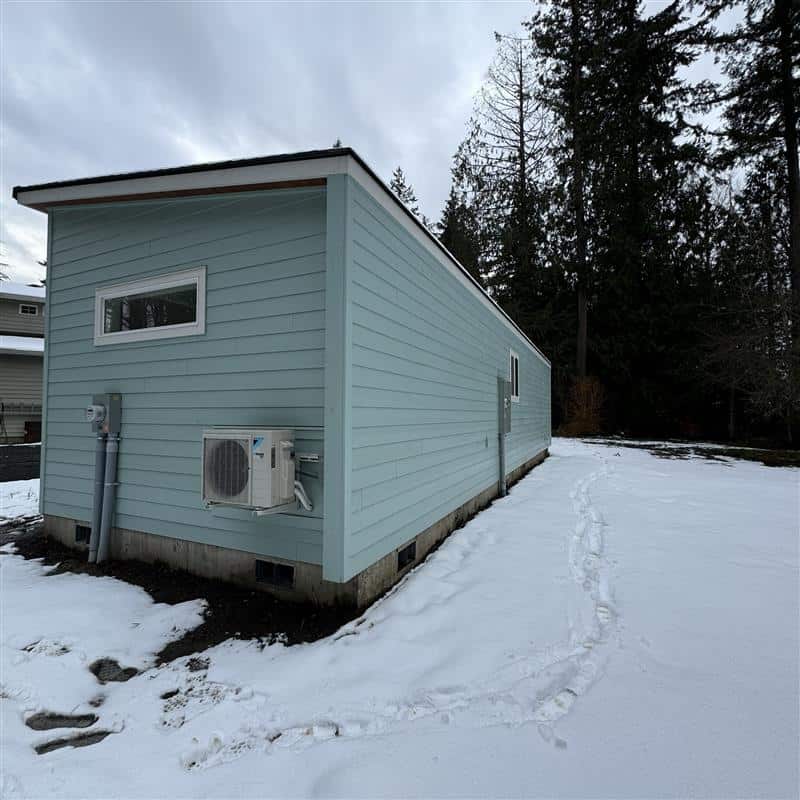
In King County’s development standards, ADU size is commonly capped at 1,000 square feet of heated floor area and 1,000 square feet of unheated floor area, with important exceptions.
Examples of exceptions that can materially change design options include:
- Basement or attic conversions where the standard size limitation may not apply in the same way
- Detached ADUs where basement area may not count toward the maximum in certain situations
- Urban-area flexibility that can allow more heated area when less unheated area is provided, up to a higher cap in qualifying cases
Translation: the “1,000 square feet” headline is not always the end of the story. The details of how the ADU is configured matters.
Height and Design Compatibility
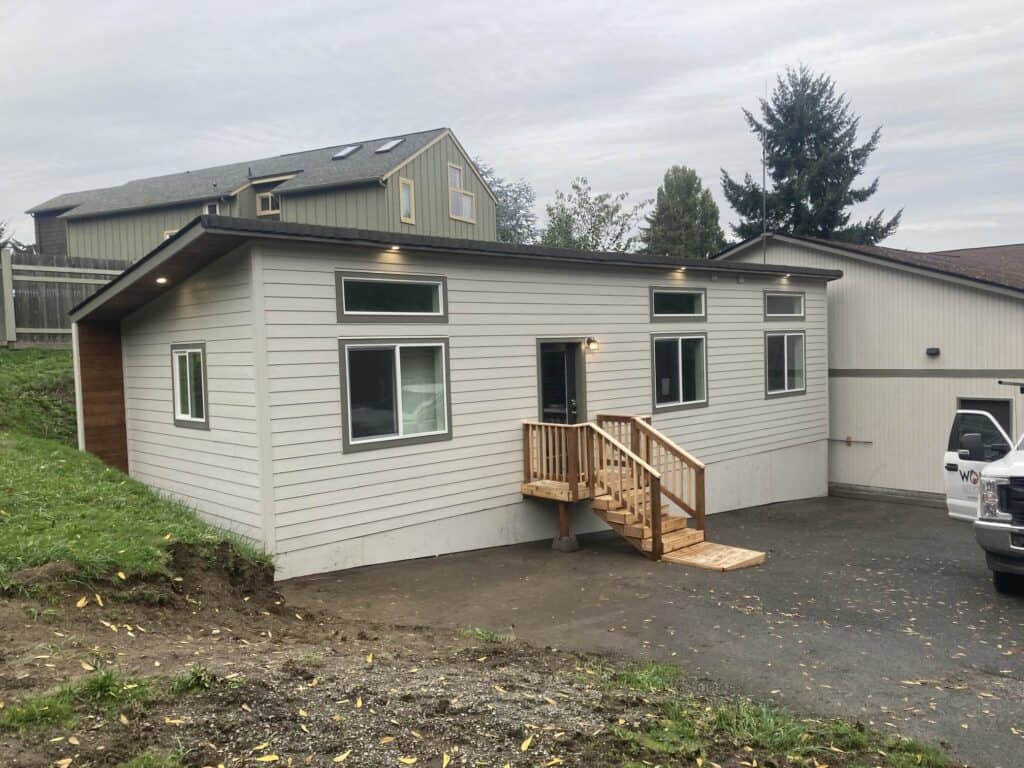
If the ADU is not wholly within an existing structure, it generally must comply with the base height limit for the applicable zone. King County also expects ADUs to be designed to fit the character of the primary home and surrounding neighborhood, including:
- Exterior materials and colors
- Overall building form
- Site placement that considers privacy and views
In rural settings, design expectations can be even more sensitive due to visibility, setbacks, and the surrounding landscape.
Parking: A Common Concern That Often Is Not a Dealbreaker
In many King County scenarios, no additional off-street parking spaces are required for an ADU.
That said, parking can still become a practical design issue on tighter lots, especially when access, slope, or existing site constraints limit driveway and turn-around options.
How Many ADUs Can You Build?
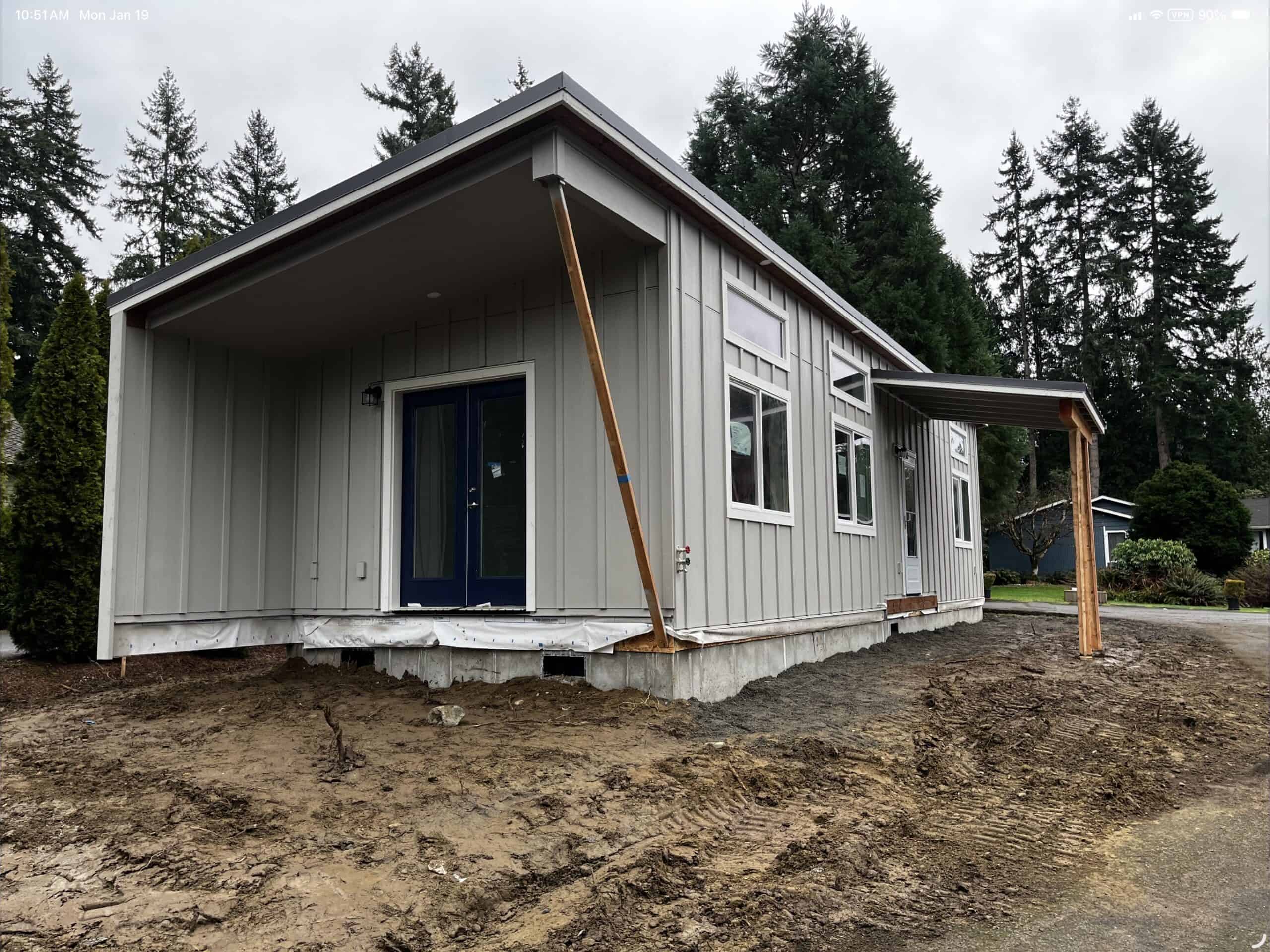
This is where homeowners get conflicting answers, because the details depend on location and development conditions.
Across King County, allowances can differ based on whether the property is in an urban area, rural area, or natural resource lands, and whether you are under county jurisdiction or city jurisdiction.
Some frameworks allow more than one ADU in certain urban-lot configurations, while rural and resource areas often have tighter limitations and additional development conditions.
Best practice: treat “how many ADUs are allowed” as a property-specific question, not a general rule. Wolf’s free property evaluation is built for exactly this kind of screening.
Detached ADUs: Lot Size Can Matter a Lot
In unincorporated King County, detached ADUs may be limited by minimum lot size requirements tied to zoning, and additional conditions can apply if there is already more than one primary dwelling on the lot.
If a detached ADU is not allowed, an attached ADU or an interior conversion may still be viable, depending on the structure and zoning standards.
This is one of the most common “surprises” we see after homeowners invest in early design. It is also one of the easiest issues to avoid when you validate your site up front.
A Step-by-Step Reality Check of the Permitting Process
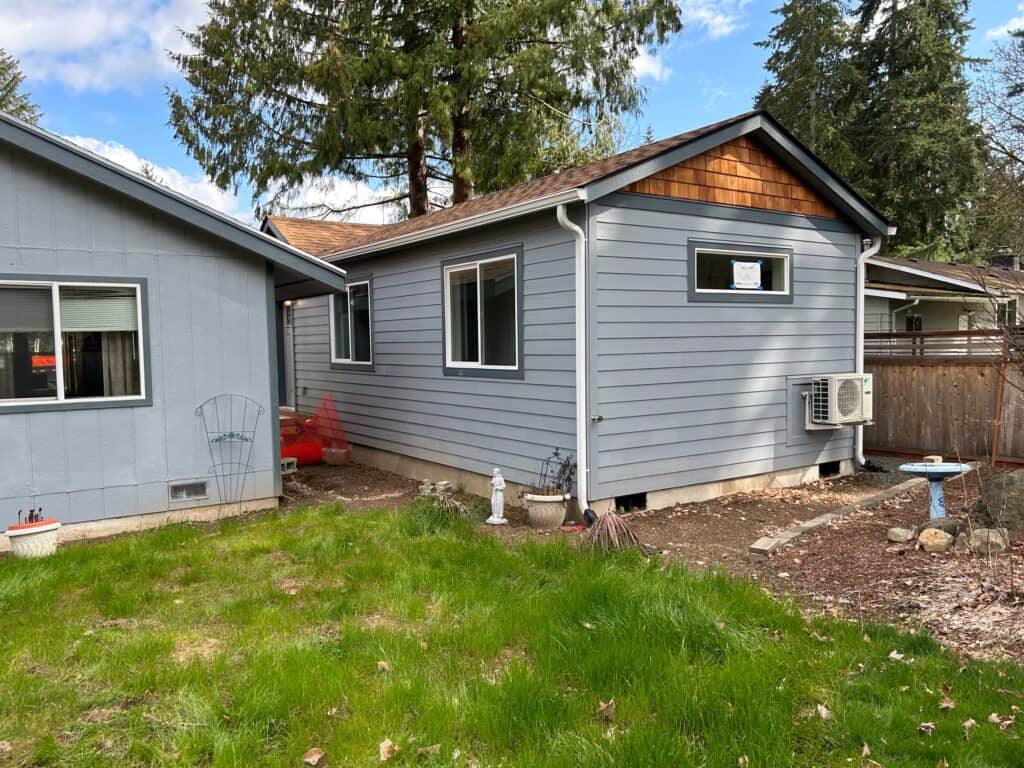
Permitting is not just one permit. It is usually several approvals that have to align.
Site and code feasibility review
Confirm jurisdiction, zoning, critical areas, access, and general development conditions.
Concept design aligned to the rules
Choose attached vs detached, confirm size approach, and design around setbacks, height, and site constraints.
Permit application pathway
In many cases, applications for unincorporated King County flow through the MyBuildingPermit portal for building permits.
Health and utility approvals
This is where many ADU projects either stay smooth or get delayed.
If the property is on sewer, you may need confirmation of sewer availability or connection requirements. If the property is on septic, you may need expanded review and potentially system upgrades depending on the ADU scenario.
Plan review and corrections
Expect at least one round of corrections. The better your plans and documentation, the fewer cycles you will burn.
Construction, inspections, and closeout
Sequencing inspections correctly keeps occupancy on track.
Call to action: If you want Wolf to map this pathway for your exact property, start with our free property evaluation form and we will outline the realistic next steps.
Septic and On-Site Sewage: The Topic That Can Drive the Whole Project
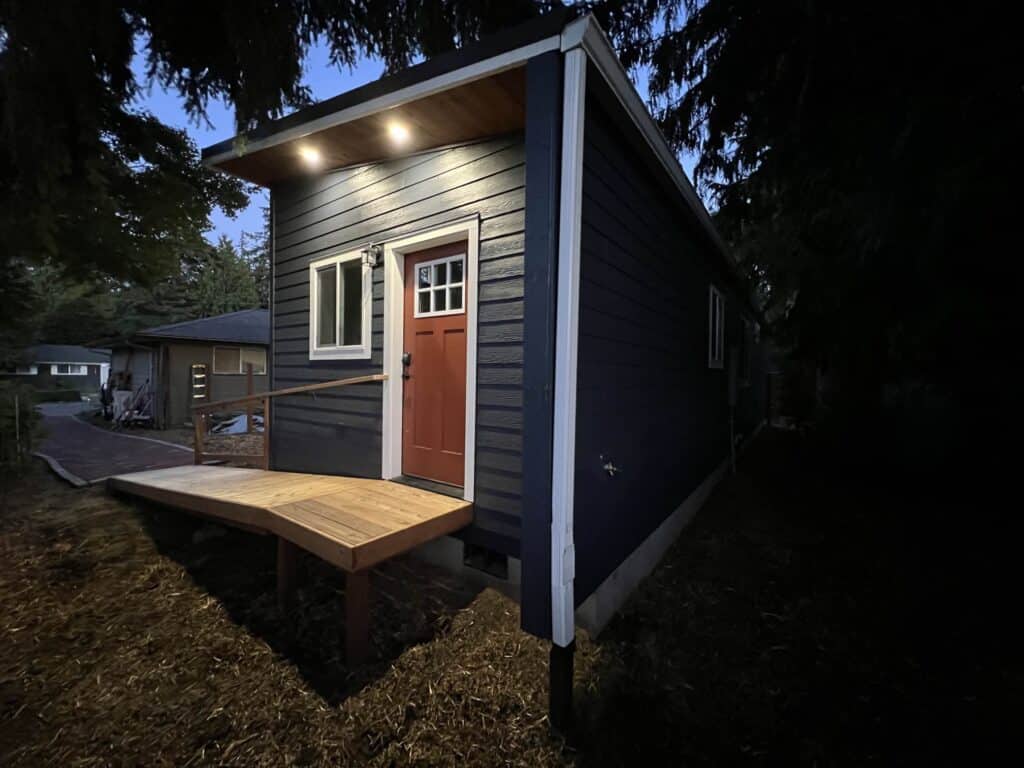
If your property uses an on-site sewage system (OSS), ADU planning needs to consider public health requirements early.
King County’s updated guidance highlights practical realities that affect design and approval, including:
- Different sizing approaches depending on whether the ADU shares the existing system or uses an independent system
- How bedrooms, studios, and certain “flex rooms” can be counted for sizing purposes
- Documentation requirements such as recent inspections and record drawings
- Water system requirements and testing standards for wells and water quality
This is not just paperwork. The septic path can influence whether your ADU can be a 1-bedroom, 2-bedroom, or 3-bedroom design without triggering major system upgrades.
Water, Sewer, and Utility Requirements: Do Not Leave This for Last
Even if the ADU itself seems straightforward, utilities can become the hidden schedule risk:
- If public sewer is available in some contexts, connection may be required
- If the property is served by a water purveyor, you may need a water availability certificate that specifically calls out an ADU
- If you are on a well, there can be testing and documentation expectations, and in some situations connection to public water may be required when available
The takeaway is simple: an ADU is a second dwelling. Many systems treat it that way.
Notice on Title: The Paperwork Step That Can Block Permit Issuance
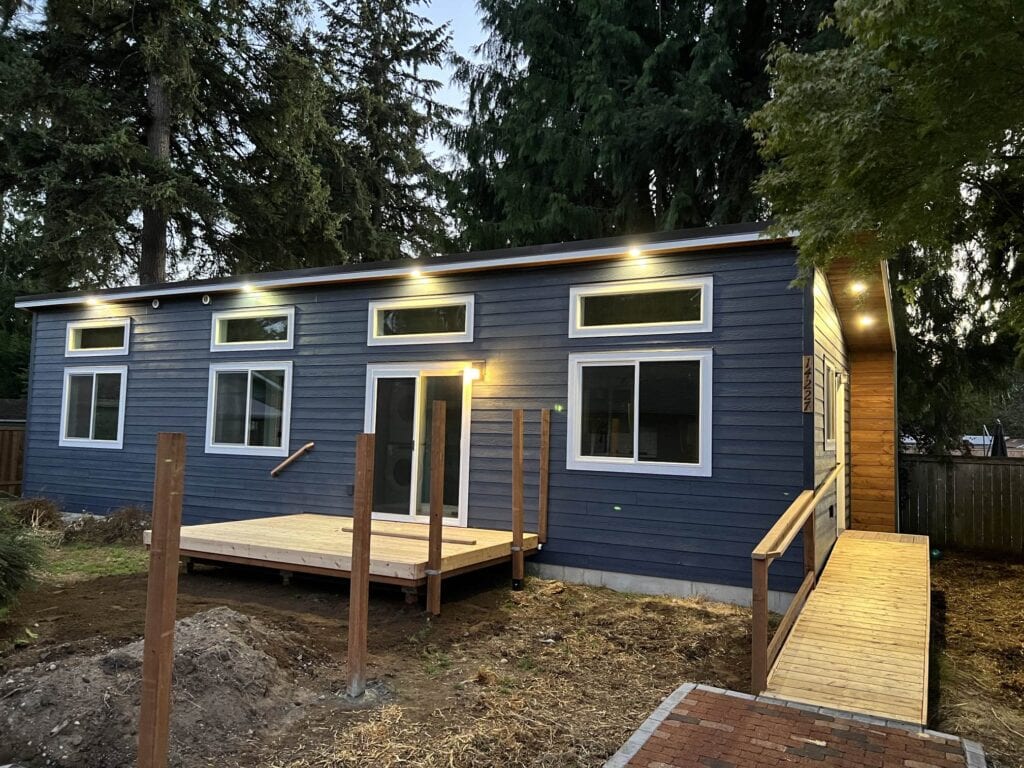
For unincorporated King County ADU permits, there can be a requirement to record a Notice on Title that identifies the dwelling as accessory and runs with the land.
This is exactly the kind of step that sounds small, but can stop a permit from being issued if it is missed or done late.
The Biggest Mistakes Homeowners Make With ADU Rules and Regulations in King County WA
Designing before verifying
Plans that ignore zoning development conditions often get forced into costly revisions.
Assuming “King County rules” apply everywhere
City rules can be very different. Jurisdiction matters.
Underestimating septic, water, and sewer requirements
Health approvals can dictate bedroom count, system upgrades, and timeline.
Treating permitting as a single step
Permitting is a chain. A weak link delays everything.
Why Wolf Is the Safe Choice for King County ADUs
Wolf has built many ADUs in King County and hundreds throughout Washington state, so we are not learning the process on your property. Our job is to make the experience predictable:
- We start by validating the site and jurisdiction
- We design to the rules the first time
- We anticipate the approvals that commonly cause delays
- We coordinate the steps so your project stays moving
If you are serious about building an ADU in King County, start with Wolf’s free property evaluation form. You will get clarity on feasibility, constraints, and the most realistic path forward before you commit to plans.
Sources
Residential Accessory Dwelling Units (ADUs)
https://cdn.kingcounty.gov/-/media/king-county/depts/local-services/permits/building-land-use-permits/r/residential-accessory-dwelling-units-information.pdf?rev=adf307cc4014415886da43c8353626ad&hash=FA6B15604E52DD22FB7063F5EF3DF3F3
Frequently Asked Questions (Permit Guide)
https://kingcounty.gov/en/dept/local-services/buildings-property/local-services-permit-guide/permit-guide/faq
King County Permits 101: Can we put an ADU on our property?
https://www.youtube.com/watch?v=ChsQmI3FCLI
Existing Policy and Procedures Technical Memorandum: Accessory Dwelling Units (ADUs) (Effective Date: May 9, 2025)
https://cdn.kingcounty.gov/-/media/king-county/depts/dph/documents/health-safety/environmental-health/oss/memorandums/memo-2025-may-9.pdf?rev=698ddeeb58a6420bbbf5cbf96ed9534c&hash=B86EB7EFDDF995E1EBBD0341D7C14D95