
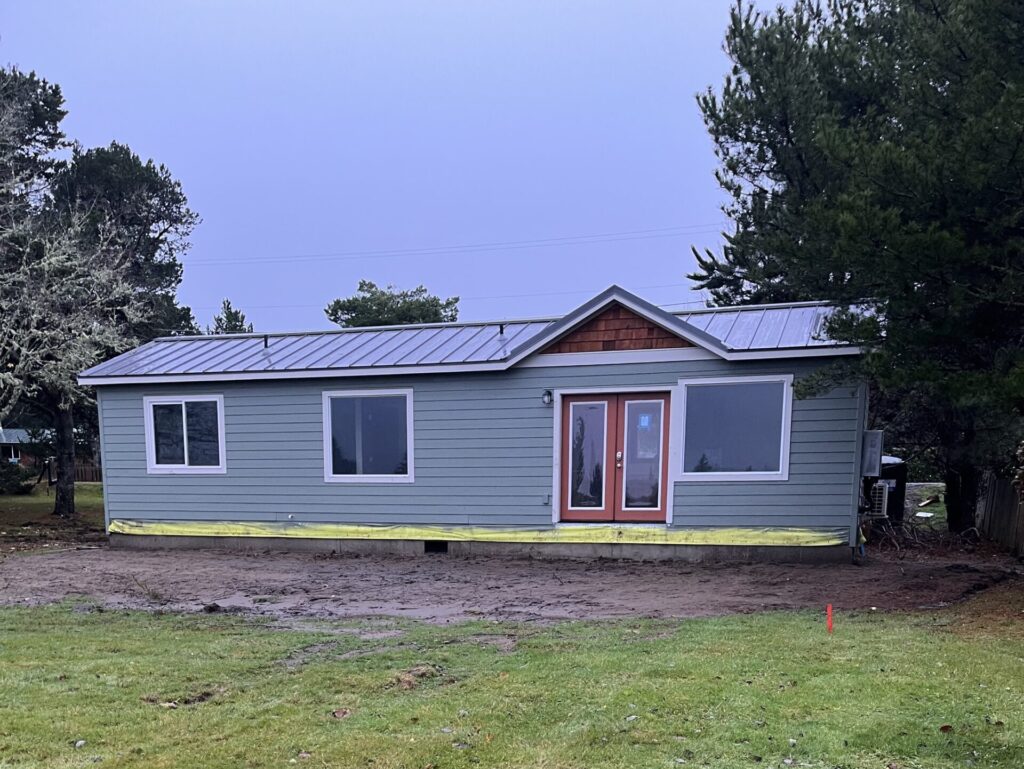
If you are searching for an ADU builder in Astoria, you are probably looking for more than a home design. You are looking for a builder who understands how to move a project through the real-world challenges of zoning, permitting, site review, delivery logistics, and construction planning. That matters in a place like Astoria, where local code, property conditions, and approval requirements can all shape what is actually possible on your lot.
The City of Astoria’s development code allows accessory dwelling units in connection with an existing single-family dwelling, and Clatsop County describes an ADU as a second complete living space on a property that already has a main dwelling.
If you are thinking about building an ADU in Astoria, here is what to know, what to watch for, and why choosing the right builder can make a major difference.
What Astoria defines as an ADU
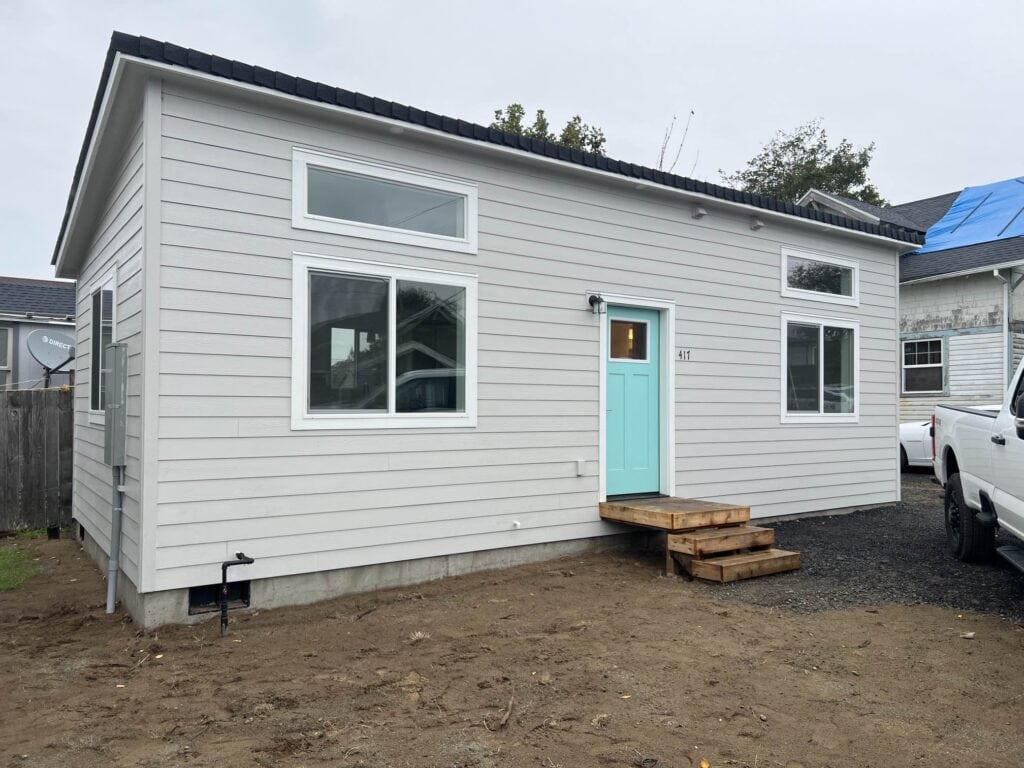
Astoria does not treat an ADU as just any small extra building. Under the city’s code, an accessory dwelling unit is an additional subordinate or auxiliary living unit, including kitchen facilities, that may be located within an existing house or detached from the main dwelling. The code also explains an important distinction: a home with an ADU is different from a duplex because it retains the appearance of a single-family dwelling. In other words, an ADU is intended to function as a secondary residential unit that remains clearly accessory to the primary home rather than turning the property into a standard two-unit development.
That definition matters because it affects how a project is designed and reviewed. Astoria’s code has historically tied ADUs to standards around size, relationship to the primary dwelling, access, parking, and utility setup. Earlier Astoria code language, for example, limited ADUs to one per single-family lot and described them as subordinate to the main dwelling, while also addressing whether the unit is internal, attached, or detached. Even where local standards evolve over time, the central idea remains the same: an ADU must fit the city’s definition and function as a true accessory residence, not simply any second structure someone wants to place on the property.
For homeowners, that means the question is not only, “Can I fit a small home on my property?” The real question is, “Will the city view this as a code-compliant ADU on this specific lot?” That is a very different issue, and it is one reason experience matters so much.
That is why one of the smartest first steps is to request Wolf’s free property evaluation:
https://wolfind.com/contact/property-evaluation/
Why it is important to use an experienced ADU builder in Astoria
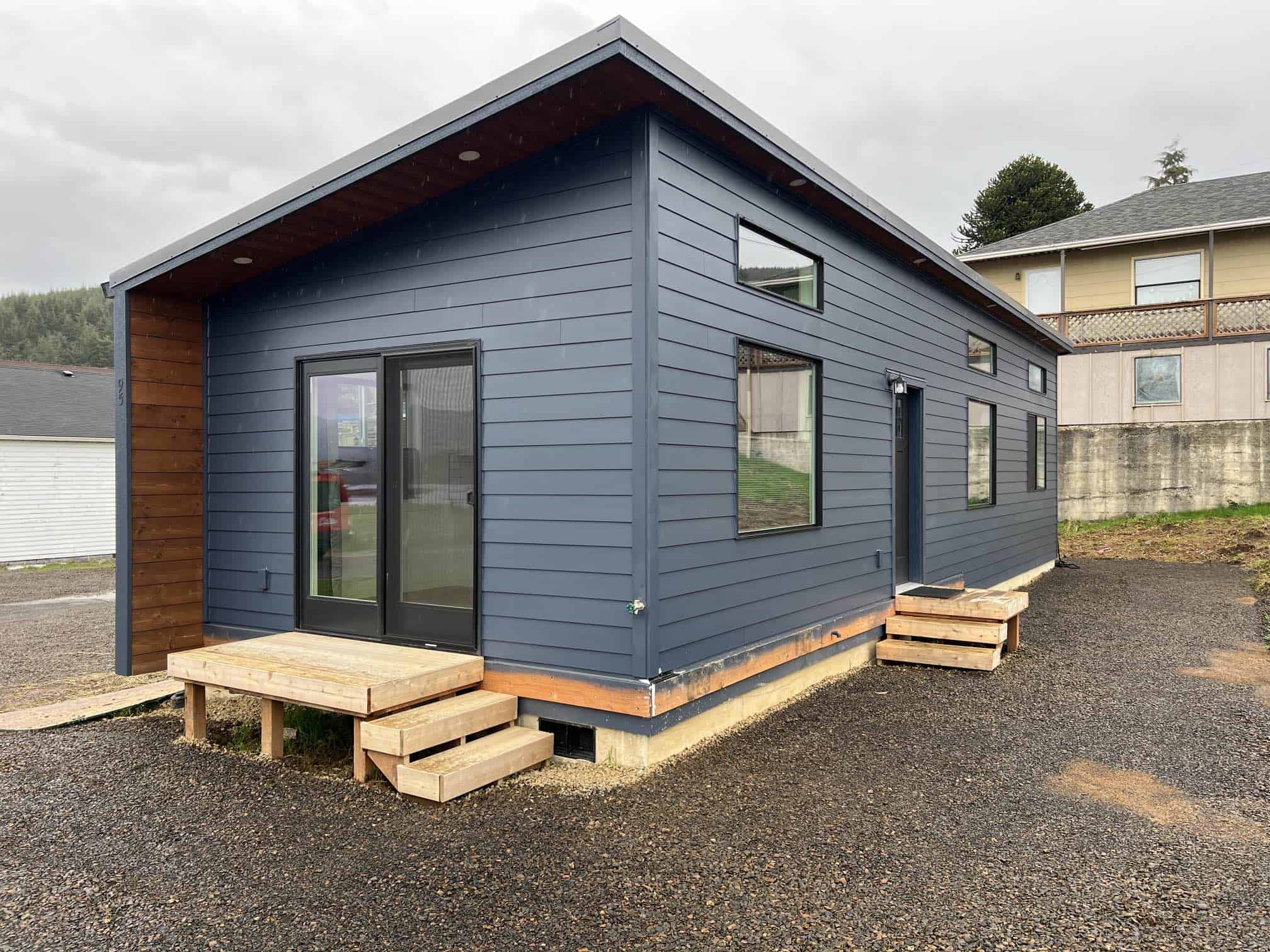
Building an ADU is rarely just about buying a floor plan. The success of the project often depends on decisions made before production ever begins. An experienced builder helps you think through whether the site, access, placement, utilities, and local development rules align with your goals before you commit to the wrong direction. Wolf’s process is built around that kind of early evaluation, including property review, permitting support, production, delivery, and setup.
This is especially important in Astoria because local code definitions and site realities can directly affect feasibility. If an ADU must remain subordinate to the main dwelling, maintain the single-family character of the property, and comply with the applicable local review standards, then design choices, placement decisions, and even how the unit connects to the site can become critical. A less experienced builder may focus mostly on the building itself. A more experienced builder looks at the full picture and helps reduce the risk of costly surprises.
At Wolf, we have built many projects in the Astoria area and over 600 ADUs and modular homes throughout the Pacific Northwest. That regional experience matters because it means we understand that each property has its own constraints. Some lots are simple. Others require more planning around access, utility coordination, foundation layout, or local review. An experienced builder helps you identify those issues early so the project can move forward with clearer expectations. Wolf’s approach is designed to help homeowners evaluate the property first, understand likely next steps, and move toward a turn-key project with fewer unknowns.
Why a property-first approach makes sense
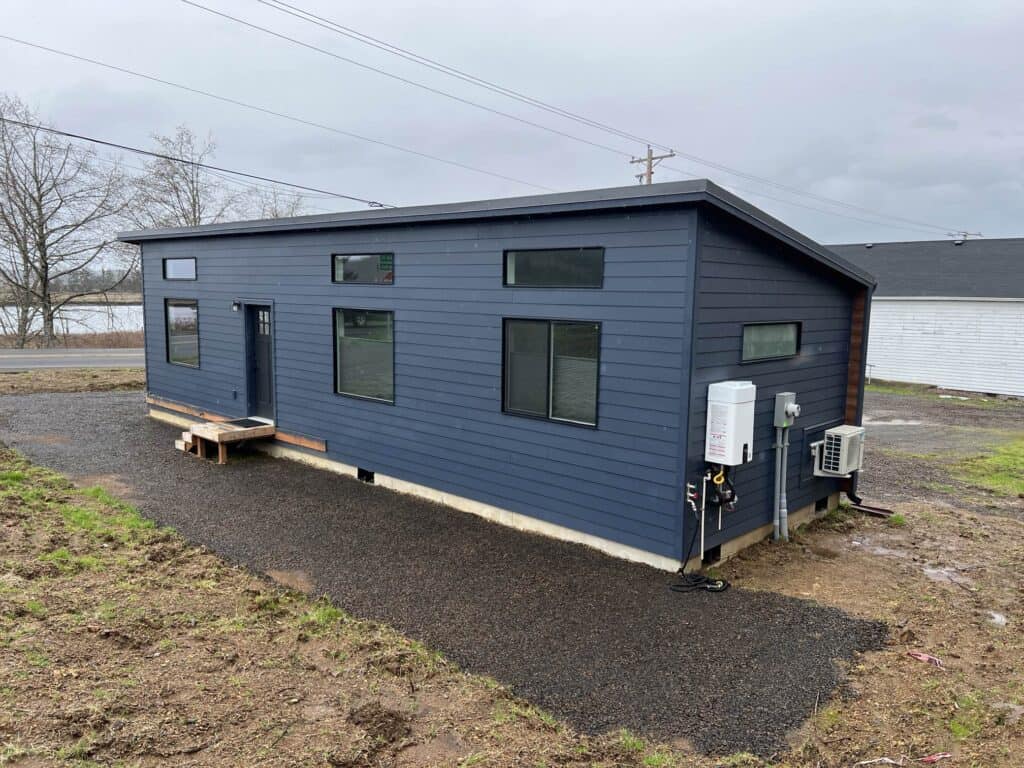
For many property owners, the biggest mistake is starting with a model before understanding the site. In reality, the property often determines what kind of ADU project makes the most sense. That is why Wolf encourages homeowners to start with a Free Property Evaluation. It is a practical first step that can help identify whether your property may be a fit for an ADU and what considerations may need to be addressed before moving ahead. This is especially valuable in the Astoria area, where local code interpretation and site conditions can play a major role in what can actually be approved and built.
If you are looking for an ADU builder in Astoria, working with a team that understands both the building process and the local context can make a major difference. The right builder does not just help construct the unit. They help you avoid mistakes, ask the right questions early, and build with a clearer plan from the start.
Instead of starting with assumptions, you can start with a free property evaluation to understand whether your site may be a fit and what issues need to be considered first:
https://wolfind.com/contact/property-evaluation/
Start with Wolf’s Free Property Evaluation
If you are thinking about adding an ADU in Astoria, the best first step is to understand your property and your options. Wolf has built many projects in the Astoria area and over 600 ADUs and modular homes throughout the Pacific Northwest, and our team can help you evaluate what may be possible on your site.
Start here with our Free Property Evaluation:
https://wolfind.com/contact/property-evaluation/