
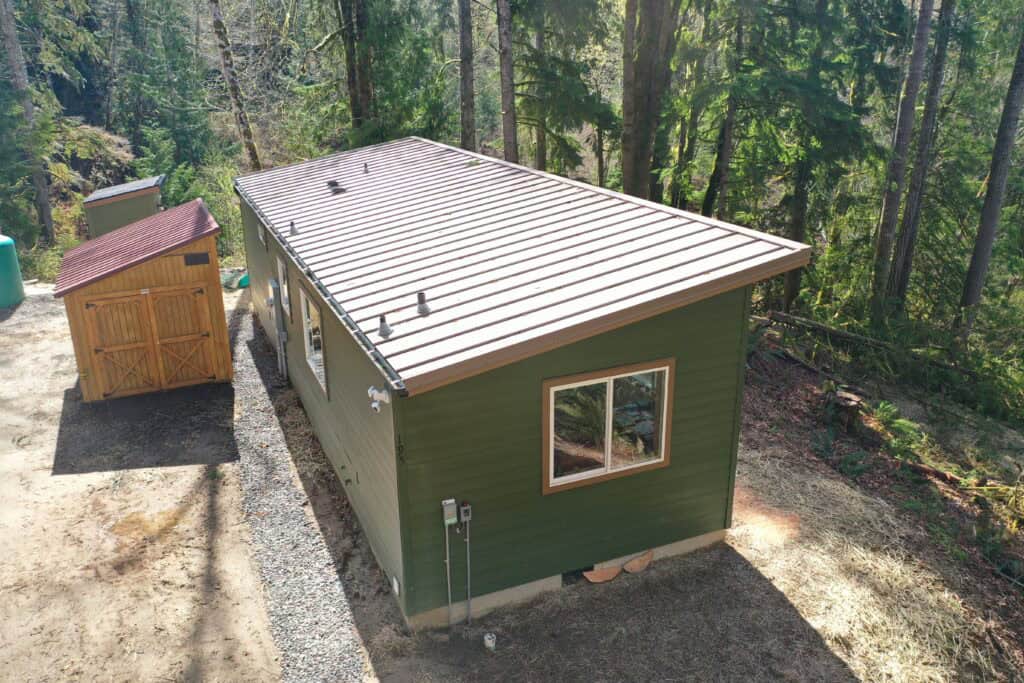
Thinking about adding an ADU in Clatsop County? You are not alone. Across the Oregon Coast, homeowners are looking for practical ways to create additional living space, generate rental income, or support multigenerational living. But before you move forward, it is critical to understand the ADU rules and regulations in Clatsop County, OR.
This is where many projects either gain momentum or stall out. The rules matter, and navigating them correctly can save you months of time and significant cost.
If you want help evaluating whether your property may be a fit, Wolf offers a free property evaluation to help you take the next step.
What Is Considered an ADU in Clatsop County?
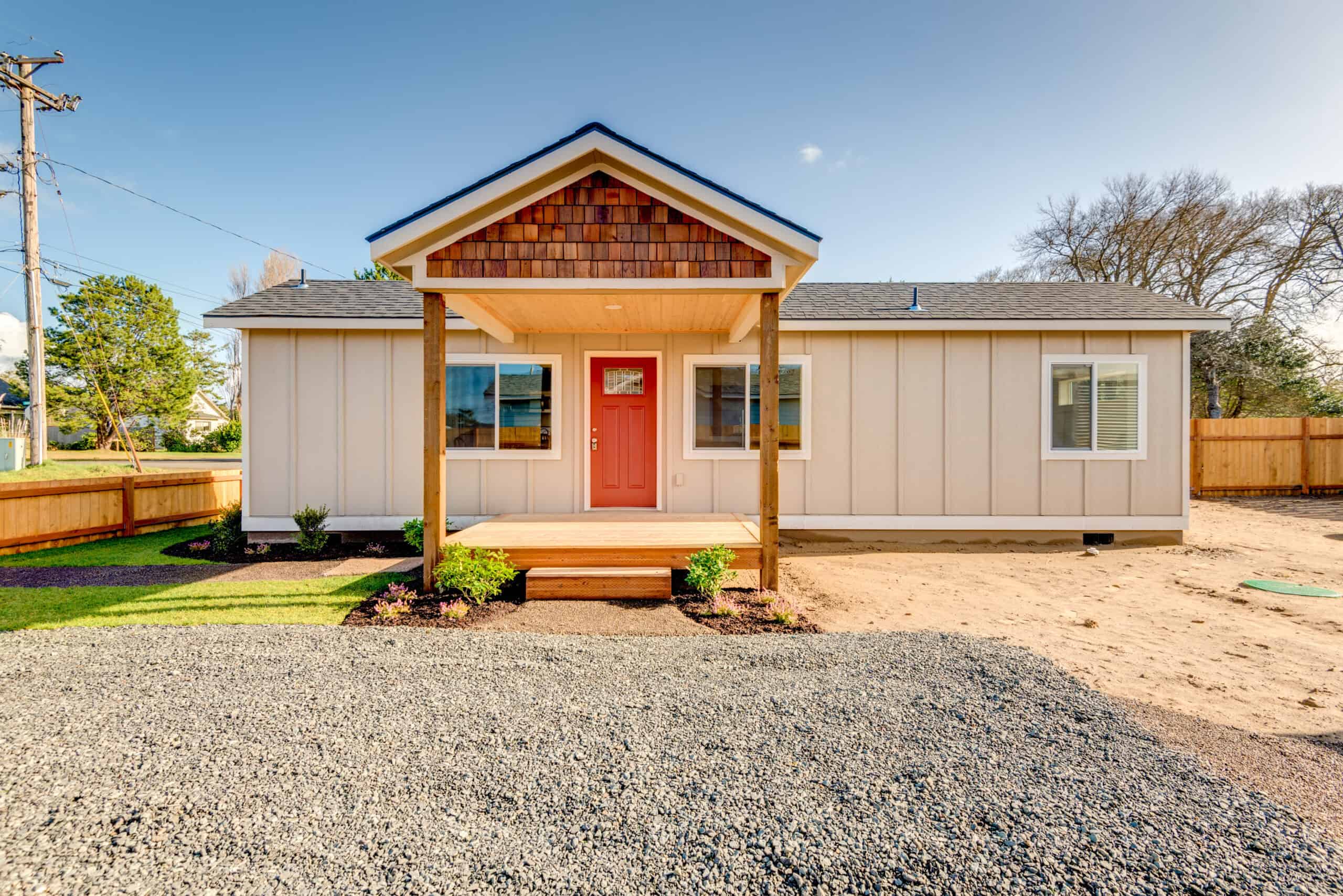
In Clatsop County, an Accessory Dwelling Unit is generally defined as a secondary residential unit located on the same lot as a primary dwelling. This unit must be smaller and subordinate to the main home and can either be attached or detached depending on zoning and property conditions.
ADUs are commonly used for:
- Creating long term or short term rental income
- Providing housing for family members or aging parents
- Adding a private living space for guests or extended family
- Increasing overall property value and usability
Understanding how your property is zoned is the first step in determining whether an ADU is allowed.
Zoning and Where ADUs Are Allowed
Not every property in Clatsop County automatically qualifies for an ADU. Regulations vary based on zoning designations, which may include rural residential, urban residential, or other land use categories.
In general, ADUs are more commonly permitted in residential zones, but each zone has its own specific requirements. These may include:
- Minimum lot size requirements
- Limitations on the number of dwellings allowed per parcel
- Restrictions related to land use overlays or environmental constraints
Before designing your ADU, it is essential to confirm that your property meets zoning requirements. This is one of the most common areas where projects run into delays.
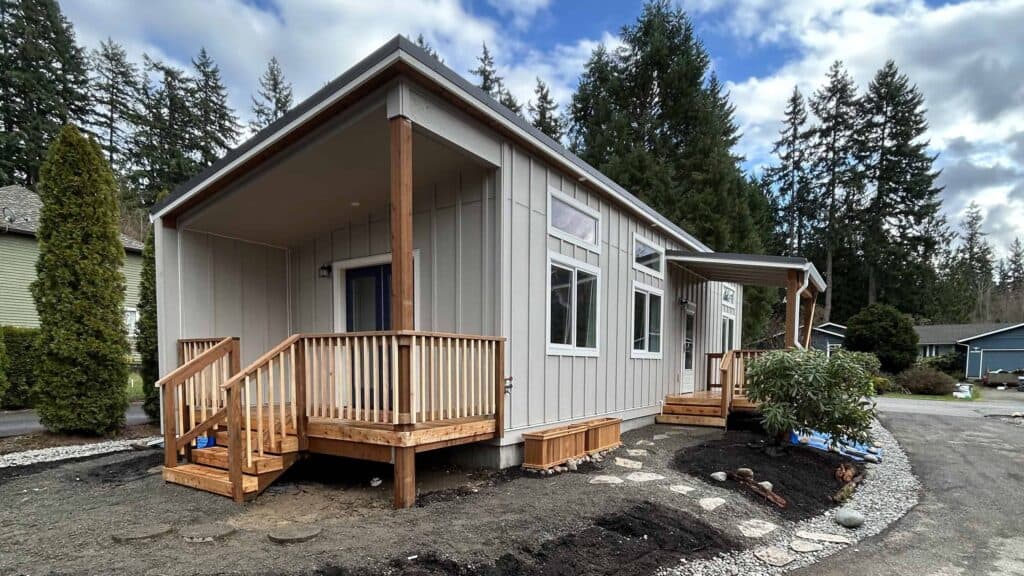
Size, Design, and Placement Requirements
Clatsop County places limits on the size and placement of ADUs to ensure they remain secondary to the primary residence.
Typical requirements include:
- Maximum square footage limits relative to the primary dwelling
- Height restrictions depending on location and setbacks
- Setback requirements from property lines and other structures
- Design compatibility with the existing home
These rules are intended to maintain neighborhood character while still allowing flexibility for homeowners.
Utilities, Access, and Infrastructure
One of the most overlooked parts of building an ADU is how it connects to utilities and infrastructure.
In Clatsop County, you may need to account for:
- Water and sewer connections or septic system capacity
- Electrical service upgrades
- Driveway access and parking requirements
- Stormwater and drainage considerations
These factors can significantly impact both cost and feasibility. A well planned project accounts for these early in the process.
Permitting Process in Clatsop County
The permitting process is where everything comes together. To build an ADU, you will typically need to submit:
- Site plans showing the proposed ADU location
- Building plans that meet state and local codes
- Utility and infrastructure details
- Zoning and land use compliance documentation
Working through permitting can be complex, especially if your property has unique conditions. Having a team that understands local requirements can make a substantial difference.
Why Experience Matters When Building an ADU
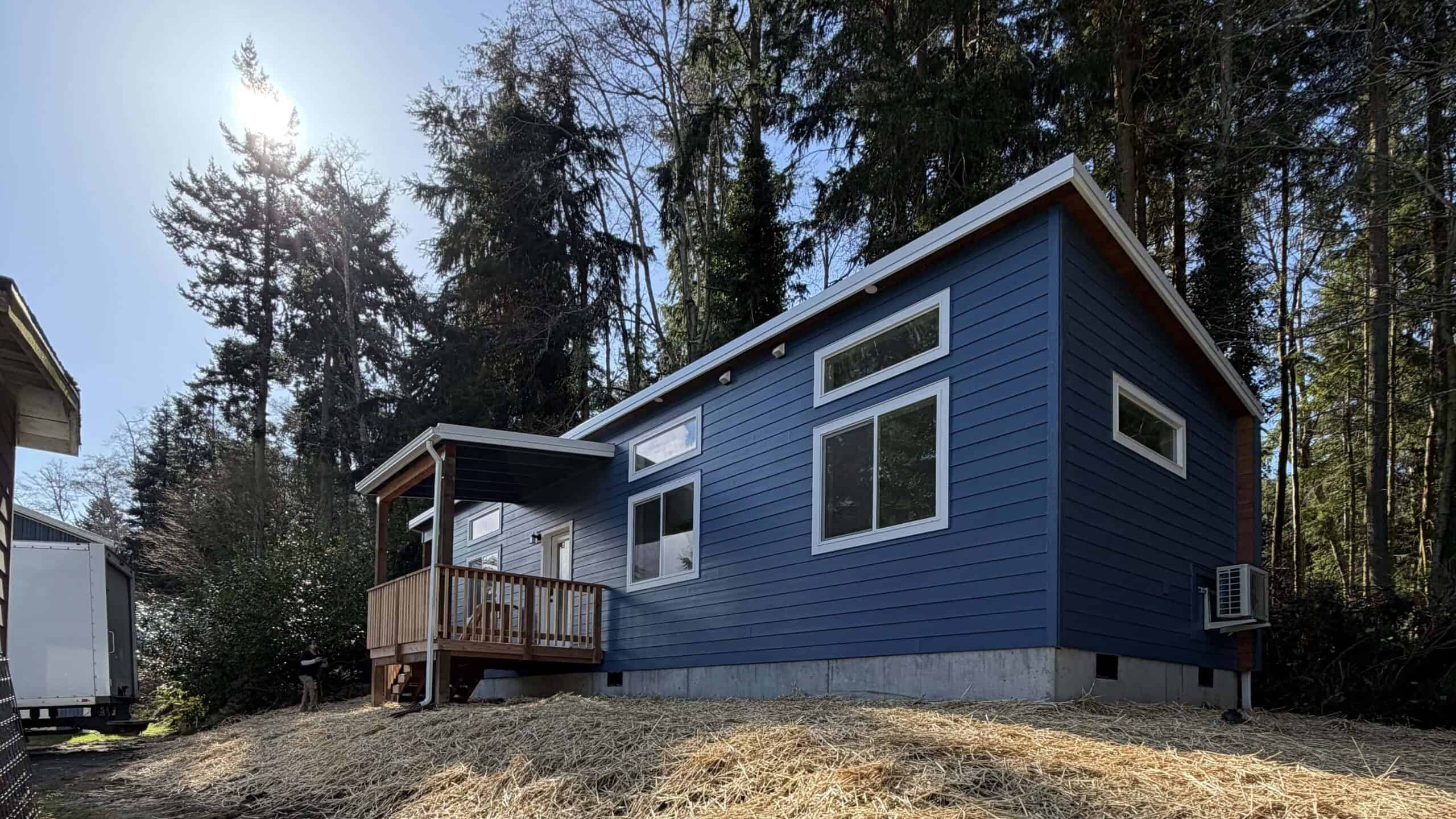
Clatsop County has its own nuances when it comes to ADU development. Coastal conditions, zoning overlays, and infrastructure limitations can all play a role.
This is where working with an experienced builder becomes critical.
Wolf has built many ADUs and modular homes throughout Clatsop County and across the Oregon Coast. With over 600 modular homes and ADUs completed across the Pacific Northwest, our team understands how to navigate local regulations, streamline permitting, and deliver a high quality finished product.
We are not just building homes. We are guiding projects from concept to completion with a process designed to reduce risk and increase predictability.
The Advantage of a Turn-Key ADU Process
Building an ADU is not just about construction. It involves land use, permitting, engineering, and coordination across multiple disciplines.
A turn key approach helps simplify this process by bringing everything under one roof:
- Property evaluation and feasibility review
- Design and engineering tailored to your site
- Permitting coordination with local jurisdictions
- Factory built modular construction for consistency and speed
- Final delivery and setup on your property
This approach allows you to focus on the outcome instead of managing every moving piece.
Get started with Wolf’s free property evaluation:
https://wolfind.com/contact/property-evaluation/
Start with a Free Property Evaluation
Every property is different. The best way to understand what is possible on your land is to start with a professional evaluation.
If you are considering building an ADU in Clatsop County, take the first step today. Get your free property evaluation and we will help you understand zoning, feasibility, and the best path forward for your project.
Final Thoughts
ADU rules and regulations in Clatsop County, OR can feel complex, but they are manageable with the right approach. From zoning and size limits to utilities and permitting, each step plays a role in the success of your project.
With the right team and a clear process, building an ADU can be one of the most impactful investments you make in your property. If you are ready to explore your options, Wolf is here to help.