
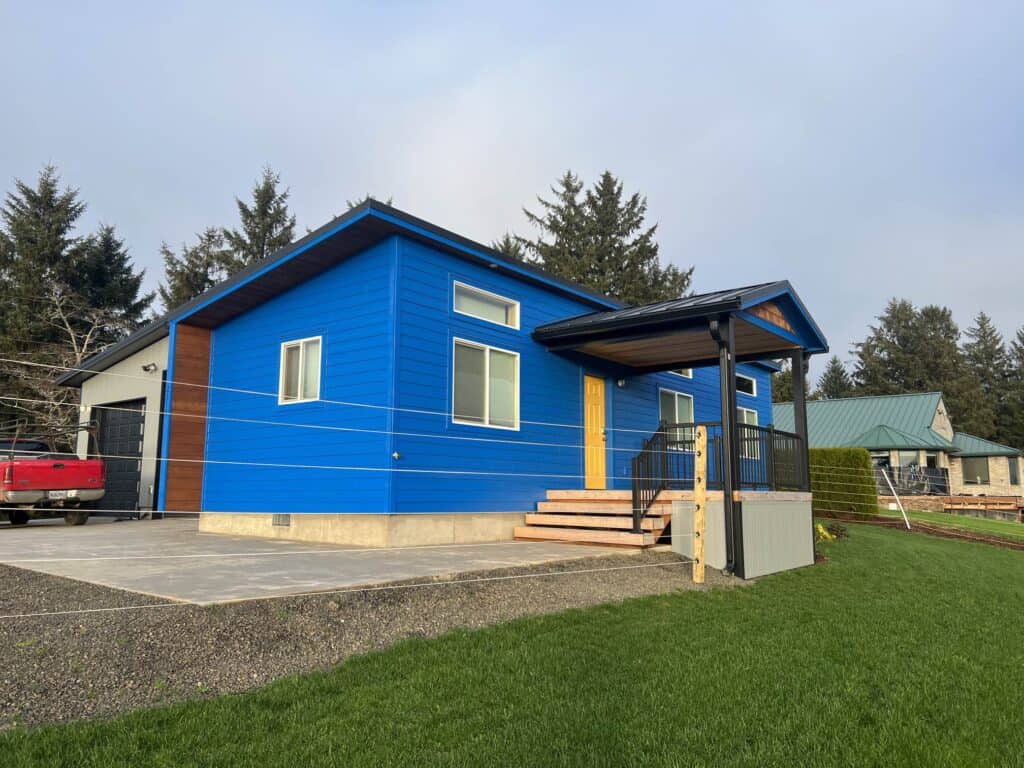
Thinking about adding an Accessory Dwelling Unit (ADU) in Tillamook County? You’re not alone. Between rising housing costs, the need for flexible living space, and the opportunity for rental income, ADUs have quickly become one of the most practical ways to unlock the full potential of your property.
But here’s the catch: Tillamook County ADU rules and regulations are specific, nuanced, and can be difficult to navigate without experience.
This guide breaks down what you need to know so you can move forward with confidence.
If you want help evaluating whether your property may be a fit, Wolf offers a free property evaluation to help you take the next step.
What Is an ADU in Tillamook County?
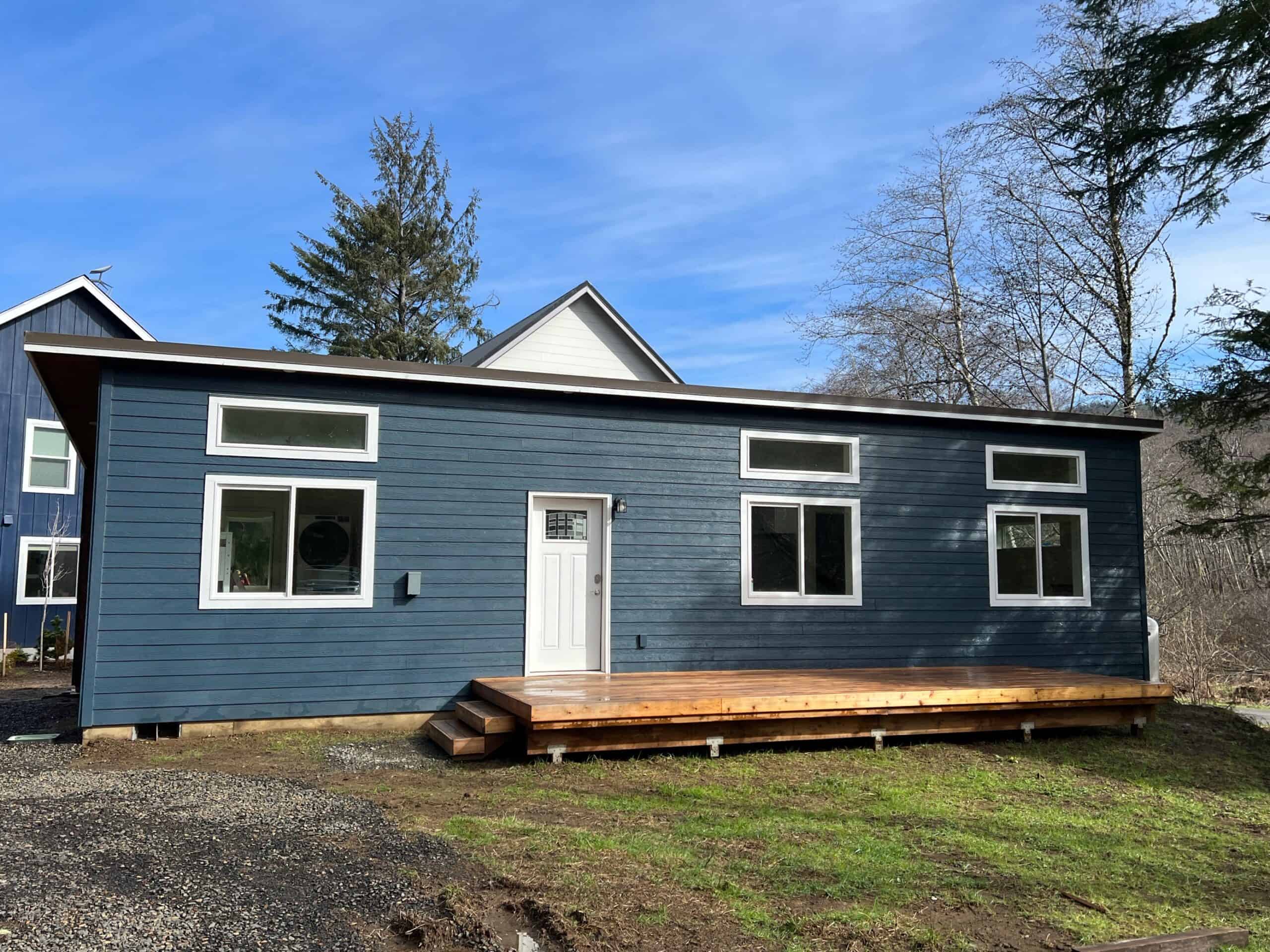
In Tillamook County, an ADU is typically defined as a secondary residential unit on the same property as a primary dwelling. This could be:
- A detached backyard cottage
- An attached addition to your existing home
- A converted garage or interior space
The key idea is simple: it’s a self-contained living unit with its own kitchen, bathroom, and sleeping area.
Where Are ADUs Allowed in Tillamook County?
Tillamook County allows ADUs in several zoning districts, but eligibility depends heavily on your specific property.
Generally, ADUs are permitted in:
- Residential zones
- Certain rural residential areas
- Properties that already contain a primary dwelling
However, zoning overlays, environmental constraints, and coastal regulations can all impact whether your property qualifies. This is where many projects stall out before they even begin.
If you’re unsure whether your property qualifies, the best first step is a free property evaluation to determine what’s possible before investing time or money.
Size and Design Requirements
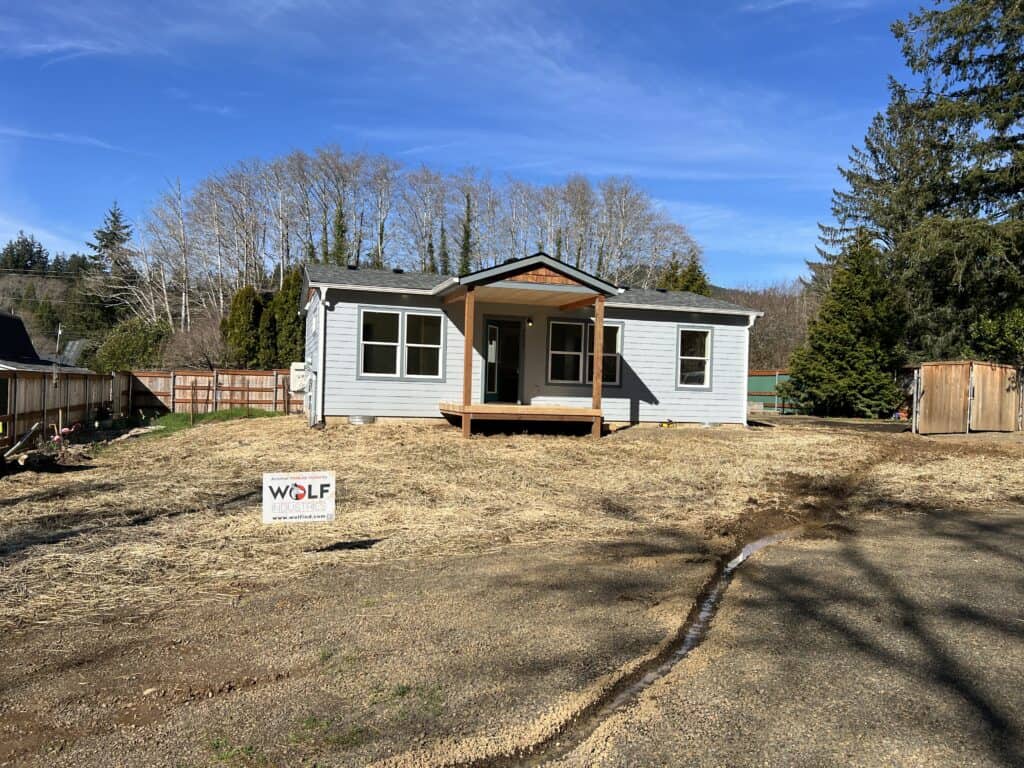
Tillamook County places limits on ADU size and design to ensure compatibility with the primary residence and surrounding area.
Typical requirements include:
- Maximum square footage limits relative to the primary home
- Design standards to maintain neighborhood character
- Height and setback restrictions
These requirements can vary depending on zoning and whether your ADU is attached or detached.
Owner Occupancy and Use Restrictions
One of the most important considerations in Tillamook County is how the ADU can be used.
Key points often include:
- Owner occupancy requirements (either the primary home or ADU)
- Restrictions on short-term rentals in some areas
- Use as long-term housing for family members or tenants
Understanding these rules upfront is critical, especially if your goal is to generate rental income.
Utilities, Access, and Infrastructure
Your ADU must meet requirements for:
- Water and sewer connections (or septic approval)
- Electrical and utility hookups
- Safe and compliant access to the structure
On the Oregon Coast, additional considerations like drainage, soil conditions, and environmental factors can play a major role in feasibility.
The Permitting Process in Tillamook County
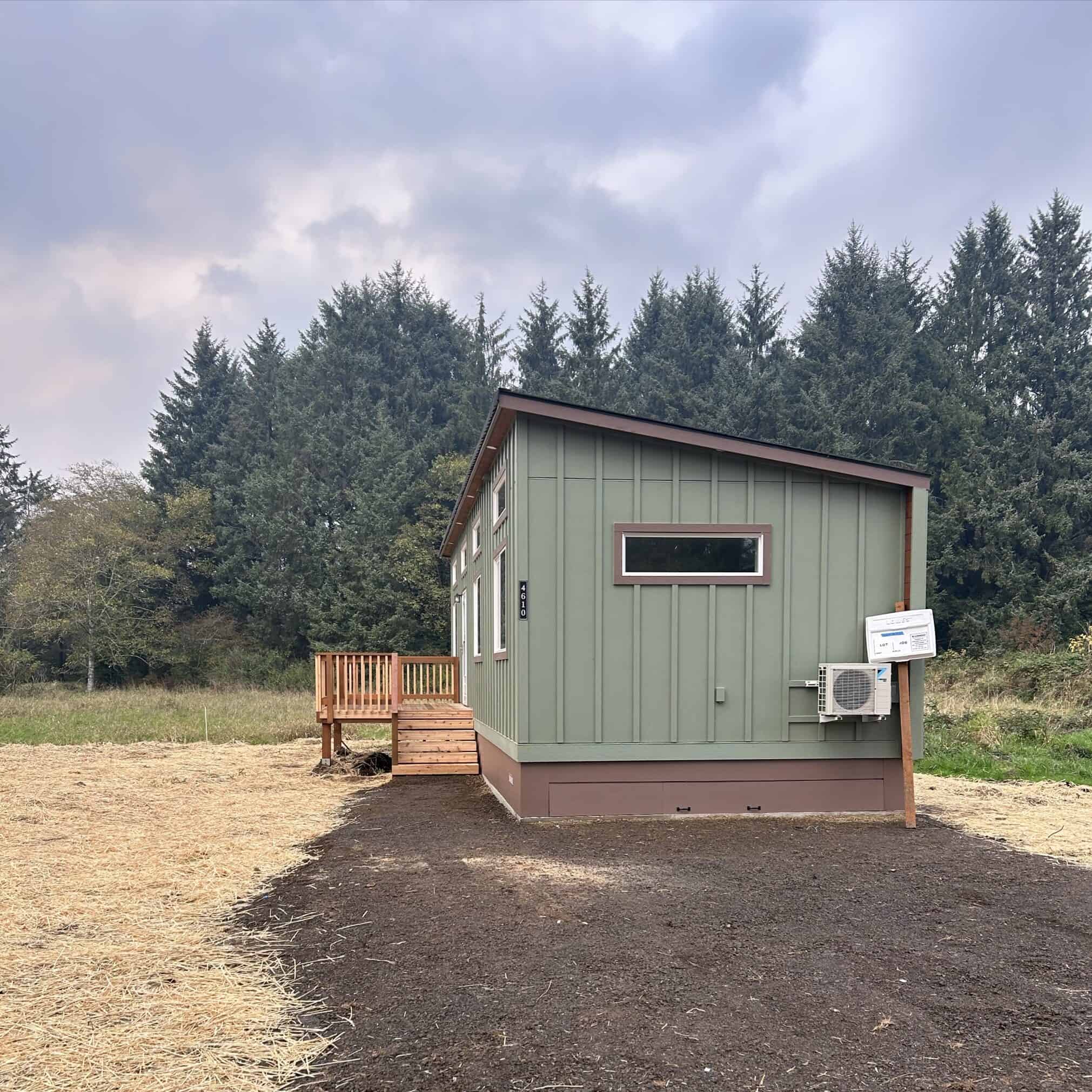
Permitting is often the most complex part of building an ADU.
In Tillamook County, this typically involves:
- Site plan development
- Utility coordination
- Erosion control and stormwater planning
- Submission of a full permit packet
- Revisions based on county feedback
This process can take time, especially if your property has unique constraints.
Why Experience Matters More Than Ever
On paper, ADU rules might seem straightforward. In reality, every property is different. Factors like zoning overlays, coastal regulations, and infrastructure limitations can quickly turn a simple project into a complicated one.That’s why working with a team that understands the local permitting landscape in Tillamook County can make a significant difference.
Wolf Industries has built over 600 modular homes and ADUs throughout the Pacific Northwest, including coastal and rural projects in Tillamook County. From feasibility and permitting to production and installation, Wolf can handle the process from start to finish.
Start with a Free Property Evaluation
Before you start designing or budgeting, take the first step:
Find out what your property can actually support.
A free property evaluation will help you:
- Understand zoning and ADU eligibility
- Identify potential constraints early
- Explore layout and model options
- Get clarity on timelines and next steps
Start here: https://wolfind.com/contact/property-evaluation/
Final Thoughts
Building an ADU in Tillamook County is one of the most effective ways to create additional living space, support family members, or generate long-term income. But success starts with understanding the rules.
If you approach the process with the right information and the right team, you can avoid delays, reduce risk, and move forward with confidence.
Sources
- Tillamook County Draft ADU Ordinance (Work Session Document): https://view.officeapps.live.com/op/view.aspx?src=https%3A%2F%2Fwww.tillamookcounty.gov%2Fsites%2Fdefault%2Ffiles%2Ffileattachments%2Fhousing_commission%2Fmeeting%2F57840%2Fwork_session_draft_adu_ordinance_8-27-2021.doc&wdOrigin=BROWSELINK
- Tillamook County Code Section 5.110 ADU Ordinance: https://www.tillamookcounty.gov/sites/default/files/fileattachments/community_development/page/104106/final_section_5.110_adu_ordinance.pdf
- Tillamook Headlight Herald Article on ADU Approval: https://www.tillamookheadlightherald.com/news/adus-approved-for-tillamook-county/article_20b730b8-a3f7-11ed-b159-178cdf45c4f6.html