
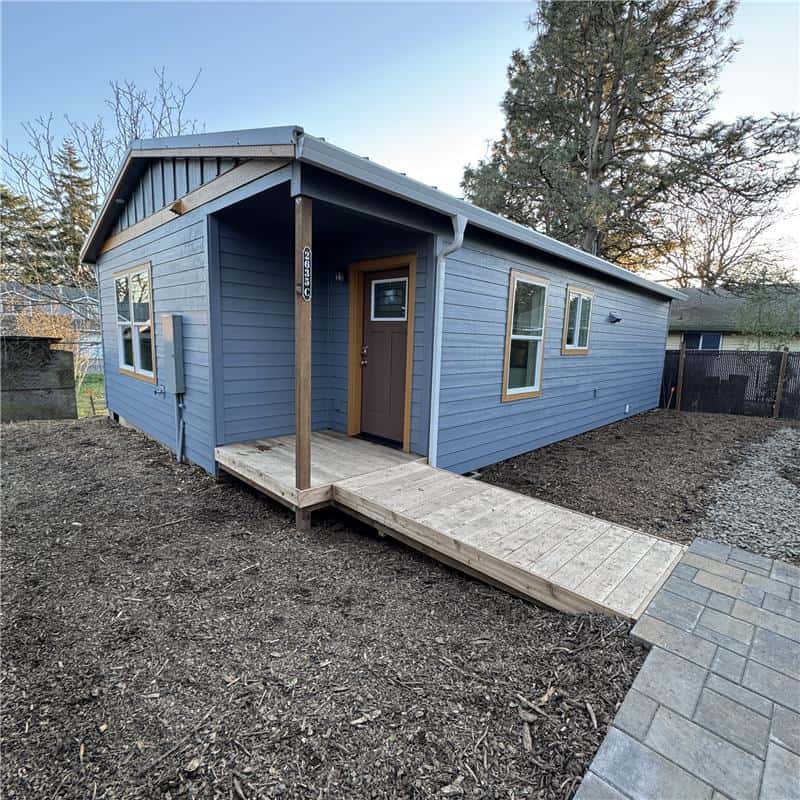
There comes a moment many families are not quite ready for. Mom is still independent, but the stairs are becoming a problem. Dad still wants his own kitchen, his own chair, his own morning routine, but living alone is starting to feel less comfortable for everyone. The kids are grown, the family home feels too big, and the question starts to hang in the air:
What is the right next step?
For many families, the answer is not an assisted or senior-living community. It is not a cramped spare bedroom. It is not selling everything and rushing into a decision that feels permanent before anyone is ready. The answer may be an aging-in-place home.
An aging-in-place home is designed around a simple but powerful idea: seniors should be able to live safely, comfortably, and independently for as long as possible, without being separated from the people who love them.
At Wolf Industries, we build modular homes, tiny homes, and ADUs that can be made ADA friendly for aging-in-place seniors. Every home is built to order, which means accessibility is not treated like an afterthought. It can be part of the plan from the beginning.
That matters more than most people realize. Because aging in place is not just about where someone lives.
It is about dignity. It is about privacy. It is about family staying close without everyone feeling crowded. And it is about building a home that works not just for today, but for the years ahead.
Why More Families Are Looking for an Aging-in-place Home
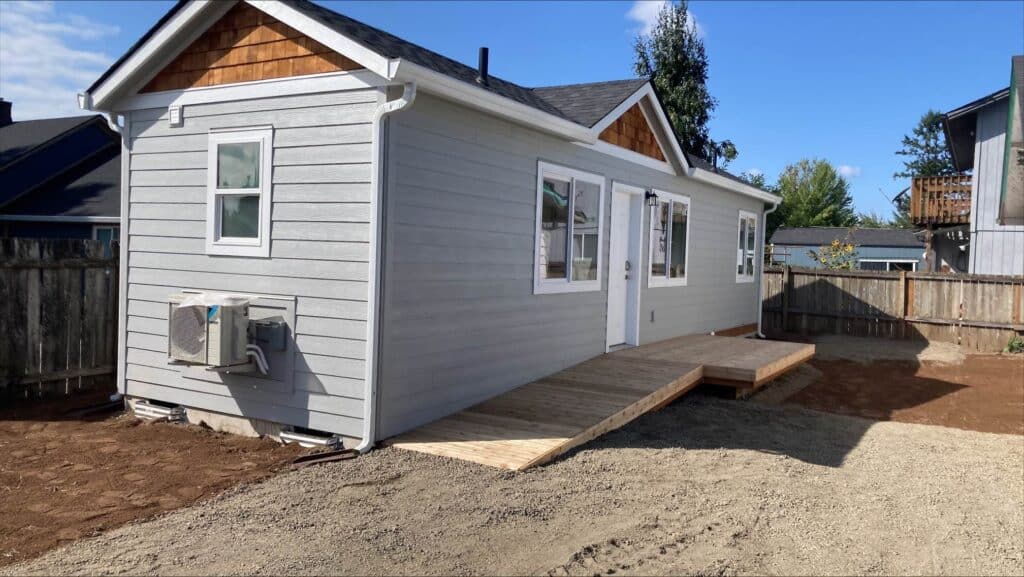
Over half of Wolf’s business is building homes for aging parents who are moving into a smaller home. Sometimes that home is placed on their own property, allowing them to downsize while passing the main home to their kids. Other times, the home is placed on an adult child’s property, creating a private space close to family support.
That arrangement solves one of the hardest problems families face. How do you help aging parents without making them feel like they have lost control of their life?
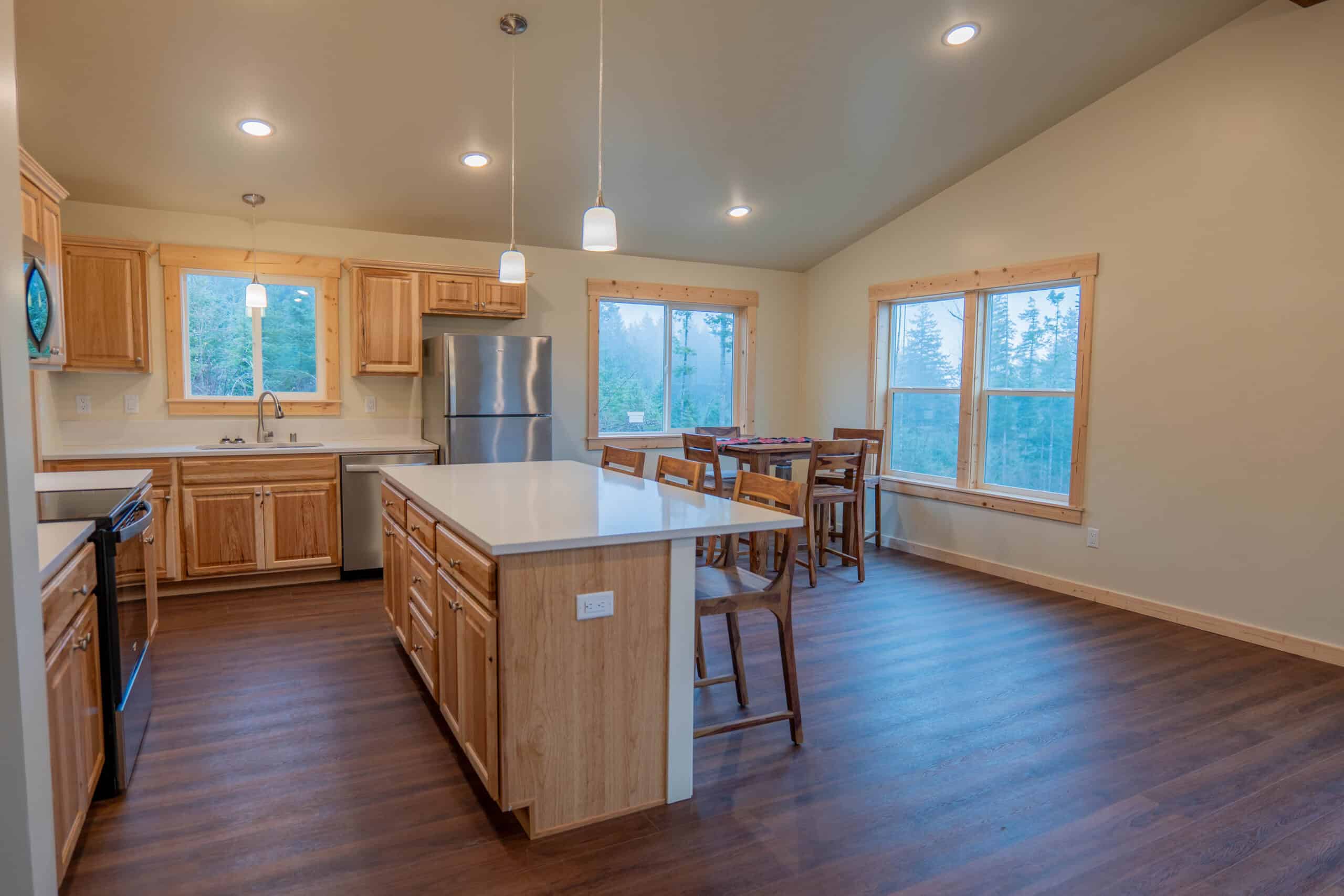
A backyard ADU or small modular home can give a senior parent their own front door, kitchen, bathroom, bedroom, and living space. They can still host coffee. Still have quiet evenings. Still keep their routines. But family is nearby.
That means small moments of support become easier. A quick check-in. Help with groceries. Dinner together. A ride to an appointment. Someone close enough to notice when something is off.
This is the balance many families are looking for. Not distance. Not dependence. Something better.
What Makes a Home ADA Friendly for Aging in Place?
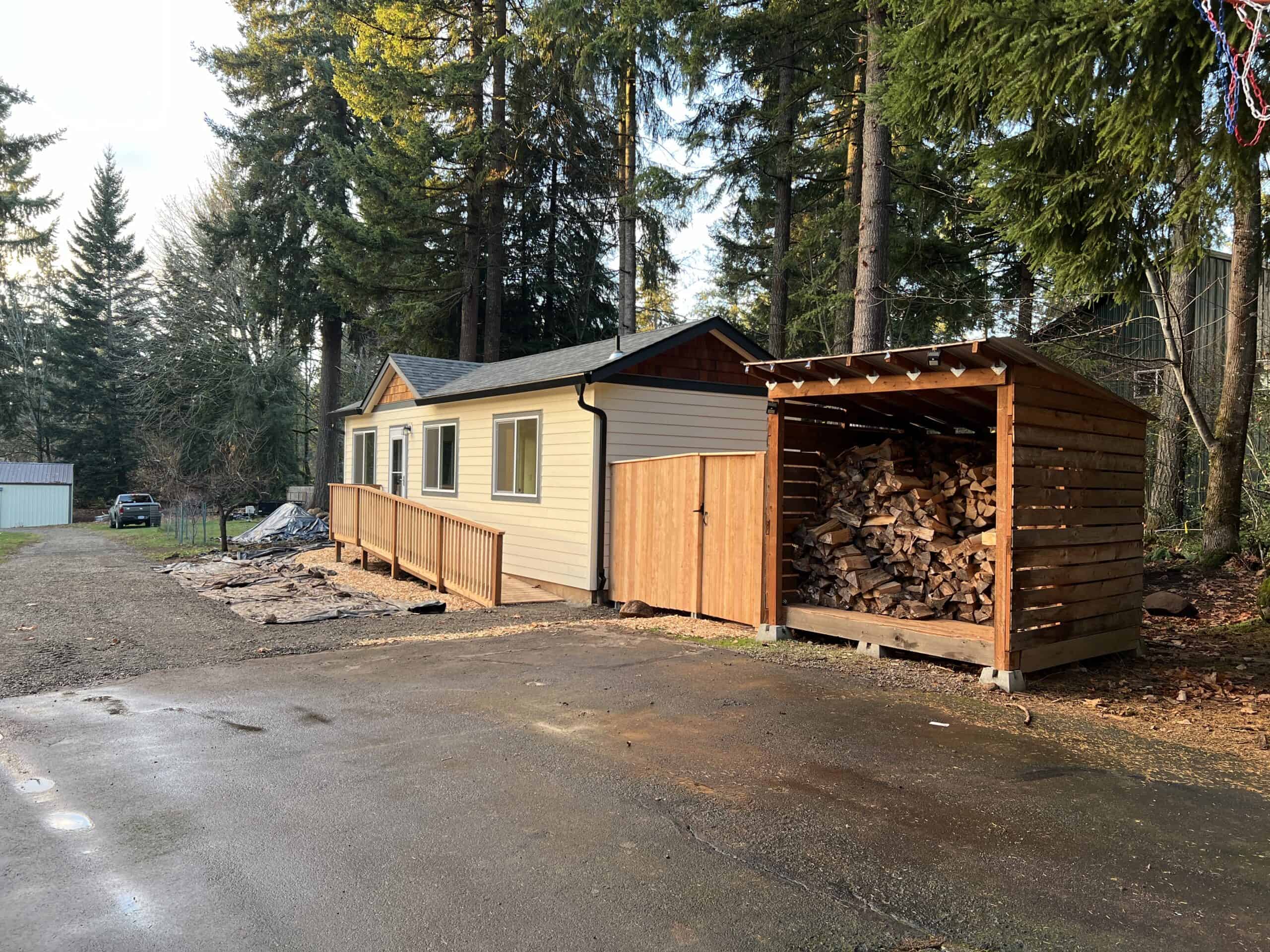
Aging-in-place design is not about making a home feel clinical. It is about removing the daily friction that makes life harder as mobility, balance, eyesight, or strength changes.
Wolf homes can be customized with accessibility accommodations such as:
- Wider doors
- Wider hallways
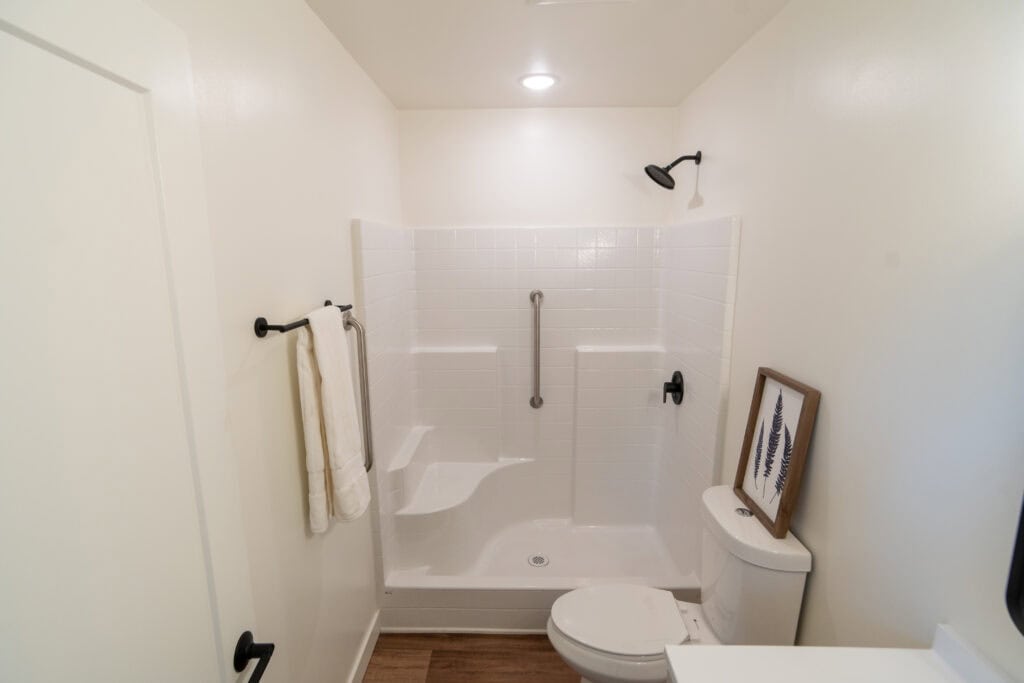
- Grab bars
- No-step entries
- No-step showers
- Increased lighting
- Accessible bathroom layouts
- Easier movement between rooms
These details may sound simple, but they can completely change how safe and usable a home feels.
A narrow hallway may not matter much today, until a walker becomes necessary.
A step into the shower may not seem like a major issue, until balance becomes less reliable.
Poor lighting may seem like a minor inconvenience, until it increases the risk of a fall.
That is why an aging-in-place home should be planned before there is a crisis. When accessibility is designed into the home from the start, the result feels natural. It feels intentional. It feels like a real home, not a retrofit.
All Wolf Models Can Be Made ADA Friendly
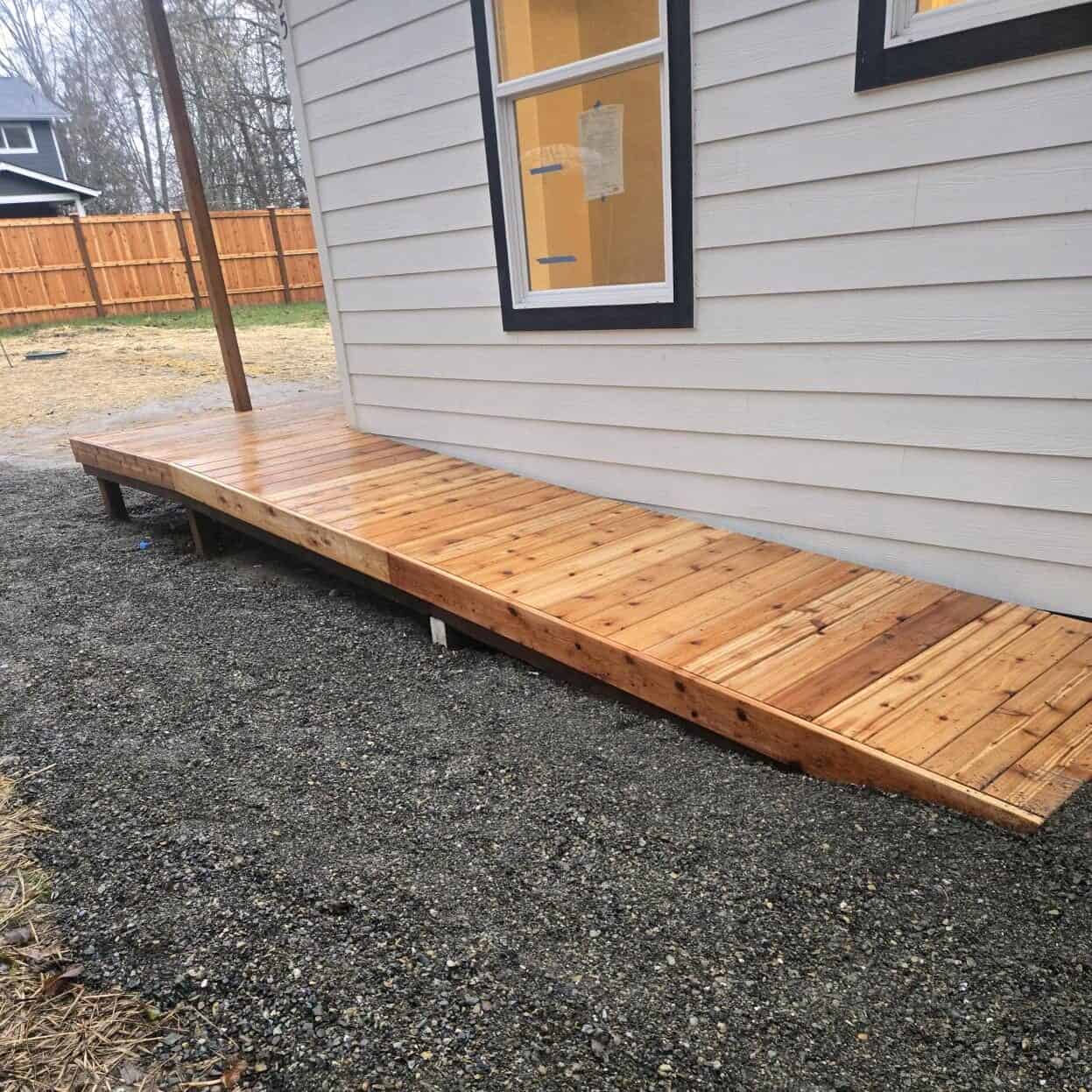
One of the biggest misconceptions about aging-in-place housing is that families have to choose from a limited set of plain, medical-looking floor plans. That is not the case with Wolf.
All Wolf models can be made ADA friendly. Because each home is built to order, customers can discuss the specific accommodations they need and design the home around real life.
Some families may only need wider doors and better bathroom access. Others may want a no-step shower, grab bars, increased lighting, and a layout that allows easier movement throughout the home. Some may be planning for a parent who is fully mobile today but wants to be prepared for future needs. That flexibility is important because no two families are exactly alike.
Aging in place for one person might mean a compact home on their own land. For another, it might mean a backyard ADU close to the grandkids. For another, it might mean moving into a smaller, easier-to-maintain home while keeping the family property in the next generation.
The home should fit the person. Not the other way around.
An Aging-in-place Home Can Help Seniors Downsize Without Losing Their Independence
Downsizing can be emotional. For many seniors, the family home represents decades of memories. It may be where they raised their kids, hosted holidays, planted gardens, and built their life. So, when the home starts to feel too large, too expensive, or too difficult to maintain, the decision to move is rarely just practical. It is personal.
An aging-in-place modular home can make the transition feel less like a loss and more like a smart next chapter. Instead of moving into a facility or faraway apartment, a parent can move into a smaller home designed around comfort, safety, and independence.
They can keep the parts of home that matter most:
- Their privacy.
- Their routines.
- Their belongings.
- Their ability to make choices.
And for adult children, it creates peace of mind. They know their parent is close but not crowded into a spare room or dependent on shared space every day.
That difference matters. Because love should not require everyone to give up their boundaries.
Why a Modular Home Makes Sense for Aging Parents
Traditional construction can be overwhelming. There are contractors, delays, weather issues, permitting questions, site work, utility coordination, and budget uncertainty. For families already trying to make a major decision for an aging parent, that can feel like too much.
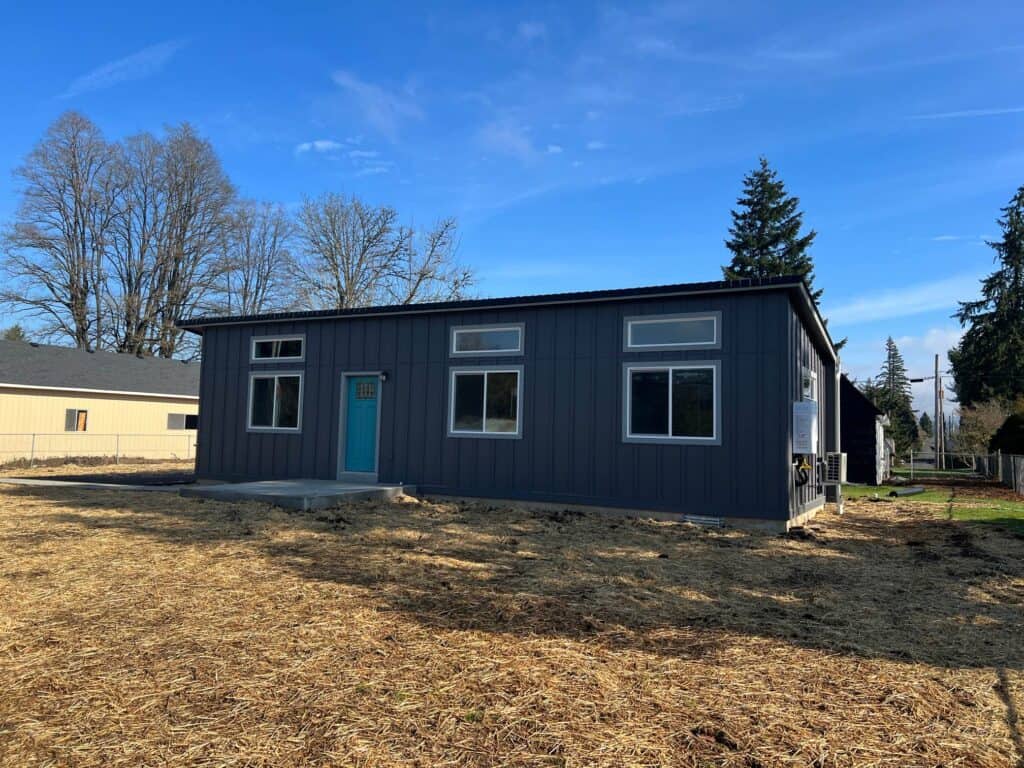
Wolf’s modular process is built to make the path clearer. The company positions its process around helping customers move from the first idea through planning, permitting, production, delivery, and setup with more clarity and coordination.
Because the home is built in a factory, much of the construction happens in a controlled environment. That can reduce some of the chaos that comes with a traditional site-built project. The result is a more streamlined way to add a real, livable home to a property.
For aging-in-place projects, that matters because families often need a practical solution, not an endless construction headache.
They need to know:
- What can be built.
- What the property can support.
- What accommodations can be added.
- What the process looks like.
And how to move forward without feeling like they are guessing.
The Emotional Side of Building an Aging-in-place Home
Most conversations about senior housing focus on square footage, bathrooms, and floor plans. Those things matter. But they are not the whole story.
The deeper question is this:
How do we care for our parents without making them feel like they are becoming a burden?
That is the real fear many families carry. Parents do not want to feel like they are disrupting their children’s lives. Adult children do not want to feel like they are choosing between their own household and their parent’s wellbeing.
An aging-in-place home can ease that tension. It creates closeness without constant togetherness. Support without hovering. Independence without isolation.
A parent can live nearby while still having their own home. Family can help when needed, but everyone still has space to breathe. That is not just a housing solution. It is a relationship solution.
Planning Ahead Is Better Than Reacting Later
Many families wait until something happens before they start looking for senior housing options.
A fall. A health scare. A sudden realization that the stairs are no longer safe. A parent who can no longer keep up with maintenance. By then, everyone is under pressure. Decisions get rushed. Options feel limited. Emotions run high.
Planning an aging-in-place home earlier gives families more control. It allows time to think through the property, the layout, the accessibility features, the permitting path, and the long-term needs of the person who will live there.
It also allows the senior parent to be part of the decision. That is important. This is their home. They should have a say in how it feels, how it functions, and how it supports their daily life.
What to Consider Before Building an Aging-in-place Home
Before choosing a model or layout, families should think about how the home will actually be used.
- Can the resident move through the space comfortably?
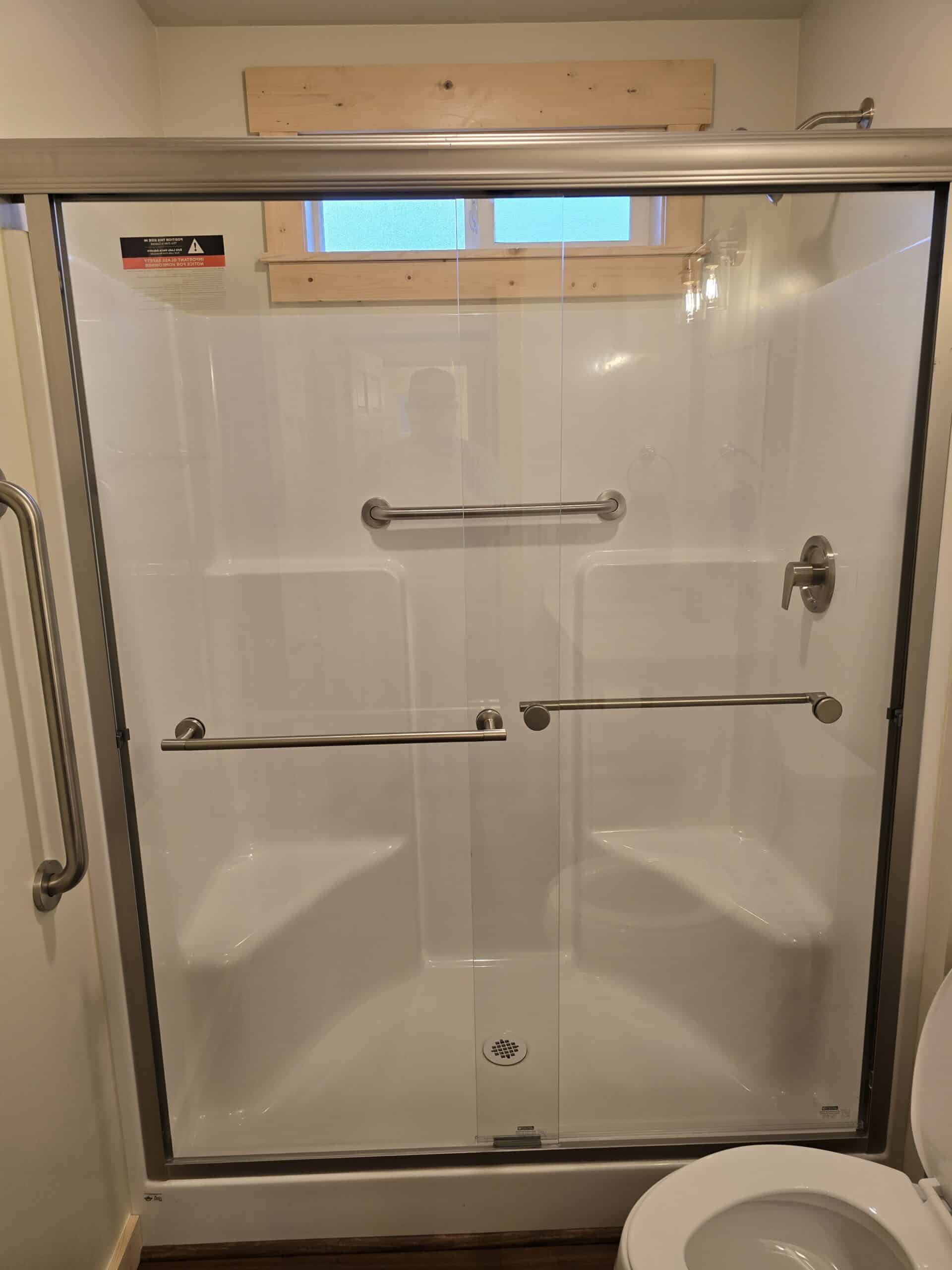
- Is the bathroom designed for safety?
- Can the shower be entered without a step?
- Are doors and hallways wide enough for future mobility needs?
- Is the lighting strong enough for aging eyes?
- Is the entry easy to access?
- Will the home still work if care needs change?
- Can family members provide help without invading privacy?
These questions are not about fear. They are about preparation. A well-planned aging-in-place home gives families more options later. And options are valuable.
A Better Way to Care for Aging Parents
There is no one-size-fits-all answer for senior housing. Some families need a backyard ADU. Some need a smaller home on the parent’s existing property. Some need a flexible modular home that can change with the family over time. But for families who want to keep aging parents close while preserving independence, an ADA friendly modular home can be one of the most practical and compassionate choices available.
Wolf builds every home to order, and all models can be made ADA friendly. That means families can choose the model that fits their property and lifestyle, then add the accessibility features that make the home safer and easier to live in.
- Grab bars.
- Wider doors.
- Wider hallways.
- No-step entries.
- No-step showers.
- Better lighting.
A home that feels comfortable now and makes sense for the future.
The Right Aging-in-place Home Is About More Than Safety
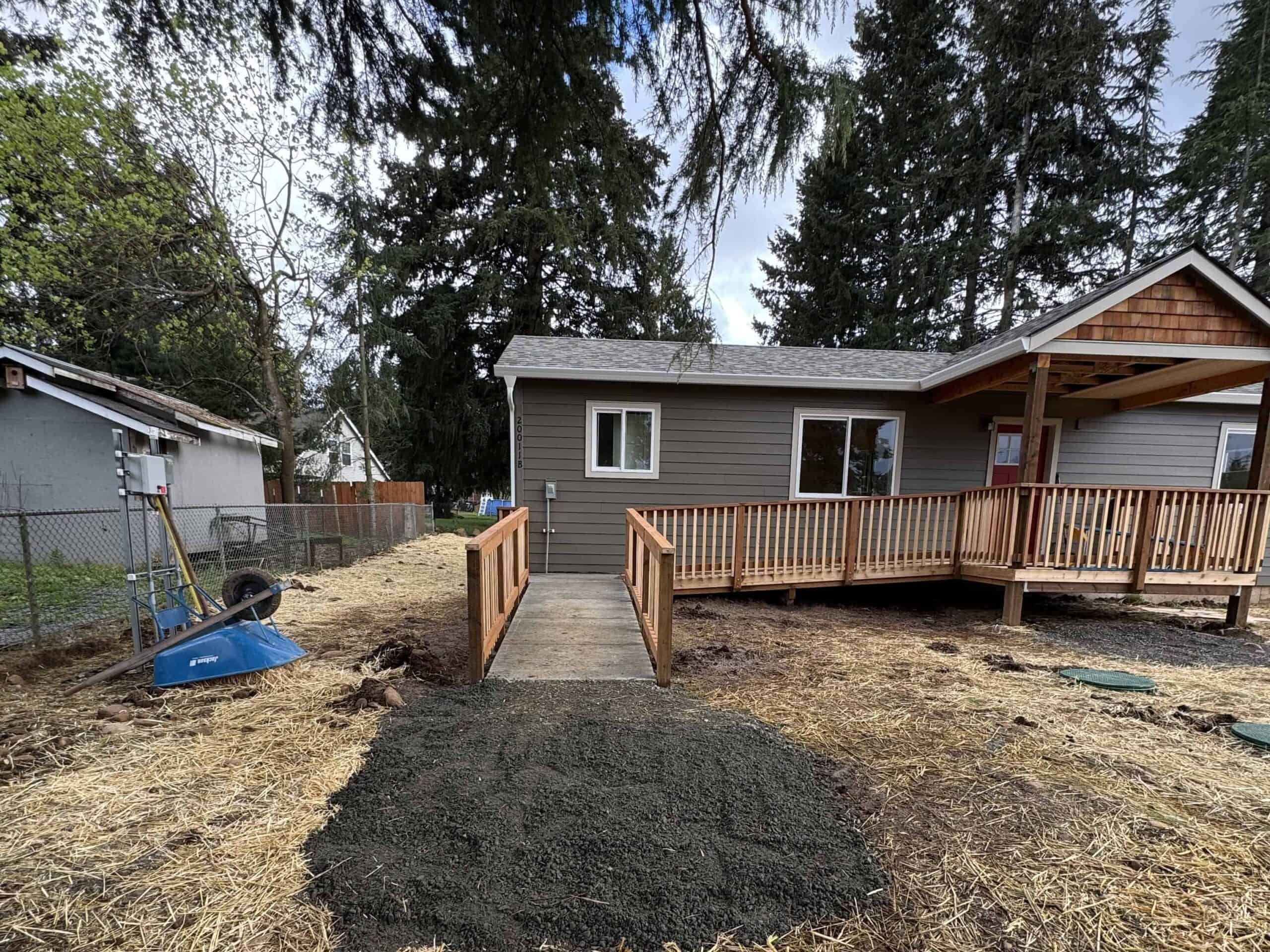
Safety matters. But the best aging-in-place home does more than prevent problems. It helps someone feel at home. It gives them a place to wake up with confidence.
- A kitchen they can use.
- A bathroom that feels secure.
- A living room that still feels like theirs.
- A front door they can open to family, friends, and grandkids.
That is the goal. Not just a smaller house. Not just an accessible unit. A real home built around the next chapter of life.
For many families, that next chapter can happen close to the people who matter most. And with the right planning, it can happen without sacrificing privacy, dignity, or peace of mind.
Ready to Explore an Aging-in-place Home?
If you are thinking about building an aging-in-place home for yourself, a parent, or another loved one, Wolf can help you explore what is possible.
Whether you want to place a smaller home on your own property or create a private space for an aging parent on your family’s property, Wolf can build a home to order with the ADA friendly features your family needs.
Aging in place should not mean struggling through a home that no longer works. It should mean living with comfort, safety, independence, and family close by. That starts with a home designed for real life.
Learn more about what’s possible with our free property evaluation.