
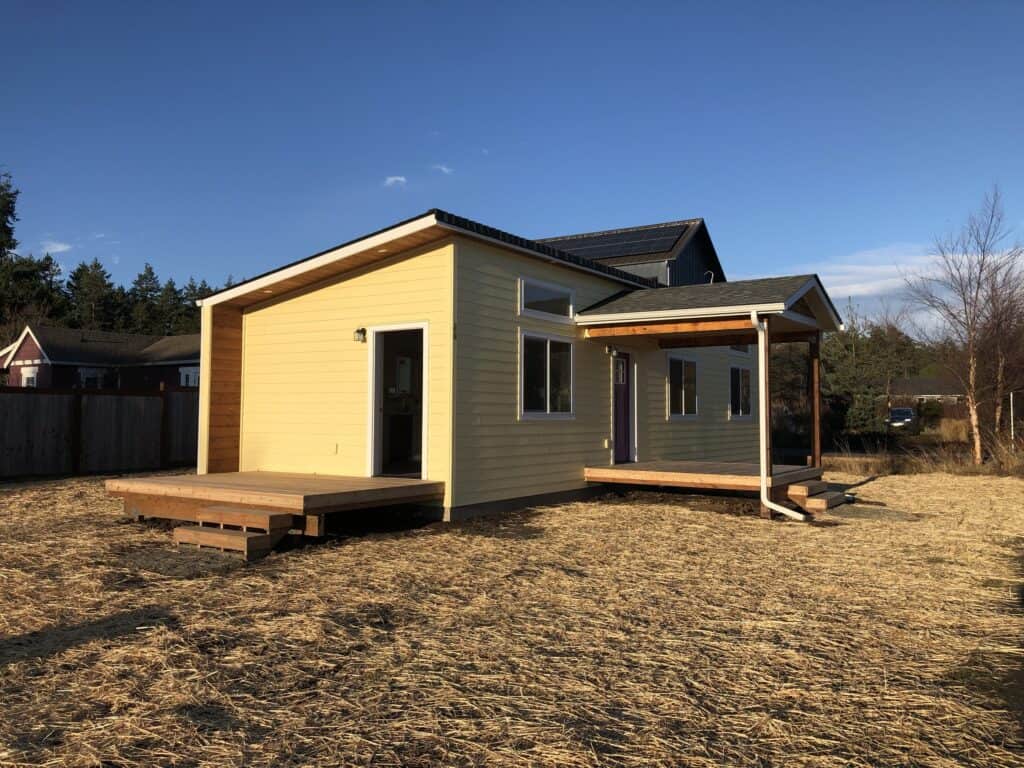
Adding an ADU in San Juan County can be one of the smartest ways to create more usable space on your property. Maybe you want a private place for aging parents, a guest house for family, a long-term rental option, or a flexible backyard home that adds long-term value. But in San Juan County, the question is not just “Can I build an ADU?” The better question is, “What kind of ADU is allowed on my property, and what process do I have to follow?”
That is where San Juan County’s ADU rules and regulations matter. The County treats attached, internal, and detached ADUs differently, and detached ADUs outside urban growth areas and activity centers may be subject to an annual eligibility process. For many property owners, the rules around parcel size, utilities, parking, septic capacity, building permits, and the ADU lottery can feel overwhelming before the project even starts.
Wolf Industries helps homeowners cut through that uncertainty. With over 600 ADUs and modular homes built throughout the Pacific Northwest, including builds in San Juan County WA, Wolf brings a proven turn-key process to complex projects. From feasibility and permitting to production, delivery, and setup, Wolf helps homeowners understand what is possible before they invest too much time, money, or energy into the wrong plan.
The best first step is simple: start with Wolf’s free property evaluation. It gives you a clearer picture of what may be possible on your specific property before you move forward.
What Counts as an ADU in San Juan County?
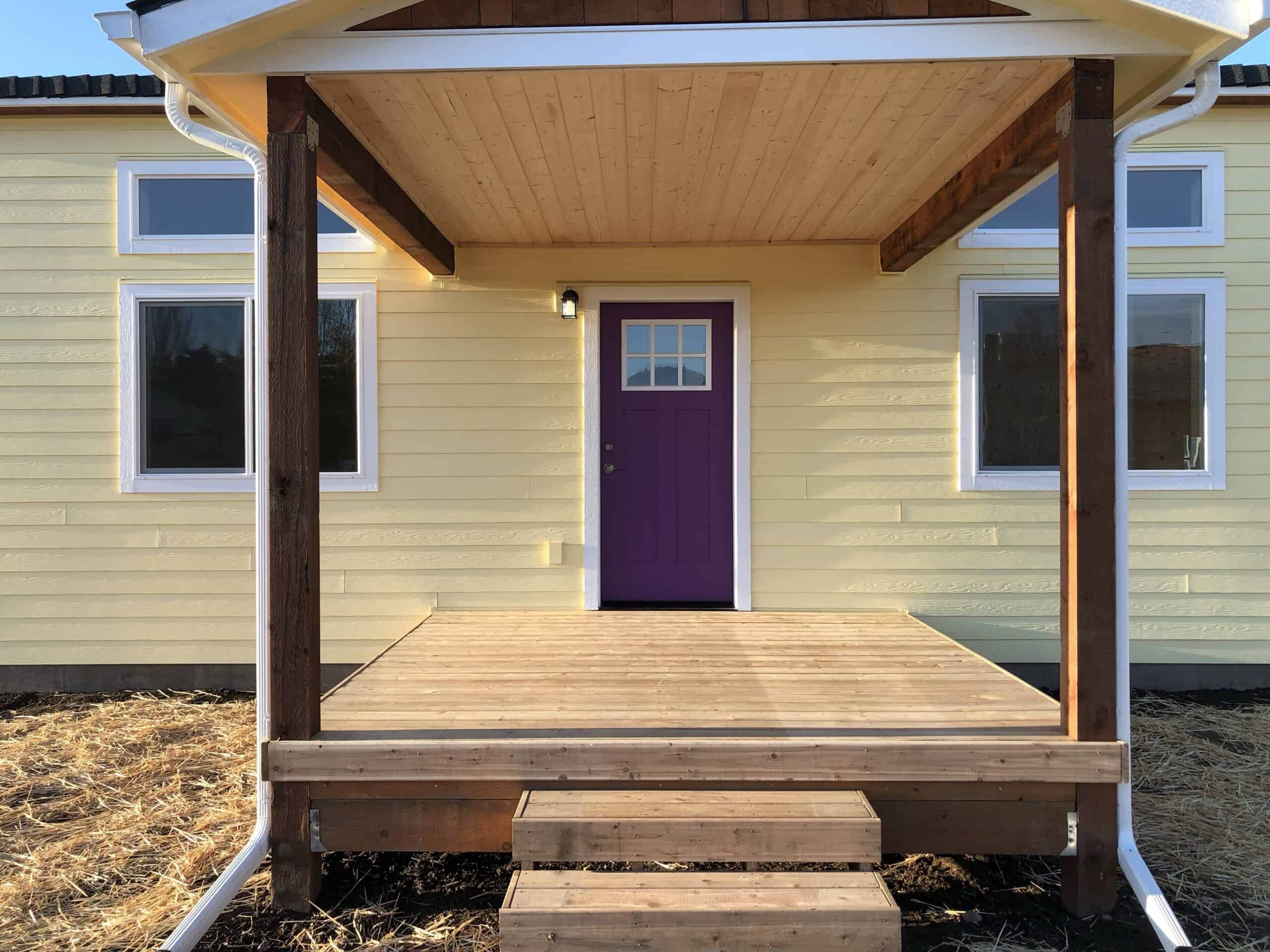
San Juan County defines an accessory dwelling unit, or ADU, as a living area that is accessory to the principal residence, located on the same lot, and provides sleeping quarters, a kitchen, and sanitation facilities. An ADU may be internal, attached, or detached.
That distinction matters.
An internal ADU is part of the principal residence. An attached ADU is connected to the principal residence by a common wall, continuous roof and exterior wall enclosure, or a qualifying continuous roof connection. A detached ADU is physically distinct from the principal residence and must either not be connected or be structurally independent under the International Residential Code.
For homeowners, this means the type of ADU you want to build may change the approval process. An attached or internal ADU may not require the same detached ADU eligibility process, but it still requires the proper building permit. Detached ADUs, especially outside San Juan County’s urban growth areas and activity centers, have additional rules to consider.
Detached ADUs and the San Juan County Lottery Process
One of the biggest differences in San Juan County is the detached ADU lottery process. Outside urban growth areas and activity centers, new detached ADUs are subject to San Juan County Code 18.40.240 and require an ADU lottery process to determine eligibility for a new ADU permit. Only one application per tax parcel will be assigned a number, and duplicate applications for the same parcel are rejected.
For the 2026 cycle, San Juan County announced that detached ADU applications for properties outside urban growth areas and activity centers would be accepted from April 1 through May 30, 2026. The County stated that eight eligibility slots were available for that cycle, and the application fee was $245.
The County also explains that these caps are calculated under San Juan County Code 18.40.240 based on the number of development permits issued in the previous year for new principal residences outside urban growth areas or activity centers. If the number of applications exceeds the available slots, a lottery may be required.
This is one reason it is so important to start early. Missing an application window, submitting incomplete information, or designing an ADU before confirming eligibility can cause major delays.
Key San Juan County ADU Standards Homeowners Should Know
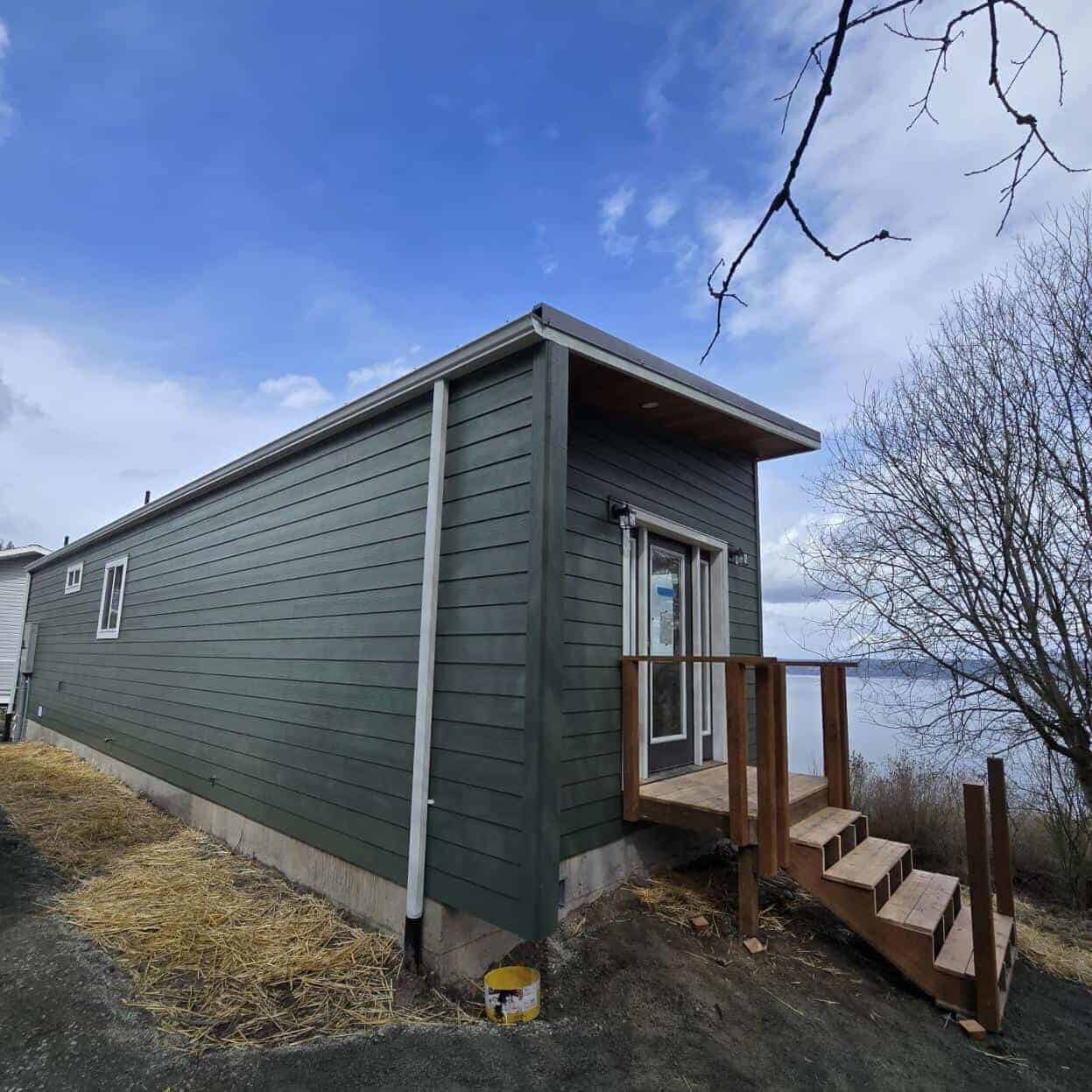
San Juan County’s ADU rules include several practical standards that can directly affect your design, placement, and project feasibility.
The County’s ADU FAQ states that an accessory dwelling unit may not exceed 1,000 square feet in living area. At least one additional off-street parking space must be provided for the ADU, in addition to the parking required for the principal residence. The ADU must use the same driveway, septic or sewer system, and water system as the principal residence. The ADU must also be owned by the owner of the principal residence.
Parcel size can also be a major factor. According to the County’s ADU FAQ, there is no minimum parcel size for a detached ADU in urban growth areas and activity centers. Outside those areas, a detached ADU is not permitted on parcels smaller than five acres in rural districts, 10 acres in agricultural districts, and 20 acres in forest districts.
Placement matters too. The County’s FAQ states that, absent special circumstances, the maximum distance between the closest vertical walls of the main house and a detached ADU may be no more than 100 feet.
These rules show why an ADU in San Juan County is not just a small home purchase. It is a site-specific project. Your parcel size, land use designation, water system, septic capacity, driveway access, shoreline status, and available building area can all affect what is possible.
That is exactly why Wolf’s free property evaluation is such a useful first step. Instead of guessing, Wolf can help review the property, identify potential issues, and map out the next steps.
Attached and Internal ADUs May Follow a Different Path
Not every ADU project goes through the detached ADU lottery process. San Juan County’s 2022 ADU FAQ states that a property owner does not need to be an ADU lottery winner to submit a building permit application for an attached or internal ADU. Anyone can apply for the construction of an attached or internal ADU at any time, though the proper building permit is still required.
That difference can be important for homeowners who are flexible about the design. In some cases, an attached or internal ADU may be a better path than a detached ADU. In other cases, a detached modular ADU may still be the preferred option because it creates more privacy, better separation, and a true second living space.
The right answer depends on your property and your goals.
Do you want a separate home for a parent or adult child? Do you need privacy for long-term guests? Are you hoping to create a rental, if allowed? Are you working with a rural parcel where the detached ADU lottery may apply? These are the kinds of questions Wolf helps sort through during the feasibility stage.
Island County ADU Rules May Be Changing
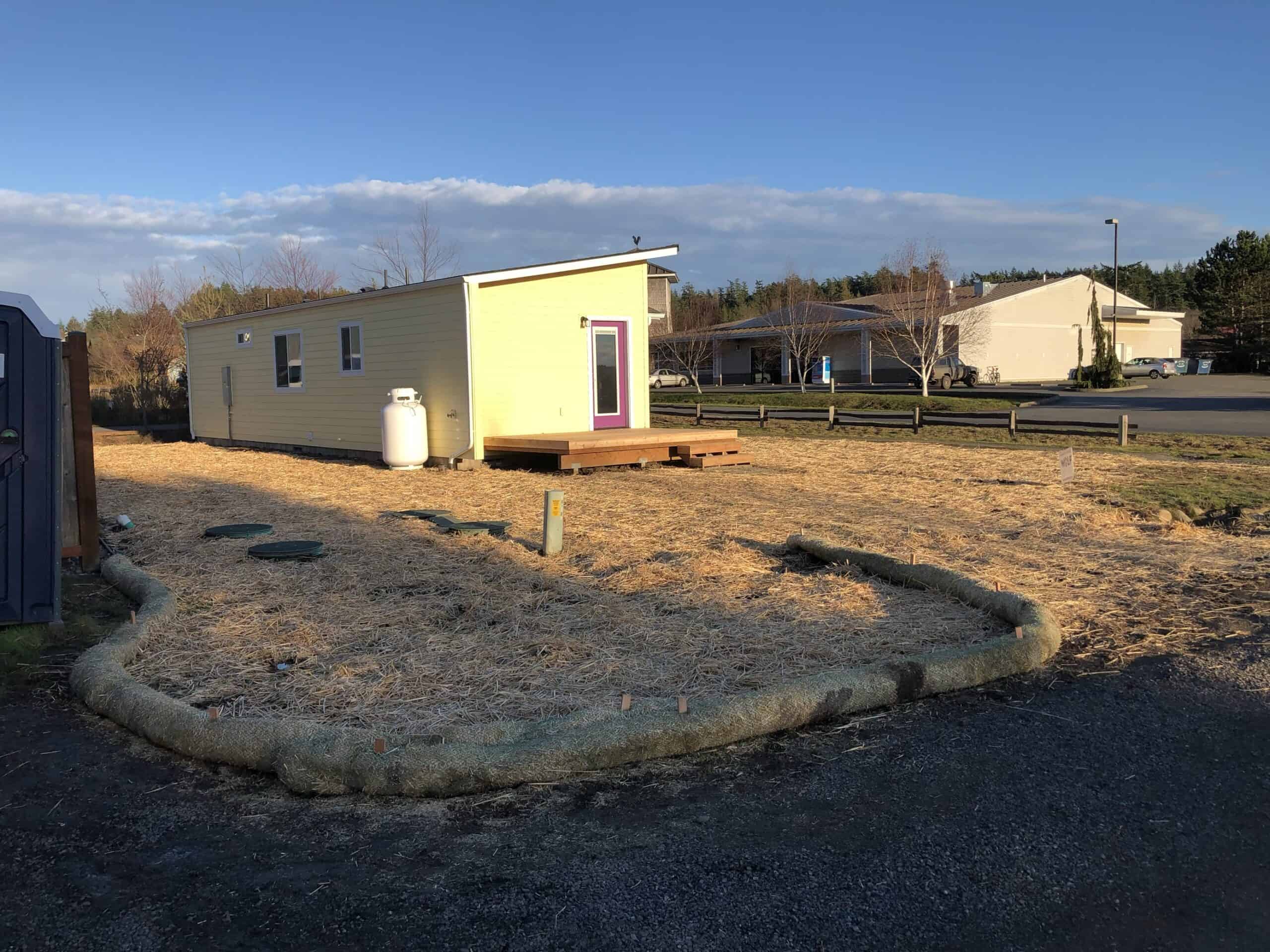
Island County’s September 3, 2025 Planning Commission agenda packet includes draft code changes related to Accessory Dwelling Units, co-living housing, temporary RV housing, and RV safe parking lots. These draft changes were prepared to help implement the 2025 Comprehensive Plan update and meet state housing requirements from HB 1220 and HB 1337.
The draft ADU changes would allow two ADUs per single-family dwelling in an Urban Growth Area or Rural Residential Zone. In Rural, Rural Agriculture, and Rural Forest zones, the draft would allow a second ADU under affordability requirements, including reservation for households at 80 percent AMI, rent limitations, and an agreement approved by the Director.
The draft changes also continue to show important standards for detached ADUs, including the 1,200 square foot maximum, common access requirement, restrictions on separate sale or transfer, and location standards. For attached ADUs, the draft maintains a 1,000 interior square foot limit and allows attached ADUs through internal conversion, added square footage, or inclusion in new single-family dwelling plans.
Because these are draft code changes, homeowners should not assume they are final without confirming current county requirements. The safest next step is to evaluate your specific property against the latest county code and permitting process.
Utilities, Septic, and Water Can Make or Break the Project
San Juan County’s ADU materials repeatedly point to utilities as a key part of the process. Detached ADUs are required to use the same on-site sewage or sewer system and water system as the main residence. The County’s building permit checklist notes that adequate on-site sewage capacity may be verified by reviewing an approved design and current inspection, while water availability may be determined through an approved water availability application.
For island properties, this can be one of the biggest planning issues. A home design might fit beautifully on paper, but the project still needs to work with septic, water, access, stormwater, and local permitting requirements.
Wolf’s turn-key process is built around solving those problems before they become expensive surprises. The goal is not just to build a beautiful ADU. The goal is to build the right ADU for the property, the jurisdiction, and the homeowner’s long-term needs.
Vacation Rental Rules for Detached ADUs
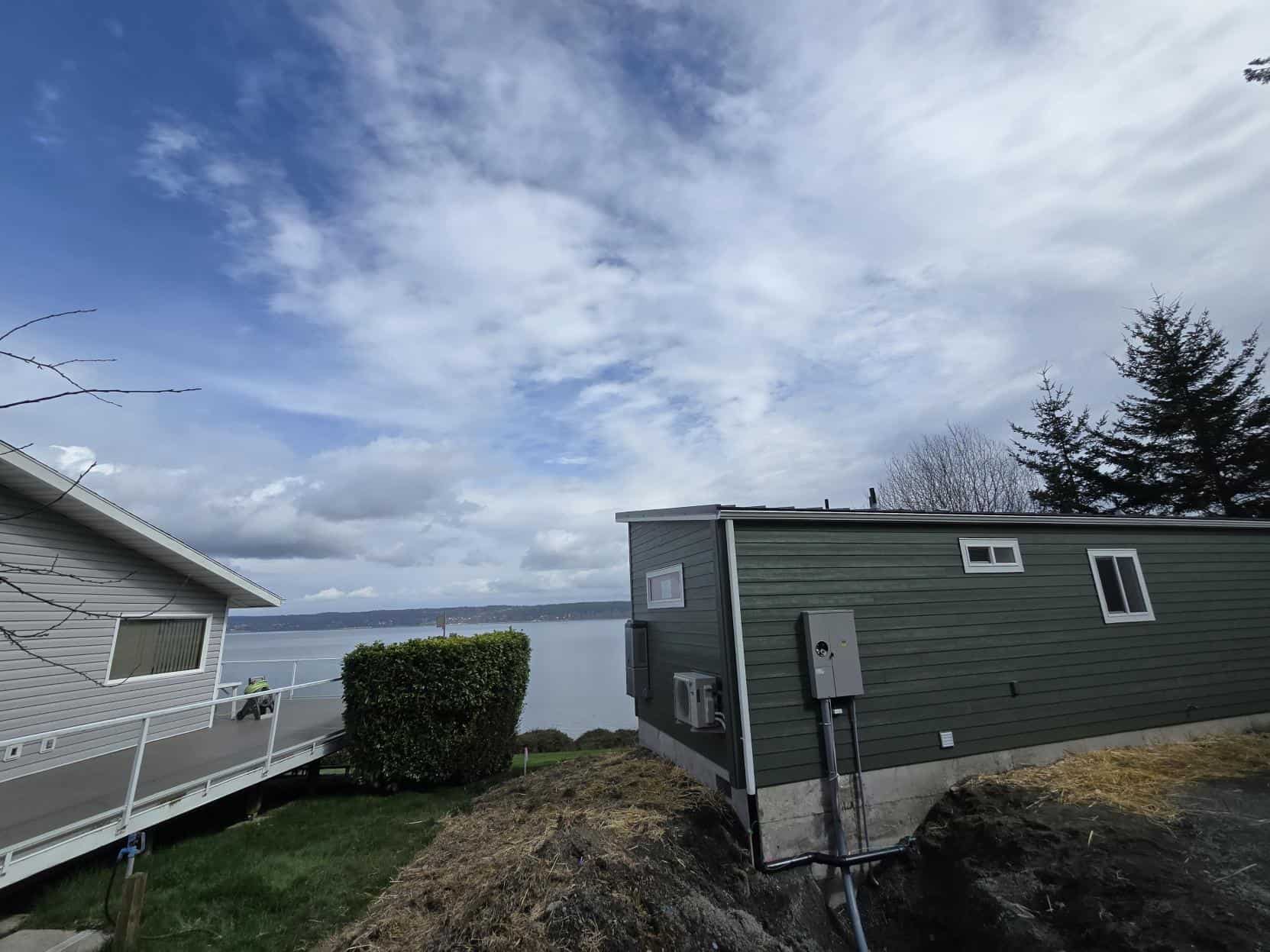
Some homeowners consider an ADU because they want additional income. In San Juan County, it is important to understand that detached ADUs are not automatically available for short-term rental use.
San Juan County’s ADU information page states that detached accessory dwelling units permitted on or after June 29, 2007 are not allowed to be vacation rentals. The County also notes that detached ADUs established under SJCC 18.40.240 cannot be separately leased or rented for less than 30 days.
That does not mean an ADU cannot still be a valuable investment. Many homeowners build ADUs for family, long-term housing, guest space, downsizing, aging-in-place, or flexible property use. But it does mean rental goals should be discussed early, before you choose a design or assume a specific income strategy.
Why an Experienced ADU Builder Matters in San Juan County
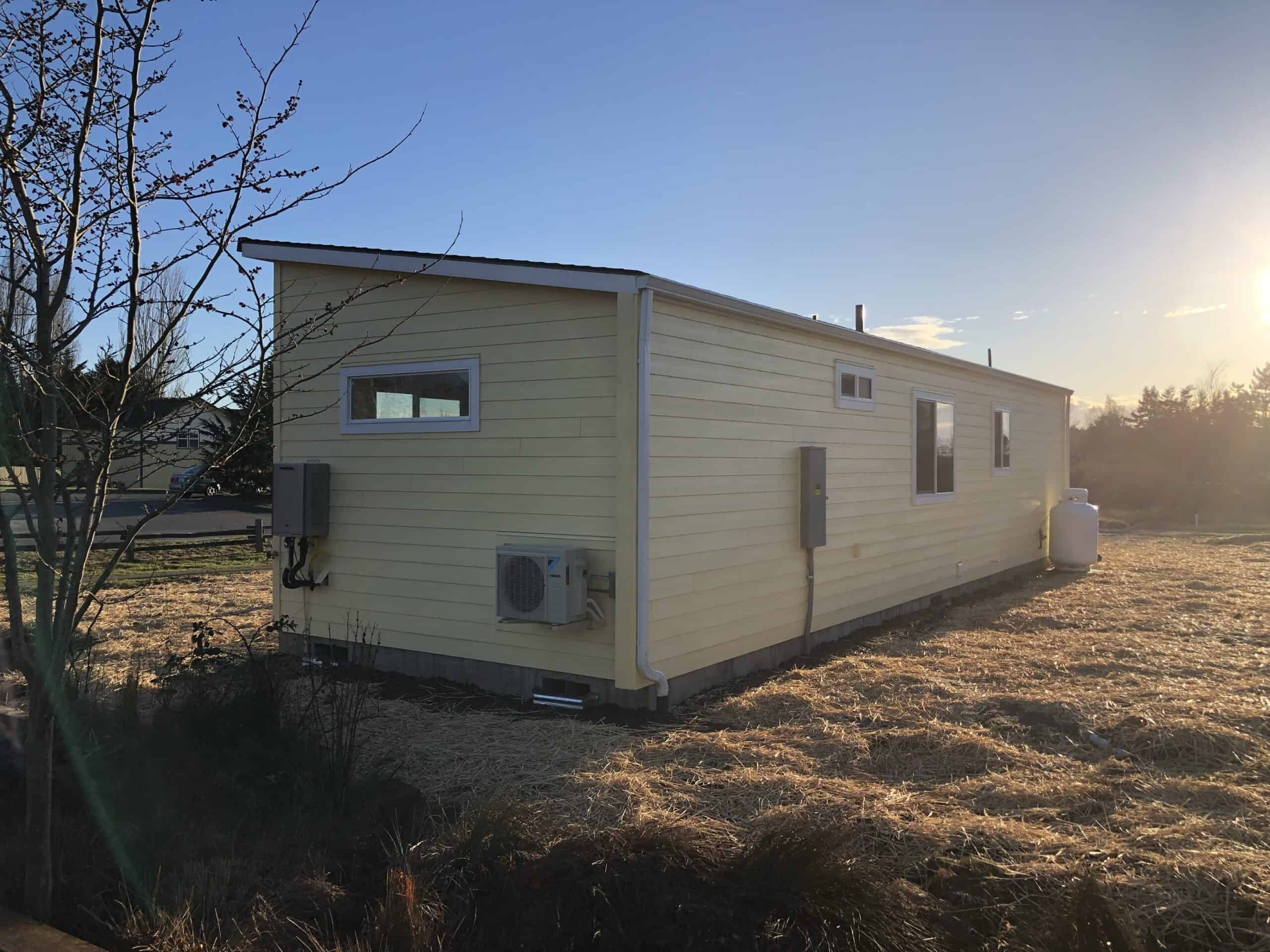
Building an ADU in San Juan County is not the same as ordering a small structure and placing it in the backyard. The process can involve zoning research, parcel eligibility, building permits, site plans, water availability, septic review, stormwater requirements, access and driveway review, shoreline considerations, inspections, and delivery logistics.
That is where experience matters.
Wolf Industries has built over 600 ADUs and modular homes throughout the Pacific Northwest, including builds in San Juan County WA. That experience matters because every jurisdiction has its own process, and San Juan County has specific rules that can affect whether a project is feasible, what type of ADU makes sense, and how quickly a homeowner can move forward.
Wolf’s turn-key process is designed to reduce the burden on the homeowner. Instead of leaving you to coordinate feasibility, permitting, design, production, sitework, delivery, and setup on your own, Wolf helps guide the full project from the first property review through final delivery.
Why an Experienced ADU Builder Matters in San Juan County
If you are researching ADU Rules and Regulations San Juan County WA, you are already asking the right questions. The next step is not to guess. The next step is to find out what is possible on your property.
Wolf’s free property evaluation is the best first step because it helps identify the major feasibility issues early. Your property may have opportunities you have not considered. It may also have limits related to land use designation, parcel size, septic, water, access, or ADU type.
Either way, you deserve real answers before you start designing, budgeting, or applying.
Schedule your free property evaluation with Wolf Industries today and find out what kind of ADU may be possible on your San Juan County property.
Sources
San Juan County, Accessory Dwelling Unit FAQ, 2015
https://www.sanjuancountywa.gov/DocumentCenter/View/1679/Accessory-Dwelling-Units—ADU-FAQs-PDF?bidId=
San Juan County, 2022 Detached Accessory Dwelling Unit Permit Procedures
https://www.sanjuancountywa.gov/DocumentCenter/View/24922/2022_ADU_Lottery_procedures
San Juan County, 2026 ADU Lottery Application Cycle Open April 1 to May 30
https://www.sanjuancountywa.gov/m/newsflash/Home/Detail/2150
San Juan County, 2022 ADU Lottery Frequently Asked Questions
https://www.sanjuancountywa.gov/DocumentCenter/View/24895/2022_ADU_FAQs
San Juan County, Accessory Dwelling Unit Information
https://www.sanjuancountywa.gov/638/Accessory-Dwelling-Unit-Information