
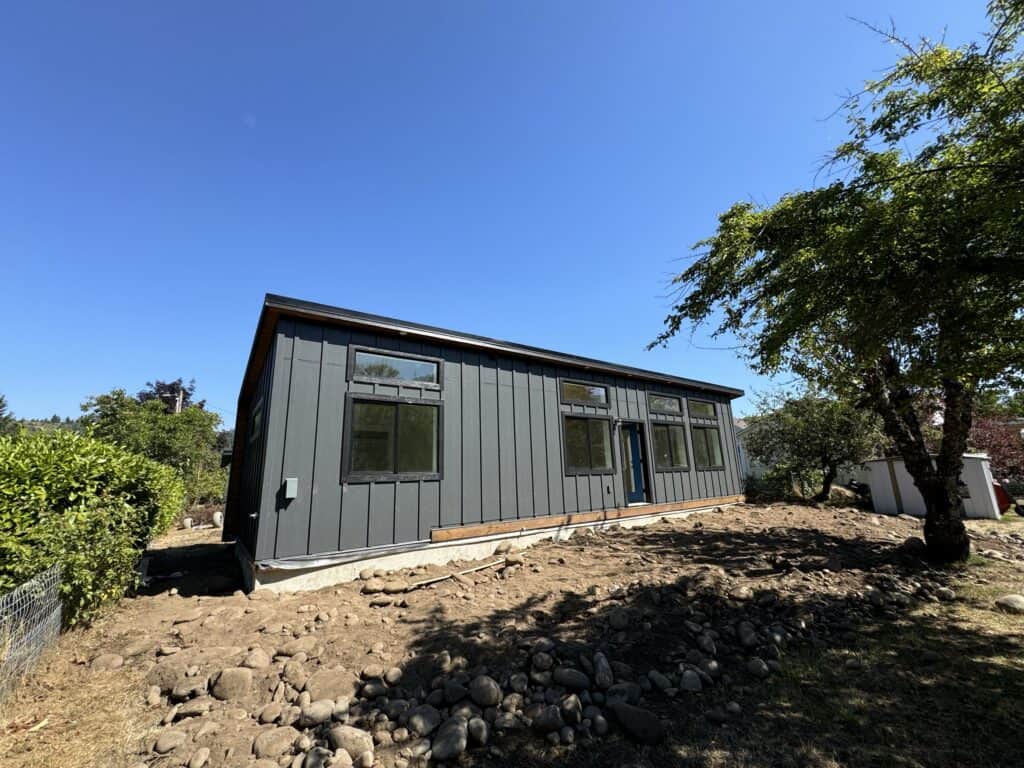
If you are searching “ADU Builder Bend OR,” you probably want the same thing every Bend homeowner wants.
A clean plan. A predictable build. A finished ADU that actually matches why you started.
There are many things to take into consideration when planning an ADU in Bend OR. City limits versus county rules. Utility runs you did not plan for. And the big one that catches people late: how short-term and long-term rental rules intersect with ADUs.
This guide is built to help you get clarity fast, whether your goal is a backyard rental, a vacation property strategy, or a place for family when life changes.
If you want a straight answer for your address, start with Wolf’s free property evaluation. Wolf has built hundreds of ADUs across the Pacific Northwest, and the fastest way to avoid expensive surprises is to get feasibility right before you spend money on design or permits.
Why Bend OR Homeowners Keep Choosing ADUs
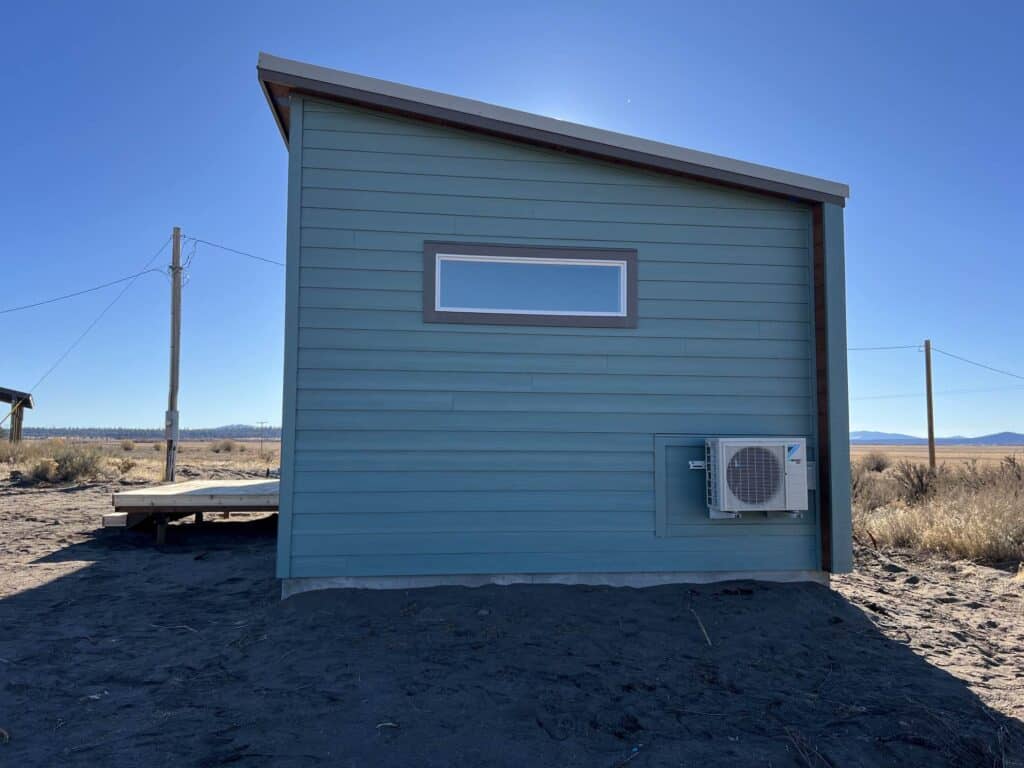
Bend is not just growing. It is evolving.
People want flexibility without leaving the neighborhood they love. They want options without committing to a permanent life decision today. An ADU does that.
An ADU in Bend can be:
- A long-term rental that offsets your mortgage or supports retirement.
- A “right now” guest space that becomes a family unit later.
- A multi-generational solution that keeps aging parents close without sacrificing independence.
- A way to get more value out of a second home, as long as you understand how rental restrictions apply.
The common thread is leverage. You are not just adding square footage. You are adding options.
First Reality Check: Are You in the City of Bend or Deschutes County?
Before you fall in love with a floor plan, figure out which set of rules applies to your property.
If you are inside Bend city limits, Bend’s ADU requirements and permit process apply. If you are outside city limits in unincorporated Deschutes County, county rules apply, and rental restrictions can look very different.
This matters because homeowners often assume “Bend rules” apply everywhere in the Bend area. They do not.
Bend ADU Rules That Shape the Whole Project
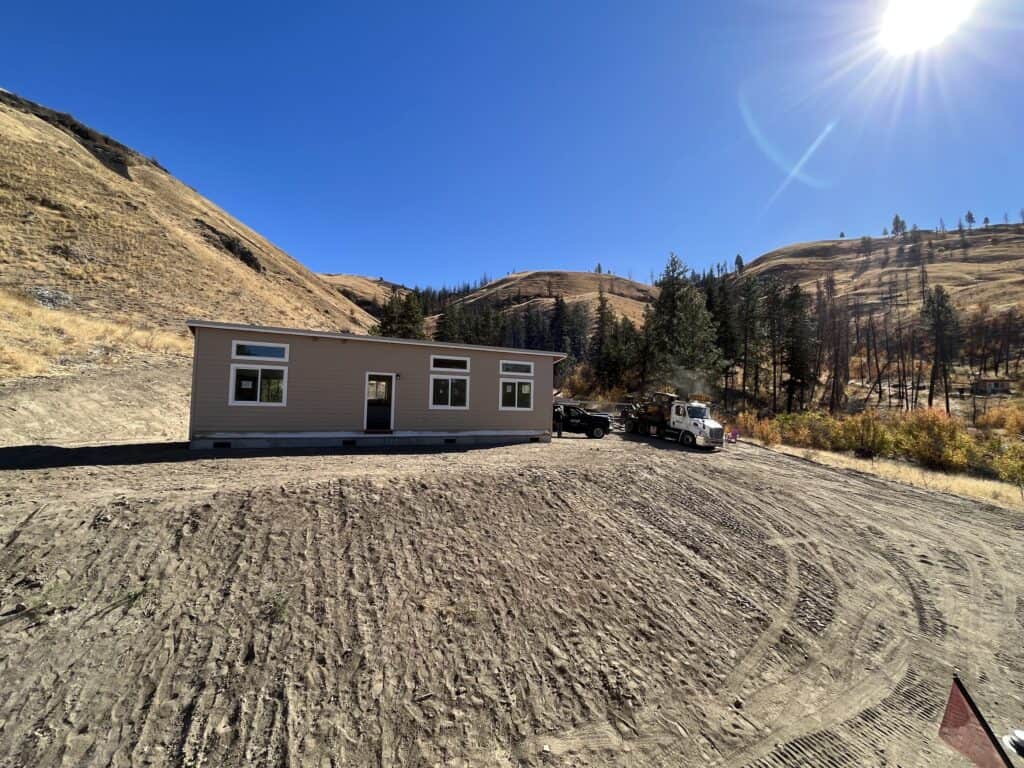
Bend has made it easier to pursue an ADU in key ways, but you still have to work inside the guardrails.
Size limits in Bend
Bend’s ADU resource hub states that ADUs must be 800 square feet or less. That number drives layout decisions fast. Two bedrooms is possible, but only if the design is efficient. Storage has to be intentional. And every “nice to have” feature competes for space.
Can you build two ADUs in Bend?
Bend’s ADU guidance and the Bend Development Code allow up to two ADUs on a residential lot in many cases. This can be a game changer if you are thinking about a future family unit plus a rental, or a flexible setup where one ADU is for guests and the other supports long-term income.
It can also create false confidence if you do not confirm your lot’s specific constraints, any special area rules, and how the city treats your specific property type. Bend notes that special rules can apply in some areas, and private covenants, codes, and restrictions can also restrict ADUs even if the city allows them.
Parking in Bend
Bend’s ADU code requirements indicate there is no minimum on-site parking requirement for ADUs. That is helpful on tighter sites where you do not want to tear up your yard or rework access.
It does not mean your site is automatically simple. Driveway geometry, access, snow storage, and how you handle parking in real life can still influence design decisions.
The Bend Rental Question: Short-Term vs Long-Term
This is where many homeowners get burned.
They plan the project like it is a rental play, only to learn late that their preferred rental strategy is not allowed, or requires additional permits, or conflicts with owner occupancy rules.
You do not need to fear this. You just need to confront it early.
Short-term rentals inside Bend
Bend’s short-term rental page explains that an “owner-occupied short-term rental” is renting bedrooms in the structure you occupy, and those bedrooms cannot be in an attached or detached ADU or guest house.
In plain English, if your plan is “I’ll build an ADU and use it as my owner-occupied short-term rental,” you need to slow down and confirm what is actually allowed for your scenario.
Separate from that, Bend also has a standard short-term rental permit and licensing process for whole-unit rentals, and it is not the same as ADU permitting.
The takeaway is simple: ADU approval does not automatically equal short-term rental approval.
Vacation rental restrictions in unincorporated Deschutes County
If your property is in unincorporated Deschutes County, pay very close attention to the county’s restrictions around short-term vacation occupancy.
Deschutes County materials addressing rural ADUs include prohibitions on short-term vacation occupancy for ADUs, and county guidance and supporting documents reference state requirements that prevent ADUs from being used for vacation occupancy in certain contexts.
This is the moment where a lot of “vacation home ADU” dreams collide with reality.
A long-term rental strategy is often much cleaner. A guest suite and family-flex strategy is often safer. If your goal is short-term rental income, you need property-specific confirmation before you treat that income as part of your plan.
If you want Wolf to pressure-test your rental idea against your address, start with the free property evaluation.
Modular and Factory-Built ADUs in Bend: Why It Fits
Bend homeowners tend to care about three things:
- Quality.
- Timeline.
- Disruption.
A modular, factory-built approach is attractive because it reduces how long your property feels like a construction site. The home is built in a controlled environment, then delivered and set, with sitework and finishing coordinated around that plan.
That matters in Central Oregon, where weather windows and contractor schedules can stretch timelines if you are trying to do everything on-site.
A factory-built approach also forces decisions earlier, which is a good thing. It reduces the “we’ll figure it out later” problem that inflates budgets and drags schedules.
What you need to confirm early for a modular ADU in Bend
Site access for delivery day.
Utility routing.
Foundation approach.
And neighborhood context matters, because you want the ADU to feel like it belongs, not like an afterthought.
This is exactly why the first step should be feasibility, not inspiration.
Bend Permitting: How to Avoid the Loop of Redesign
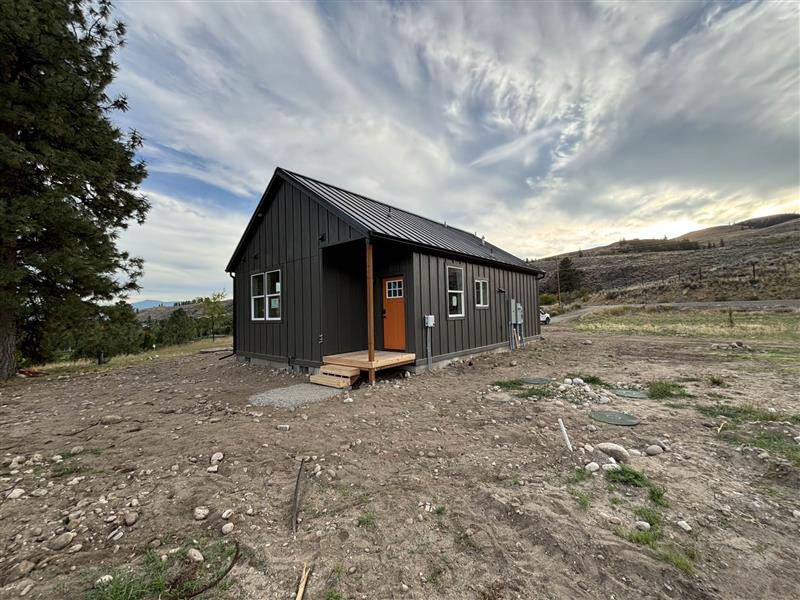
Bend’s ADU resource hub notes that you only need to apply for one permit to satisfy both Planning and Building Safety permitting requirements. That can streamline the experience, but it does not eliminate the biggest permitting pain point: redesign.
Redesign happens when homeowners commit to a plan before understanding constraints.
Constraints like:
- Setbacks and buildable area.
- Existing utility locations.
- Tree impacts.
- Slope and drainage.
- Fire and safety requirements that influence layout.
If you want a smoother path, align the plan to the site from day one. The fastest next step is Wolf’s free property evaluation form.
What Does an ADU Cost in Bend, OR?
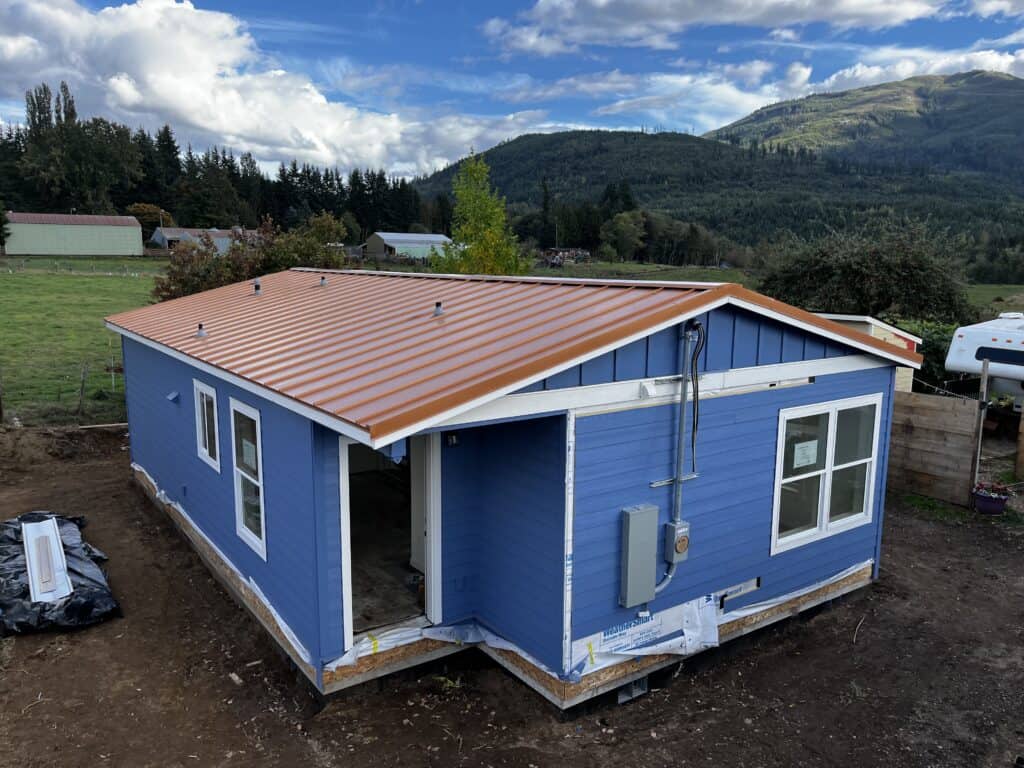
Cost is not a single number. It is a result. The reason most budgets blow up is not finish selection. It is hidden site complexity.
In Bend, the biggest cost drivers usually look like this:
First driver: sitework and utilities. Trenching, utility distance, and tie-in complexity can swing costs dramatically.
Second driver: design decisions that change structural and mechanical needs. A few feet in one direction can trigger a different foundation approach or a more complex utility run.
Third driver: permitting friction and time. Time is money, especially when you are managing multiple trades and schedule gaps.
If you want real numbers tied to your property, not a vague internet range, start with Wolf’s free property evaluation.
Why Wolf for an ADU in Bend
Because you do not need a builder who “can build an ADU.” You need a builder who can help you avoid the expensive parts of learning. Wolf has built hundreds of ADUs across the Pacific Northwest. That experience matters because most problems are predictable if you know where to look.
Wolf’s process is designed to reduce surprises, from early feasibility through permitting, production, and delivery. If you are serious about building in Bend, the smartest move is to start with clarity.
Start with a free Property Evaluation.
FAQ: ADU Builder Bend OR
Can I use an ADU as a short-term rental in Bend?
Short-term rental rules and ADU rules are not the same thing. Bend’s owner-occupied short-term rental guidance states that the bedrooms must be within the structure you occupy and cannot be in an attached or detached ADU or guest house. If STR income is part of your plan, confirm your exact scenario before you commit to design.
Can I build an ADU for a vacation home in the Bend area?
Sometimes, but it depends heavily on whether you are in Bend city limits or unincorporated Deschutes County, and on how you intend to rent it. County materials for rural ADUs include prohibitions related to short-term vacation occupancy in certain cases.
What is the maximum ADU size in Bend?
Bend’s ADU resource hub and code requirements state that ADUs must be 800 square feet or less.
Can I build two ADUs on one lot in Bend?
Bend’s guidance and the Bend Development Code allow up to two ADUs on a residential lot in many cases.
Do I have to add parking for an ADU in Bend?
Bend’s ADU code requirements indicate there is no minimum on-site parking requirement for ADUs.
How do I know if my property is eligible?
Start with a feasibility check that accounts for jurisdiction, site constraints, utilities, and your intended use. Wolf’s free property evaluation is built for this exact purpose.
The Bottom Line
An ADU in Bend can be one of the smartest moves you make with your property.
But only if you build the plan around reality.
Reality looks like this: jurisdiction matters, rental rules matter, and site constraints matter more than most people expect.
If you want a clean answer for your property in Bend, start with Wolf’s free property evaluation and let Wolf evaluate feasibility, constraints, and next steps for your Bend-area property.