
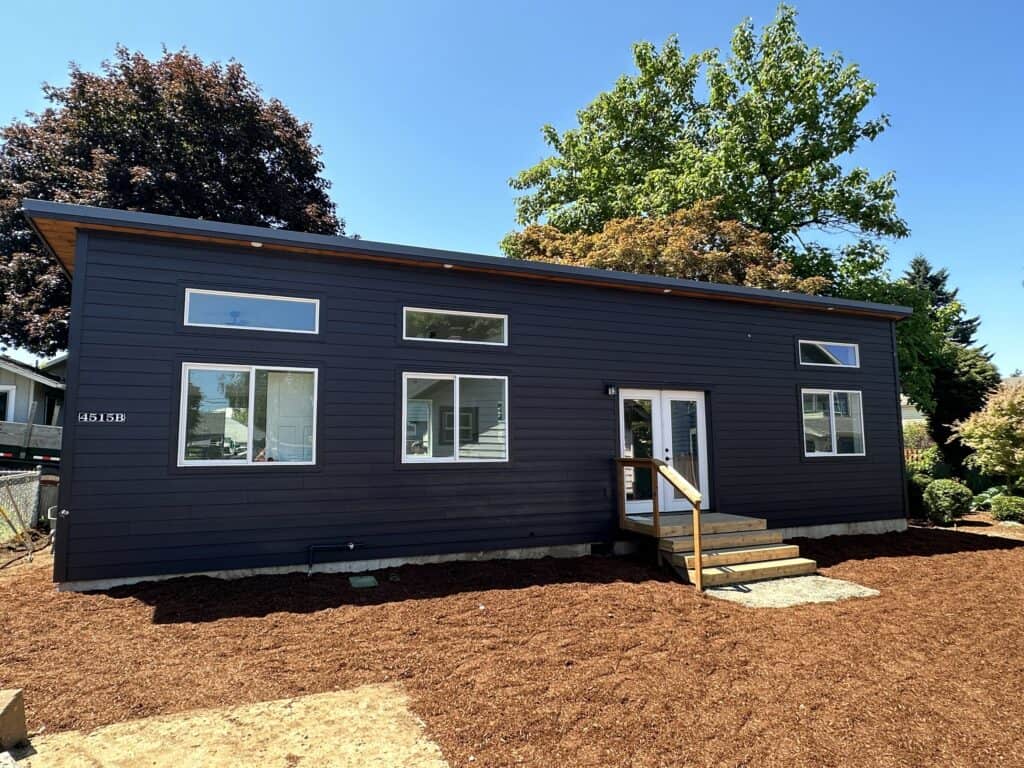
What could your Tualatin property do for you if you had one more home on it?
An accessory dwelling unit can create space for aging parents, adult children, guests, rental income, or a future downsizing plan. The possibilities are exciting. The process of getting from an idea to a finished, permitted home can be much more complicated.
You need to know whether an ADU is allowed on your property. You need to determine where it can fit, how utilities will reach it, whether the site is accessible for construction and delivery, and what permits and approvals will be required. Then someone has to coordinate the home, foundation, site work, inspections, delivery, installation, and final occupancy.
That is why choosing the right ADU builder in Tualatin matters.
Wolf Industries has built more than 600 ADUs and modular homes throughout the Pacific Northwest, including many in the Tualatin area. Our turn-key process is designed to guide homeowners from the earliest property questions through permitting, production, site work, delivery, setup, and the moment the keys are handed over after final occupancy is granted.
Instead of trying to coordinate a collection of contractors and consultants on your own, you can work with an experienced team that understands how all the pieces of an ADU project need to come together.
The best first step is simple: start with Wolf’s Free Property Evaluation. It is the most direct way to learn what may be possible on your Tualatin property before you spend time guessing, designing, or trying to navigate the process alone.
Start by Finding Out What Your Tualatin Property Can Support
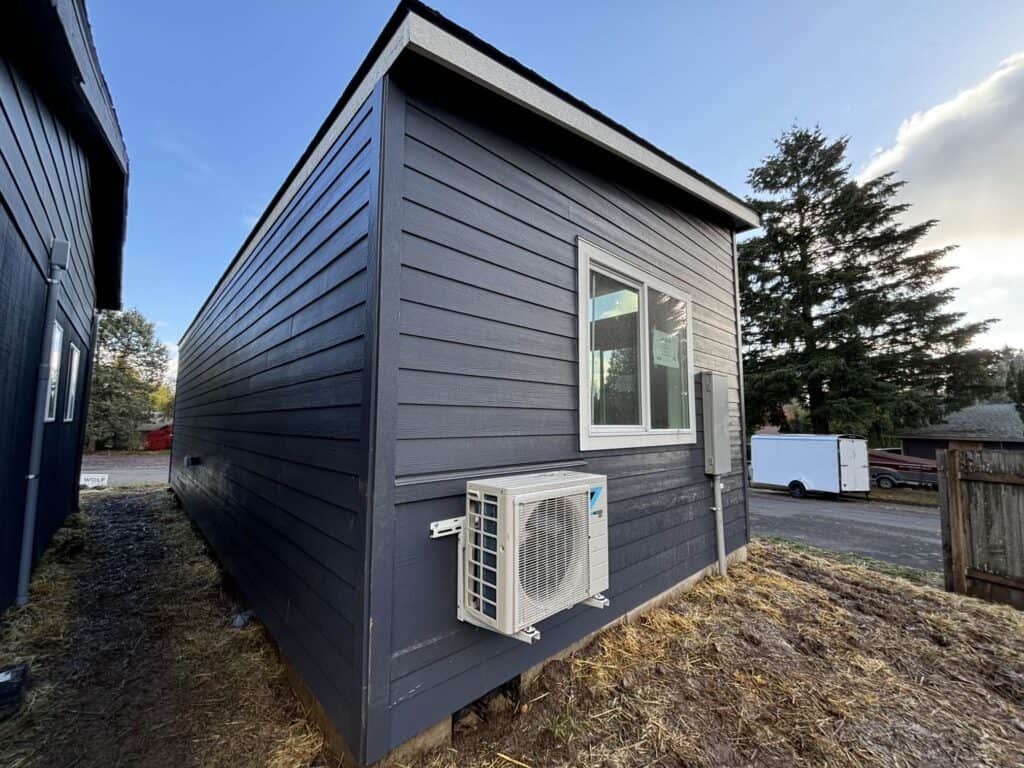
What is realistically possible on your property?
Every site is different. Even neighboring properties can have different setbacks, easements, utility locations, slopes, trees, access limitations, and development requirements. A model that works beautifully on one Tualatin property may not be the best solution for another property a few blocks away.
Wolf’s Free Property Evaluation is the best first step.
Our team can begin reviewing important feasibility considerations such as:
- Local zoning and development requirements
- Available space and potential ADU placement
- Setbacks and other site constraints
- Water, sewer, electrical, and utility access
- Foundation and site preparation needs
- Delivery access for a modular home
- Potential construction and permitting challenges
- Which Wolf models may be appropriate for the property
This early review can help you avoid spending time and money pursuing a plan that does not fit your site.
Ready to learn what may be possible on your Tualatin property? Start with Wolf’s Free Property Evaluation:
https://wolfind.com/contact/property-evaluation/
Why Tualatin Homeowners Are Building ADUs
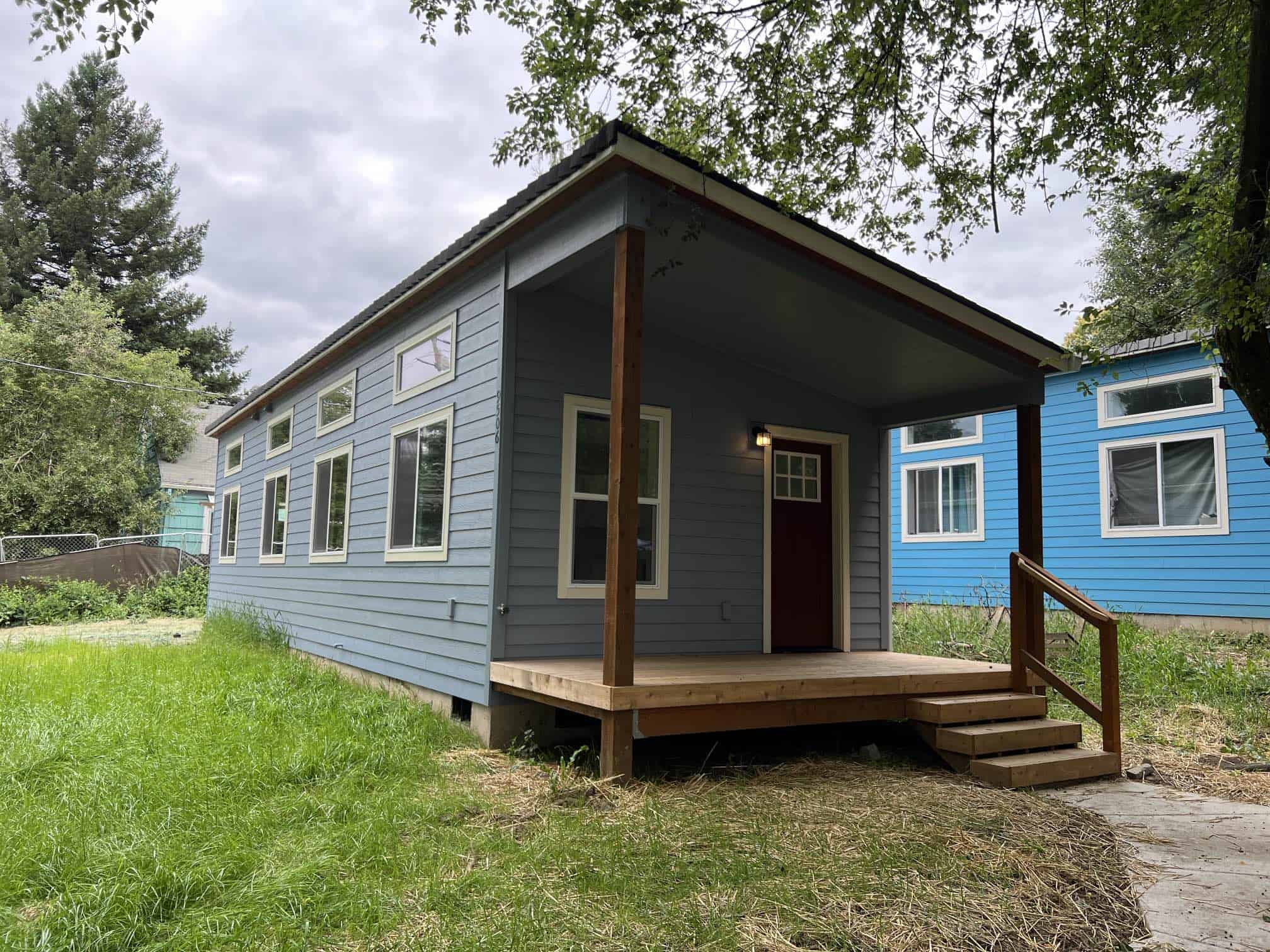
Tualatin offers convenient access to the Portland metropolitan area while maintaining the feel of an established residential community. For many homeowners, adding an ADU provides a way to gain more usable living space without leaving a neighborhood they already enjoy.
An ADU can also adapt as your family’s needs change.
Create a Home for Aging Parents
An ADU can give parents or grandparents a private, independent home while keeping them close to family. They can have their own kitchen, bathroom, living area, and entrance without being isolated from the people who help support them.
Depending on the selected floor plan and site, accessibility features may also be incorporated to create a home that is easier to navigate as mobility needs change.
Give Adult Children More Independence
High housing costs can make it difficult for young adults to find a comfortable place near work, school, and family. An ADU can provide a separate home where an adult child has privacy and independence while remaining close to family support.
Add Long-Term Rental Potential
A permitted ADU may create an additional source of rental income, subject to applicable local requirements. That income could help offset property expenses or support long-term financial goals.
Rental plans should always be evaluated alongside local regulations, financing considerations, insurance requirements, and the owner’s broader plans for the property.
Build a Flexible Guest House
An ADU can provide visiting friends and relatives with a comfortable place to stay without disrupting the main household. Guests gain privacy, and the homeowner retains a space that can serve several purposes over time.
Prepare for Future Downsizing
Some homeowners build an ADU with the long-term goal of eventually moving into the smaller home and allowing family members or tenants to occupy the primary residence.
A flexible ADU can become part of a multigenerational housing plan that changes with the family rather than requiring another move.
Why Modular Construction Makes Sense for a Tualatin ADU
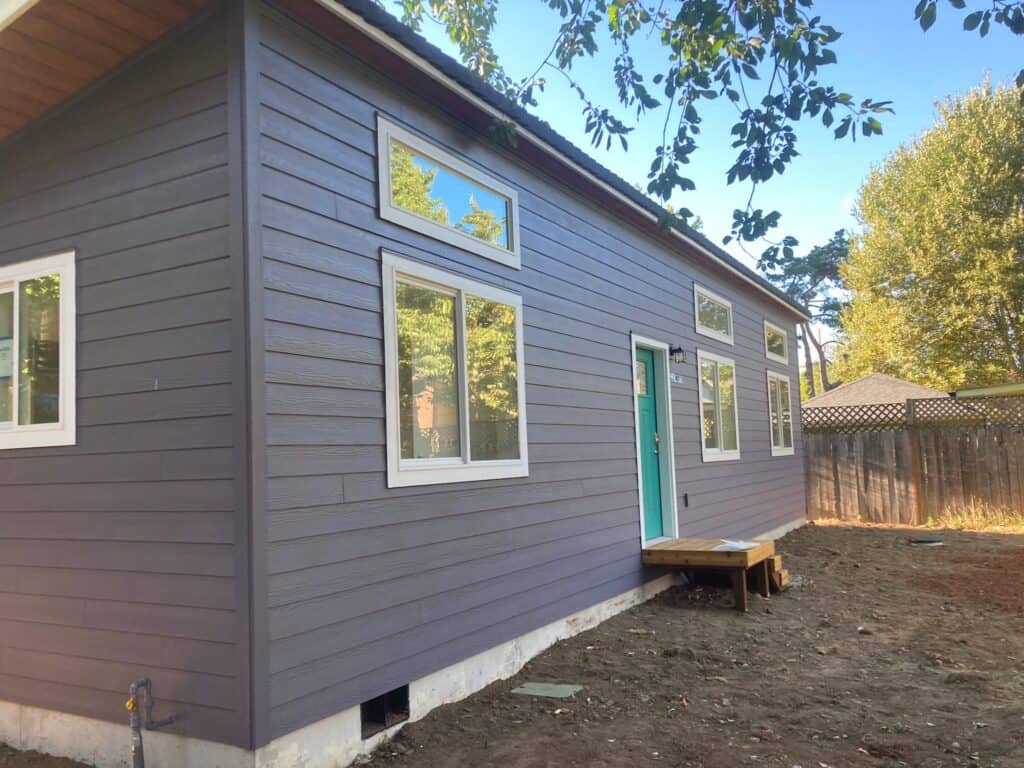
A traditional site-built ADU is constructed almost entirely in the homeowner’s backyard. Materials are delivered to the property, stored outside, and assembled over an extended period by multiple crews.
A modular ADU follows a different process.
Wolf builds the home in a controlled factory environment while permitting, property preparation, foundation work, and utility planning can move forward through coordinated project phases. Once the site and home are ready, the ADU is transported to the property, set on its foundation, connected, completed, and inspected.
This approach offers several important advantages.
Less Construction Disruption at Your Home
Building an ADU should improve your property, but the construction process can temporarily make daily life much more difficult.
Traditional construction may bring months of material deliveries, saws, tools, dumpsters, subcontractor vehicles, and changing work crews into your yard. Weather and scheduling problems can extend that disruption.
With modular construction, much of the home is built away from the property inside Wolf’s production facility. Site work is still required, but your backyard does not have to function as the primary construction location for every stage of the home.
For homeowners living on the property throughout the project, that can make the experience significantly more manageable.
Protection From Pacific Northwest Weather
Rain is part of life in the Pacific Northwest. It can also create problems for outdoor construction.
Factory construction allows the home and its materials to remain protected during production. Framing, insulation, drywall, cabinetry, flooring, and other components can be installed in a controlled environment rather than being repeatedly exposed to changing outdoor conditions.
The factory environment also helps Wolf maintain an organized sequence of construction and inspections throughout production.
Consistent Quality and Repeatable Processes
Wolf has built more than 600 modular homes and ADUs. That experience matters.
Instead of approaching every home as an entirely new experiment, Wolf uses proven plans, established production procedures, specialized crews, and repeatable quality-control practices.
Team members work in a familiar environment with the tools and materials needed for their part of the construction process. This specialization can help create greater consistency from one stage to the next.
A modular ADU is not a manufactured home. It is a residential structure built to applicable modular and residential building requirements, transported to the property, and permanently installed on an approved foundation.
More Predictable Project Coordination
Every ADU requires more than the home itself.
There may be land-use review, building permits, engineering, excavation, foundation construction, utility connections, delivery planning, inspections, and final site completion. When those responsibilities are split among unrelated companies, the homeowner may be left trying to determine who is responsible for each step.
Wolf’s turn-key process is intended to coordinate those moving parts through one experienced team.
That does not mean every property will have the same timeline or cost. Site conditions, jurisdictional reviews, utility work, and project complexity can all affect the process. It does mean you have a clearer path and a team working to move the entire project toward completion.
The Wolf Turn-Key ADU Process
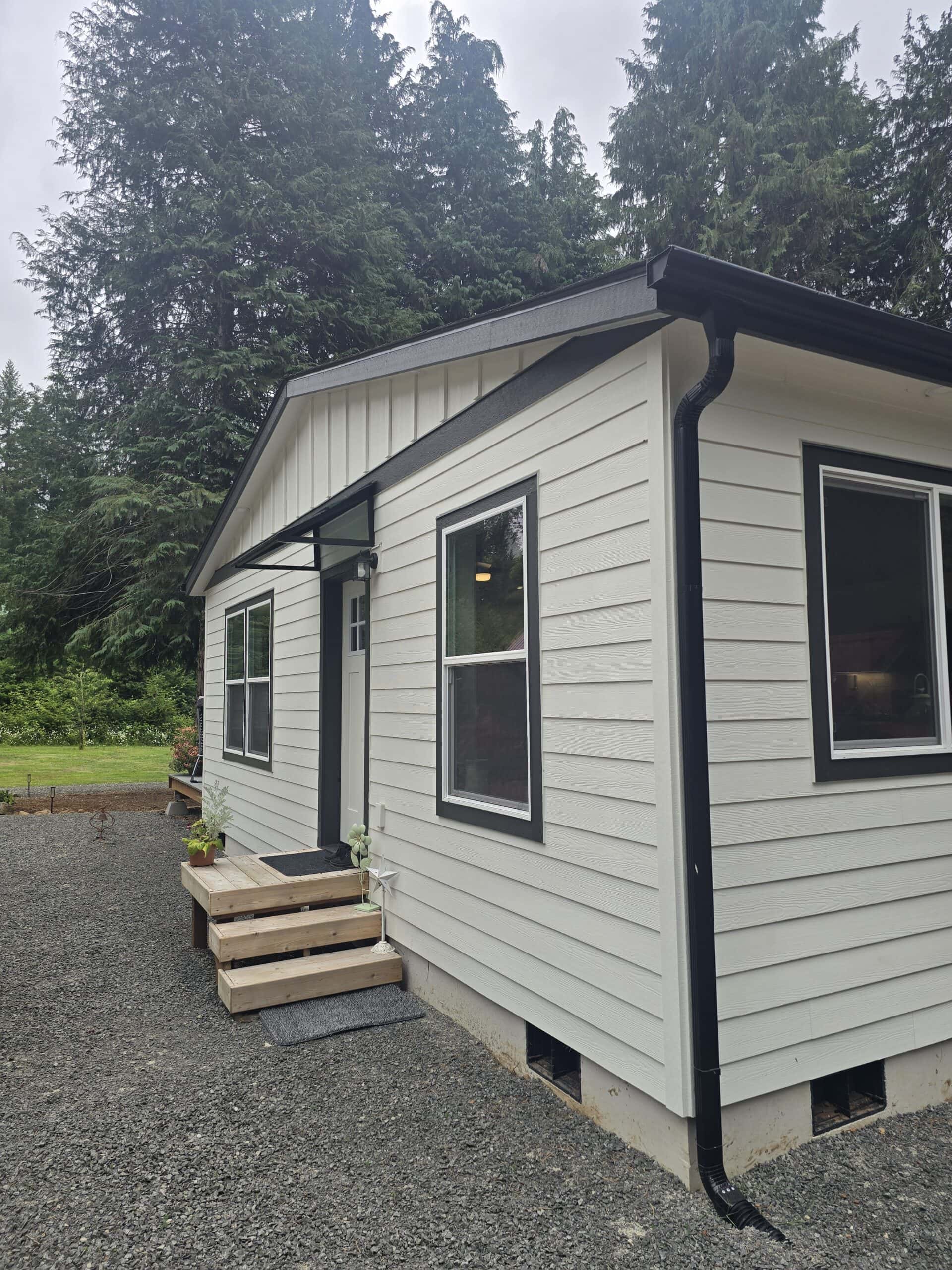
Many people searching for an ADU builder in Tualatin initially focus on the price and appearance of the home.
Those things matter, but they are only part of the project.
A low price for the structure alone may not include permitting, excavation, foundation work, utility installation, transportation, crane or setting services, exterior completion, inspections, or final occupancy requirements.
Wolf’s turn-key approach looks at the complete project.
1. Property Evaluation and Initial Feasibility
The process begins by learning about your property and project goals.
Wolf reviews preliminary information about zoning, site layout, utilities, access, delivery conditions, and potential model fit. The goal is to identify obvious opportunities or challenges before moving into more detailed planning.
This is why the Free Property Evaluation is such an important first step. It replaces broad online estimates with information connected to your actual property.
2. Proposal and Project Planning
Once Wolf has enough information to understand the proposed project, the team can prepare a more detailed scope and proposal.
Project pricing depends on the selected home, options, delivery distance, foundation requirements, utility work, jurisdictional requirements, and the specific conditions of the property.
A clear proposal helps homeowners understand what is included and what decisions still need to be made.
3. Design, Engineering, and Permitting
An ADU cannot move forward based on a floor plan alone.
The project may require site plans, foundation engineering, structural documentation, energy documentation, land-use review, building permits, and separate plumbing, mechanical, electrical, or site-related approvals.
Wolf’s permitting team helps manage the required submittals and communicates with the appropriate agencies throughout the review process. Permit requirements and review timelines can vary. Working with a team familiar with modular projects can help prevent avoidable confusion during this stage.
4. Site Work and Accessibility Planning
A property must be prepared before the ADU can be delivered and installed.
Depending on the project, site work may include:
- Clearing and excavation
- Grading
- Foundation construction
- Trenching
- Water and sewer connections
- Electrical service
- Stormwater work
- Driveway or access work
- Walkways and required landings
- Final grading and restoration
Delivery accessibility is also a major consideration for modular construction. Wolf evaluates how the home can reach the property, whether turns and overhead clearances are adequate, and what equipment may be needed to place the structure on its foundation.
Access should be evaluated early, not after the home is already under construction.
5. Factory Production
While permitting and site preparations progress, the home enters Wolf’s controlled production process.
The structure is framed and completed through defined stages by specialized teams. Depending on the model and selected options, substantial portions of the interior can be finished before the home leaves the factory.
Factory construction allows the work to continue without placing the entire home-building process in your backyard.
6. Delivery and Installation
Once the home and property are ready, Wolf coordinates transportation to the site.
The ADU is carefully positioned and placed on its permanent foundation. Crews then complete the necessary connections, exterior work, marriage-line work when applicable, and other installation items required for the project.
Delivery day is one of the most visible milestones, but it is not the end of the process.
7. Completion, Inspections, and Final Occupancy
After installation, remaining site and finish work must be completed. Utilities are connected, required inspections are scheduled, and outstanding items are addressed.
Wolf’s role continues through the process until final occupancy is granted and the homeowner receives the keys. That full-project responsibility is one of the most important reasons to work with an experienced turn-key ADU builder.
What Makes a Tualatin ADU Property More Complicated?
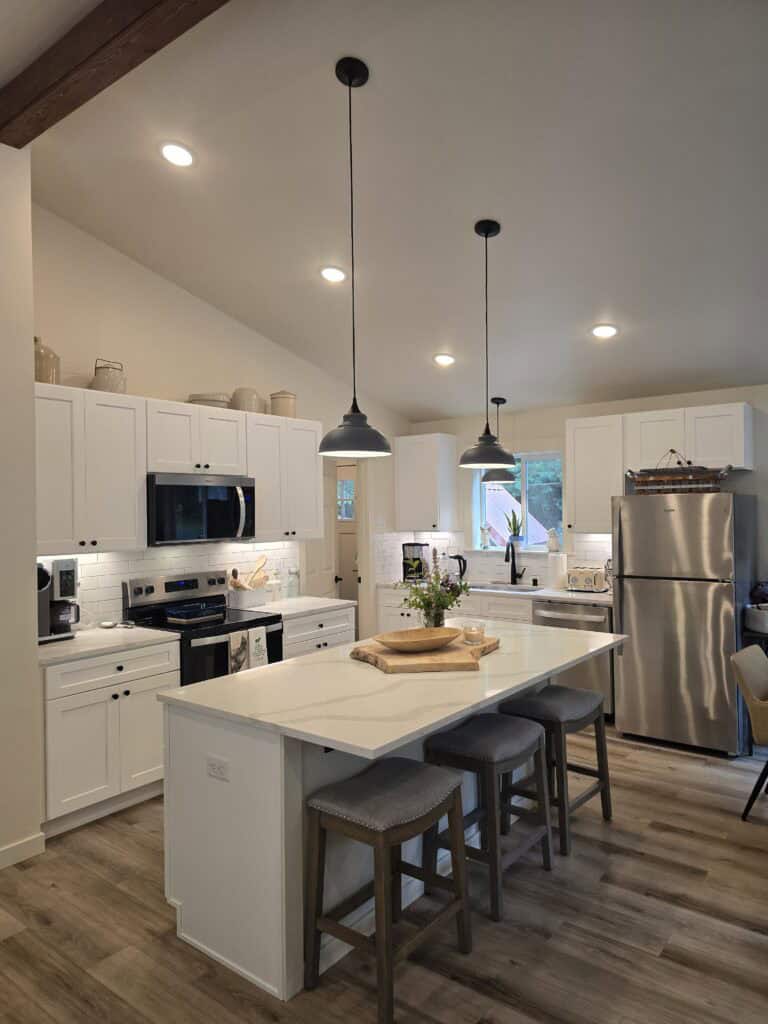
Tualatin properties vary widely. Some sites may offer a straightforward path, while others require creative planning and additional work.
Common feasibility issues can include:
Limited Delivery Access
A modular ADU must physically reach the installation area. Narrow driveways, tight corners, overhead utility lines, mature trees, fences, neighboring structures, or limited street access may affect how the home can be delivered. In some situations, specialized equipment or a different placement strategy may be required.
Utility Locations
The distance between the proposed ADU and existing water, sewer, or electrical connections can have a major effect on project scope. The team may also need to evaluate utility capacity, trench routes, existing service sizes, and jurisdictional connection requirements.
Setbacks, Easements, and Lot Coverage
A backyard that appears large enough may contain areas where construction is restricted. Property lines, utility easements, setbacks, environmental constraints, and lot-coverage standards can all influence the buildable area.
Slope and Soil Conditions
A sloped site may require additional excavation, retaining measures, drainage planning, or a more complex foundation. Soil conditions can also influence engineering and construction requirements.
Existing Structures and Landscaping
Garages, sheds, decks, patios, fences, large trees, and established landscaping may affect placement and access. Some features can be modified or removed, while others may require the ADU plan to be adjusted. These are exactly the types of details that make property-specific evaluation so valuable.
How Much Does an ADU Cost in Tualatin?
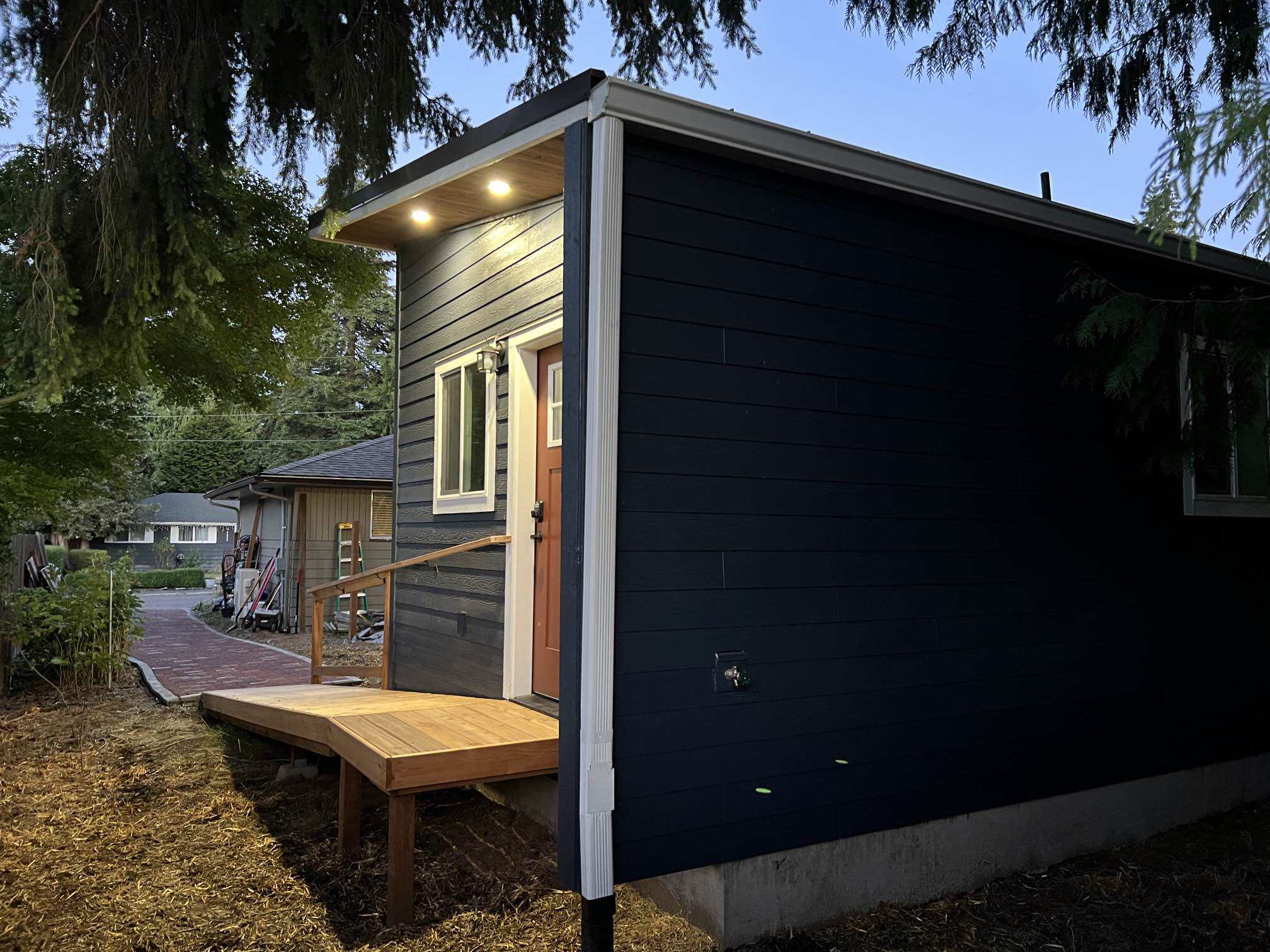
There is no responsible way to provide one universal price for every ADU project.
The cost is influenced by much more than square footage. Important variables include:
- The selected Wolf model
- Interior and exterior options
- Foundation design
- Site access
- Delivery distance and equipment
- Excavation and grading
- Utility connection distances
- Permitting and jurisdictional requirements
- Engineering
- Stormwater or drainage work
- Landscaping and site restoration
- Property-specific improvements
Two homeowners selecting the same model may receive different project pricing because their sites require different foundations, utility work, access solutions, or permit scopes. That is another reason to start with the property rather than relying on a generic online cost-per-square-foot estimate.
Wolf’s Free Property Evaluation helps establish whether the project appears feasible and what information is needed to develop a more meaningful proposal.
Questions to Ask Before Choosing an ADU Builder in Tualatin
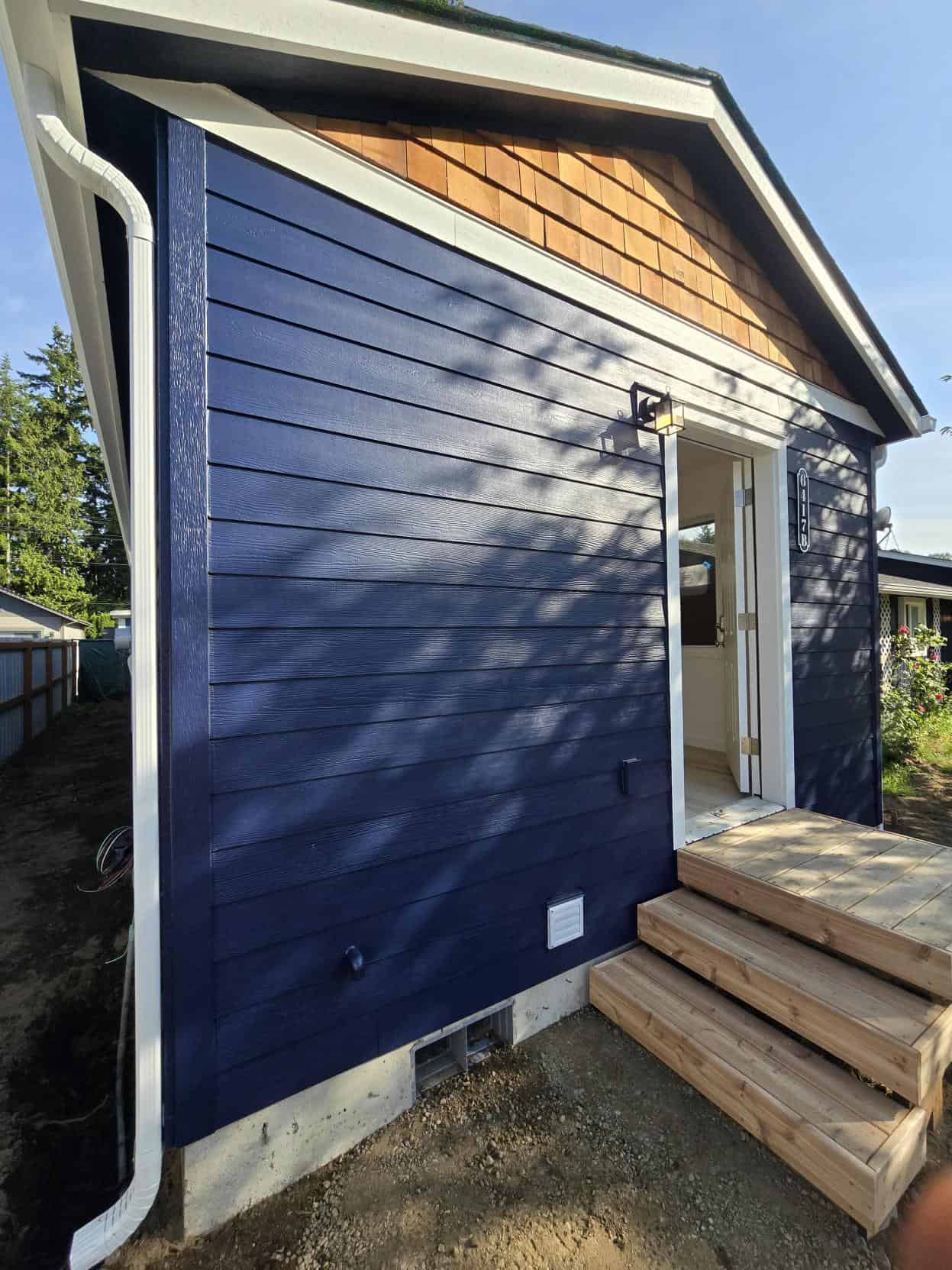
Before selecting a builder, ask questions that go beyond the home’s base price.
- Does the builder evaluate zoning and property feasibility?
- Will they review delivery access before production begins?
- Who handles permitting and plan submittals?
- Who coordinates foundation and site work?
- Are utility connections included or handled separately?
- Who manages delivery and installation?
- Who schedules and responds to inspections?
- What is included in the quoted price?
- What remains the homeowner’s responsibility?
- Does the company stay involved through final occupancy?
- How many modular homes and ADUs has the builder completed?
- Can the builder explain the complete process from property review to keys?
Wolf has built more than 600 ADUs and modular homes throughout the Pacific Northwest. That experience has helped the team develop a proven process for evaluating sites, solving access challenges, coordinating permits, building homes, managing installation, and completing projects.
Choose an ADU That Can Change With Your Life
The best ADU is not simply designed for your immediate need. It should remain useful as your life changes. A home for an aging parent today could later become a guest house, long-term rental, home for an adult child, or a place for the property owner to downsize.
Consider features that may improve long-term flexibility:
- A practical, open floor plan
- Comfortable bedroom dimensions
- A full kitchen
- Adequate storage
- Easy-to-maintain finishes
- Minimal steps where the site permits
- Wider circulation areas
- A walk-in or low-threshold shower
- Laundry facilities
- Energy-efficient systems
- Durable exterior materials
Wolf offers a range of modular floor plans that can serve different households, lot sizes, and long-term goals.
Your Tualatin ADU Should Start With Answers, Not Assumptions
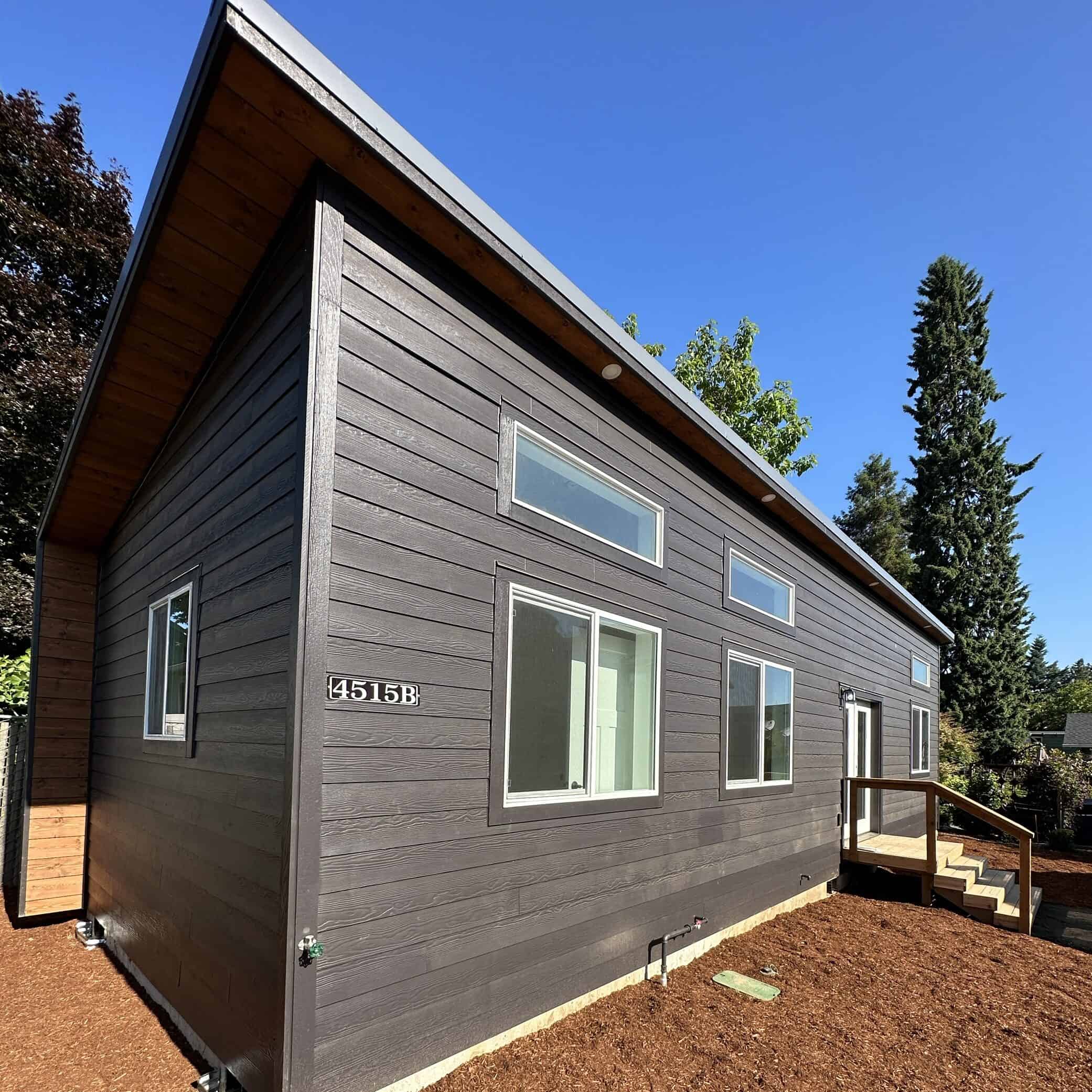
It is easy to look at your backyard and imagine a second home.
The harder questions are the ones that determine whether the project succeeds:
Can an ADU be permitted on this property? Where can it fit? How will utilities reach it? Can a modular home be delivered to the site? What foundation will be required? What will the entire project include? Who will coordinate everything through final occupancy?
You should not have to solve those questions alone.
Wolf Industries combines more than 600 completed ADUs and modular homes with a turn-key process that covers the project from early feasibility through the day you receive the keys.
For Tualatin homeowners, that means a clearer path to adding useful, attractive, permanent living space without trying to manage every contractor, permit, delivery detail, and inspection independently.
Find Out What You Can Build on Your Tualatin Property
Your property may have room for rental income, multigenerational living, a private guest home, or a flexible space that serves your family for decades.
The best way to find out is to have the property evaluated.
Start with Wolf’s Free Property Evaluation. Our team will review the basic details of your property and help you understand what may be possible, what challenges should be considered, and what the next steps could look like.
Take the first step toward building your Tualatin ADU:
https://wolfind.com/contact/property-evaluation/
Stop guessing about what might fit in your backyard. Let an experienced Pacific Northwest modular ADU builder help you find a practical path from property evaluation to final occupancy.