
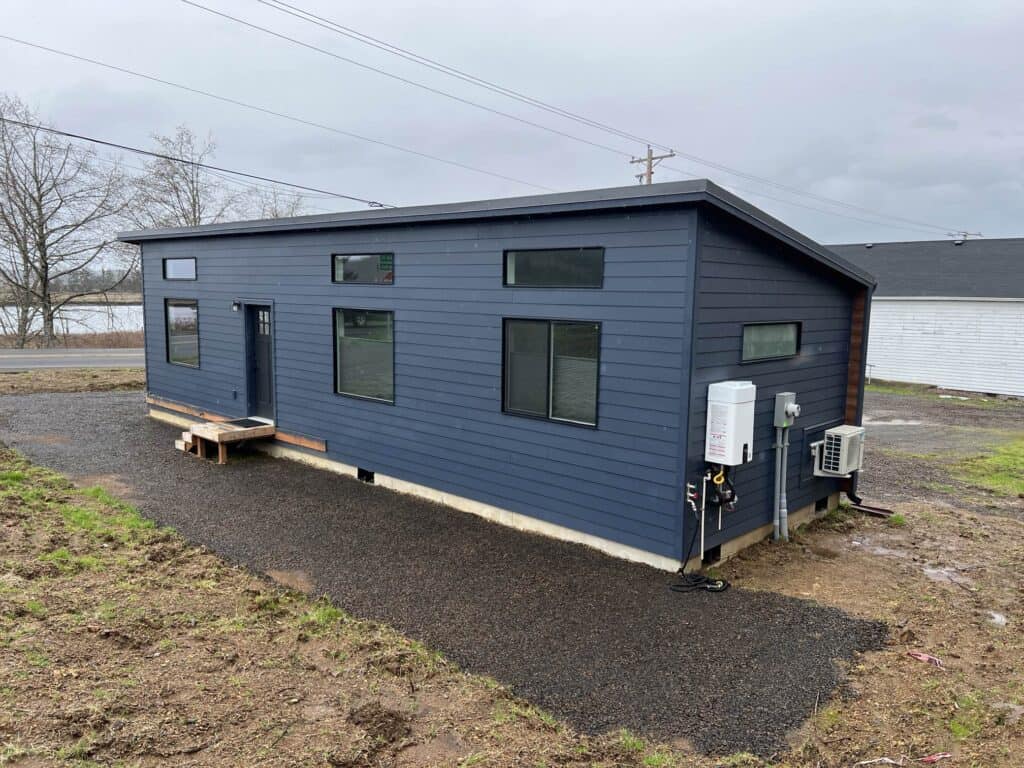
Thinking about building an ADU in Benton County, Oregon?
It is easy to get excited about the possibilities. A backyard home for aging parents. A private space for adult children. A rental unit that creates long-term income. A guesthouse. A downsizing solution. A way to make your property work harder without buying more land.
But here is the part most homeowners discover too late: your ADU dream does not start with a floor plan. It starts with the rules.
Before you spend money on custom designs, engineering, site plans, or permit applications, you need to know whether your property can actually support an accessory dwelling unit under Benton County OR rules. ADU regulations can affect the size of the home, where it can be placed, how far it can sit from the main house, what utilities are required, how water and septic are handled, and whether the home can be used the way you intend.
That is why Wolf Industries recommends starting with a free property evaluation. It gives you a practical first look at what may be possible on your property before you spend thousands of dollars trying to force a project that may not pencil.
Wolf has built over 600 ADUs and modular homes throughout the Pacific Northwest, including many in the Benton County and Willamette Valley area. That experience matters because building an ADU is not just about choosing a home. It is about understanding zoning, permitting, utility feasibility, access, delivery, site work, and final setup before the project begins.
What Is an ADU in Benton County, OR?
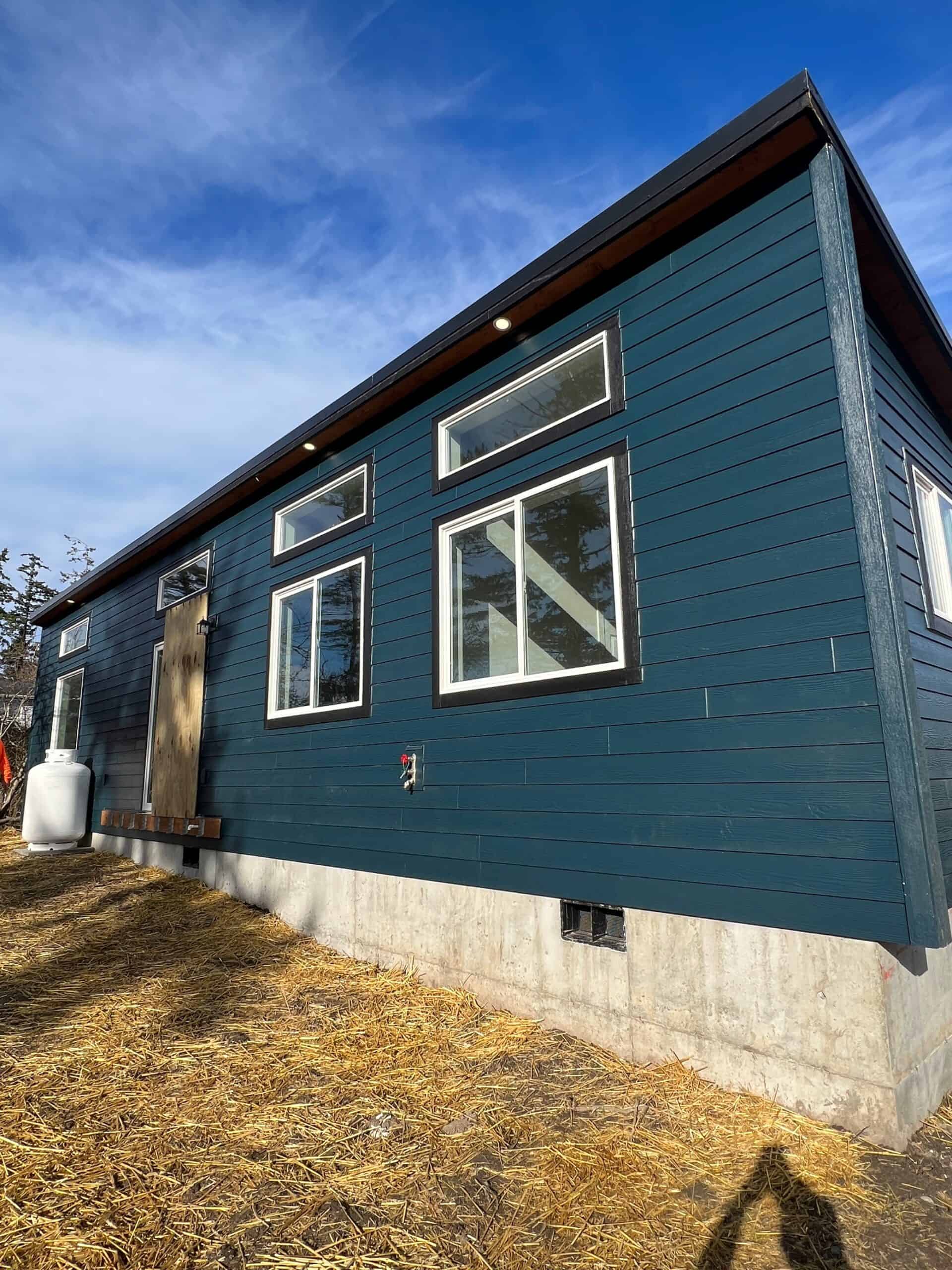
An accessory dwelling unit, commonly called an ADU, is a smaller secondary dwelling that is accessory to a primary single-family home. In Benton County, an ADU may be interior, attached, or detached, depending on the property and applicable code requirements.
In simple terms, an ADU is a real residential unit. It is not just a shed, hobby room, or temporary guest space. It is designed for living, which means it must comply with applicable building code requirements and other regulations for a dwelling. That distinction matters.
A legal ADU is expected to meet standards for occupancy, utilities, water, sewer or septic, access, fire district requirements, setbacks, and other development code rules. This is why the early feasibility stage is so important. A property can look perfect on the surface and still run into challenges once the code, access, utilities, or site layout are reviewed.
Where Are ADUs Allowed in Benton County?
Benton County states that owners of residentially zoned property within urban growth boundaries, but outside city limits, may apply to establish an ADU. If the property is located inside city limits, the homeowner should contact the city directly to confirm whether an ADU is allowed and what standards apply. This is an important detail for Benton County homeowners.
The applicable rules may change depending on whether the property is under Benton County jurisdiction or inside a city such as Corvallis. A property near Corvallis but outside city limits may follow Benton County standards, while a property inside Corvallis city limits may need to follow the Corvallis Land Development Code. This is exactly why guessing is expensive.
Before you pay for a site plan or commit to a design, start with Wolf’s free property evaluation. Wolf can help review the basic zoning and feasibility questions so you have a clearer picture of what is worth pursuing.
Benton County ADU Size Limits
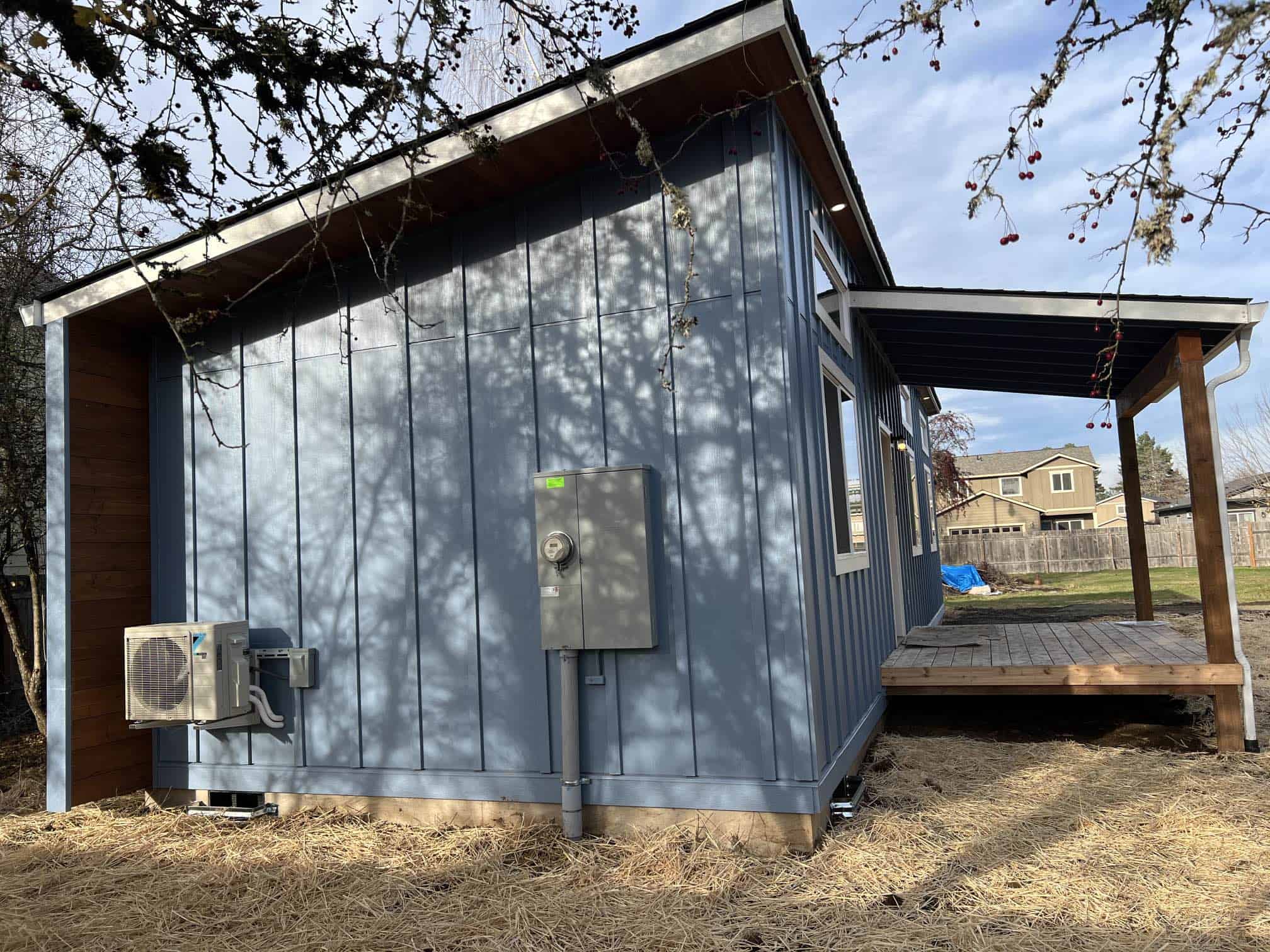
For properties subject to Benton County ADU standards, the ADU may contain no more than 900 square feet of habitable space. Benton County also allows a single-car garage of no more than 300 square feet in conjunction with an ADU. That garage area does not count toward the 900 square foot maximum habitable space limit, but it may not be used for human habitation. The county also requires one on-site parking space to serve the ADU, in addition to the parking required for the primary single-family dwelling.
For many homeowners, 900 square feet is plenty of space for a highly livable ADU. Wolf’s modular ADUs are designed to make efficient use of smaller footprints, giving homeowners real living space without wasting square footage. The key is choosing a design that fits both the code and the actual use case.
A home for an aging parent may need a different layout than a rental unit. A guesthouse may need different priorities than a long-term family housing solution. A free property evaluation is a smart first step because it connects what you want with what your property may allow.
Bedroom and Bathroom Limits
Benton County’s ADU standards limit an ADU to no more than two bedrooms and two bathrooms. The code defines a bathroom as a room containing, at minimum, a sink and a toilet. A bedroom is a room or area designed for sleeping and must comply with applicable building code requirements. Benton County also states that a studio space is considered a bedroom if it has the components of a bedroom.
This matters when you are comparing floor plans. A “studio” layout may still count as a bedroom under the code. A two-bedroom ADU may be possible, but it must remain within the county’s bedroom, bathroom, square footage, site, and utility requirements.
Wolf’s team can help you think through these practical design questions early, instead of getting attached to a layout that creates problems later in permitting.
One ADU Per Single-Family Dwelling
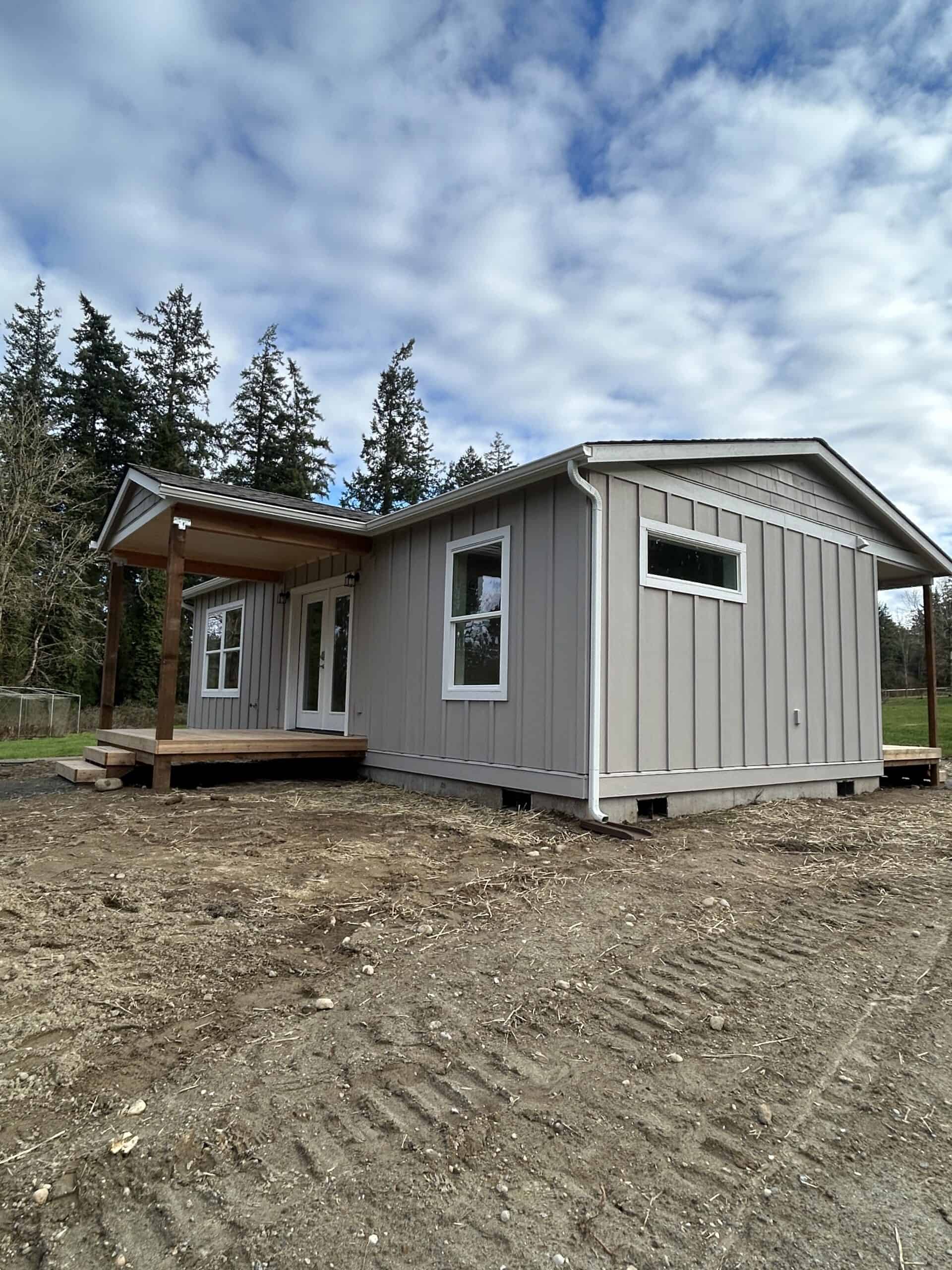
Benton County allows a maximum of one ADU per single-family dwelling. The ADU must be on the same lot or parcel as a legally established detached single-family dwelling. The single-family dwelling must be established before or at the same time as the ADU.
This means an ADU is not treated as a standalone first dwelling on an otherwise vacant parcel. It is accessory to the primary home.
For property owners hoping to create additional housing for family or income, this rule is one of the first items to confirm. Does the property already have a qualifying primary dwelling? Is the lot or parcel eligible? Is the zoning correct? Is the site inside an urban growth boundary? These questions should be answered early.
Placement: The 200-Foot Rule
Benton County requires the ADU to be located no more than 200 feet from the single-family dwelling, measured horizontally from structural wall to structural wall. This rule can have a major impact on site planning.
A homeowner may have a large property and assume they can place the ADU wherever it looks best. But the county’s distance requirement can limit placement options. The ADU may also need to comply with setbacks, floodplain provisions, natural hazard regulations, fire access requirements, and future urbanization planning rules.
This is where an experienced ADU builder can save time and frustration. It is not enough to ask, “Where would the ADU look good?” You need to ask, “Where can the ADU legally and practically go?”
Wolf’s free property evaluation helps homeowners begin that conversation before they spend money on a design that may need to be moved, redesigned, or abandoned.
Road Access and Fire District Requirements
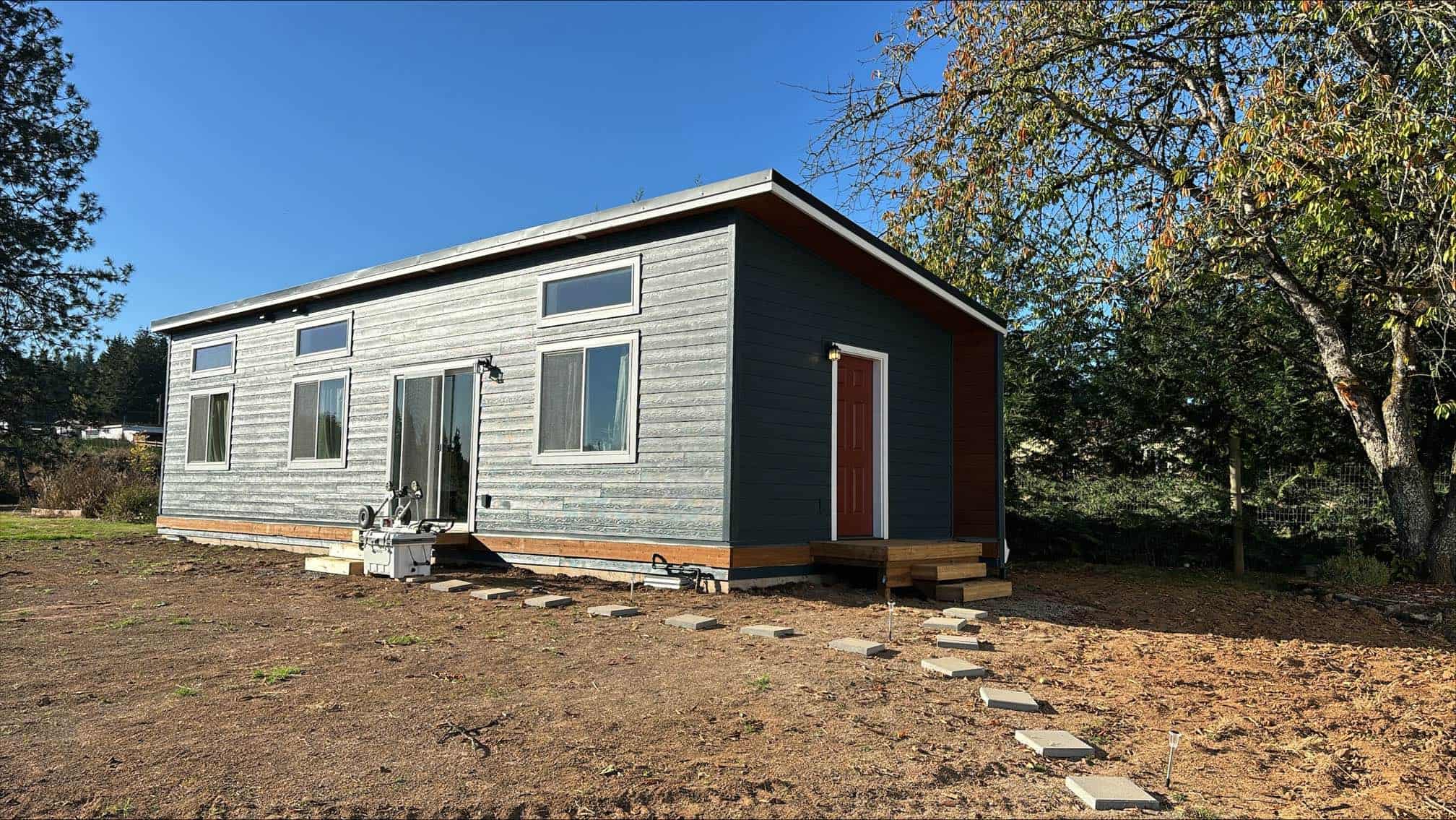
Benton County requires the ADU to share the same road approach as the primary dwelling on the property.
Access to the ADU and construction of the ADU must also comply with applicable fire district requirements. Road improvement requirements may also apply and must be met by the property owner in proportion to the transportation impacts of the ADU. This is one of the most overlooked parts of building an ADU.
A homeowner might focus on the house itself, but the project can also depend on driveway access, emergency vehicle access, approach standards, delivery logistics, grading, and road improvements. For modular ADUs, access is especially important because the home must be delivered and placed on the prepared site.
Wolf’s turn-key process is built around these real-world details. The goal is not just to build a beautiful home. The goal is to get the home permitted, delivered, installed, connected, and ready to use.
Water Requirements for Benton County ADUs
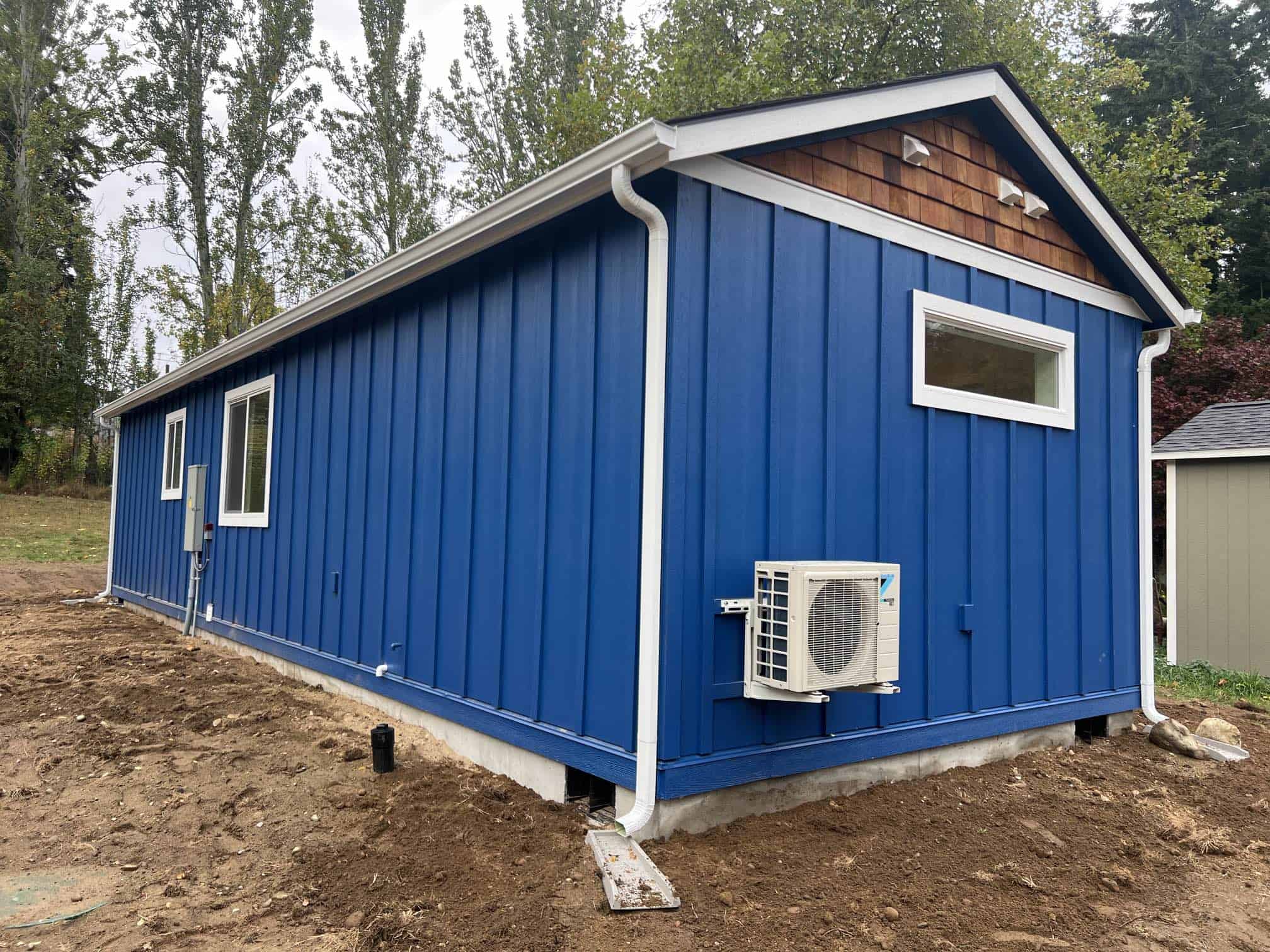
Benton County requires an ADU to be provided with water from an approved source. If well or spring water serves the ADU, the water source must comply with applicable Benton County Development Code requirements. For a spring serving both the single-family dwelling and the ADU, the minimum gallons-per-minute requirement for the flow test is increased by 50 percent.
For wells, a minor pump test is required. If a single well is proposed to serve both the primary dwelling and the ADU, Benton County lists modified standards, including a minimum supply of 1.5 gallons per minute and a minimum of 7.5 gallons per minute to avoid a storage requirement. If storage is required, the amount of required storage depends on the tested gallons per minute.
This is one of the biggest reasons not to jump straight into design. Water can make or break an ADU project. If your property relies on a well or spring, feasibility is not just about whether the lot is large enough. It is about whether the water source can legally and practically serve both dwellings.
Wolf’s free property evaluation is a strong first step because it helps identify questions like this before you spend heavily on a project that may face expensive utility limitations.
Septic and Sewer Requirements
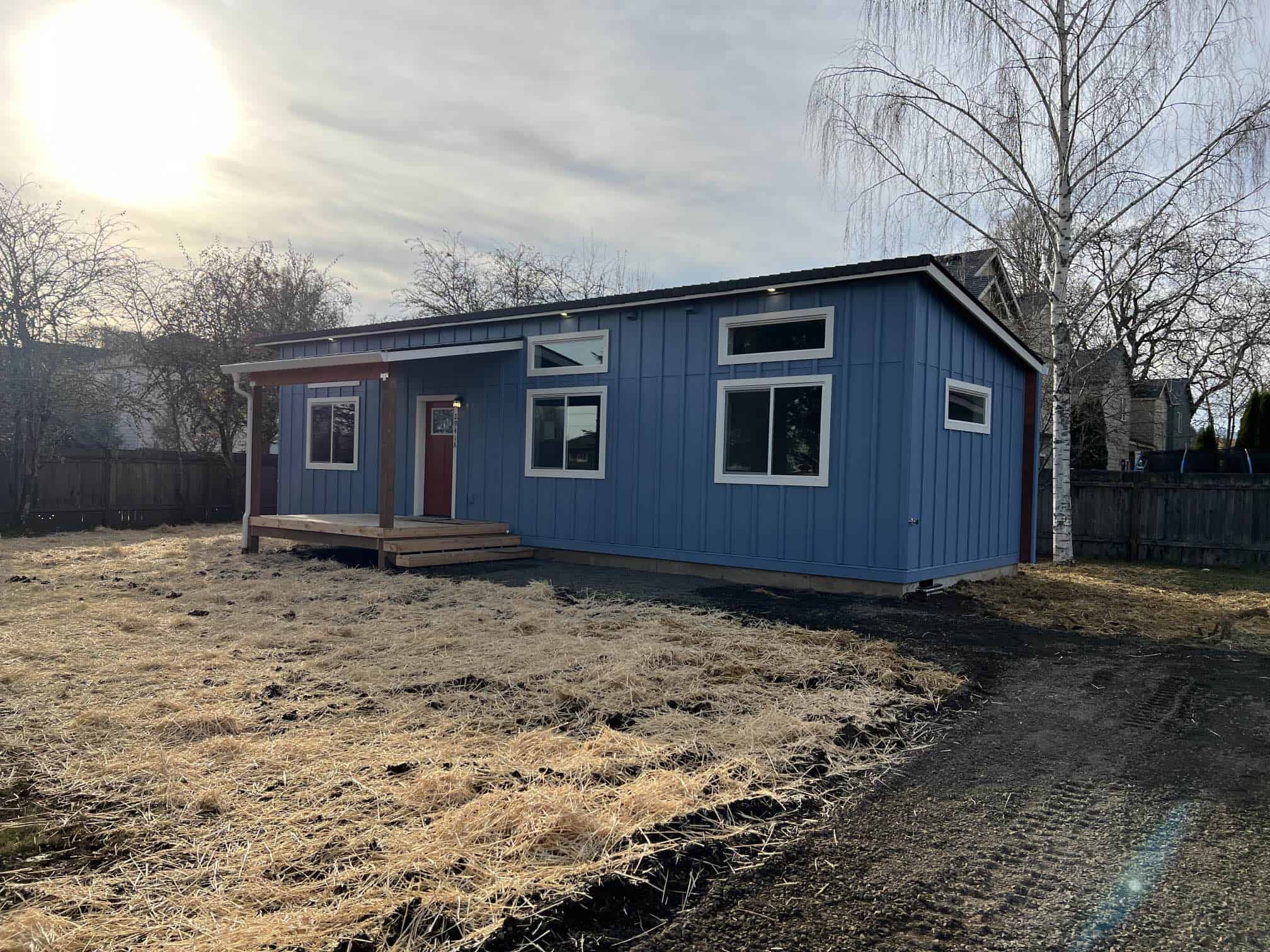
Benton County ADUs must be served by either a septic system or a community or municipal sewer system.
If the ADU will use a septic system, whether existing or new, the system must meet applicable requirements of Benton County Environmental Health and the Oregon Department of Environmental Quality. Benton County notes that DEQ rules may prohibit additional septic system loading if municipal sewer is located within a specified distance of the property.
If the ADU will use a community or municipal sewer system, the applicant must provide evidence that the service agency is mutually bound and able to serve the ADU. This is another area where assumptions can become expensive.
You may have enough physical space for an ADU, but that does not automatically mean your septic system can handle another dwelling. You may be near sewer, but that does not automatically mean connection is simple. Utility feasibility should be reviewed early in the planning process.
Short-Term Rental Restrictions in Benton County
Benton County’s ADU standards state that neither the single-family dwelling nor the ADU may be used for short-term accommodation purposes. Short-term accommodations are defined as lodging agreements for a period of less than one month. That means homeowners should be careful about assuming they can build an ADU in Benton County for nightly or short-term rental use.
Many homeowners are interested in ADUs because of rental income, but the type of rental matters. A long-term rental and a short-term rental may be treated very differently under local rules. If your goal is income, make sure your intended use aligns with the applicable code before you build.
Wolf can help you start with the right questions so your ADU plan is based on the use you actually care about.
Owner Occupancy and Recent State Law
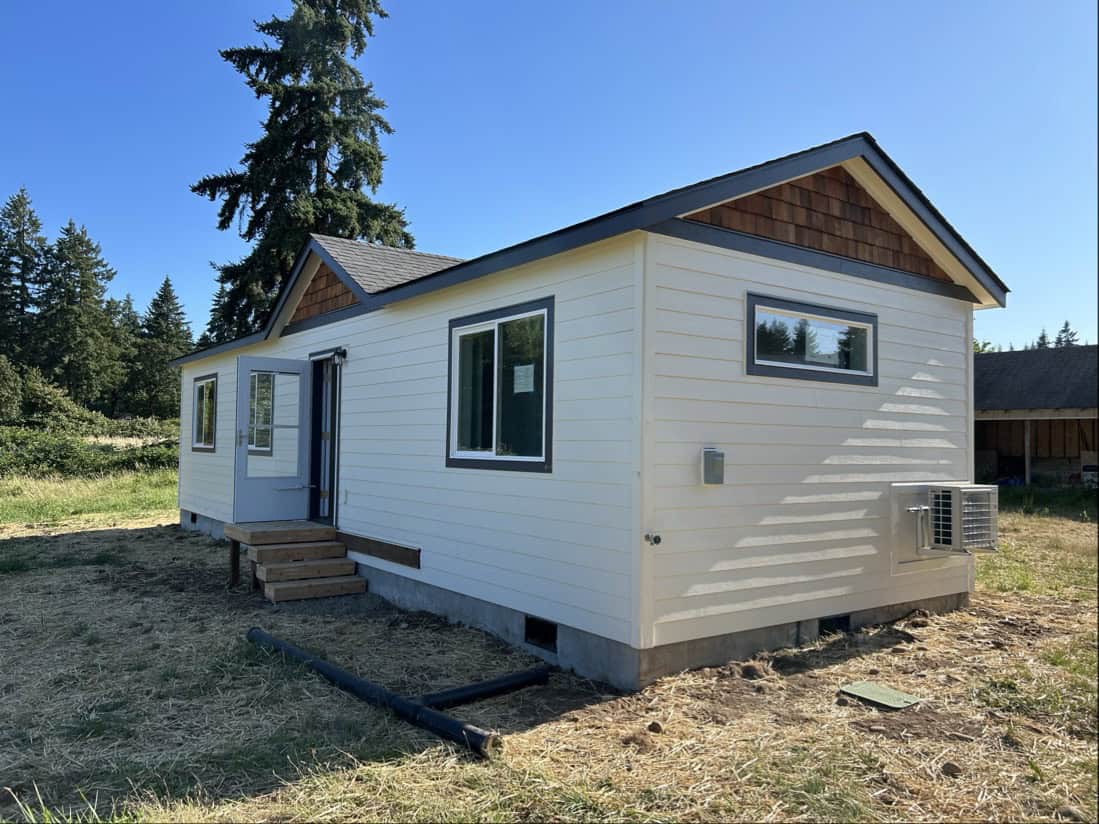
Benton County’s code page notes that the Development Code indicates either the ADU or the original dwelling must be owner occupied, but also states that a recent state statute, HB 2001, overrides that requirement. According to Benton County, properties on which an ADU is built are no longer required to be owner occupied.
Because housing law continues to evolve, homeowners should confirm the most current interpretation with Benton County or the applicable city before making final decisions.
This is another reason to work with a knowledgeable builder. ADU rules are not static. They change through county updates, city code amendments, state law, and local interpretation.
ADUs Inside Corvallis City Limits
If your property is inside Corvallis, the city’s ADU standards may apply instead of Benton County’s rural or county-administered standards.
The City of Corvallis states that ADUs are permitted outright on most residential properties, subject to the development standards of Corvallis Land Development Code Section 4.9.40. The city also states that a compliant ADU can be developed through the building permit process.
Corvallis standards include, but are not limited to, the following:
- The ADU may not exceed 900 square feet of floor area, or 85 percent of the primary dwelling’s floor area, whichever is less.
- The ADU must meet height, lot coverage, and Green Area standards of the underlying zone, except when there is no Private Outdoor Space requirement for an ADU.
- The ADU must meet setback standards of the underlying zone as applicable to the primary dwelling, with certain exceptions.
- Only one ADU is allowed per property.
- An ADU must include sleeping, kitchen, and bathroom facilities and must comply with building code and municipal code requirements for a single-family dwelling.
- The ADU must connect to water and sewer services. The city notes that ADUs are typically tied into the property’s existing water and sewer services.
- An ADU may be integrated into the same building as the primary dwelling or built as a separate freestanding dwelling. If it is integrated into the same building, fire separation walls or ceilings are required between the units. If it is detached, building code generally requires a minimum separation of 6 feet between the units.
So, if your property is in Corvallis, do not rely only on Benton County’s summary rules. Your first step should be confirming which jurisdiction controls your property.
Why Experience Matters With ADU Rules and Regulations in Benton County, OR
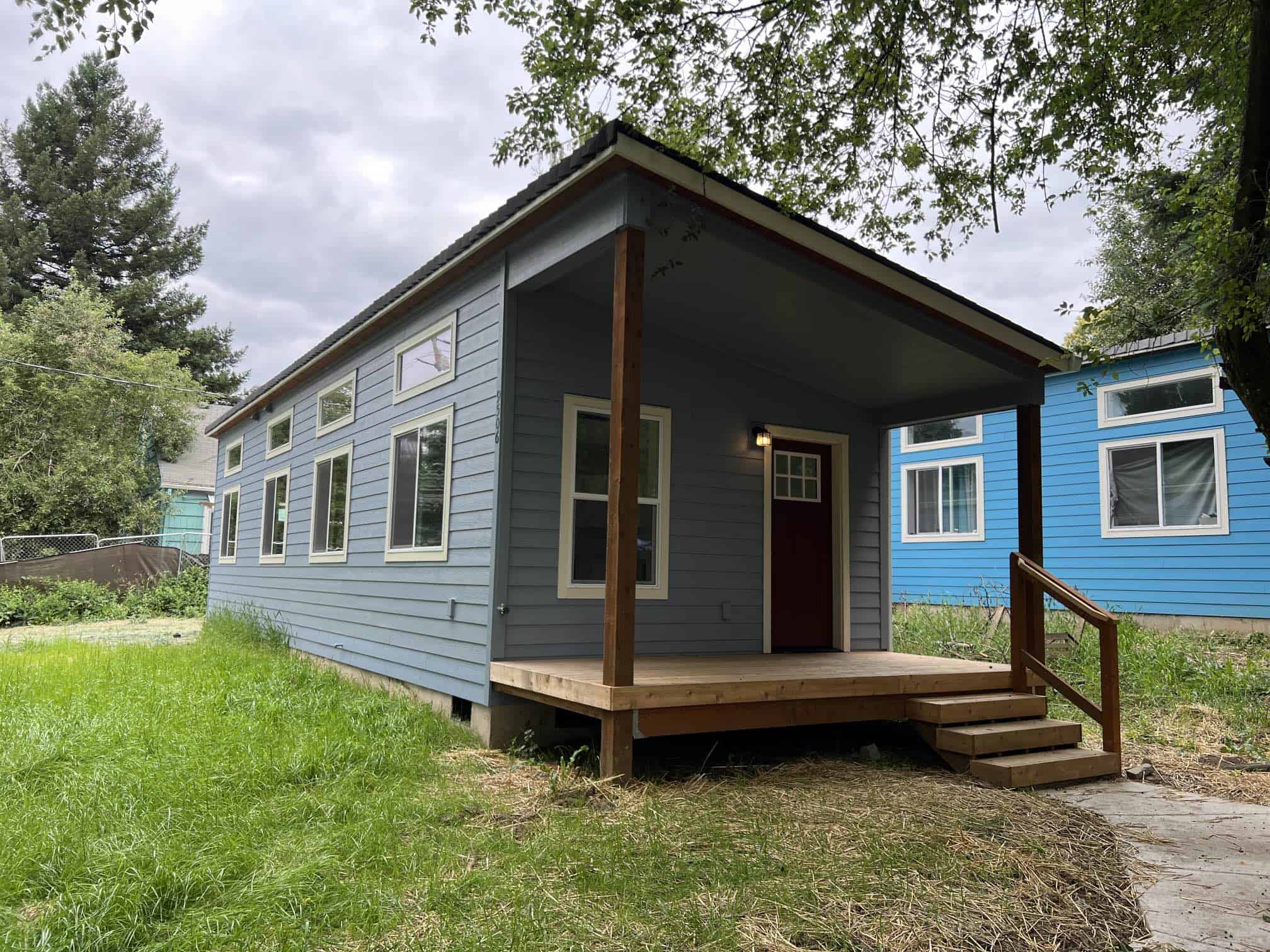
Reading the rules is one thing. Turning those rules into a buildable project is something else entirely.
A successful ADU project in Benton County may involve zoning review, site planning, well or sewer review, septic feasibility, building code compliance, fire access, road approach requirements, parking, setbacks, delivery access, utility connections, foundation work, and final inspections.
That is a lot to manage. And it is exactly where many homeowners get stuck. They start with a dream, then get buried in technical requirements before they know whether the project is even possible.
Wolf Industries was built to solve that problem. With over 600 ADUs and modular homes built throughout the Pacific Northwest, Wolf understands that homeowners do not just need a house. They need a process.
Wolf’s turn-key approach helps guide the project from feasibility through permitting, production, delivery, setup, utilities, and finishing work. Instead of trying to coordinate every piece yourself, you can work with a team that understands how the pieces fit together.
Start With a Free Property Evaluation
Before you spend money on plans, engineering, or permit applications, start with a free property evaluation from Wolf Industries.
This is one of the smartest first steps for anyone researching ADU rules and regulations in Benton County, OR. It helps you understand what may be possible on your property, what obstacles may need to be solved, and whether an ADU is worth pursuing before you invest heavily in the project.
Your property may have more potential than you realize. Or it may have limitations that need to be addressed before the project can move forward.
Either way, it is better to know now.
If you are thinking about building an ADU in Benton County, Corvallis, or the surrounding area, start with Wolf’s free property evaluation. Get clarity before you spend. Get answers before you guess. And get a proven ADU builder in your corner from the very beginning.
Sources
Benton County Community Development: Code Amendments
https://cd.bentoncountyor.gov/codes/code-amendments/
Benton County: Development Code Standards for ADUs PDF
https://cd.bentoncountyor.gov/wp-content/uploads/2024/06/development_code_standards_for_adus.pdf
Benton County Community Development: ADU Development Code Standards
https://cd.bentoncountyor.gov/documents/adu-development-code-standards/
Benton County Development Code: Chapter 91 Specific Use Standards
https://pw.bentoncountyor.gov/wp-content/uploads/2023/11/DC-Chapter-91-aug_6_2020.pdf
City of Corvallis: Accessory Dwelling Units
https://www.corvallisoregon.gov/ds/page/accessory-dwelling-units