
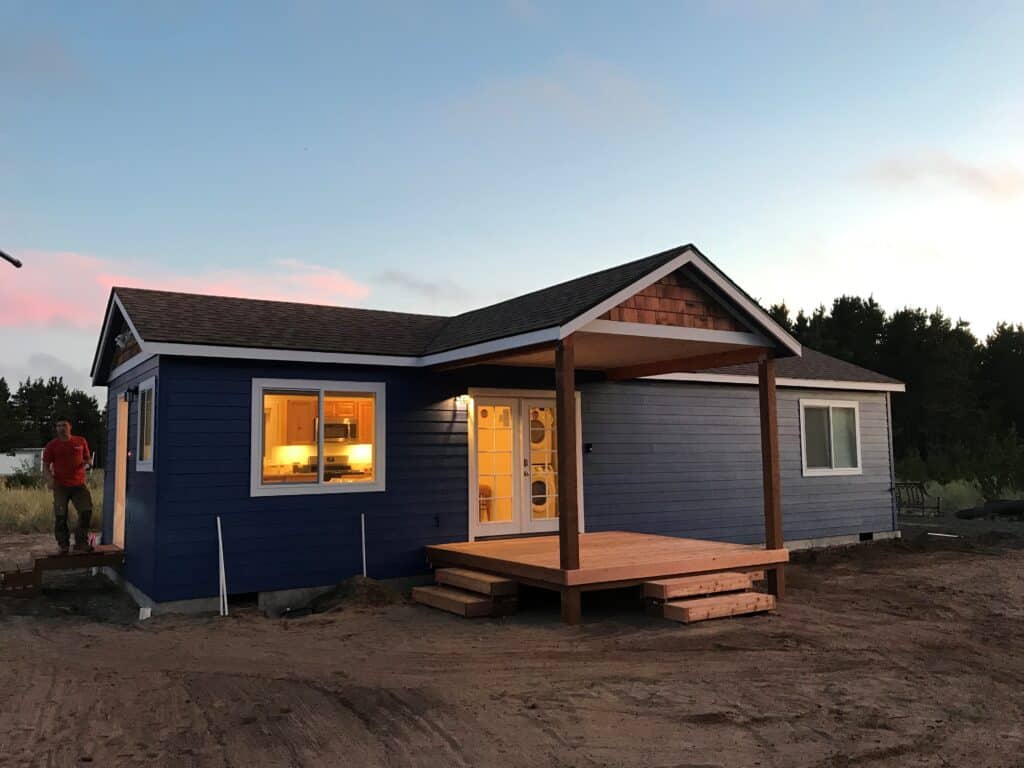
Building an accessory dwelling unit can create more living space, bring family closer, generate long-term rental income, or add flexibility to your property. But before selecting a floor plan or deciding where the new home should sit, you need to understand the ADU rules and regulations Jackson County OR property owners may face.
That is where many projects become complicated.
Jackson County OR includes incorporated cities, unincorporated neighborhoods, urban growth areas, rural residential properties, agricultural land, forestland, wildfire-prone areas, and parcels with private wells or septic systems. Two properties located only a few miles apart may be governed by very different regulations.
The best first step is not assuming that an ADU will be allowed. It is determining which jurisdiction controls the property, identifying the zoning, and evaluating the site-specific conditions that could affect development.
Wolf Industries offers a free property evaluation to help property owners understand what may be possible before investing heavily in plans, engineering, or site preparation.
What Is an Accessory Dwelling Unit?
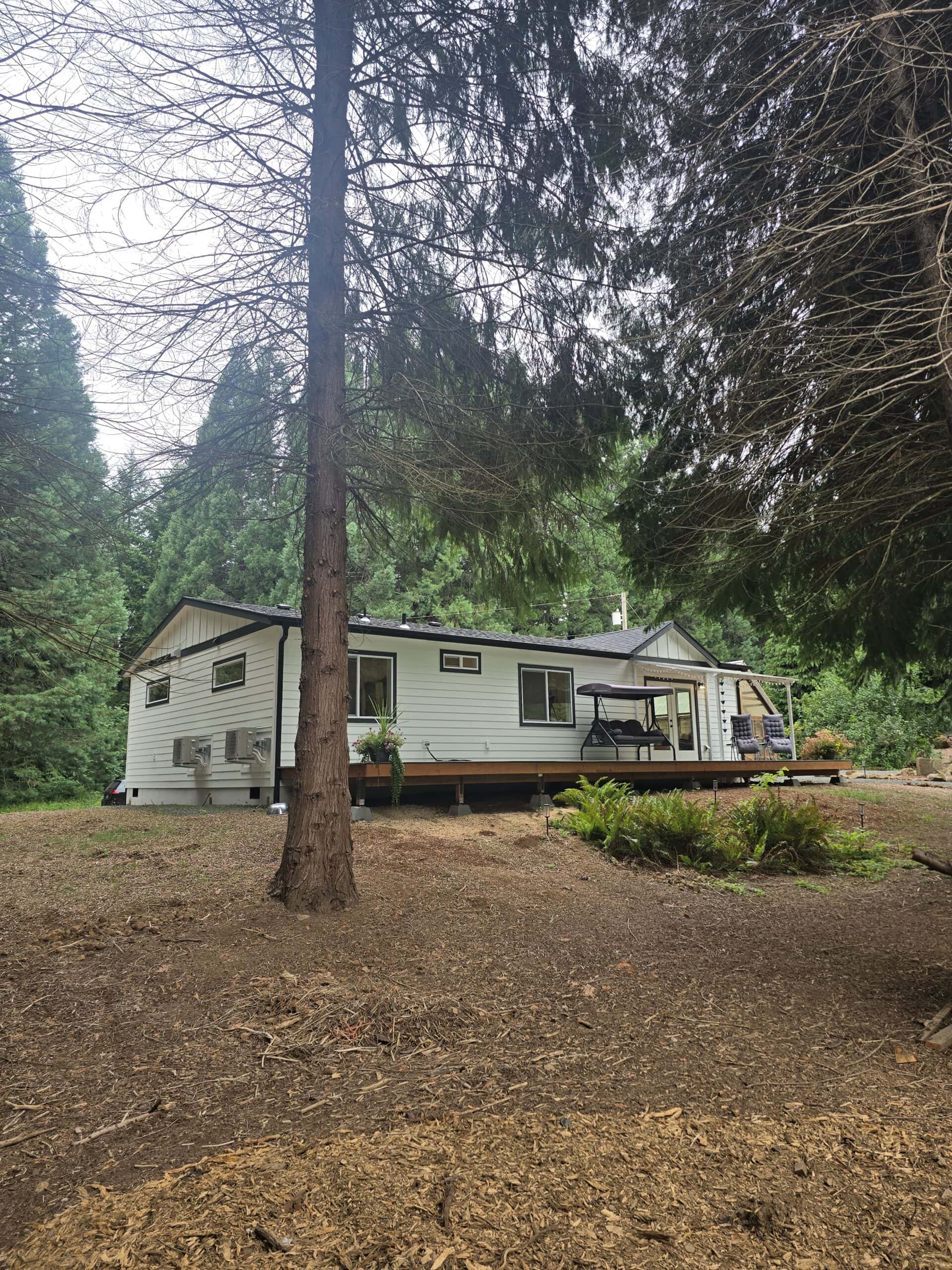
An accessory dwelling unit, commonly called an ADU, is an additional independent residence located on the same property as a primary home.
An ADU typically includes its own:
- Living area
- Kitchen
- Bathroom
- Sleeping space
- Heating and electrical systems
- Separate entrance
An ADU may be detached from the primary residence, attached to it, or created through the conversion of an existing portion of a home or accessory structure when local regulations allow.
Property owners use ADUs for many different purposes, including housing aging parents, creating a private home for an adult child, providing space for a caregiver, generating long-term rental income, or preparing the property for changing family needs.
Start by Identifying the Correct Jurisdiction
Searching for “ADU rules and regulations Jackson County OR” is a good starting point, but Jackson County OR does not administer every property within the county.
Properties inside incorporated cities such as Medford, Ashland, Central Point, Eagle Point, Phoenix, Talent, Jacksonville, Rogue River, and Shady Cove are generally subject to that city’s development code. Properties outside incorporated city limits may be regulated by Jackson County OR.
A mailing address can be misleading. A property may have a Medford mailing address while still being located outside Medford city limits and subject to Jackson County OR regulations.
Before making design decisions, confirm:
- Whether the property is inside city limits
- Whether it is inside an urban growth boundary
- Whether it is inside an urban reserve
- The property’s zoning designation
- Whether the property is within White City’s urban unincorporated community
- Whether floodplain, wildfire, riparian, environmental, or resource-land regulations apply
Jackson County OR provides separate ADU application materials for properties inside an urban growth boundary, properties outside both an urban growth boundary and urban reserve, and properties within White City.
Wolf’s free property evaluation can help begin this research and identify the questions that need to be answered for your parcel.
Jackson County OR ADU Rules Inside an Urban Growth Boundary
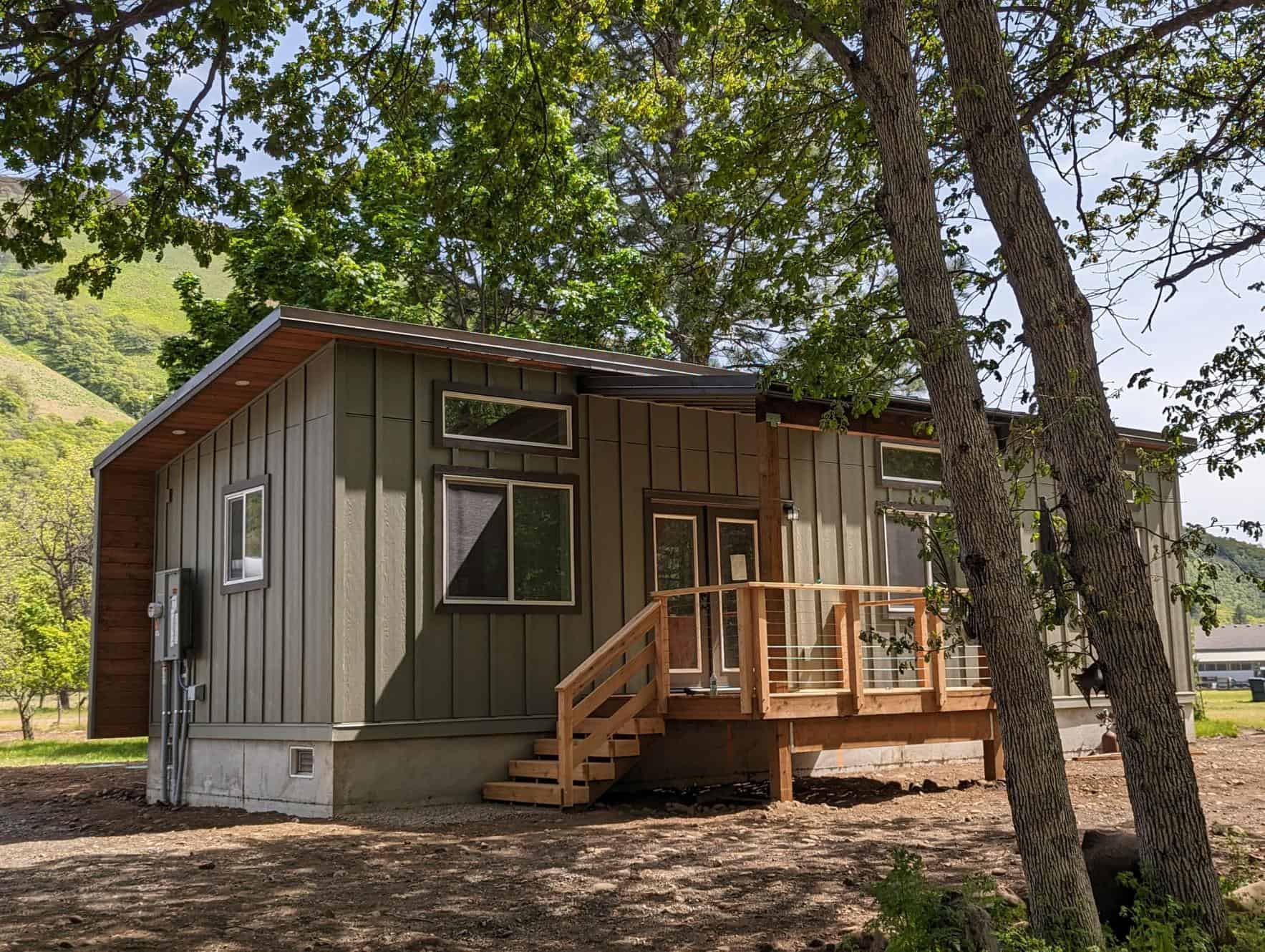
For unincorporated properties inside an urban growth boundary, Jackson County OR processes ADUs through a Type 1 land-use permit.
Under the county’s current regulations, an ADU may generally be considered on a lot or parcel in a zoning district that permits a detached single-family dwelling.
Important standards include the following:
An Existing Home Must Be on the Property
At least one detached single-family dwelling must already be located on the lot or parcel.
The ADU is legally accessory to that primary residence. It is not treated as an unrelated second primary home.
One ADU Is Generally Permitted
Jackson County OR allows one accessory dwelling unit per detached single-family dwelling under this section of the county code.
The ADU Is Limited to 900 Square Feet
The ADU may not contain more than 900 square feet of usable floor area. Jackson County OR defines usable floor area as the area enclosed within the ADU’s surrounding exterior walls.
The ADU Must Be Near the Existing Home
The ADU must be located no farther than 100 feet from the existing detached single-family dwelling.
The county measures this distance from the exterior wall of the existing home to the nearest wall enclosing the ADU’s usable floor area.
Setbacks and Overlay Standards Still Apply
The 100-foot rule does not replace normal development standards. The proposed ADU must also comply with applicable:
- Property-line setbacks
- Road setbacks
- Riparian setbacks
- Resource-land setbacks
- Floodplain requirements
- Fire-safety standards
- Environmental overlays
- Other zoning restrictions
A parcel may appear to have plenty of open space while still having a relatively small buildable area once all setbacks, easements, slopes, utility corridors, and overlays are considered.
Building and Fire Codes Must Be Met
The ADU must meet applicable building and fire-code requirements. Land-use approval does not replace structural, mechanical, plumbing, electrical, energy-code, or fire review.
Jackson County OR also states that separate accessory structures cannot be established as structures subordinate specifically to the ADU.
Rural ADU Rules Outside an Urban Growth Boundary and Urban Reserve
Jackson County OR adopted regulations allowing ADUs on certain rural residential properties through Ordinance 2024-6, which became effective November 25, 2024.
This was an important change for qualifying rural property owners. However, rural ADUs are subject to several specific limitations.
Qualifying Rural Residential Zones
The county’s rural ADU pathway applies to parcels in the following zoning districts:
- Rural Residential-00, or RR-00
- Rural Residential-2.5, or RR-2.5
- Rural Residential-5, or RR-5
- Rural Residential-5 Applegate, or RR-5(A)
- Rural Residential-10, or RR-10
Properties zoned Exclusive Farm Use, forest resource, aggregate resource, or under another resource designation should not assume that the same ADU pathway applies.
The Parcel Must Be at Least Two Acres
A rural residential lot or parcel must contain at least two acres to qualify under these provisions.
Meeting the minimum acreage does not guarantee approval. The property must still satisfy zoning, access, sanitation, water, fire-safety, setback, and site-development requirements.
One Existing Detached Home Is Required
Only one detached single-family dwelling may be located on the lot or parcel before the ADU is added.
Only One ADU Is Allowed
Only one accessory dwelling unit may be approved per qualifying lot or parcel.
The Maximum Size Is 900 Square Feet
A rural ADU may contain no more than 900 square feet of usable floor area.
A well-designed 900-square-foot home can still provide two bedrooms, comfortable living space, a full kitchen, laundry facilities, and one or more bathrooms, depending on the design.
The 100-Foot Placement Rule Applies
The rural ADU must be located within 100 feet of the existing detached single-family dwelling.
This requirement can strongly influence site planning. The area near the existing home may already contain a septic tank, drain field, reserve drain field, well, driveway, utility lines, slopes, trees, easements, or required fire-access areas.
Fire Access and Evacuation Must Be Considered
The ADU must have adequate access for firefighting equipment, safe evacuation, and staged evacuation areas.
Depending on the property, evaluation may include:
- Driveway width and condition
- Turnaround space
- Road grade
- Bridge or culvert capacity
- Address visibility
- Emergency vehicle access
- Vegetation management
- Water availability for firefighting
- Defensible-space requirements
These issues should be investigated early because access improvements can significantly affect project scope and cost.
Vacation Occupancy Is Restricted
Before permits are issued, a deed declaration must be recorded stating that the ADU and detached single-family dwelling cannot be used for vacation occupancy as defined under Oregon law.
Property owners considering Airbnb, VRBO, or another short-term rental strategy should understand this restriction before moving forward.
The ADU and Primary Home Must Remain Together
A future subdivision, partition, or other property division cannot place the ADU on a different parcel from the primary dwelling it serves.
Jackson County OR also prohibits accessory structures that are incidental or subordinate specifically to the ADU.
Medford ADU Rules Are Different
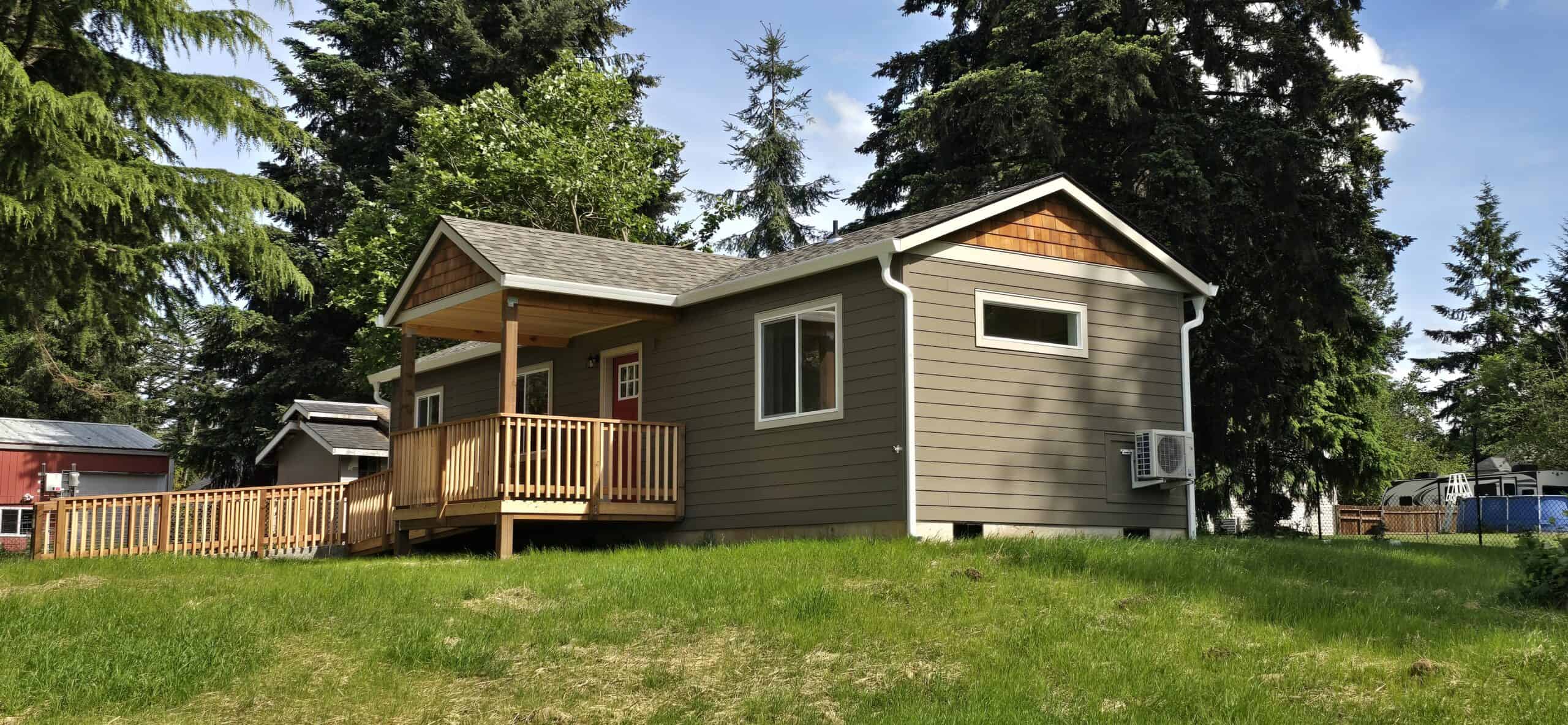
Properties inside Medford city limits are subject to the Medford Land Development Code rather than the Jackson County OR rural standards.
Medford generally allows ADUs as accessory residences on qualifying lots containing detached single-family homes, townhouses, manufactured homes, and duplex dwellings on their own lots.
Under current Medford guidance:
- A detached ADU may not exceed 900 square feet.
- An ADU may generally contain up to 75% of the primary dwelling’s gross habitable floor area.
- An attached ADU created from existing space in the primary home may not exceed 50% of the primary dwelling.
- Required setbacks and zoning standards still apply.
- Lot coverage may be increased by up to 10% for an ADU.
- Additional off-street parking is not required when the existing home already has two off-street parking spaces.
Medford currently offers a 50% reduction in certain city-assessed system development charges for qualifying new ADU permits through June 30, 2027. Participation requires the property owner to accept restrictions that include not using the ADU as a short-term rental for 10 years. The city reports that funding that previously paid the remaining 50% of eligible charges has been exhausted.
Programs, funding, and fees can change, so property owners should verify current information directly with the city before making financial decisions.
Water, Sewer, and Septic Requirements
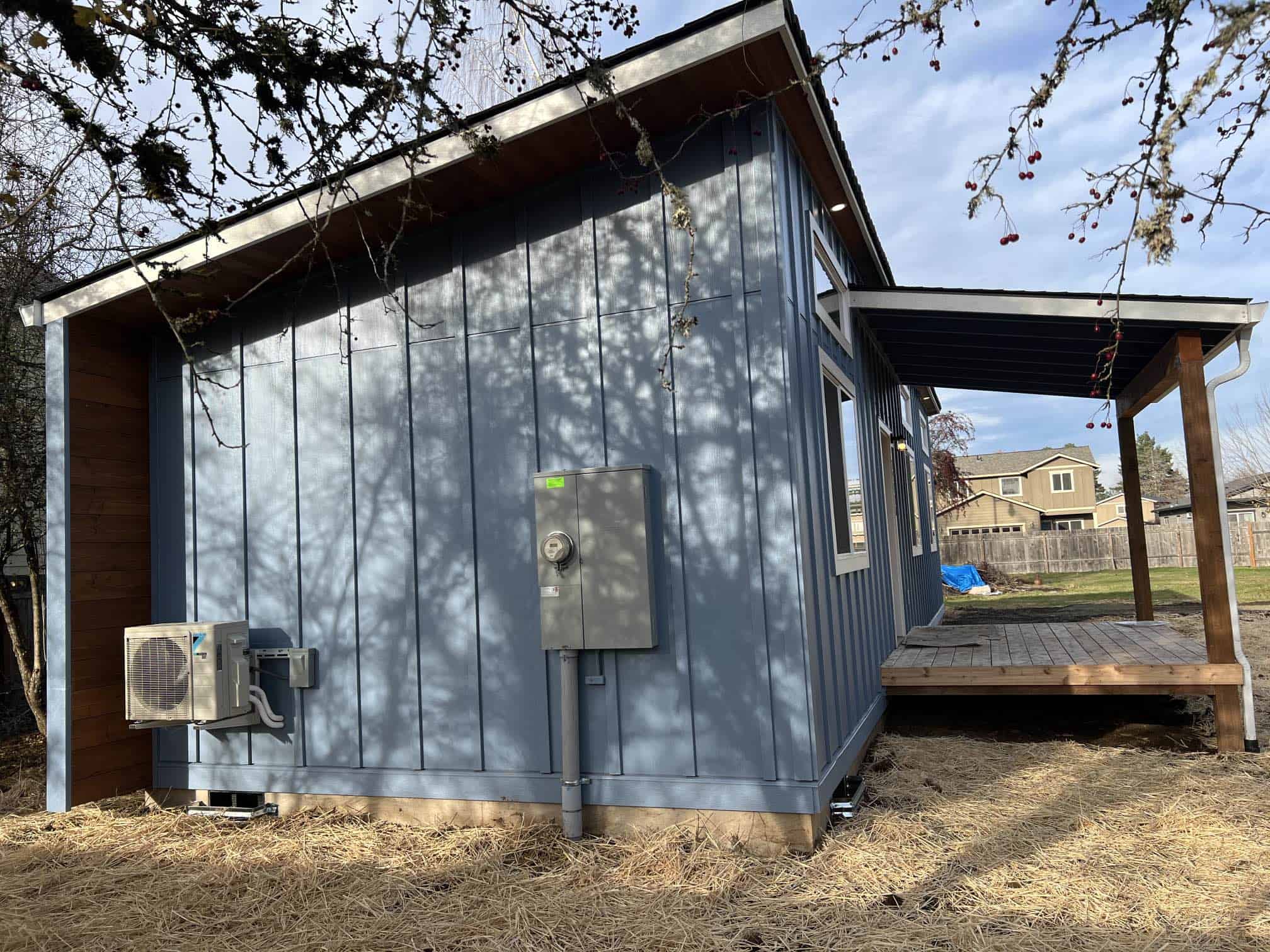
A property can satisfy zoning requirements and still encounter utility limitations.
For an urban property, the project may require confirmation of:
- Sanitary sewer connection capacity
- Water-service capacity
- Connection locations
- Meter requirements
- System development charges
- Utility easements
- Public-works requirements
For a rural property with a septic system, the existing system must be evaluated to determine whether it can legally serve the additional residence.
Oregon DEQ administers residential septic permitting in Jackson County OR. Depending on the property and existing system, an ADU project may require septic records research, a site evaluation, system alteration, increased treatment capacity, drain-field work, or installation of a new system.
A property owner should not assume that a large tank or functioning septic system automatically has capacity for an ADU. Septic approval is based on permitted design, system condition, bedroom count, soil conditions, reserve area, and applicable wastewater regulations.
Private-well properties may also require analysis of water availability, well records, groundwater restrictions, water quality, and the method used to serve both residences.
Additional Site Conditions That Can Affect Approval
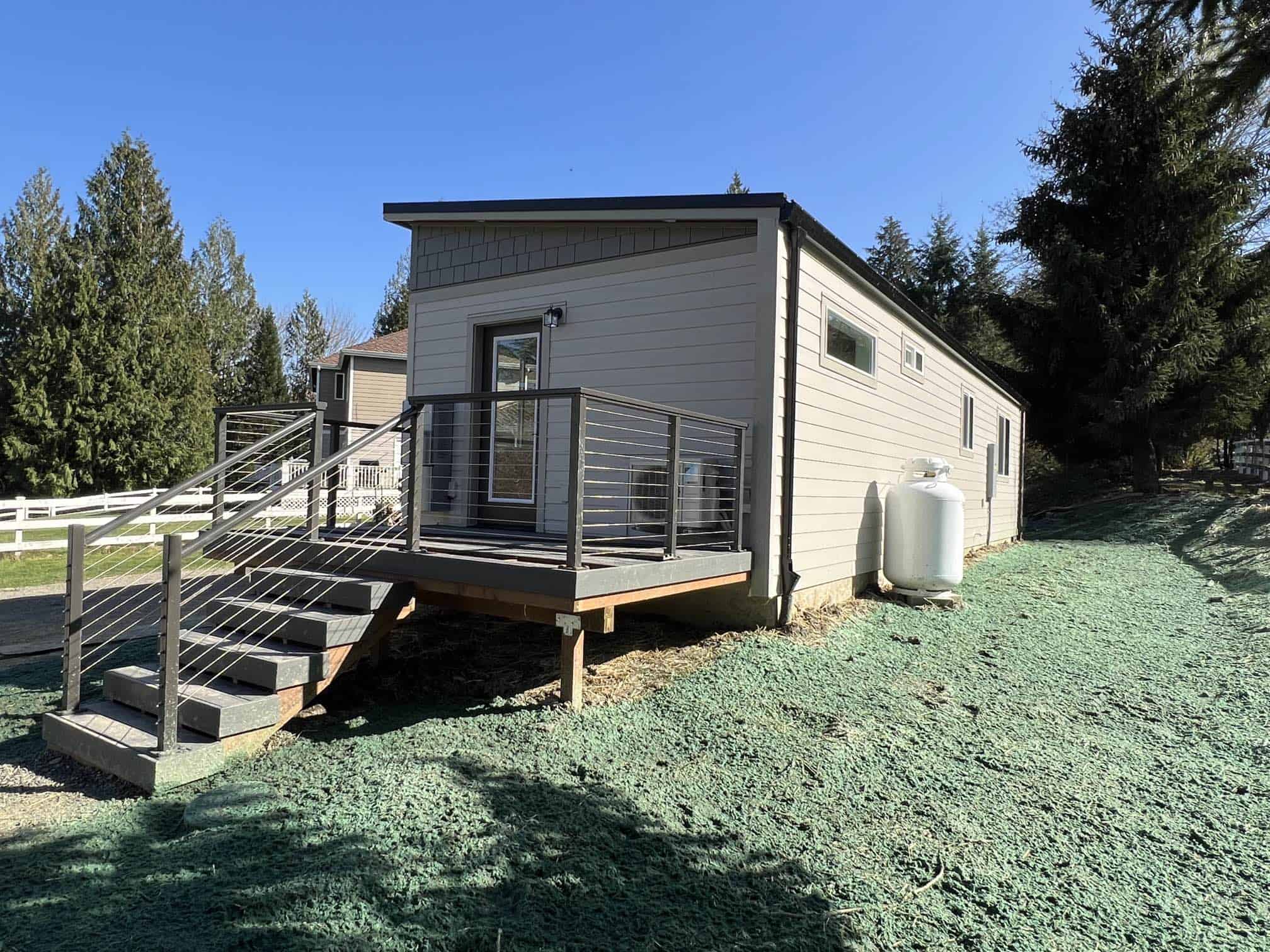
Every property has its own combination of constraints. Common issues that can influence an ADU project include:
- Steep slopes
- Floodplain boundaries
- Creeks and riparian areas
- Wetlands
- Irrigation canals
- Utility easements
- Septic drain fields
- Well setbacks
- Wildfire requirements
- Fire-district access standards
- Existing unpermitted structures
- Private road agreements
- Driveway grades
- Required retaining walls
- Stormwater management
- Tree removal
- Historic-district requirements
Discovering these conditions after completing a design can lead to expensive revisions. A feasibility review should happen before the home is finalized.
Why Modular Construction Works Well for Jackson County ADUs
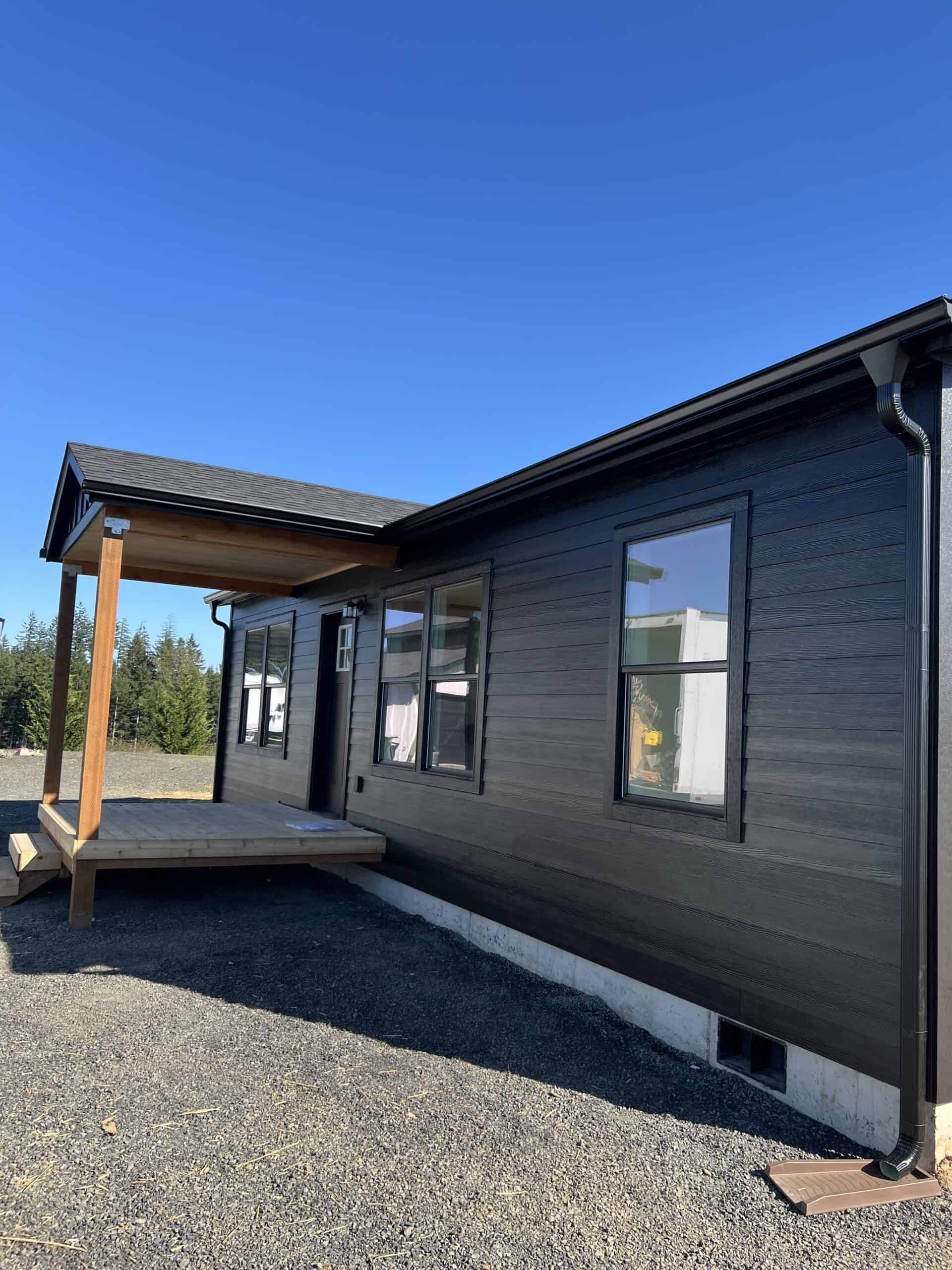
Modular construction can be an excellent solution for accessory dwelling units because much of the home is built in a controlled factory environment while site preparation and permitting move forward.
Potential advantages include:
Predictable Construction Quality
The home is built indoors using established production procedures, protecting materials and interior construction from prolonged exposure to rain, mud, smoke, and changing weather.
Parallel Project Timelines
Factory production can take place while foundation work, utility preparation, and other site improvements are completed. This can reduce the amount of time the property functions as an active construction site.
Less On-Site Disruption
A modular ADU arrives largely completed. This can reduce months of on-site framing, material storage, subcontractor traffic, and construction noise near the existing home.
Efficient Small-Home Designs
Modular floor plans are designed to make effective use of limited square footage. This is especially valuable when the local maximum is 900 square feet or the property has a constrained building area.
A More Coordinated Process
An ADU involves far more than constructing the home itself. It may require planning approval, engineering, permits, foundation work, utilities, transportation, installation, inspections, and final occupancy.
Working with an experienced modular builder can help coordinate these moving parts.
Build Your Jackson County OR ADU With Wolf Industries
Wolf Industries has built more than 600 ADUs and modular homes throughout the Pacific Northwest, including projects in Southern Oregon and communities around Jackson County OR.
Wolf’s turnkey process is designed to take property owners from the earliest feasibility questions through final occupancy. Depending on the project, that process can include:
- Property research
- Preliminary feasibility
- Model selection
- Site planning
- Proposal development
- Engineering
- Permit coordination
- Factory construction
- Site preparation
- Foundation construction
- Utility coordination
- Transportation
- Installation
- Required inspections
- Final occupancy
- Key handoff
Instead of beginning with assumptions about what can fit, begin with the property.
Wolf’s free property evaluation is the best way to learn what may be possible on your land. The evaluation can help identify the applicable jurisdiction, zoning, access conditions, utility questions, placement constraints, and the Wolf models that may be appropriate for the site.
Start your free property evaluation today:
https://wolfind.com/free-property-evaluation/
Frequently Asked Questions About Jackson County ADUs
How large can an ADU be in unincorporated Jackson County?
Under Jackson County’s current standards for the county ADU pathways discussed above, the maximum usable floor area is generally 900 square feet.
Can I build a rural ADU on any two-acre property?
No. The two-acre minimum applies to qualifying rural residential zones outside an urban growth boundary and urban reserve. Zoning, the existing dwelling, access, wastewater, setbacks, overlays, fire protection, and other conditions must also meet county and state requirements.
Can a Jackson County rural ADU be used as a vacation rental?
The county requires a recorded deed declaration stating that the rural ADU and primary dwelling cannot be used for vacation occupancy.
Can I divide the property and sell the ADU separately?
The county does not allow a property division that would place the approved ADU on a separate parcel from the detached single-family dwelling it serves.
Do Medford and Jackson County OR have the same ADU rules?
No. Properties inside Medford city limits are governed by the Medford Land Development Code. Unincorporated properties are generally governed by Jackson County OR. Other incorporated cities have their own codes and permit processes.
What is the best way to determine whether my property qualifies?
Begin with Wolf Industries’ free property evaluation. Property-specific research is necessary because jurisdiction, zoning, setbacks, septic capacity, utilities, fire access, overlays, and site conditions can all affect feasibility.
ADU regulations, fees, incentives, building codes, and interpretations may change. This article provides general information and is not a substitute for a property-specific determination by the applicable planning, building, utility, fire, or environmental authority.
Sources
The regulations and agency information should be reviewed directly and confirmed with Jackson County OR before beginning a project. Rules, interpretations, forms, fees, and code requirements may change.
Jackson County Current Land Development Ordinance
Jackson County Land Development Ordinance, Chapter 6, Accessory Dwelling Unit Standards
Jackson County Planning Forms and ADU Application Materials
https://www.jacksoncountyor.gov/departments/development_services/planning/forms___applications.php
Jackson County Board Letter Initiating the ADU Land Development Ordinance Amendment
City of Medford Updated ADU Brochure
City of Medford ADU System Development Charge Reduction Program
https://www.medfordoregon.gov/Government/Departments/Planning/ADU-SDC-Reduction
Medford Municipal Code Section 10.821
https://medford.municipal.codes/Code/10.821
Oregon Revised Statutes Chapter 215, including ORS 215.495
https://www.oregonlegislature.gov/bills_laws/ors/ors215.html
Oregon Department of Environmental Quality Residential Septic Permitting
https://www.oregon.gov/deq/Residential/Pages/residentialseptic.aspx
Oregon DEQ ADU and Onsite Wastewater Fact Sheet
https://www.oregon.gov/deq/Residential/Documents/ADUfactsheet.pdf
Richard Stevens & Associates, Jackson County ADU Requirements
https://rsaoregon.com/jackson-county-adu-requirements
Jacksonville Review, Accessory Dwelling Units in Jackson County
https://jacksonvillereview.com/accessory-dwelling-units-in-jackson-county-by-sandy-j-brown-2/