
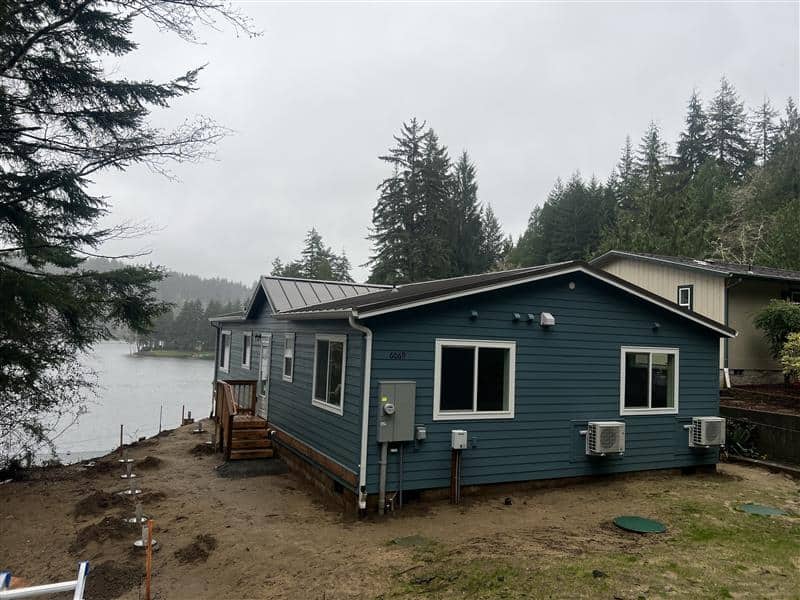
Adding an accessory dwelling unit in Lane County OR sounds simple at first. You have property. You have space. You have a vision for a small home that could serve as a rental, a place for family, a guest space, or a long-term investment. Then the real questions begin.
Can you actually build one? How big can it be? Does your property qualify? Are you under Lane County rules, Eugene rules, Springfield rules, or another city’s rules? What about septic, utilities, fire access, zoning, setbacks, design standards, and permits? That is where many homeowners get stuck.
The good news is that ADUs are becoming a more realistic option for many property owners throughout Lane County, Oregon. The harder truth is that the rules are not one-size-fits-all. A property in unincorporated rural Lane County may face a very different process than a property inside Eugene or Springfield. Before you spend money on plans, engineering, site work, or permit applications, the smartest first step is to find out what is actually possible on your specific property.
That is exactly why Wolf offers a free property evaluation. It gives you a clearer starting point before you invest time and money into an ADU project that may need to be adjusted, redesigned, or rethought.
Wolf Industries has built over 600 ADUs and modular homes throughout the Pacific Northwest, including many in Lane County. That experience matters because building an ADU is not just about choosing a floor plan. It is about understanding feasibility, permitting, production, delivery, utilities, foundation, site access, and final setup.
What Is an ADU in Lane County OR?
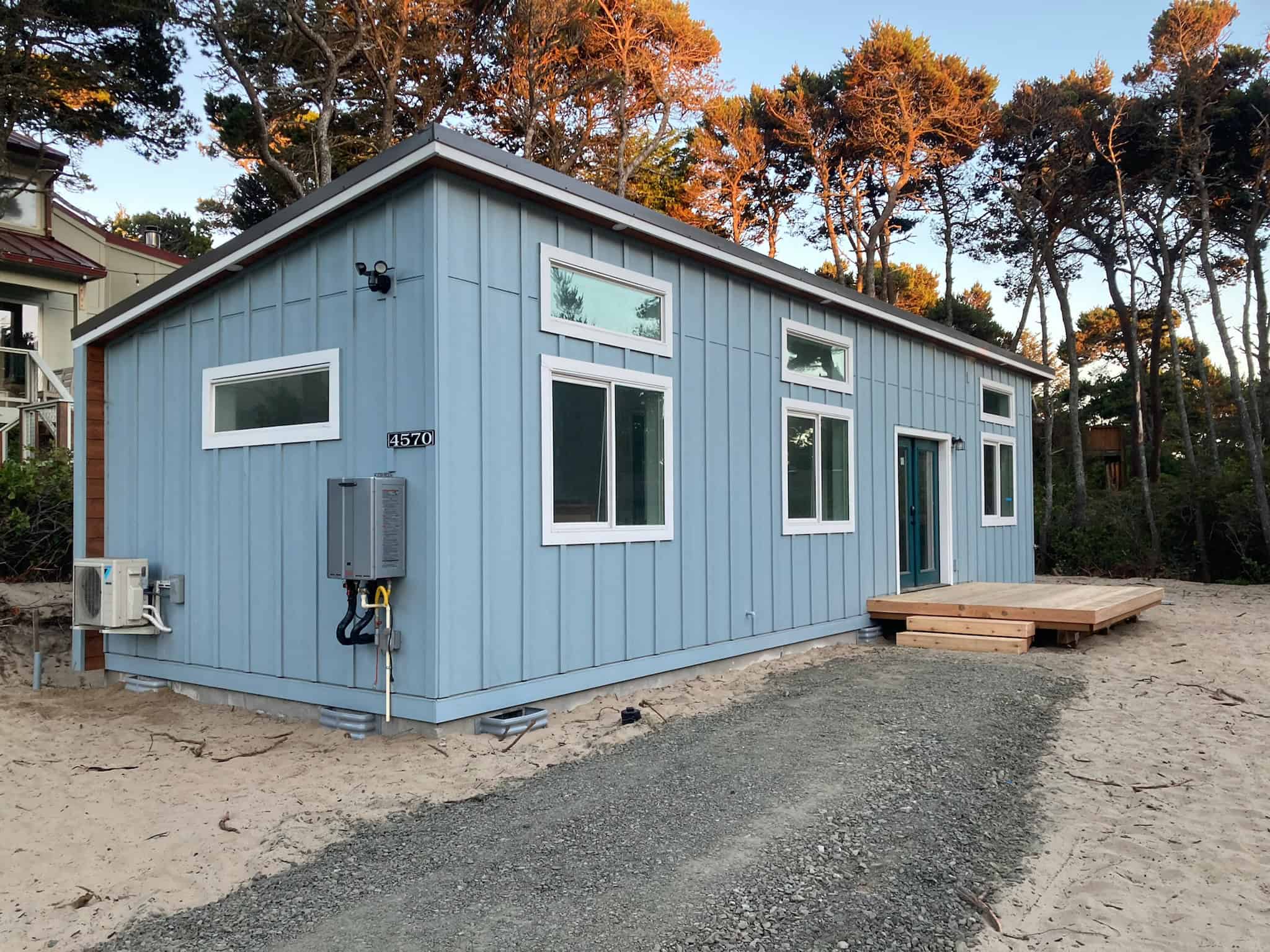
An ADU, or accessory dwelling unit, is a secondary dwelling located on the same property as a primary home. Depending on the property and local rules, an ADU may be detached, attached, created within an existing structure, or built as part of a new development.
In practical terms, an ADU usually includes its own living area, kitchen, bathroom, sleeping space, and entrance. For many homeowners, it becomes a flexible housing solution that can change with their needs over time.
An ADU may be used for aging parents, adult children, long-term rental income, guest housing, downsizing, caretaking, or creating more usable value on a property. But before getting too far into the dream, the property has to qualify under the rules that apply to its location. That is the part homeowners often underestimate.
Lane County includes rural areas, unincorporated communities, and cities with their own development codes. Eugene and Springfield both have their own ADU programs and standards. Unincorporated Lane County has separate rules, especially for rural residential land.
In other words, the first question is not “Which ADU model do I like?” The first question is “Which jurisdiction controls my property, and what does that jurisdiction allow?”
ADU Rules in Unincorporated Lane County
Lane County’s ADU rules are especially important for rural residential properties outside city limits. According to Lane County, the Board of County Commissioners passed Ordinance 23-05 on August 29, 2023, allowing ADUs on rural residential zoned properties in rural areas of Lane County.
That was a significant change because Oregon Senate Bill 391 created a pathway for counties to allow rural residential ADUs, but counties still had to adopt local ordinances to make that option available.
For qualifying rural residential properties, Lane County identifies several important conditions. A lot or parcel generally must be at least two acres in size. There must already be one single-family dwelling on the property. The property must be served by a fire protection service provider. The ADU must comply with applicable sanitation and wastewater disposal rules. The ADU is limited to 900 square feet of usable floor area. It must be located within 100 feet of the existing single-family dwelling. It must also comply with applicable wildfire hazard mitigation standards.
There are also key restrictions. Lane County notes that these ADUs cannot be used for vacation occupancy. The ADU also cannot be separated from the primary dwelling through a land division. In addition, Lane County indicates that ADUs are not allowed in urban reserves under these rural residential rules. That means rural Lane County ADU projects can be possible, but they are not automatic.
The 2-acre minimum alone can eliminate some properties. Septic or wastewater constraints can also affect feasibility. Fire access, wildfire rules, water availability, and the required proximity to the existing home can all influence where an ADU can be placed, how it can be designed, and whether it makes sense financially.
This is why Wolf’s free property evaluation is such a valuable first step. Instead of guessing, you can begin with a clearer understanding of the major feasibility issues before moving into design, permitting, and construction planning.
Lane County ADU Size Limits
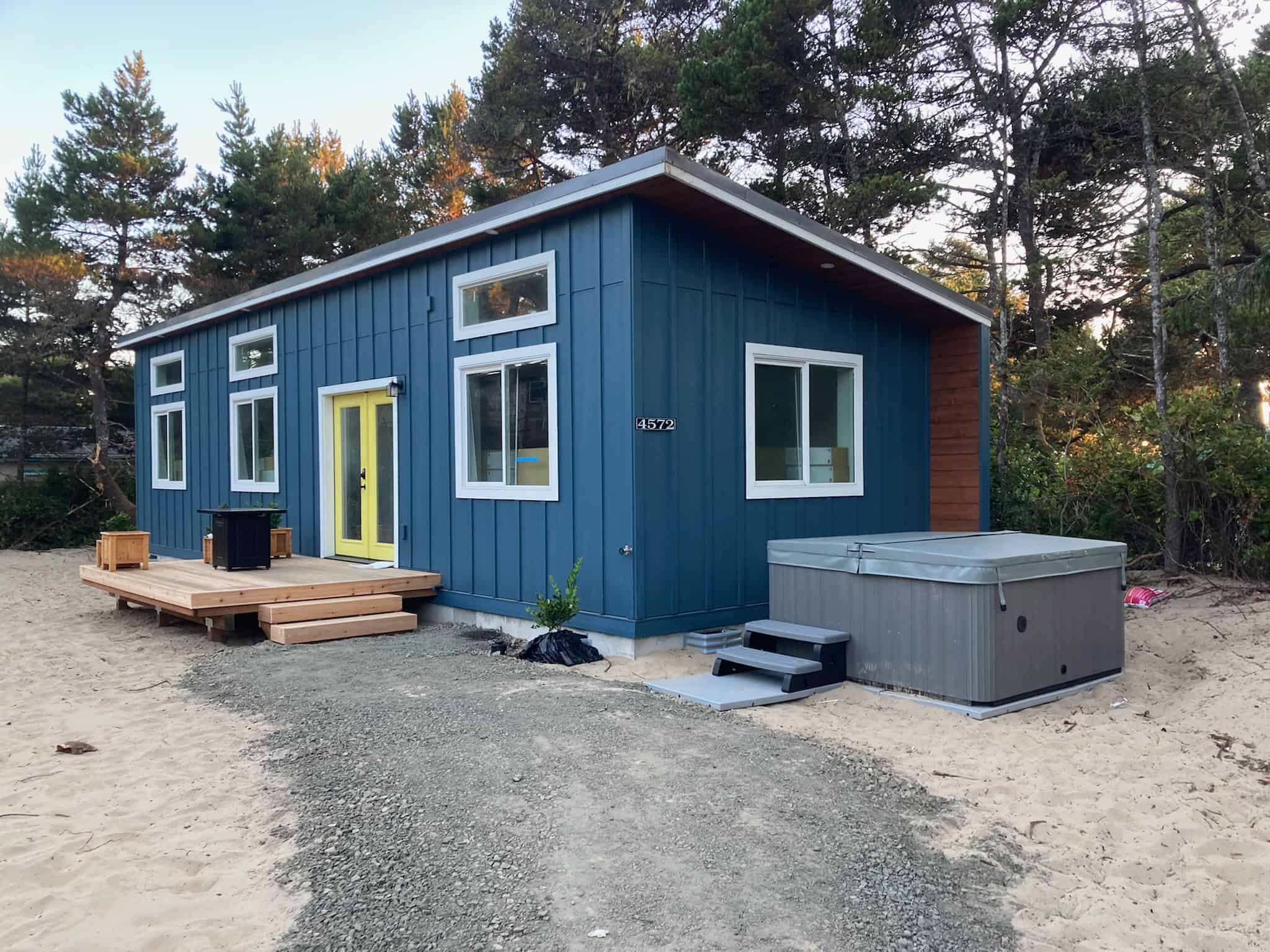
For rural residential properties under Lane County’s SB 391-based rules, the ADU is limited to 900 square feet of usable floor area.
That detail matters because “usable floor area” is not always the same as the total footprint of every related structure. Lane County’s draft code materials define usable floor area as the area within the surrounding insulated exterior walls of a structure, excluding items such as attached garages, carports, decks, exterior stairs, porch covers, or similar appurtenances.
In plain English, the livable ADU area is what is being limited.
That said, homeowners should not assume they can simply add whatever garage, porch, or accessory area they want without review. Site coverage, setbacks, development standards, building code, utility requirements, and other rules may still apply.
A good ADU builder should help you think through both the home itself and the total site impact. That is especially important for modular ADUs, where the home design, delivery route, foundation, utility connections, and final setup all need to work together.
The 100-Foot Rule for Rural Lane County ADUs
One of the most important Lane County rural ADU rules is the requirement that the ADU be located no farther than 100 feet from the existing single-family dwelling. This can affect the project more than homeowners expect.
You may have a large parcel, but the best buildable area may not be within 100 feet of the existing home. Or the area within 100 feet may have slope issues, trees, septic conflicts, driveway limitations, drainage concerns, or access limitations for modular delivery.
That is why feasibility should come before design. A plan that looks perfect on paper can become a problem if the home cannot be placed, delivered, connected, or permitted where it needs to go.
Wolf’s turn-key process is designed to reduce that kind of uncertainty. Instead of making the homeowner coordinate feasibility, permitting, site work, utilities, delivery, and setup on their own, Wolf helps manage the process from the early evaluation stage through the finished project.
Can a Lane County ADU Be Used as a Short-Term Rental?
For rural residential ADUs allowed under Lane County’s SB 391 rules, vacation occupancy is not allowed.
This is a critical point for homeowners who are thinking about building an ADU primarily for short-term rental income. Lane County’s materials state that these ADUs cannot be used for vacation occupancy, and the code materials also refer to recording a restrictive covenant stating the ADU will not be used for vacation occupancy.
That does not mean every ADU everywhere in Lane County is governed by the exact same short-term rental restrictions. City rules and other property-specific rules may differ. But for rural residential ADUs under this Lane County pathway, homeowners should be very careful about assuming short-term rental use is permitted.
If your goal is rental income, that needs to be discussed early. There is a big difference between building for long-term rental income, family housing, guest use, or short-term rental purposes.
This is another reason to start with a property evaluation. The intended use of the ADU should match what the property and local rules actually allow.
ADU Rules in Eugene, Oregon
If your property is inside Eugene, the City of Eugene has its own ADU standards and resources.
Eugene’s Pre-Approved Accessory Dwelling Unit Program is designed to reduce barriers to building ADUs by offering pre-approved plans, helping expedite the building permit process, and reducing pre-construction costs. The city’s program includes a library of ADU plans with different styles, sizes, and features.
Eugene also lists several important facts about ADUs. ADUs are currently allowed in all neighborhoods. In most zones, ADUs can be a maximum of 800 square feet or 10 percent of the lot area, whichever is smaller. Eugene states that ADUs do not require additional off-street parking, owner occupancy of either unit is not required, and ADUs are not restricted by minimum lot size, lot dimension, or maximum density.
Those are homeowner-friendly rules compared with many older ADU standards. But that does not mean every Eugene property is simple.
A property may still need to address setbacks, utilities, stormwater, sewer connections, site access, design requirements, building code, tree impacts, easements, or other constraints. If the ADU is modular, delivery access and crane or set logistics may also need to be reviewed early.
Wolf has built many homes in Lane County and throughout the Pacific Northwest, and that experience helps homeowners move beyond the question of “Is an ADU generally allowed?” to the more useful question of “What can actually be built here, and what will it take?”
ADU Rules in Springfield, Oregon
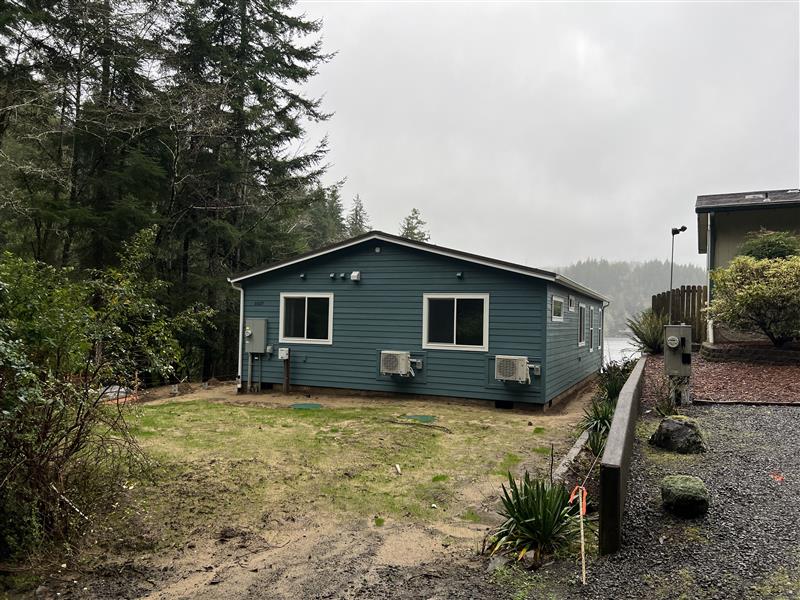
Springfield also has its own ADU rules and resources.
The City of Springfield describes an ADU as a small, self-contained dwelling allowed in conjunction with a primary dwelling. It has a separate entrance, kitchen, bathroom, and sleeping area. Springfield states that an ADU can be created within an existing home or garage, added onto a home, built above a garage, built as a freestanding cottage, created by converting an existing dwelling of less than 800 square feet and building a primary dwelling, or designed as part of a new housing development.
Springfield also has a ready-build ADU plan that is free to download and use. The city notes that permits and fees still apply, but using the plan can reduce building permit plan review fees. Planning review and approval are still required before submitting a building permit because site-specific elements must be reviewed.
Springfield’s ADU materials also state that an ADU must include a kitchen, bathroom, and sleeping area independent from the primary dwelling and must not exceed 800 square feet or the square footage of the primary dwelling, excluding the garage for the primary dwelling, whichever is less.
The City has also temporarily waived certain system development charges for newly permitted ADUs through June 30, 2027, including transportation, stormwater, and local wastewater SDCs, though other charges may still apply.
For Springfield homeowners, that can make an ADU more attractive, but the process still needs careful planning. Permits, site plans, utility locations, drainage, setbacks, design standards, and building requirements can still shape the final project.
What About Tiny Homes in Lane County?
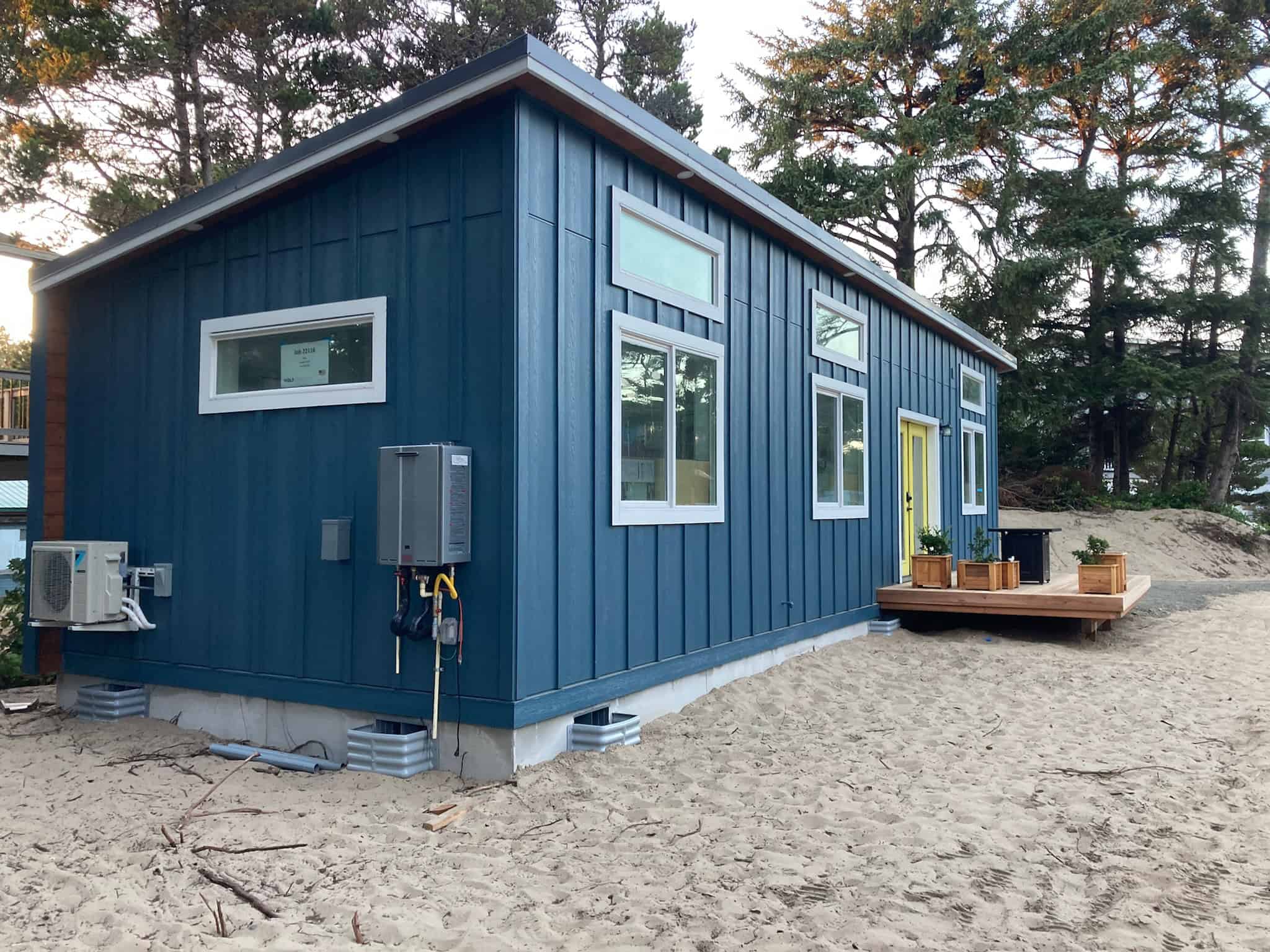
Many homeowners use the words “tiny home” and “ADU” interchangeably, but permitting departments do not always treat them the same way.
Lane County explains that “tiny home” is an umbrella term for space-efficient housing, but not every tiny home is eligible for permanent placement. Permanent tiny homes are attached to an approved foundation and must meet Oregon building codes. They can be built on site or manufactured in an approved and licensed facility.
Lane County also notes that tiny homes on a frame or chassis are considered temporary, and temporary dwellings may not be permanently placed on lands in the county. This is an important distinction.
A tiny-looking home is not automatically a legal ADU. A movable tiny home on wheels is not the same thing as a code-compliant modular ADU on an approved foundation. If your goal is a legal long-term dwelling, you need to make sure the structure, foundation, permitting path, and site all align with local rules.
Wolf’s modular homes are built with permanent housing in mind, which can make them a stronger fit for homeowners who want a permitted ADU rather than a temporary structure that may not qualify.
Why Lane County ADU Projects Get Complicated
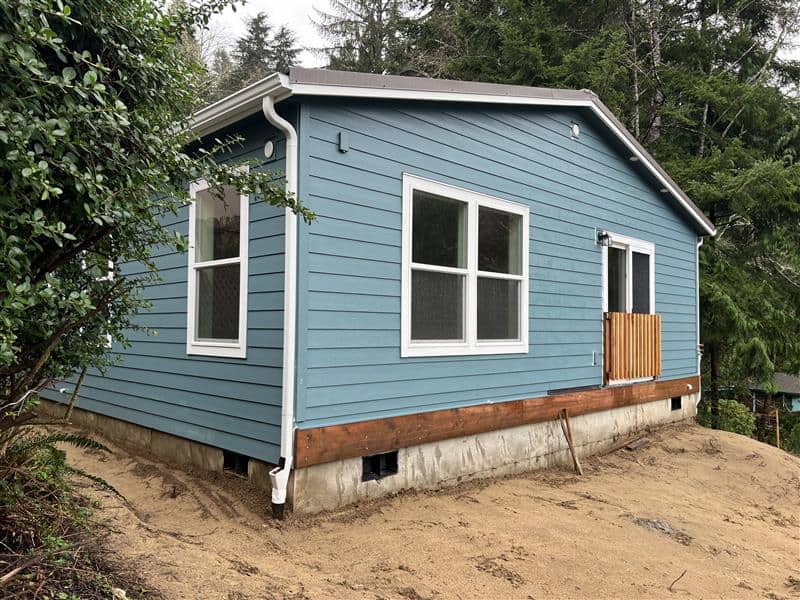
ADU projects can feel deceptively simple because the home is smaller than a traditional house. But smaller does not always mean easier.
A Lane County ADU project may involve zoning review, building permits, septic review, water availability, stormwater planning, utility connections, electrical service, driveway access, fire access, setbacks, height limits, lot coverage, foundation design, delivery logistics, and final inspections.
For rural properties, the feasibility questions can become even more important. Is the parcel large enough? Is there an existing single-family dwelling? Is the proposed location within 100 feet of the home? Can the septic system support the additional dwelling? Is the site served by a fire protection provider? Is the property impacted by wildfire-related limitations? Is the property in an urban reserve area? Is the intended use allowed?
For city properties, the questions may shift. Does the lot have enough usable space? Can the ADU meet setbacks and coverage limits? Where will utilities connect? Will stormwater requirements affect the site layout? Can the home be delivered and placed? Will the design meet city standards?
This is where an experienced builder can save homeowners from expensive mistakes.
Wolf has built over 600 ADUs and modular homes throughout the Pacific Northwest, including many in Lane County. That experience means Wolf understands that a successful ADU is not just a structure. It is a complete project that has to work from property evaluation through final setup.
Why Modular ADUs Make Sense in Lane County
A modular ADU can be an excellent fit for Lane County homeowners because much of the home is built in a controlled factory environment. That can reduce the uncertainty that comes with traditional on-site construction, especially during Oregon’s wet seasons.
With modular construction, the home itself is built off-site while site work and permitting move forward. Once the site is ready, the home is delivered and set on the foundation. This approach can help streamline the building process, reduce disruption on the property, and give homeowners a clearer path from planning to completion.
But modular does not remove the need for local approvals. The property still has to qualify. The site still has to work. Utilities still need to be connected. The foundation still needs to be prepared. Permits still need to be handled correctly. That is why Wolf’s turn-key process is so valuable.
Wolf does not simply sell a unit and leave the homeowner to figure out the rest. Wolf helps guide the project through feasibility, proposal, permits, production, delivery, setup, and finishing work. For homeowners who do not want to become their own general contractor, that can make the difference between a stressful project and a manageable one.
Start With a Free Property Evaluation
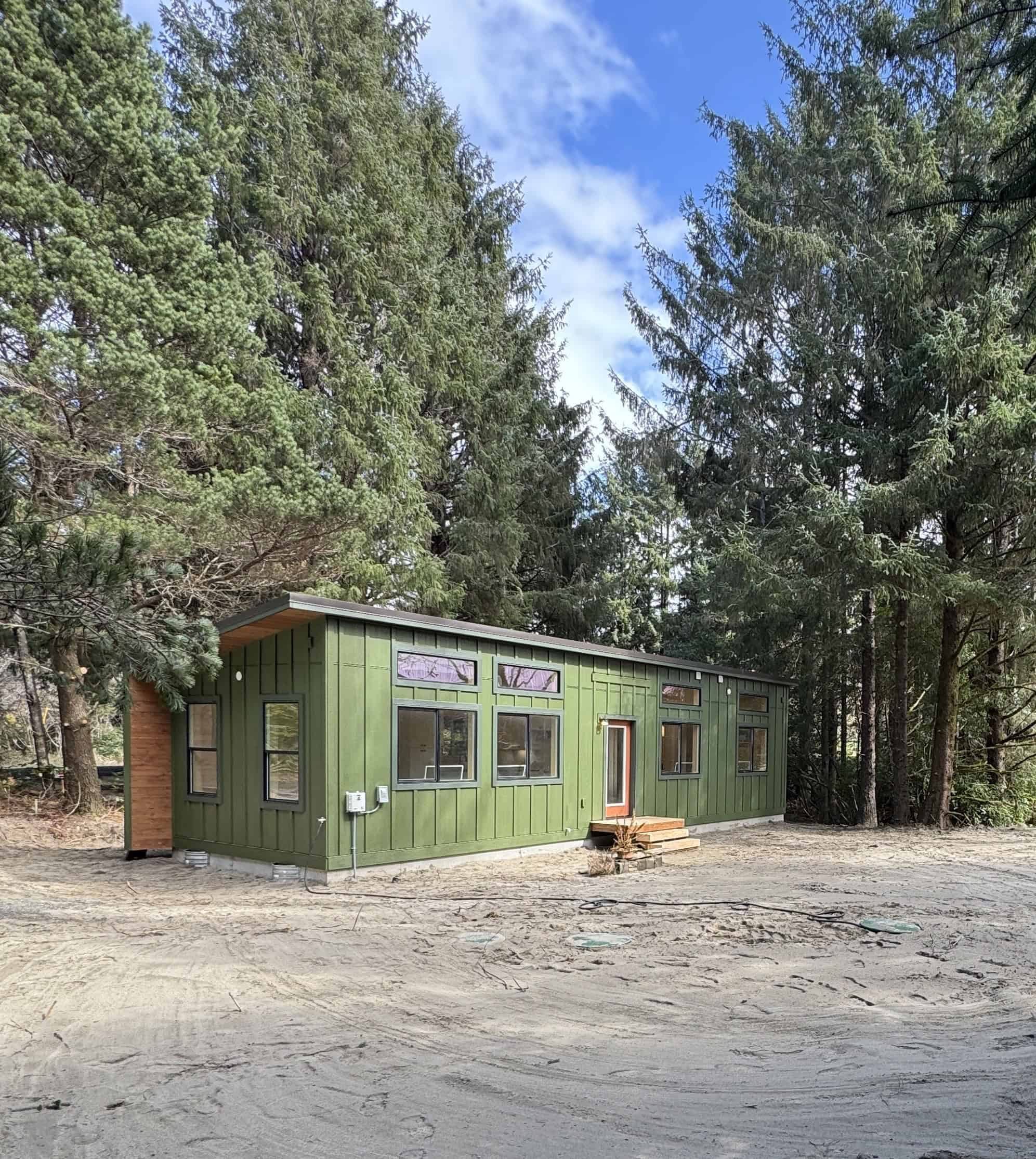
Before you spend money on plans, surveys, engineering, or applications, start by finding out what is possible.
Wolf’s free property evaluation is the best first step for homeowners considering an ADU in Lane County. It helps identify major feasibility questions early so you can make decisions with better information.
This is especially important in Lane County because the rules can change depending on whether your property is in unincorporated Lane County, Eugene, Springfield, or another local jurisdiction. Even two properties near each other can have very different development paths.
A free property evaluation can help answer questions like:
- Can an ADU likely be built on this property?
- Which jurisdiction’s rules apply?
- Is the property large enough?
- Are there likely setback or placement issues?
- Could septic, sewer, water, or utilities affect the project?
- Is modular delivery realistic?
- Which Wolf model may be a good fit?
- What are the next steps before moving forward?
The goal is not to guess. The goal is to find the clearest path before you commit serious money to the project.
Build With a Team That Knows the Process
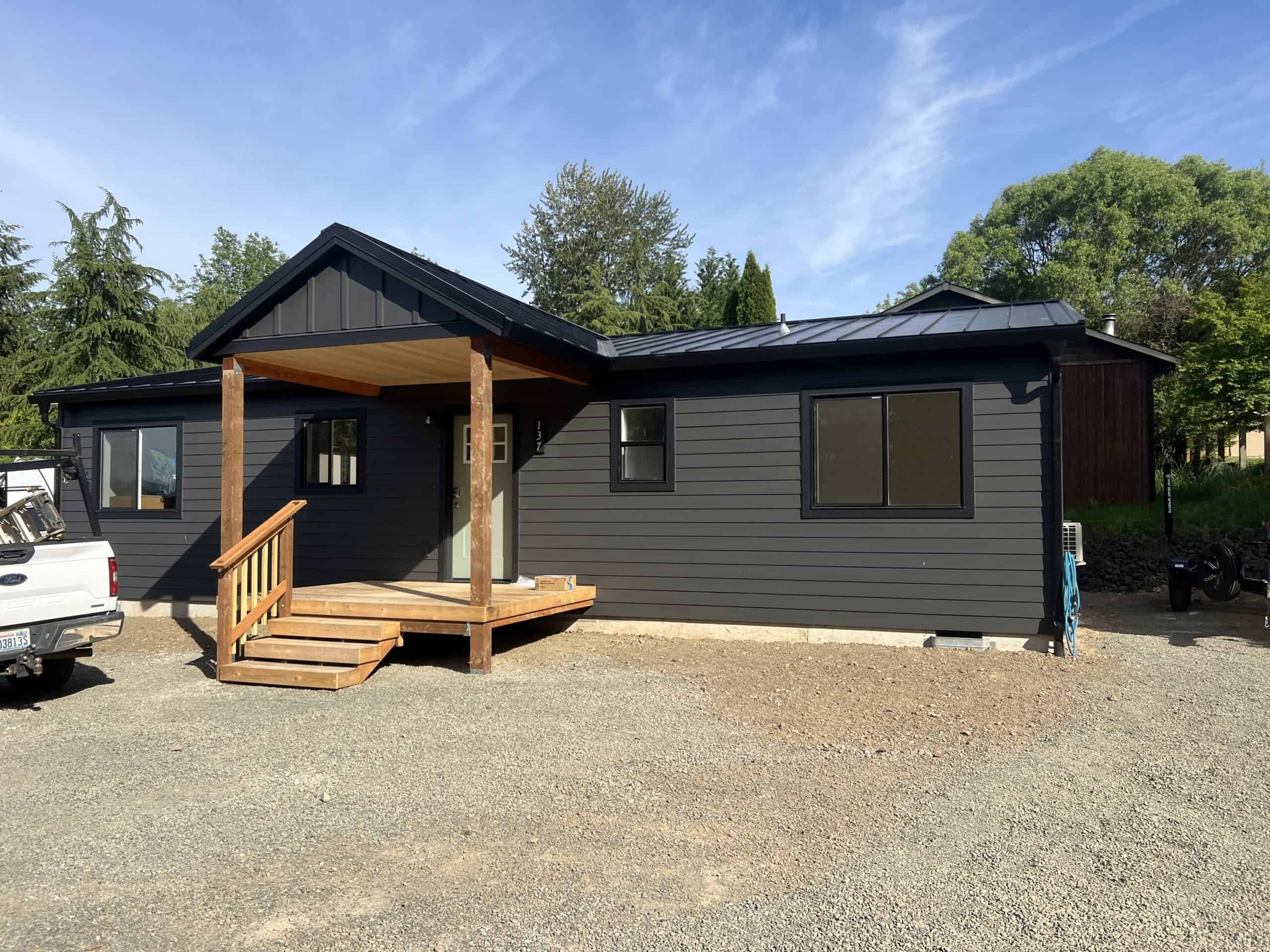
Lane County ADU rules can create major opportunities for homeowners, but they can also create confusion. Rural residential rules, city standards, tiny home distinctions, short-term rental restrictions, utility requirements, and permit processes all matter.
The safest move is to work with a builder that understands the whole picture.
Wolf Industries has built over 600 ADUs and modular homes throughout the Pacific Northwest, including many in Lane County. Wolf’s turn-key process is built to take the headache out of the ADU journey by helping homeowners move from early feasibility to final setup with a clearer plan.
If you are considering an ADU in Lane County, Oregon, do not start with guesswork.
Start with a free property evaluation from Wolf and find out what is actually possible on your property.
Sources
Lane County: Accessory Dwelling Units (ADUs, SB391)
https://www.lanecountyor.gov/government/county_departments/public_works/land_management_division/land_use_planning___zoning/accessory_dwelling_units
Lane County: Tiny Homes
https://www.lanecountyor.gov/government/county_departments/public_works/land_management_division/building_safety/tiny_homes
Lane County ADU Code Materials / Agenda Cover Memo
https://www.lanecounty.org/common/pages/DisplayFile.aspx?itemId=18736629
City of Eugene: Pre-Approved Accessory Dwelling Unit Program
https://www.eugene-or.gov/4707/Pre-Approved-Accessory-Dwelling-Unit-Pro
City of Springfield: Accessory Dwelling Units
https://springfield-or.gov/city/development-public-works/applications-licenses-and-permits/accessory-dwelling-units/
City of Springfield: ADU Brochure
https://springfield-or.gov/wp-content/uploads/2023/01/ADU-brochure-2023.pdf
City of Springfield: Accessory Dwelling Unit Type 1 Application
https://springfield-or.gov/wp-content/uploads/2025/01/Accessory-Dwelling-Unit-Type-1-Fillable-12-12-24.pdf
City of Springfield: Housing Incentive Programs
https://springfield-or.gov/city/development-public-works/housing-incentive-programs/