
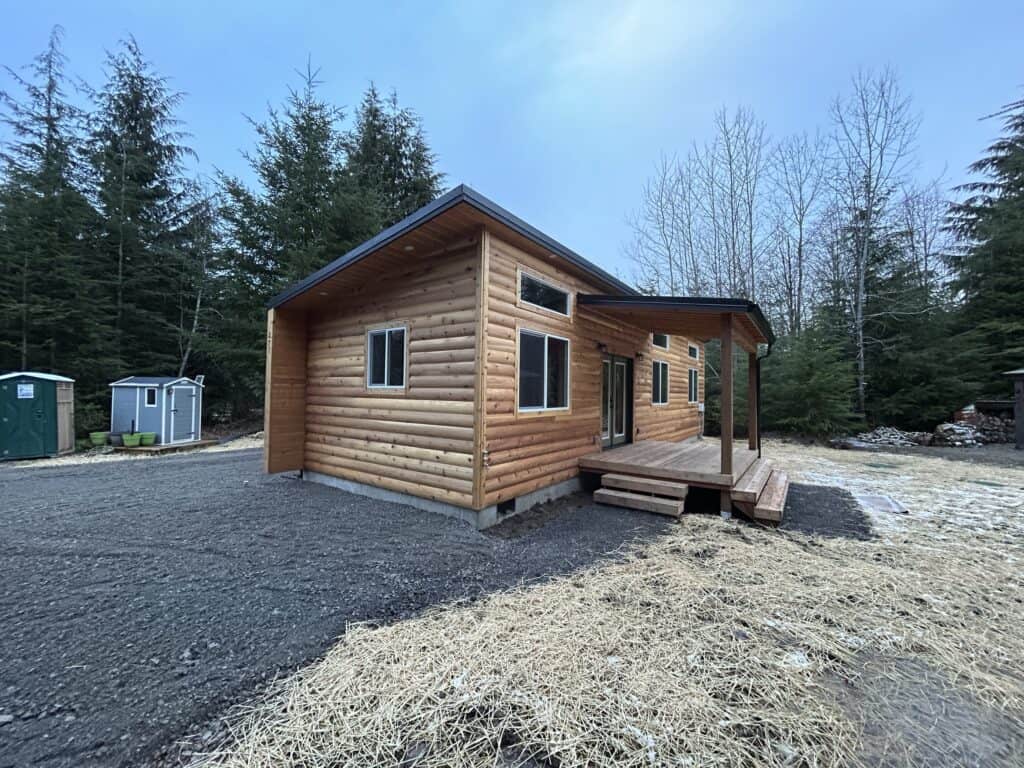
Accessory Dwelling Units, commonly called ADUs, are becoming one of the most practical ways for Lewis County homeowners to add housing flexibility, rental income, or space for family members. Whether you are thinking about a detached backyard ADU, an attached unit, or a small modular cottage, understanding the ADU rules and regulations in Lewis County, WA is the most important first step.
Lewis County has specific zoning, size, parking, and permitting requirements that can significantly impact whether an ADU is allowed on your property and what it can look like. The good news is that ADUs are permitted in many areas of the county, and recent updates to the code have made them more achievable for homeowners who plan carefully.
Wolf Industries has built many ADUs throughout Lewis County and the surrounding region. This guide breaks down the key rules, common challenges, and how to determine if your property qualifies before you invest time and money into design.
What Is an ADU in Lewis County, Washington

In Lewis County, an Accessory Dwelling Unit is a smaller residential unit that is secondary to a primary single family home. It is considered accessory because it must remain subordinate in size, use, and purpose to the main dwelling on the property.
ADUs can be configured in a few different ways. Some are attached to the primary home, such as an addition or a converted garage. Others are detached structures, often located in the backyard or side yard. Lewis County does not classify an ADU as a separate legal lot or residence. It remains tied to the main home and cannot be sold separately.
ADUs are different from recreational vehicles, manufactured homes placed as second dwellings, or short-term lodging units. Understanding this distinction is important when reviewing zoning and permitting requirements.
Where ADUs Are Allowed in Lewis County WA
One of the first questions homeowners ask is whether their zoning allows an ADU. In Lewis County, ADUs are generally permitted in residential zones that allow single family dwellings. This includes many properties both inside and outside Urban Growth Areas.
Zoning alone does not guarantee approval. Lot size, setbacks, critical areas, and access all play a role. Rural properties often have additional considerations such as septic capacity and well limitations. Urban properties may face tighter setbacks or parking requirements depending on location.
Before moving forward, it is critical to verify your exact zoning designation and any overlays that apply to your parcel. This is one area where working with a local ADU builder like Wolf Industries can save months of frustration.
ADU Size, Height, and Design Standards
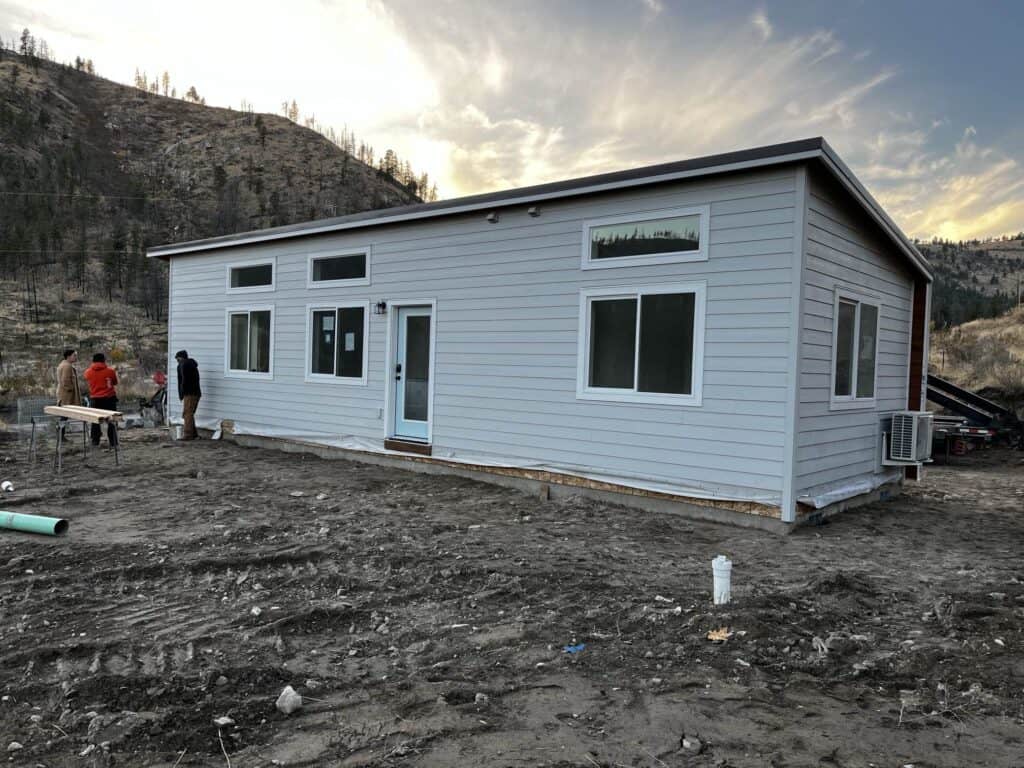
Lewis County places limits on the size and scale of ADUs to ensure they remain secondary to the primary home. Maximum square footage is typically capped, with the exact allowance depending on zoning and lot characteristics.
Height restrictions also apply, especially for detached ADUs. These limits are designed to maintain neighborhood compatibility and protect adjacent properties. Roof form, exterior materials, and overall design are often required to be visually compatible with the main home.
Setbacks are another critical factor. Even if your lot is large, setbacks from property lines, structures, and critical areas can significantly reduce the buildable area. Many ADU projects fail or require redesign because setbacks were not evaluated early enough.
Occupancy, Ownership, and Use Rules
Lewis County requires ADUs to remain accessory to an owner occupied property in most cases. This means either the primary home or the ADU must be occupied by the property owner. These rules are intended to prevent the creation of de facto duplexes in areas not zoned for them.
ADUs are typically intended for long-term housing rather than short-term rentals. If your goal is rental income, it is important to understand how local regulations treat lease terms and tenant occupancy.
An ADU cannot be sold separately from the primary residence. Both units remain under the same ownership and parcel.
Parking Requirements for ADUs in Lewis County
Parking requirements vary depending on zoning, location, and whether the property is rural or urban. Some ADUs require additional off street parking spaces, while others may qualify for reductions or exemptions.
Parking design must meet county standards for access and safety. On rural properties, this may be more flexible, but access drives and turnaround areas still need to be evaluated.
Ignoring parking requirements is a common mistake that can delay permitting or force design changes late in the process.
Utilities, Water, and Septic Considerations
Utilities are often the deciding factor in whether an ADU is feasible. Properties on public water and sewer typically have a more straightforward path, although connection fees and capacity must still be confirmed.
Rural properties on septic systems require careful evaluation. The existing septic system must be sized to accommodate the additional dwelling. In many cases, upgrades or system expansions are required before an ADU can be approved.
Electrical service, stormwater management, and fire access are also reviewed during permitting. These elements should be evaluated early to avoid costly surprises.
The Lewis County ADU Permitting Process
Building an ADU in Lewis County requires both planning and building permits. The process typically includes zoning review, site plan approval, building code compliance, and inspections.
Required documents often include a site plan, floor plans, elevations, utility information, and septic or sewer documentation. Permitting timelines can vary depending on project complexity and county workload.
Homeowners who attempt to manage this process alone often underestimate the coordination required. Wolf Industries specializes in turn-key ADU delivery and manages permitting as part of the overall process.
Recent Updates to Lewis County ADU Regulations
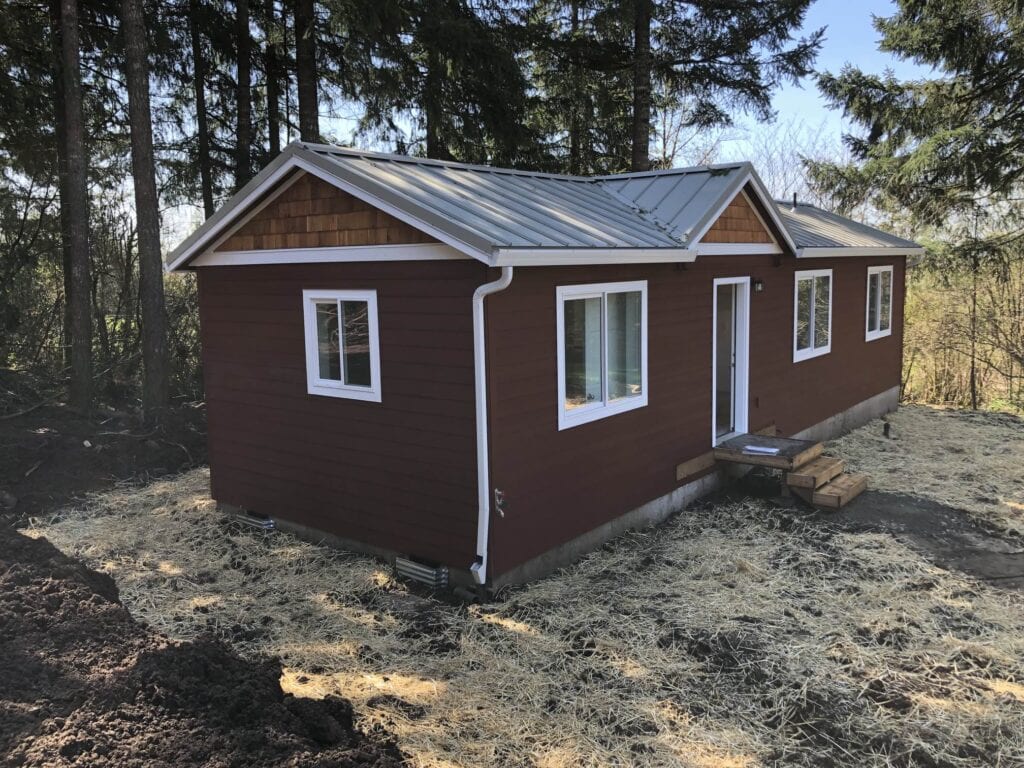
Lewis County has made updates to its residential housing regulations aimed at increasing housing options while maintaining community standards. These updates can affect size allowances, use rules, and administrative procedures.
Staying current with these changes is important, especially for homeowners who may have researched ADUs in the past. What was not allowed a few years ago may now be feasible with the right approach.
Common ADU Planning Mistakes to Avoid

Many ADU projects stall because homeowners assume zoning approval means full feasibility. Setbacks, utilities, septic capacity, and access are often overlooked until late in the process.
Another common mistake is starting architectural design before confirming site constraints. This can lead to wasted design costs and major revisions.
Choosing a builder without local permitting experience can also create delays. Lewis County has specific expectations, and familiarity with local review standards matters.
Why Work With a Lewis County ADU Builder With Experience
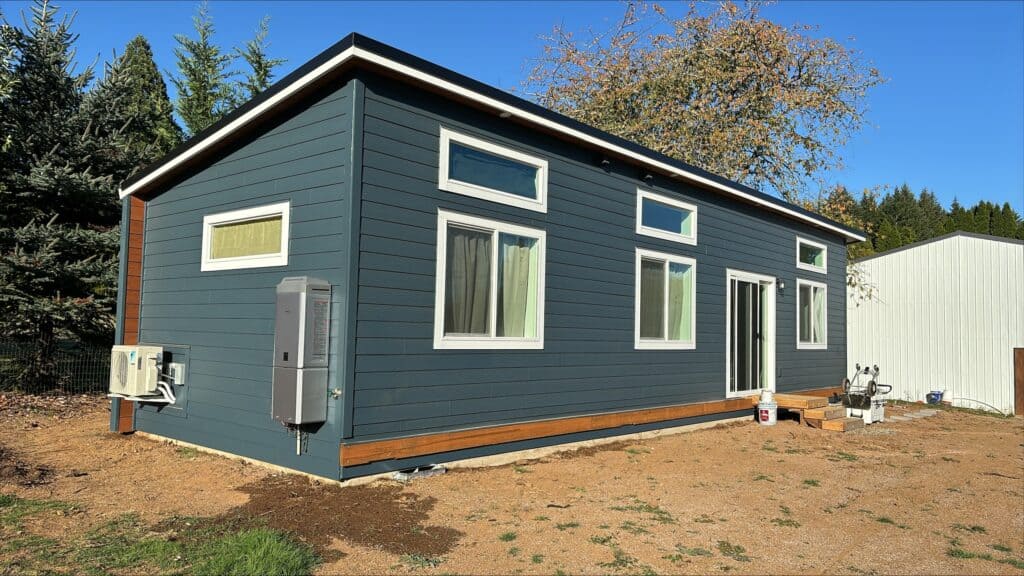
Building an ADU is not just a construction project. It is a zoning, permitting, and site planning exercise. Wolf Industries has built many ADUs in Lewis County and understands how to navigate these layers efficiently.
Wolf’s factory built modular ADUs offer predictable pricing, faster construction timelines, and consistent quality. Combined with a turn-key process that includes permitting, site work, delivery, and setup, this approach reduces risk for homeowners.
Local experience means fewer surprises and a smoother path from concept to occupancy.
Start With a Free Lewis County Property Evaluation
Every successful ADU project starts with understanding the property. Wolf Industries offers a free property evaluation to determine whether your land qualifies for an ADU under Lewis County rules and regulations.
During the evaluation, Wolf reviews zoning, setbacks, utilities, access, and site constraints. This early insight helps homeowners make informed decisions before committing to design or construction.
If you are considering an ADU in Lewis County, the best next step is a free property evaluation with a builder who has already done it successfully in your area.
Sources
Lewis County ADU Handout
https://lewiscountywa.gov/media/documents/ADU_Handout_hvJYG5N.pdf
Lewis County Code Chapter 17.102
https://www.codepublishing.com/WA/LewisCounty/html/LewisCounty17/LewisCounty17102.html
Residential Housing Amendments February 2024
https://lewiscountywa.gov/media/documents/2024-02-16_RHA_AttachB_17.143_NEW_RHA.pdf