
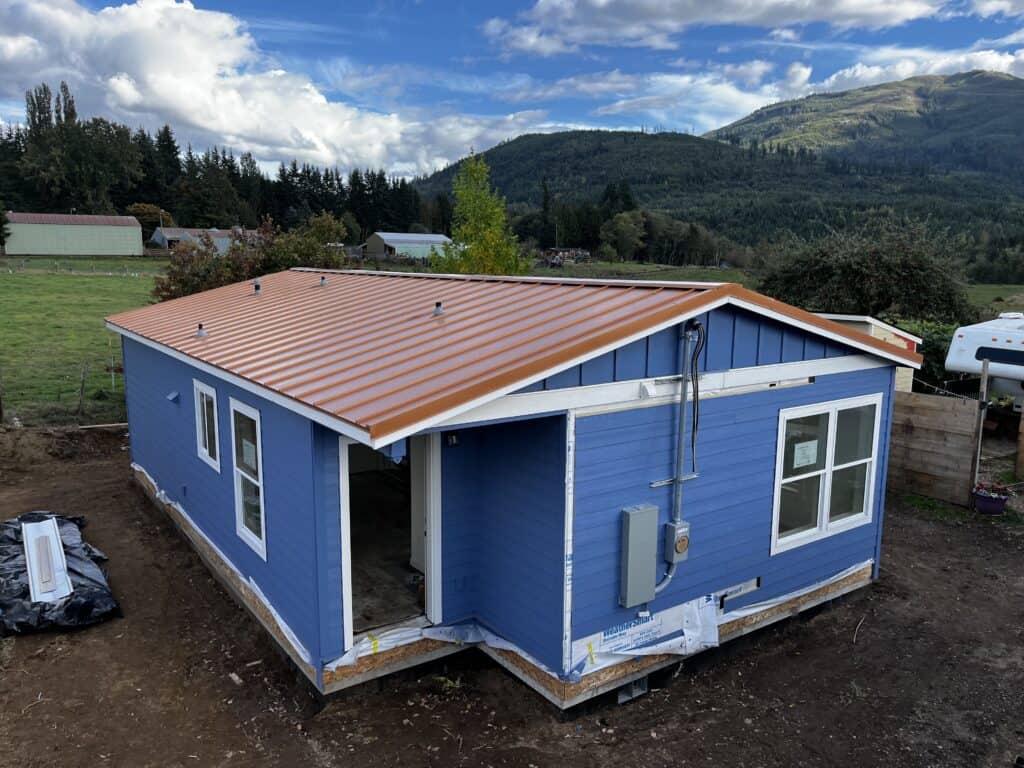
You have the land. You have the reason. Maybe it is rental income. Maybe it is keeping family close. Maybe it is finally turning a “someday” plan into a real second home on your property.
Then you run into the same wall most Spokane County homeowners hit: “Are ADUs even allowed where I live….and what hoops do I have to jump through?”
This guide breaks down ADU rules and regulations in Spokane County, Washington, using Spokane County’s own guidance plus the Washington State requirements that are reshaping what counties can regulate. The goal is simple: help you quickly understand what is possible on your lot, what Spokane County typically looks for, and what to ask before you spend money on plans.
If you want to skip the learning curve, start with Wolf’s free property evaluation. Submit your address and we will help you confirm feasibility, surface the likely constraints early (zoning, site layout, utilities, setbacks, critical areas), and map the cleanest path forward.
First, define the playing field: Spokane County vs. the cities inside Spokane County

When people search “ADU Rules and Regulations Spokane County WA,” they often mean one of two things.
They live in unincorporated Spokane County. Your permits and land use review go through Spokane County’s Building and Planning team.
They live inside a city that sits within Spokane County (City of Spokane, Spokane Valley, Cheney, Liberty Lake, Airway Heights, and others). In that case, city code controls your ADU rules, not the county.
If you are not sure which one applies to you, your parcel and jurisdiction are the first thing to confirm. Everything else depends on that.
What Spokane County calls an ADU
Spokane County’s materials describe accessory dwelling units (ADUs) as a small, secondary dwelling associated with a single-family home. You will usually see two common types.
Attached ADU: built within or attached to the primary home, sharing a common wall.
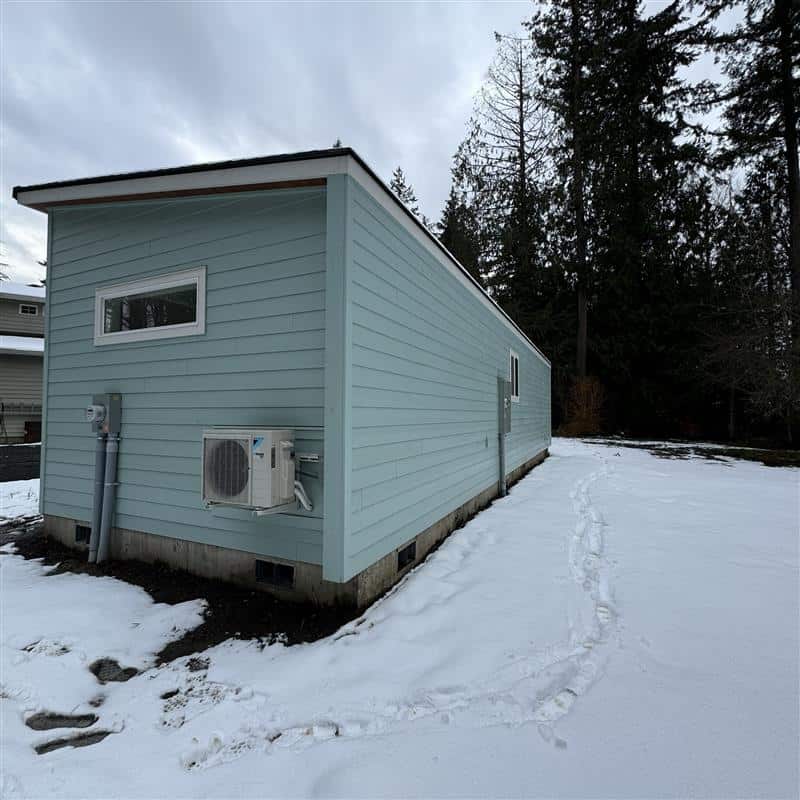
Detached ADU: a separate structure on the same parcel as the primary home.
Both types are still treated like real dwelling units from a life safety and building code standpoint, which means inspections, code compliance, and often coordination with utilities and the Spokane Regional Health District (especially if you are on septic or a private water system).
Spokane County’s typical attached ADU standards
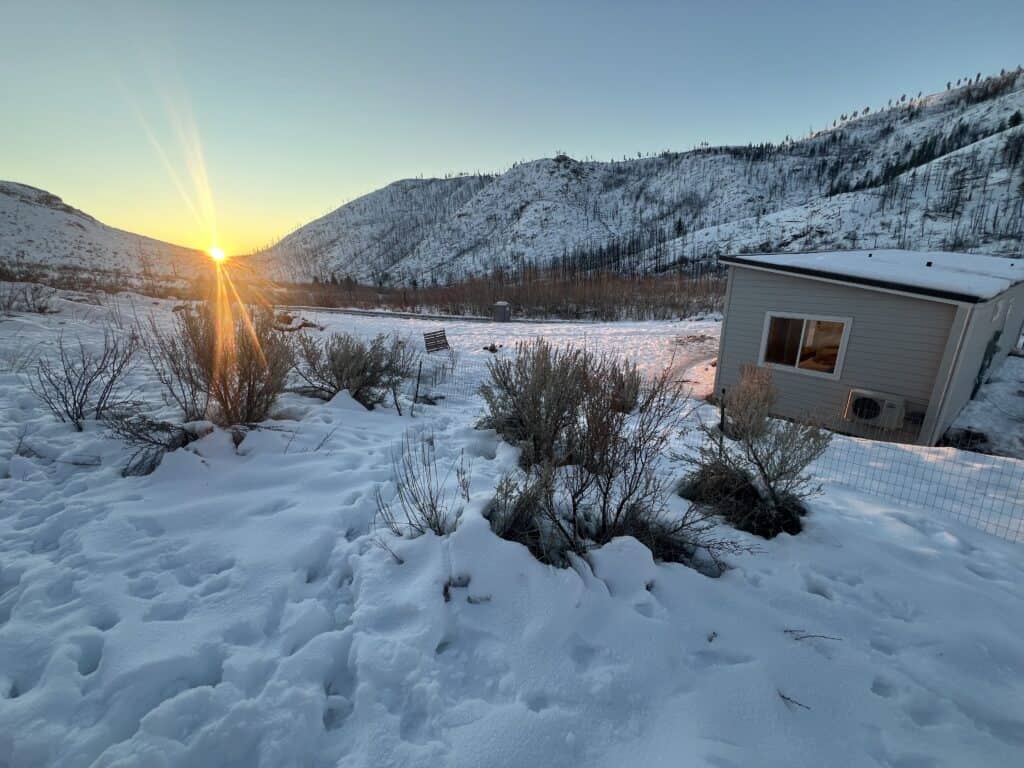
Spokane County’s attached ADU guidance highlights several standards that commonly shape design decisions.
Parking expectations
Spokane County typically calls for one additional off street parking space for the accessory unit, on top of what the primary home requires.
Size and bedroom limits
The attached unit is typically limited to a percentage of the total livable floor area, with an upper square footage cap, and it is typically limited to two bedrooms.
How it must “read” from the street
Spokane County’s guidance emphasizes that the structure should substantially maintain the appearance of a single-family home, and that the separate entrance should be placed on the side or rear, or otherwise be visually unobtrusive from the front.
Where attached ADUs are typically allowed
Spokane County’s brochure lists specific zones where attached ADUs are allowed, and it also notes situations where an attached ADU is not permitted (for example, if the lot already includes certain other dwelling configurations).
Building code and life safety items that affect design
Spokane County’s guidance calls out fire separation between units, emergency egress from sleeping rooms, smoke detectors, and mechanical system considerations such as return air not being shared between units. Translation: an “easy” attached ADU is usually the one that is designed from the start with separations and systems in mind, rather than trying to squeeze it into a floor plan that fights you.
Spokane County’s typical detached ADU standards

Detached ADUs can be straightforward in the right zoning, and much slower in other zoning.
Where detached ADUs may be permitted outright vs. conditional use
Spokane County’s guidance generally treats detached ADUs as a simpler, “allowed with standards” path in certain rural-focused zones. In several Urban Residential zones (including Low Density Residential, Low Density Residential Plus, Medium Density Residential, and High Density Residential), a detached ADU is typically processed through a Conditional Use Permit with a public hearing. That adds time and procedural steps before you ever apply for building permits.
Distance from the primary home
Spokane County’s detached ADU standard includes a clear proximity rule: the detached ADU must be located no more than 150 feet from the primary residence.
Size, bedroom, and lot size thresholds
Spokane County’s detached ADU standard limits the unit to no more than two bedrooms. It also limits size to no more than 800 square feet on the main (ground) floor. Additionally, detached ADUs are not allowed on lots that are less than 10,000 square feet in size.
Roof form and height
Spokane County’s detached ADU standard requires a pitched roof with a minimum slope of 4:12, and the ridge height cannot exceed 24 feet.
Parking expectations
Spokane County’s detached ADU standard typically requires one off-street parking space for the accessory dwelling unit, in addition to the off-street parking required for the main residence.
The Washington State rules that matter in Spokane County
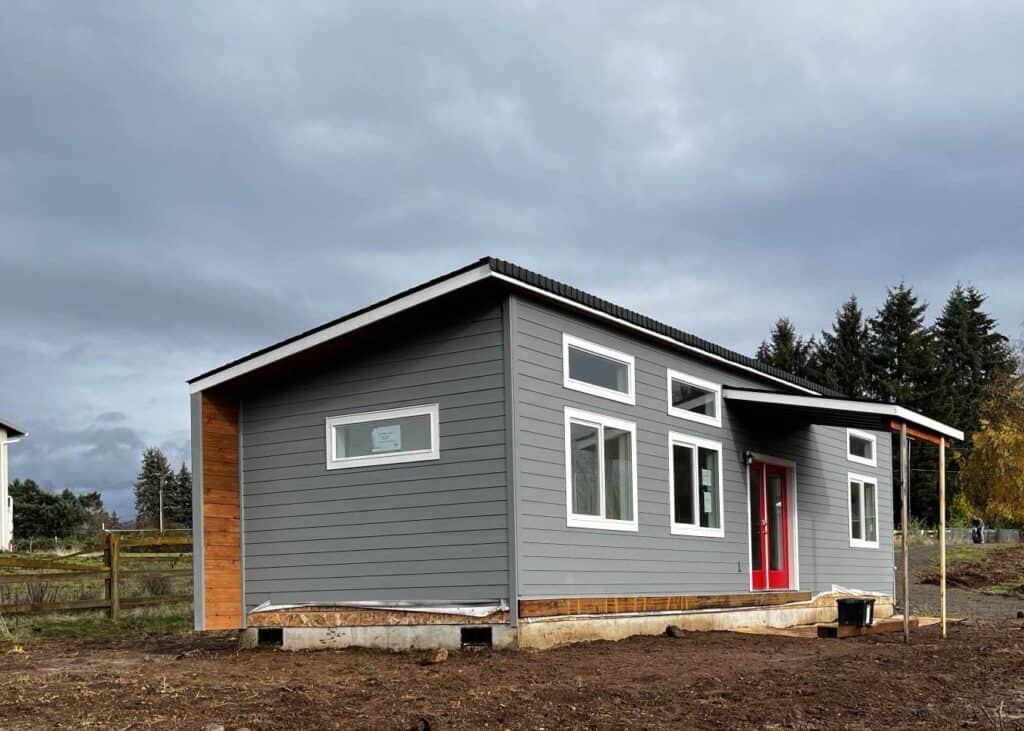
Here is the part many homeowners miss.
Washington State has adopted rules that limit how restrictive local ADU regulations can be, especially within Urban Growth Areas. These state rules are a big deal because they can require cities and counties to allow more ADU options, and they restrict certain local limitations around size, height, owner occupancy, design standards, and parking near transit.
In plain English, the state is pushing jurisdictions to say “yes” to ADUs more often, and to remove common barriers that made ADUs impractical.
Key state level concepts you should understand before you talk to a permit counter.
Two ADUs in many UGA situations
State law requires fully planning cities and counties to allow at least two ADUs on lots in Urban Growth Areas where single family homes are allowed, with flexibility in whether they are attached, detached, or a combination.
No owner occupancy requirement in many cases
State law limits the ability of jurisdictions to require the property owner to live on site as a condition of permitting ADUs.
Minimum size and height limits on local caps
State law restricts jurisdictions from setting ADU maximum gross floor area caps below a state minimum, and it limits how low a jurisdiction can set roof height limits.
Parking restrictions near transit
State law limits when a jurisdiction can require off street parking, particularly within walking distance of major transit stops.
Limits on “extra” hoops
State law also restricts certain types of design review and aesthetic standards that treat ADUs more harshly than primary dwellings. It also limits street improvement requirements being imposed as a condition of permitting ADUs.
So what controls your project today?
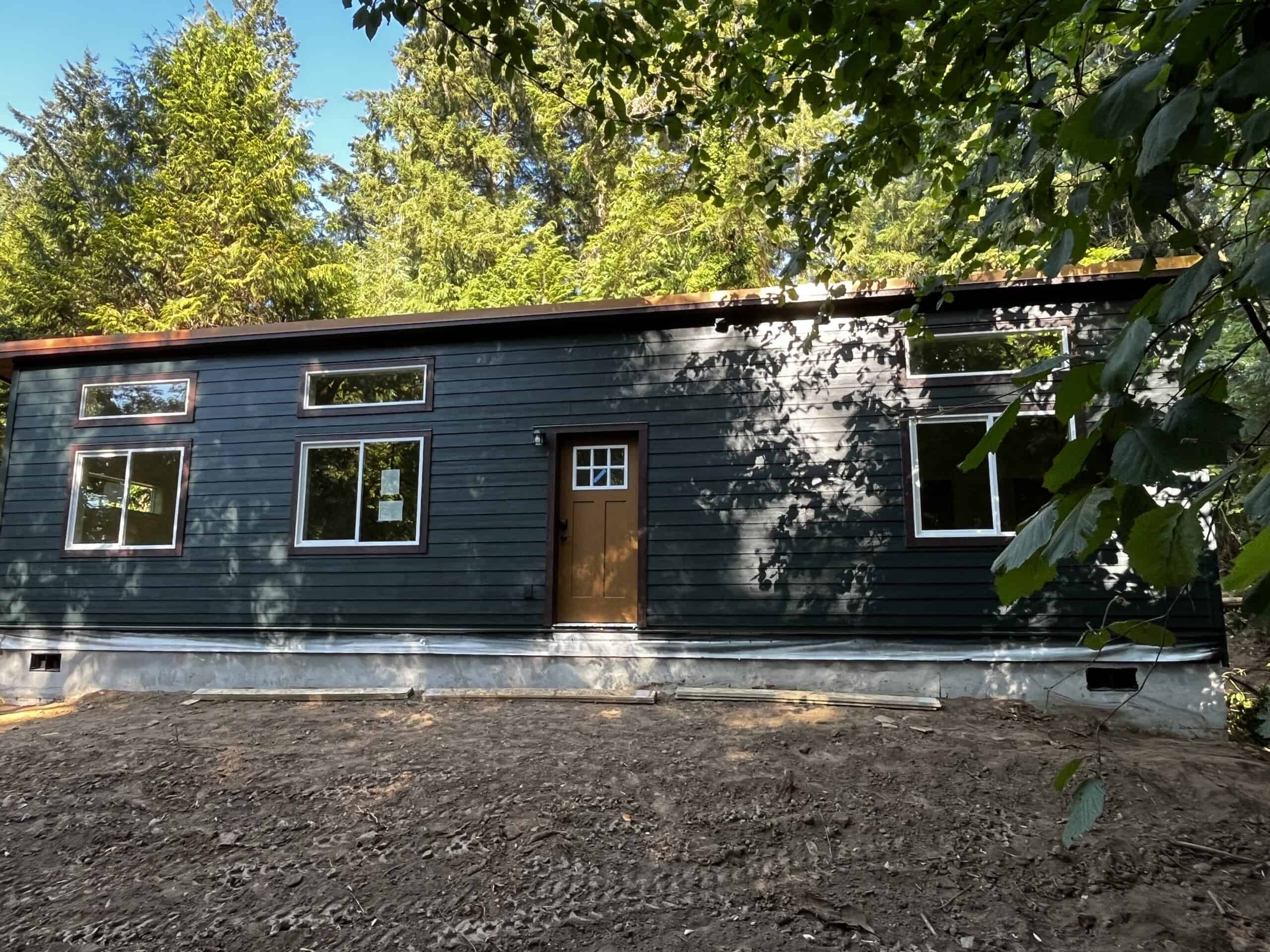
This is where you want to be careful and practical.
Spokane County’s brochures provide a clear starting point for how the County has historically regulated attached and detached ADUs in unincorporated areas. At the same time, Washington State law sets a framework that counties must meet, and it can preempt local regulations that conflict once periodic update deadlines pass.
That means the right approach is not to argue about what “should” be allowed. It is to confirm what applies to your exact parcel, today, based on three items.
Your jurisdiction
Unincorporated Spokane County or a city.
Your zoning and whether you are inside an Urban Growth Area
This impacts whether state requirements around allowing two ADUs apply, and how local code must align.
Your site constraints
Septic, water, access, setbacks, critical areas, and fire access can still make or break feasibility even when zoning allows the use.
The fastest path to clarity in Spokane County
If your goal is to get a confident answer without spinning your wheels, here is the practical sequence.
Confirm jurisdiction and zoning
Start with your parcel information and zoning designation. Spokane County’s permit staff can confirm whether your zoning allows attached ADUs, detached ADUs, and what type of review is required.
Confirm whether your detached ADU needs a Conditional Use Permit
If your zone pushes you into a public hearing process, you want to know that on day one because it changes your timeline and your risk profile.
Identify the limiting constraint early
For many Spokane County properties, the limiting factor is not the idea of an ADU. It is the real world stuff: septic capacity, water adequacy, driveway and access, slope, critical areas, or where you can physically place the unit on the lot.
Decide attached vs. detached based on the constraint, not the dream
If your placement options are tight, attached can be easier. If your primary home layout fights separation requirements, detached can be easier. The “best” answer is usually the one that reduces permitting friction and construction complexity at the same time.
Common Spokane County ADU mistakes that cost real money
Planning a beautiful ADU that is not allowed in your zone
This is the easiest way to burn design dollars. Zoning first, then design.
Assuming county rules are the same as the City of Spokane rules
They are not. City code and county guidance differ.
Underestimating the impact of building code separation and mechanical requirements for attached ADUs
Shared ducting, fire separation, and egress are not afterthoughts. They are core design drivers.
Ignoring septic and health district requirements until late
If you are not on sewer, treat septic capacity and health approvals like a first phase task, not a later phase task.
Assuming “ADU allowed” means “ADU easy”
Even when ADUs are allowed, site development items can create time, cost, and surprises.
Spokane County ADU FAQ
Can I build an ADU anywhere in Spokane County?
Not automatically. It depends on whether you are in unincorporated Spokane County or inside a city, what your zoning allows, and whether the project triggers a conditional use process.
Do I need a Conditional Use Permit for a detached ADU?
In some Spokane County zones, detached ADUs may require a Conditional Use Permit and a public hearing. In other zones, they may be permitted with specific development standards.
How big can my ADU be?
Spokane County’s older guidance includes size limits that differ between attached and detached ADUs. Washington State law also limits how restrictive local size caps can be, particularly in Urban Growth Areas. Your zoning and jurisdiction determine what applies today.
Do I need extra parking?
Spokane County’s guidance commonly requires an additional off street parking space for the ADU, but Washington State law can limit parking requirements near major transit. Your location and transit proximity matter.
Who do I call first?
Start with your local permitting authority: Spokane County Building and Planning for unincorporated parcels, or your city’s planning department if you are inside city limits.
If you want an expert set of eyes on your property and guidance for your project from feasibility to finish start with a free property evaluation from Wolf and let our experience and attention to detail, make your ADU experience 5-star.
Sources
Spokane County Building and Planning, “BP-76 Accessory Dwelling Units – Attached (PDF).” https://www.spokanecounty.gov/DocumentCenter/View/683/BP-76-Accessory-Dwelling-Units—Attached-PDF
Spokane County Building and Planning, “BP-75 Accessory Dwelling Units – Detached (PDF).” https://www.spokanecounty.gov/DocumentCenter/View/682/BP-75-Accessory-Dwelling-Units—Detached-PDF
Spokane County Building and Planning, “Detached Accessory Dwelling Unit Application (Revised 4/15/22) (PDF).” https://www.spokanecounty.gov/DocumentCenter/View/44335/Detached-ADU-Application-NEW-Fillable?bidId=
MRSC, “Accessory Dwelling Units (ADUs) in Washington.” https://mrsc.org/explore-topics/housing-homelessness/housing/accessory-dwelling-units
Washington State Legislature, “RCW 36.70A.681: Accessory dwelling units, limitations on local regulation.” https://app.leg.wa.gov/RCW/default.aspx?cite=36.70A.681
Washington State Department of Commerce, “Accessory Dwelling Units (ADUs) guidance and overview.” https://www.commerce.wa.gov/growth-management/housing-planning/adus/
Spokane County, “2026 Spokane County Comprehensive Plan Public Participation Program (April/March 2024) (PDF).” https://www.spokanecounty.gov/DocumentCenter/View/54341/Draft-V2-April-11th-SpoCo-Comp-PPPdocx?bidId=