
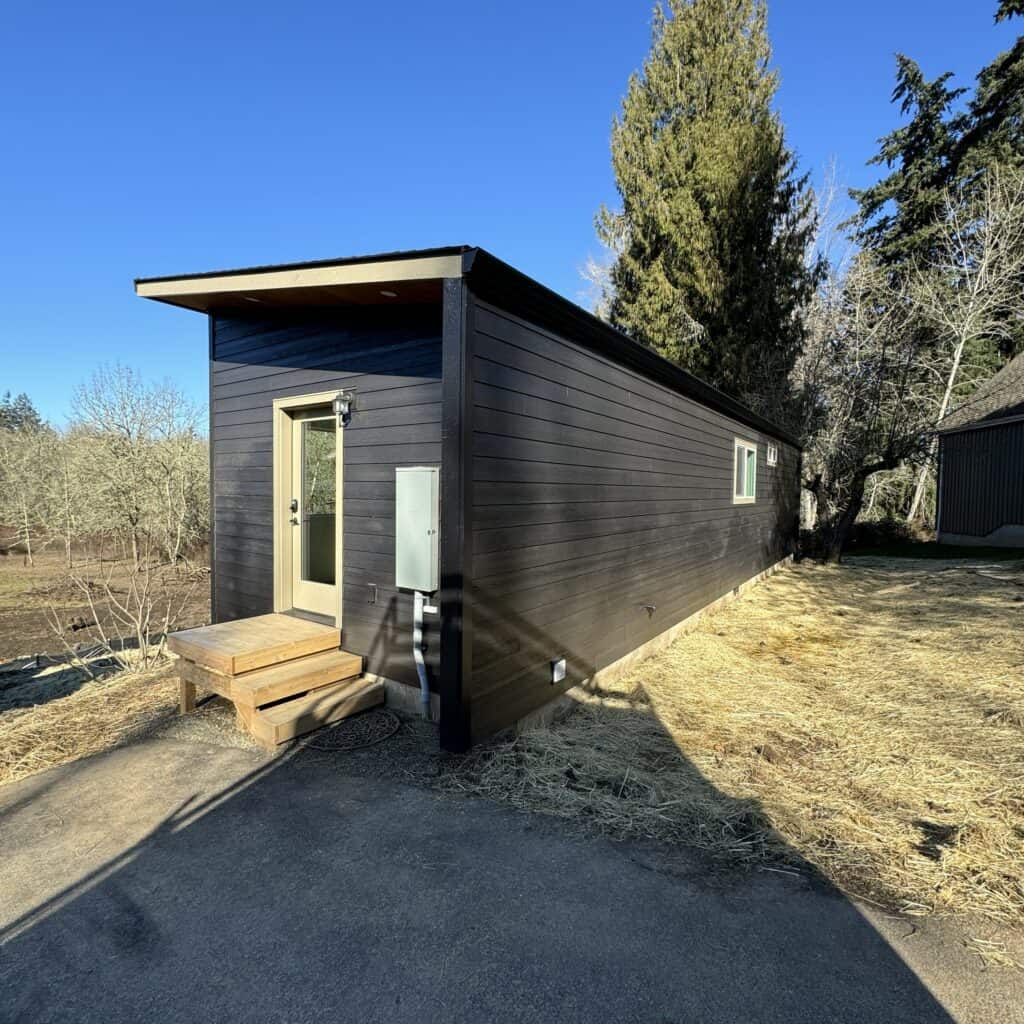
Building an Accessory Dwelling Unit on your property can be one of the smartest ways to add space, create long term rental income, support aging family members, or increase the value of your home. Washington County OR is one of the more ADU friendly jurisdictions in Oregon, but the rules can still be complex, especially for homeowners who are navigating zoning and permitting for the first time. This guide breaks down the most important Washington County OR ADU rules and regulations so you can understand what is possible on your property before you begin planning.
What Counts as an ADU in Washington County OR?
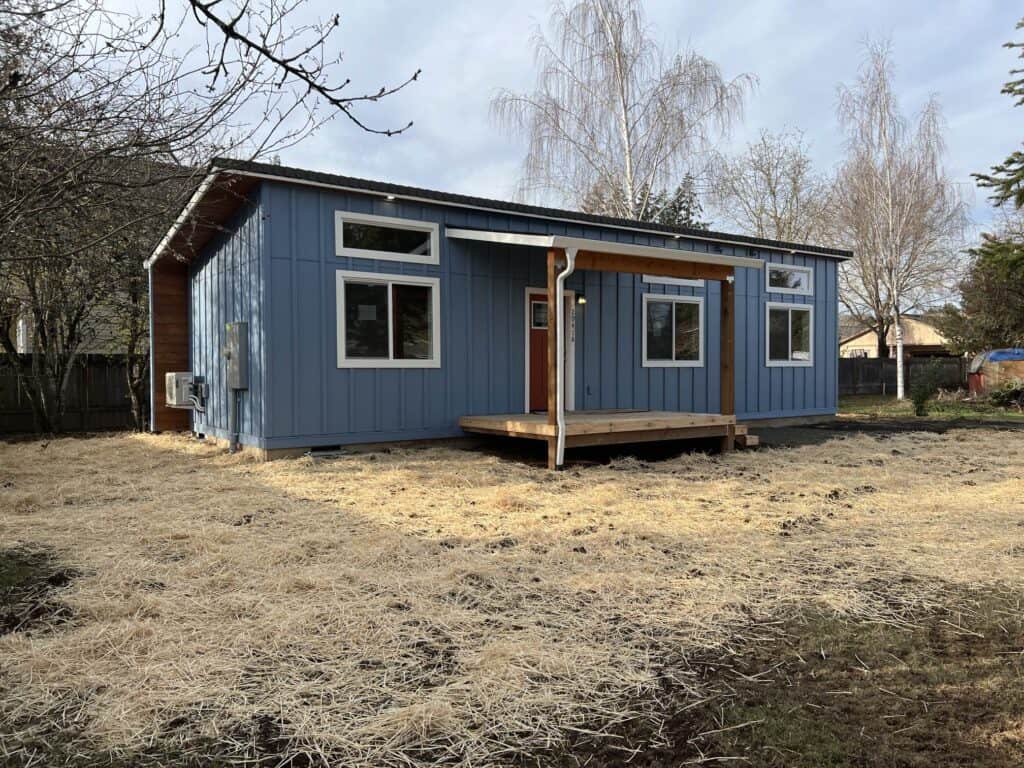
Washington County defines an ADU as a smaller, independent dwelling that is accessory to a primary home on the same lot. ADUs can be:
- A separate detached building
- An attached addition
- An internal conversion such as a basement or existing garage
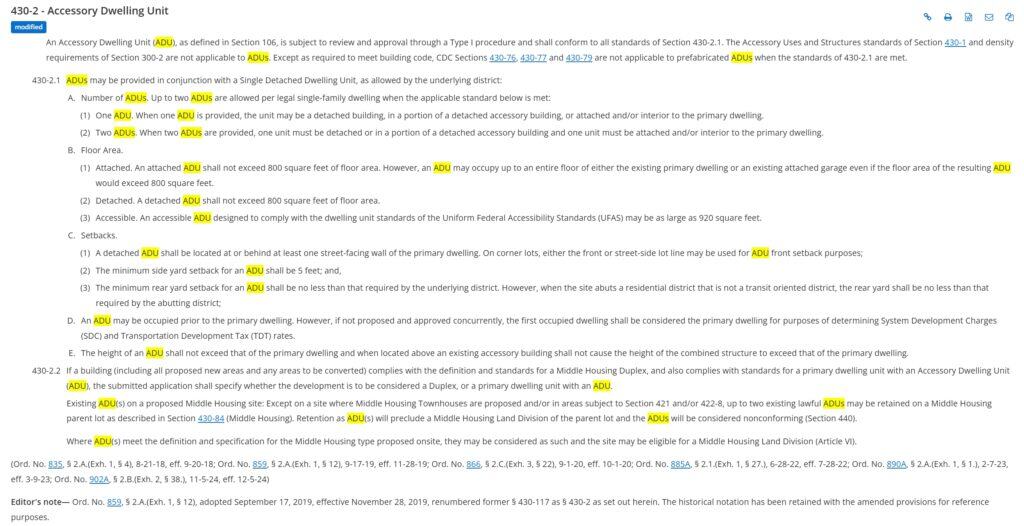
To qualify as an ADU, the structure must remain clearly subordinate to the primary dwelling in both size and location. Washington County’s official requirements come from the Community Development Code under Section 430 2: Accessory Dwelling Units.
Washington County OR ADU Rules and Regulations
Below is a detailed breakdown of the most relevant standards homeowners need to understand before beginning an ADU project in Washington County.
ADU Size Limits
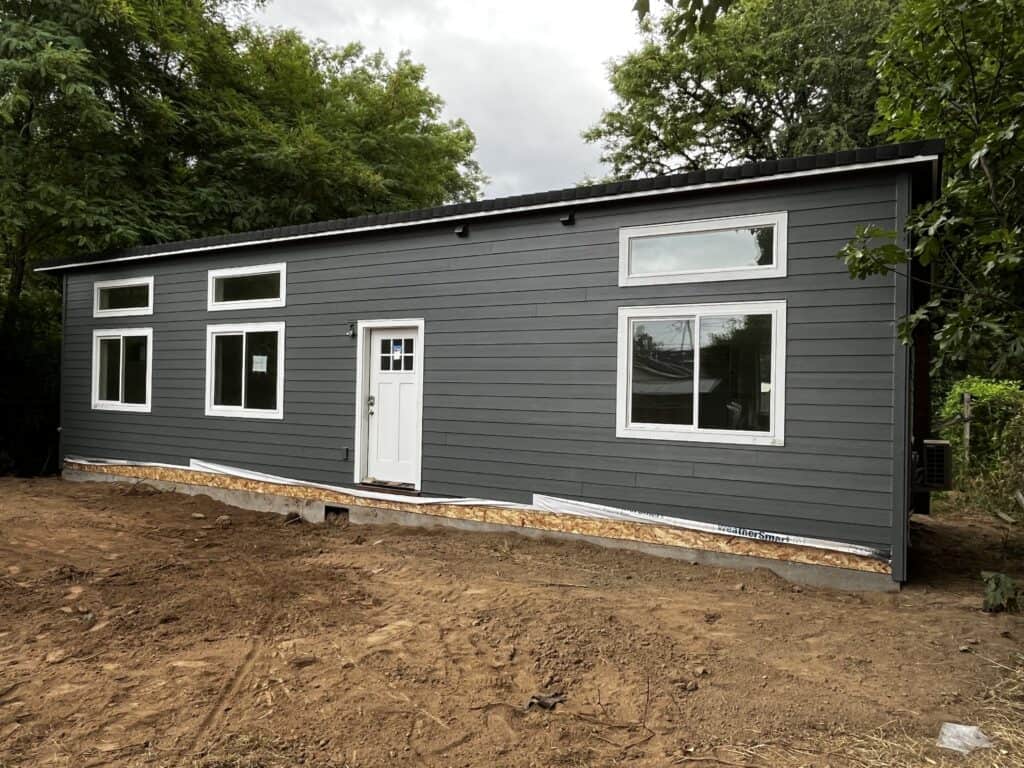
Washington County caps ADU size based on the size of the primary home. Generally:
- The maximum size of an ADU is 900 square feet or 75 percent of the primary dwelling’s floor area, whichever is smaller
- Minimum size must meet Oregon Residential Specialty Code requirements
- The county does not count certain architectural elements such as decks or exterior stairways toward ADU square footage
For most standard lots, this means a typical detached ADU will fall in the range of 600 to 900 square feet.
Height Restrictions
Height limits vary depending on your zoning district, but Washington County uses a few consistent rules:
- ADUs must comply with the height limits of the base zoning district
- A detached ADU often cannot exceed the height of the main home
- Roof pitch and form may need to align with existing structures in certain neighborhoods
If you live on a flag lot or uniquely shaped parcel, additional height considerations may apply.
Setback Requirements
Setbacks determine how close a building can be to your property lines. For detached ADUs:
- Standard side and rear yard setbacks apply based on the zoning district
- ADUs cannot encroach into easements, utility corridors, or environmental buffer areas
- If the ADU includes covered porches or decks, those projections must also comply with setback rules
For homeowners with smaller lots, a site plan from a professional can help determine precise buildable areas.
Placement Standards

Washington County also regulates where the ADU can sit relative to the main home. Under Section 430 2:
- The ADU must be on the same tax lot as the primary dwelling
- Detached ADUs must usually be located behind or to the side of the main house
- Street facing ADUs are limited unless the ADU is attached or part of a conversion
- The ADU must have a pedestrian path that connects to the street or driveway
Placement rules help maintain the visual character of the neighborhood and preserve privacy for adjacent homes.
Parking Requirements
Washington County has adopted Oregon’s reduced ADU parking standards:
- Most ADUs do not require a new parking space
- A parking space may only be required if the ADU is not within one quarter mile of transit service
- If an ADU replaces an existing garage, Washington County may require the homeowner to maintain or relocate required parking
This flexibility allows more homeowners to qualify for ADUs without needing extensive sitework.
Occupancy and Rental Rules

One of the most important benefits for homeowners:
- Washington County does not require the owner to live on the property
- ADUs can be used for long term rentals
- Short term rentals follow separate rules and may need additional review
This makes ADUs a strong option for homeowners seeking rental income.
Architectural and Design Requirements
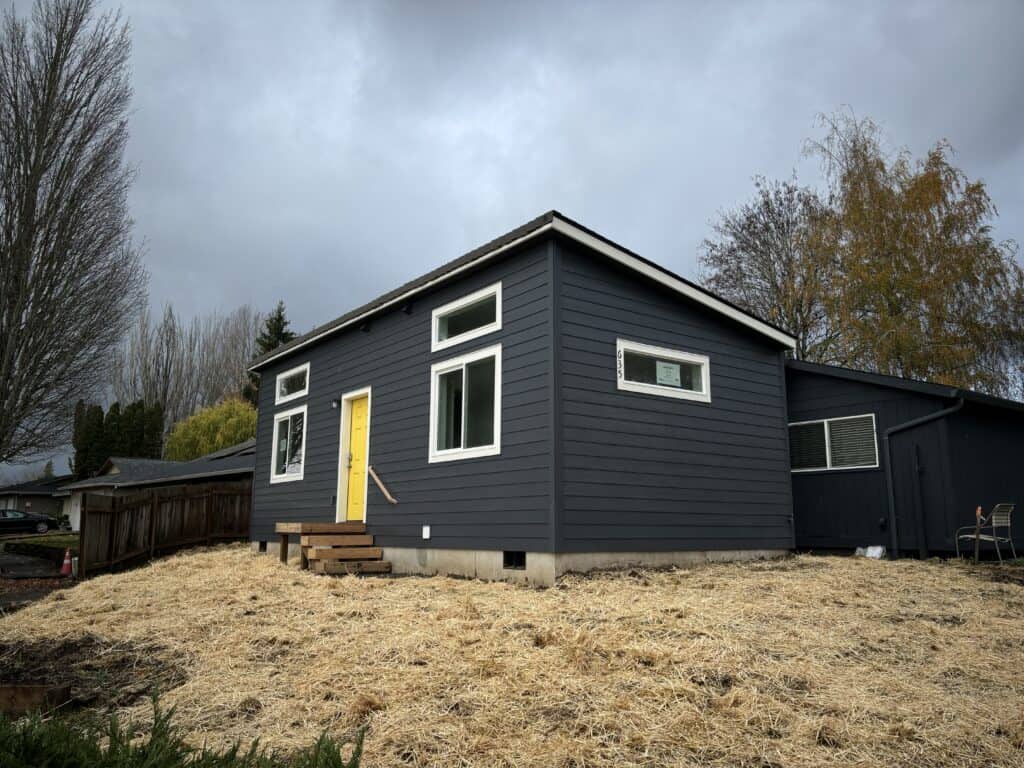
Depending on your zoning district or overlay, Washington County may require:
- Consistent or complementary exterior building materials
- Window and door placements that respect adjacent neighbors
- Screening or fencing when an ADU is close to property lines
- Roof forms that visually match or complement the primary home
These rules ensure that new ADUs fit naturally into existing neighborhoods.
Utilities and Infrastructure
Utility planning is a major part of the ADU process. Expect the following:
- Water, sewer, and electrical connections may be separate or shared depending on design
- Impact fees may apply depending on service districts such as Tualatin Valley Water District or Clean Water Services
- On site stormwater management may be required based on lot layout and impermeable surface increases
If your property has slopes, wetlands, or is located near a floodplain, additional engineering may be needed.
Special Situations for ADUs in Washington County
ADUs on Rural or Unincorporated Land
Rural zones have their own limitations:
- Some agricultural or forest zones may restrict additional dwellings
- Minimum lot sizes may prevent ADUs entirely in certain rural districts
- Compatibility standards may be stricter near natural resource areas
Homeowners in unincorporated Washington County should confirm zoning early.
ADU Conversions: Basements, Garages, and Carports
Conversions follow different rules:
- Many conversions can retain the existing building footprint
- Structural upgrades may be needed to meet current code
- ADUs created through conversion often have relaxed parking requirements
Basement ADUs must also meet fire separation and emergency egress standards.
ADUs in HOA Neighborhoods
Even if Washington County allows an ADU, a homeowners association may restrict or prohibit them. Always review:
- CC&Rs
- Architectural review requirements
- Neighborhood design guidelines
County approval does not override HOA rules.
The Washington County ADU Permitting Process
Building an ADU requires coordination between design, engineering, and county review. A typical Washington County permitting process includes:
Feasibility and Site Review
- Zoning confirmation
- Lot size and setbacks
- Utility access
- Slope, drainage, and environmental overlays
- Identification of any development constraints
Submitting for Permits
Homeowners typically need:
- A full site plan
- Architectural drawings
- Structural engineering (for modular or site built ADUs)
- Utility plans
- Stormwater documentation
Construction and Inspections
Washington County performs inspections for:
- Foundation
- Framing
- Electrical
- Plumbing
- Final occupancy
Modular ADUs undergo factory inspections off site, followed by local installation inspections.
Common Mistakes Homeowners Make with Washington County ADUs
Avoidable issues include:
- Misreading size limitations
- Overlooking height or setback constraints
- Assuming impervious area limits will not apply
- Forgetting to check HOA restrictions
- Not verifying transit access before assuming parking is unnecessary
Why Work with a Full Service ADU Builder

A turn-key modular ADU builder like Wolf Industries can help you navigate:
- Feasibility and property assessment
- Site planning and ADU placement
- Permit preparation and submission
- Building the ADU off site in a controlled environment
- Delivery, installation, and utility connection
- Final inspections and approvals
With Washington County’s detailed ADU requirements, having a partner who manages the entire process can save you months of time and prevent costly mistakes.
Conclusion: Start Your Washington County ADU Project with Confidence
Washington County is one of Oregon’s most supportive jurisdictions for ADUs, but every property is unique and governed by specific zoning and development rules. Understanding size limits, setbacks, height restrictions, placement, and design standards is the first step toward building a successful ADU.
If you would like help reviewing your property, planning your project, or understanding what is possible on your lot, the next step is our free property evaluation tailored to Washington County’s requirements.
Sources
Washington County OR:
430 – SPECIAL USE STANDARDS | Community Development Code | Washington County, OR | Municode Library