
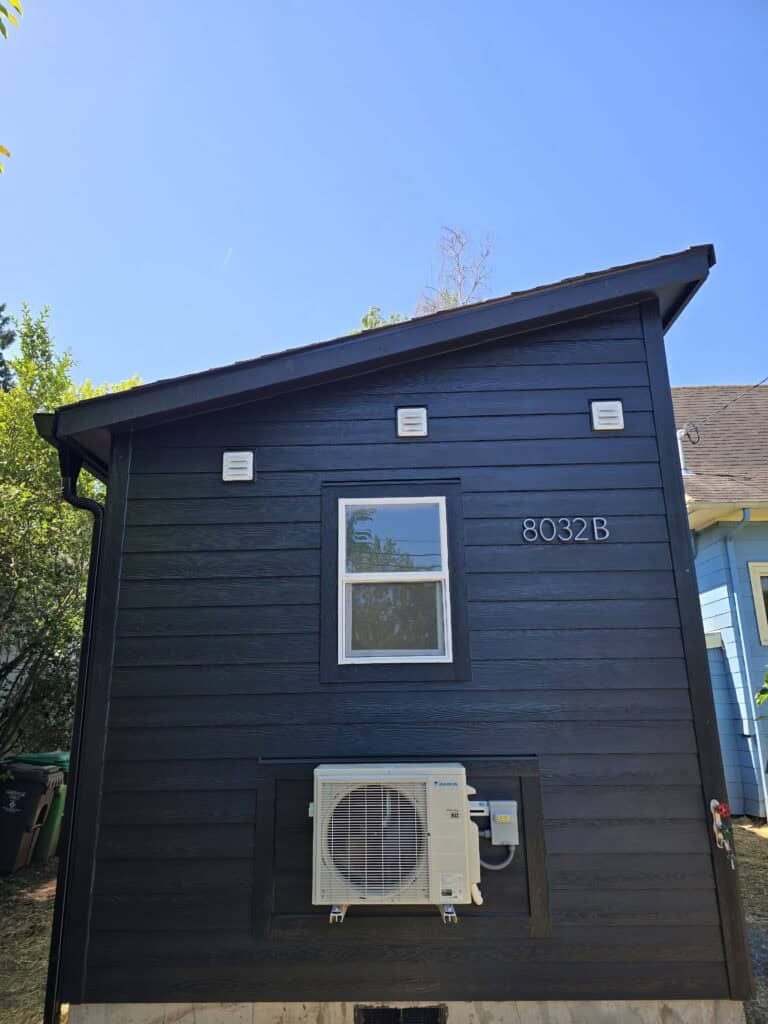
A tiny home can sound simple at first. Less square footage. Less maintenance. Less wasted space. A more efficient way to live, host family, create rental potential, or add usable living space to a property you already own. But if you are searching for a tiny home builder, the real question is not just, “How small can I build?” The better question is, “What can actually be permitted, built, delivered, and lived in comfortably on my property?”
That is where the right builder matters.
Wolf Industries has built over 600 tiny homes, ADUs, and modular homes throughout the Pacific Northwest, giving homeowners a clearer path through one of the most confusing parts of small home construction: figuring out what is actually possible before spending serious money on design, engineering, permitting, or site work.
If you are considering a tiny home, Wolf’s free property evaluation is one of the best first steps you can take. It helps you understand your property, your goals, and your likely options before you get too far down a path that may or may not work.
What Is a Tiny Home?
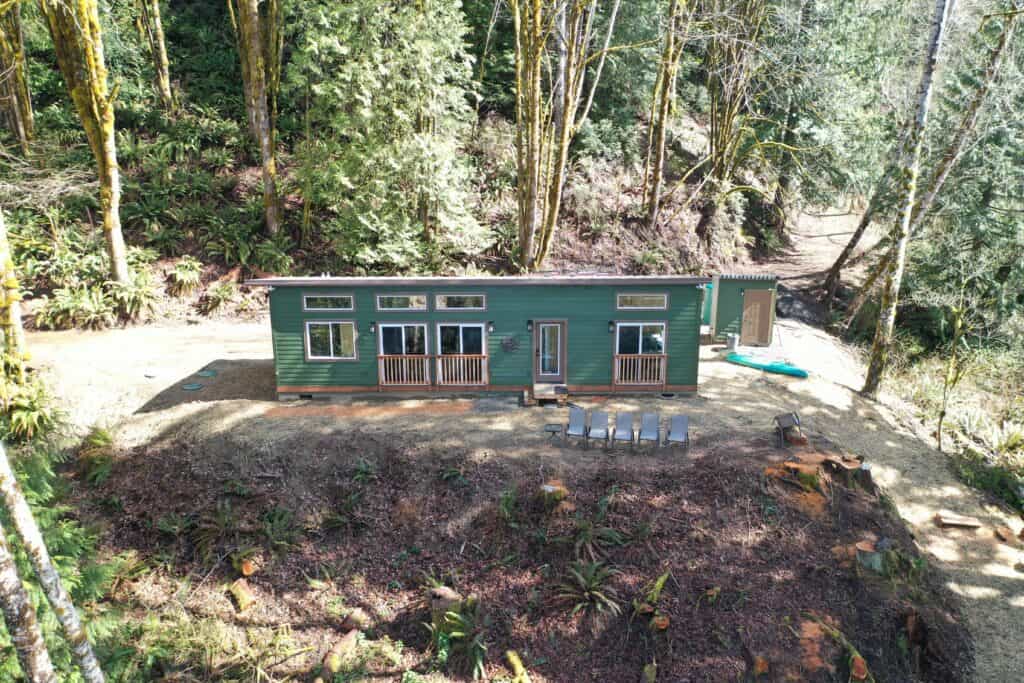
A tiny home is generally understood as a small, efficient dwelling designed to include the essentials of daily living in a compact footprint. That usually means space for sleeping, cooking, bathing, relaxing, and storage, all carefully planned so the home feels useful instead of cramped.
In recent years, the formal building-code definition has become more specific. Under the International Residential Code’s Appendix Q, tiny houses are generally defined as dwellings that are 400 square feet or less, excluding lofts.
That definition matters because it affects how homes are discussed, designed, and permitted. Many people still use the phrase “tiny home” more broadly to describe compact homes that are slightly larger than 400 square feet. But from a code-definition standpoint, 400 square feet or less is now the key threshold.
Wolf’s Tiny Home Models
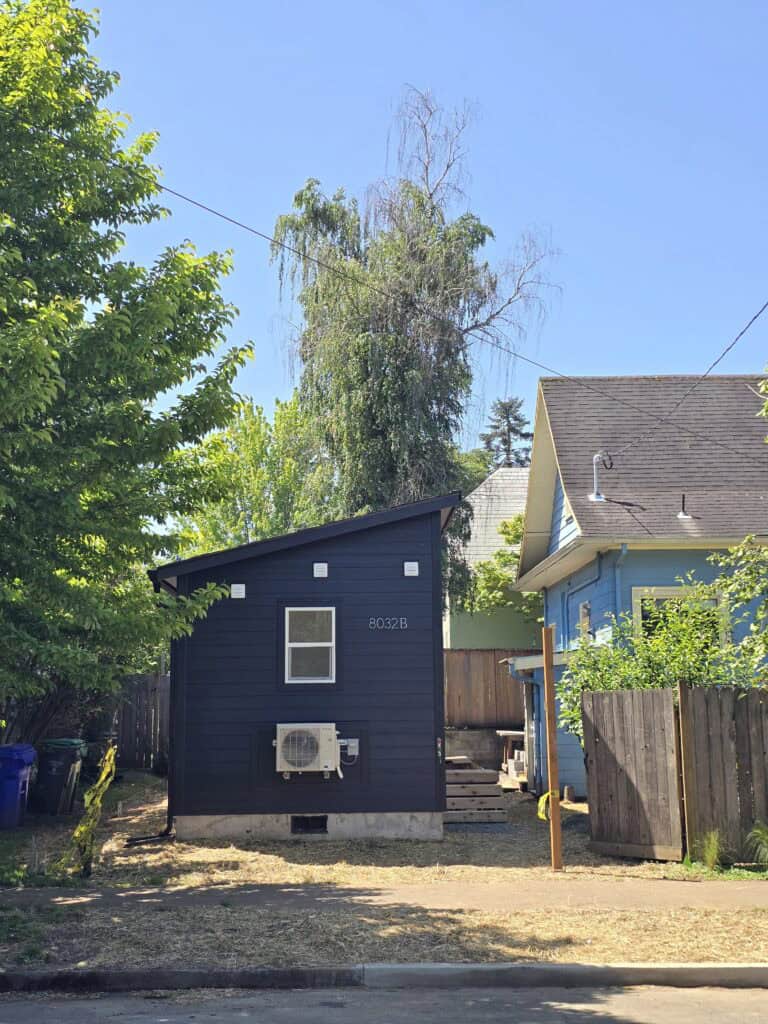
By the newer 400-square-foot-or-less definition, Wolf currently builds one true tiny home model: the Model B, which is 300 square feet.
The Model B is Wolf’s smallest home and is designed for people who want the most compact living footprint possible while still having the comfort and function of a real home. It is important to note that the Model B is currently only permittable in the City of Portland.
Wolf also offers three additional models that many people would still generally think of as tiny homes, even though they are larger than the newer 400-square-foot definition.
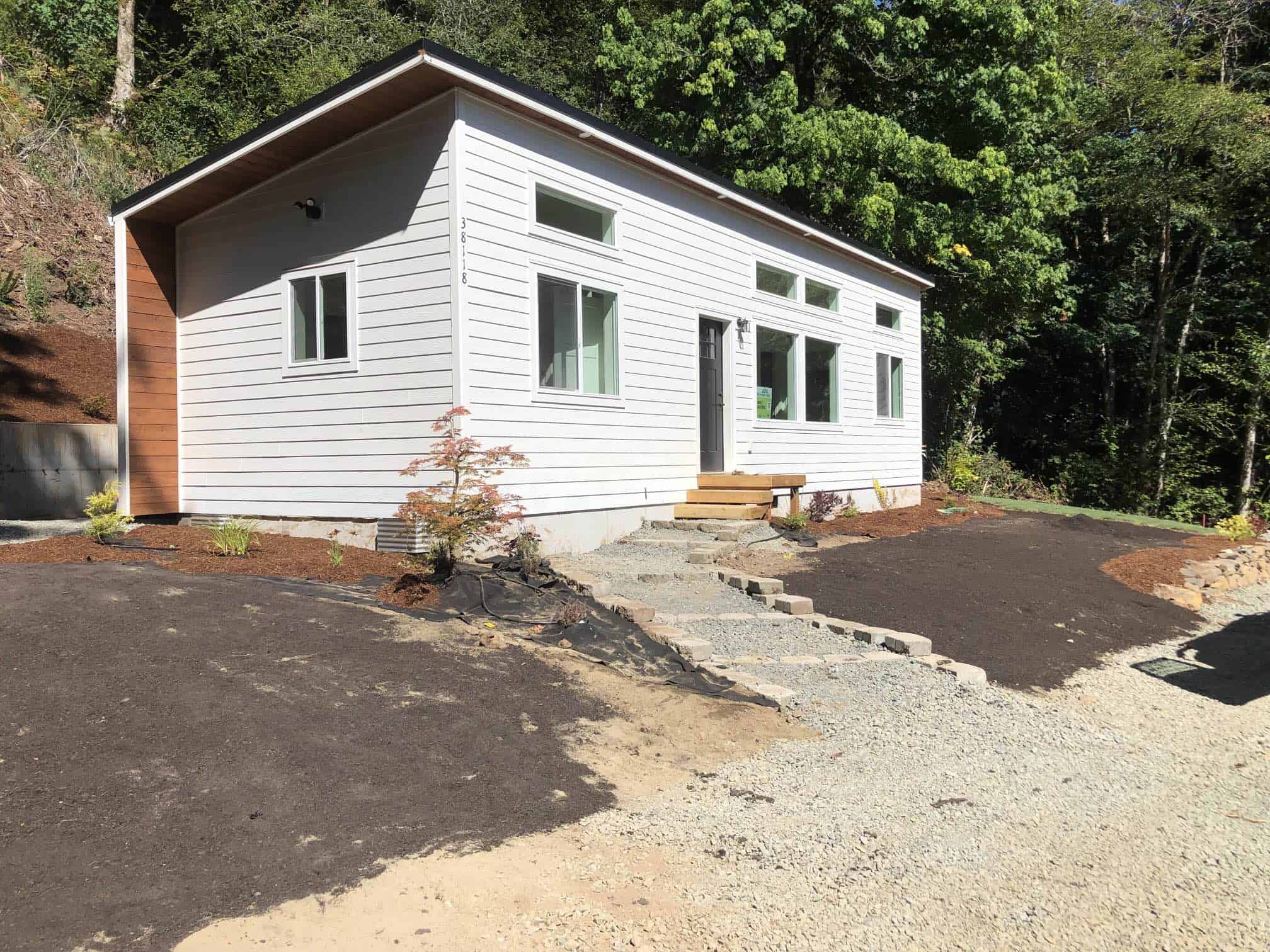
The Model K is 432 square feet, making it only slightly above the formal tiny home threshold. For many homeowners, it still feels like a tiny home because of its efficient footprint and simple layout.
The Model E and Model F are both 616 square feet, which puts them outside the strict tiny home definition but still firmly in the world of compact, efficient, small-space living. These models can be excellent options for people who like the idea of a tiny home but want more day-to-day livability, a more flexible layout, or a better fit for long-term use.
Why Many People Search for a Tiny Home Builder
The appeal of tiny homes is not hard to understand. Housing is expensive. Land is valuable. Families are changing. More homeowners are looking at their existing property and wondering whether they could use it better.
A tiny home can potentially serve many different purposes.
It can become a private living space for a parent. It can create a backyard home for an adult child. It can function as a guest house, rental, home office, downsizing option, or flexible space that changes as your life changes. For some people, it is about affordability. For others, it is about simplicity. For many, it is about making better use of property they already own.
But the dream of a tiny home can run into reality quickly.
Can your property support another dwelling? What does your city or county allow? Is there room for setbacks, utilities, access, delivery, and installation? Will the home need to be an ADU? Can it be used as a primary residence, guest home, or rental? What model actually fits your lot?
These are not questions you want to answer by guessing.
That is why Wolf offers a free property evaluation. Instead of starting with assumptions, you can start with a clearer understanding of what may be possible on your specific property.
Why Modular Tiny Homes Make Sense
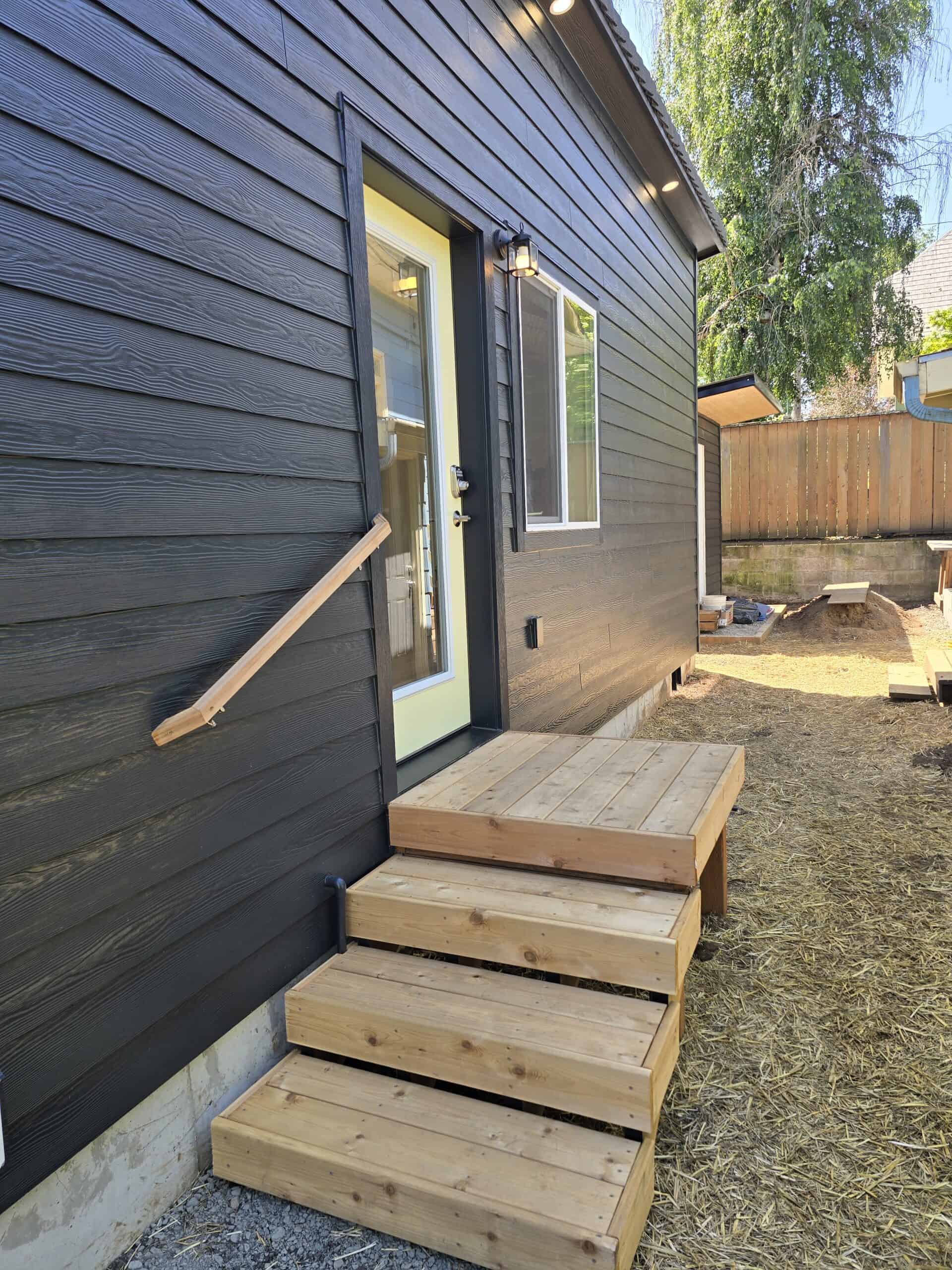
A modular tiny home offers a major advantage over many traditional site-built options: much of the home is built in a controlled production environment before being delivered to the property.
That matters because small homes still require serious construction. Even when the footprint is compact, the home still needs framing, roofing, siding, insulation, plumbing, electrical, cabinets, fixtures, finishes, inspections, and code compliance. A tiny home is not a shortcut around building requirements. It is a smarter use of space.
With Wolf’s modular process, the home is built with a focus on quality, efficiency, and repeatable construction standards. This can help reduce some of the uncertainty that often comes with traditional building. It also allows much of the construction to happen before the home ever reaches your property.
For homeowners, that can mean a more streamlined experience and a clearer process from early feasibility through delivery and setup.
The Biggest Mistake People Make When Planning a Tiny Home
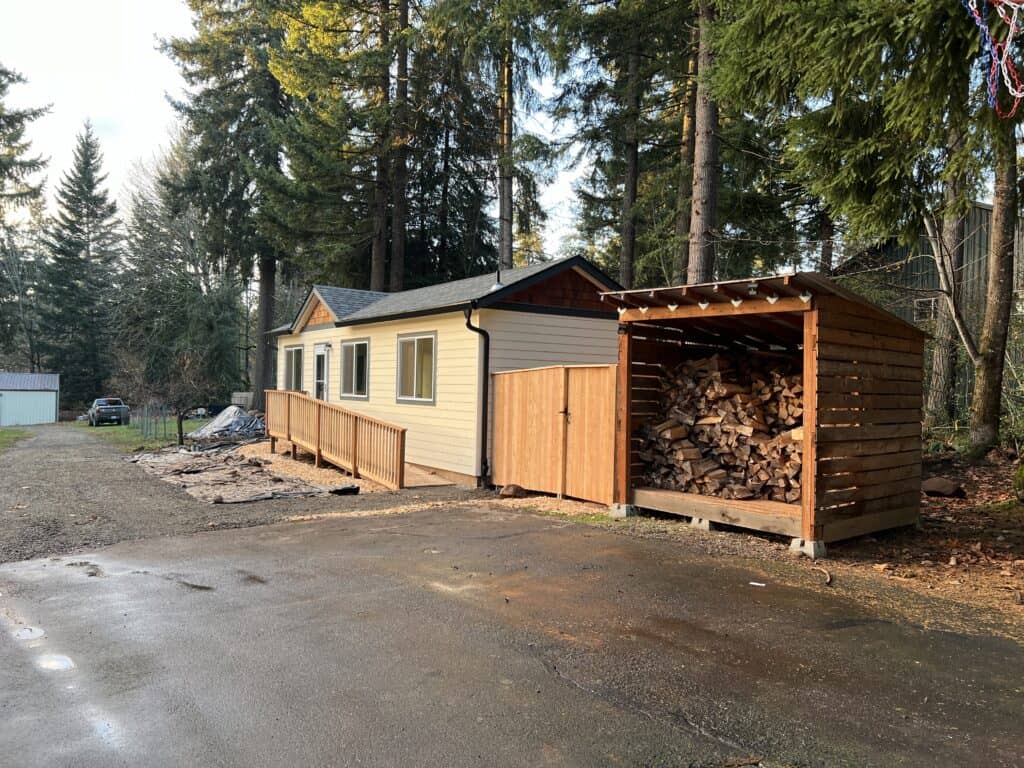
The biggest mistake is starting with the model before understanding the property.
It is easy to fall in love with a floor plan. It is much harder to find out later that your property cannot support the home you wanted, your jurisdiction has different rules than expected, or your preferred model is not permittable where you live.
That is especially important with tiny homes because the word “tiny” can be misleading. A smaller home does not automatically mean an easier permit. It does not automatically mean lower site costs. It does not automatically mean every city or county will treat it the same way.
For example, Wolf’s 300-square-foot Model B fits the newer definition of a tiny home, but it is currently only permittable in the City of Portland. A homeowner outside Portland may need to consider another Wolf model, such as the Model K, Model E, or Model F, depending on their property, jurisdiction, and goals.
This is exactly why Wolf’s free property evaluation is such a valuable starting point. It helps separate what sounds good from what is actually possible.
What to Look for in a Tiny Home Builder
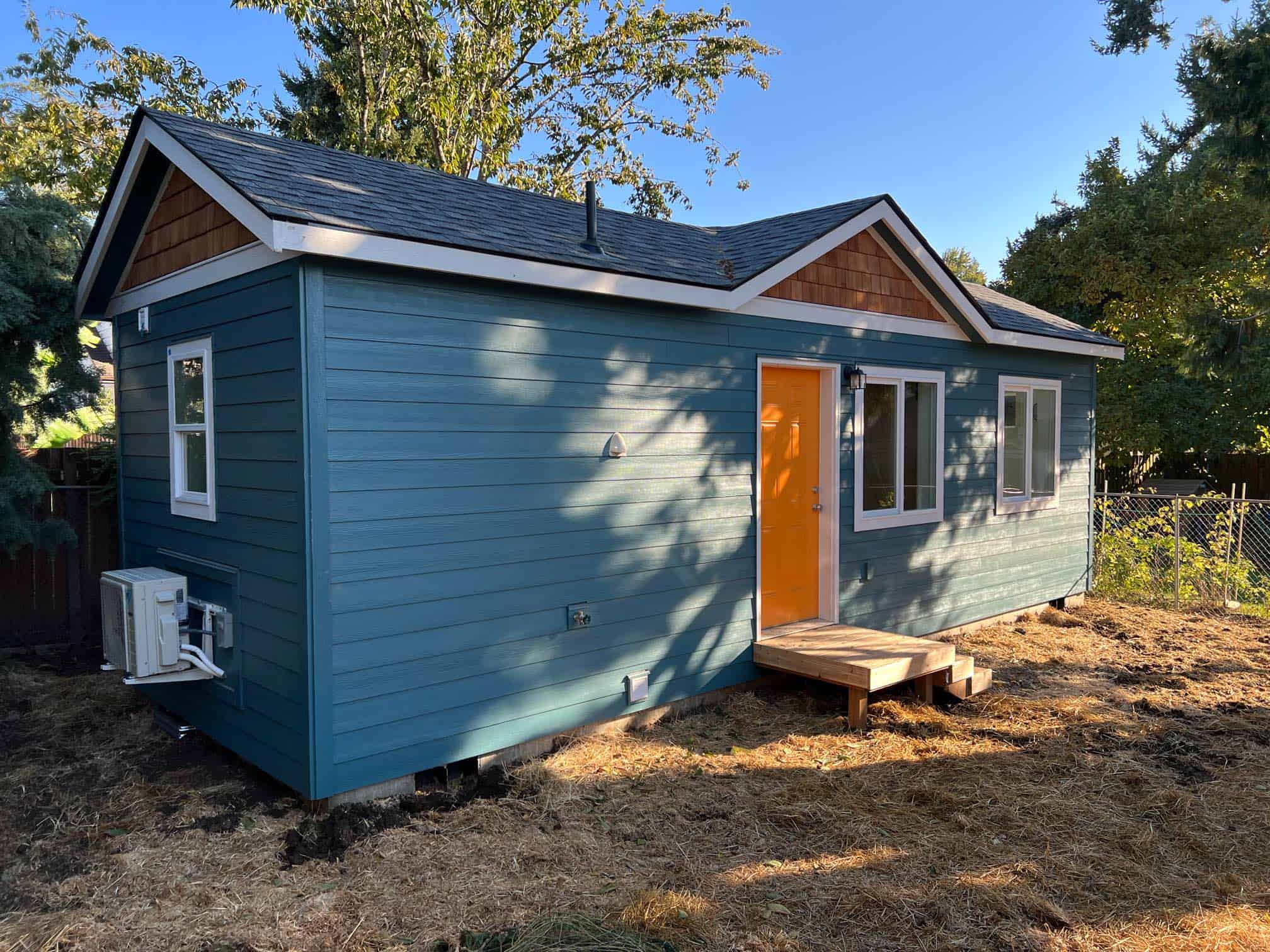
Choosing a tiny home builder is not just about finding someone who can build small. You need a builder who understands the full journey.
A good tiny home builder should help you think through feasibility, permitting, model fit, site access, utility connections, delivery logistics, and the finished use of the home. The builder should also be honest when a property, model, or plan may not be the right fit.
Wolf has built over 600 tiny homes, ADUs, and modular homes throughout the Pacific Northwest, which means the team has seen many of the common challenges before. That experience matters when you are dealing with local rules, small lots, family needs, budget expectations, and the practical realities of building a second dwelling or compact home.
The right builder should not just sell you a tiny home. They should help you make a smart decision.
Is a Tiny Home Right for Your Property?
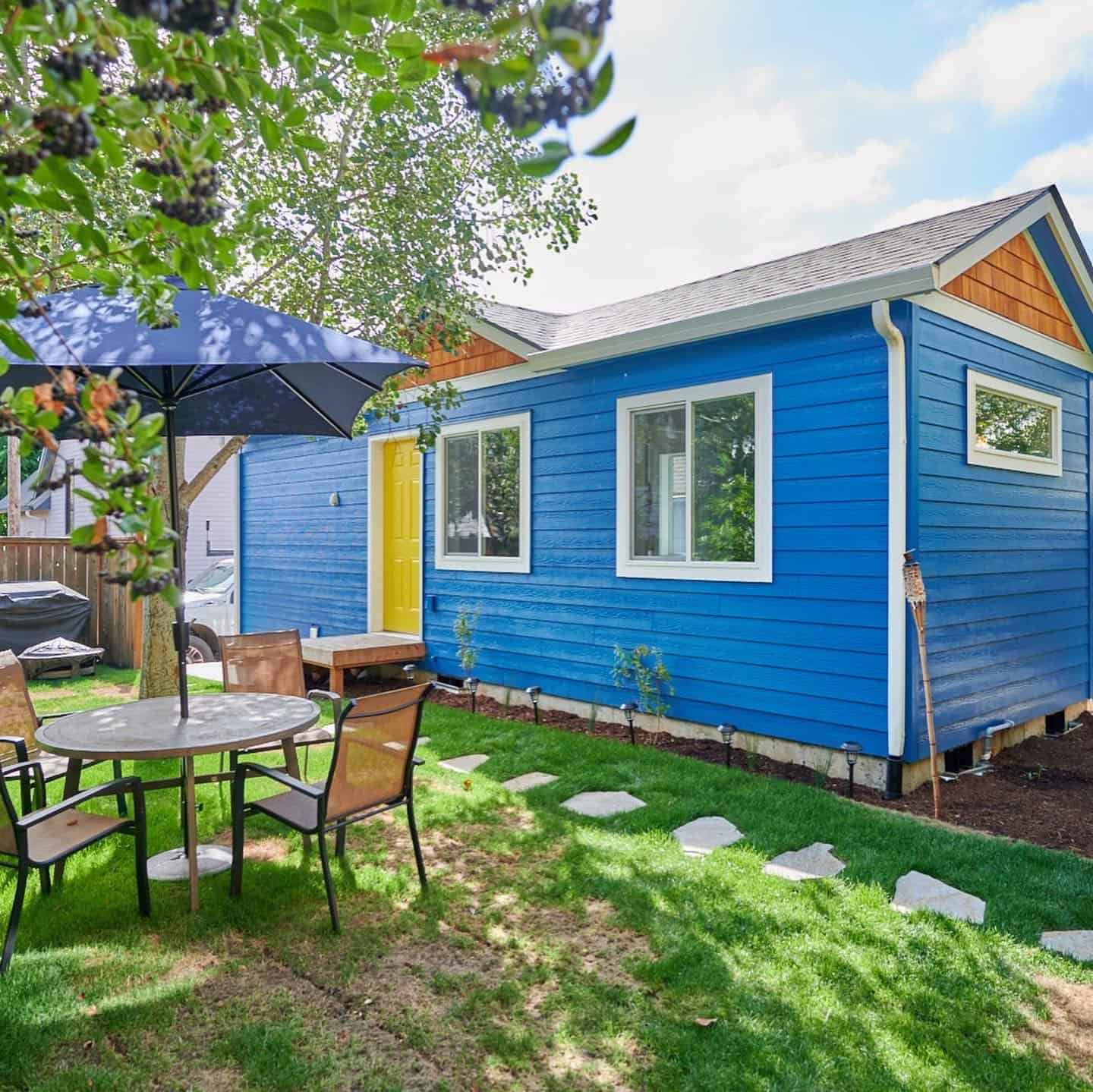
A tiny home may be a great fit if you want to add livable space without building a full-sized house. It may also be a smart option if you are trying to create a private home for family, add flexibility to your property, or downsize into a smaller, more manageable space.
But the best next step is not to guess. The best next step is to find out what your property can realistically support.
Wolf’s free property evaluation is designed to help you do exactly that. It gives you a clearer idea of what may be possible before you spend heavily on plans, consultants, or design work.
If you are considering a tiny home, compact ADU, or modular backyard home, start with the property. Once you understand what is possible there, the right model becomes much easier to choose.
Ready to Explore a Tiny Home?
If you are looking for a tiny home builder in the Pacific Northwest, Wolf Industries can help you take the next step with confidence.
Whether your best fit is the 300-square-foot Model B in Portland, the 432-square-foot Model K, or a slightly larger compact home like the Model E or Model F, Wolf can help you understand your options and move forward with a clearer plan.
Schedule your free property evaluation today and find out what is possible on your property before you spend time and money chasing the wrong path.
Source
International Code Council, 2018 International Residential Code, Appendix Q: Tiny Houses
https://codes.iccsafe.org/content/IRC2018/appendix-q-tiny-houses