
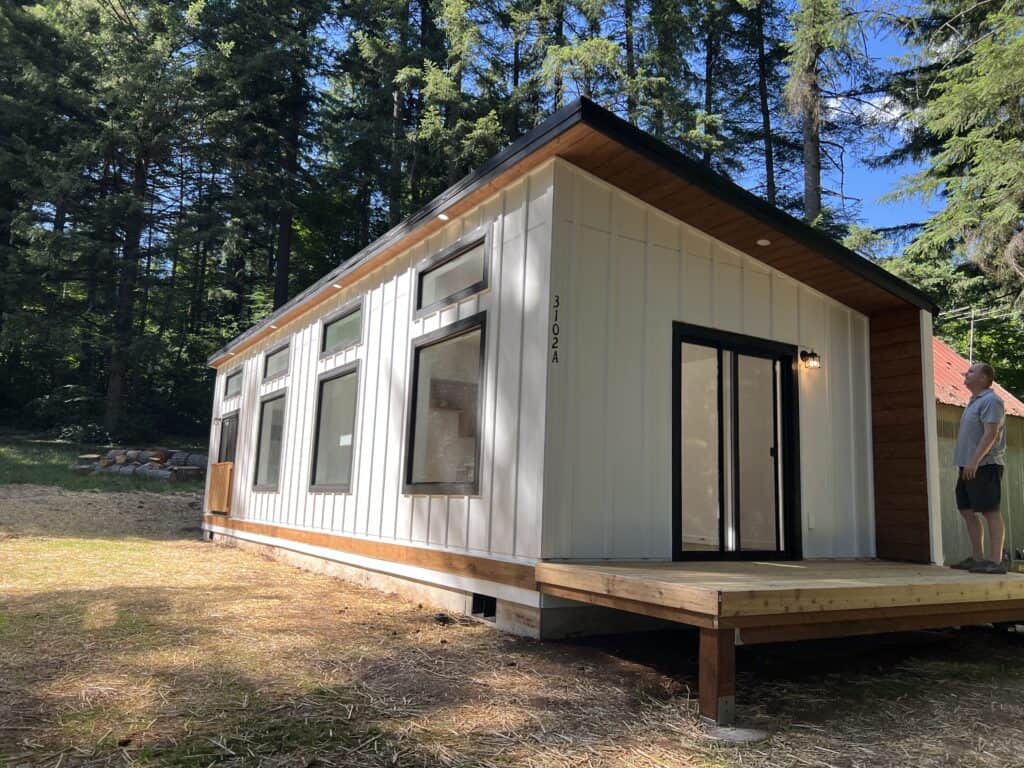
You have a backyard. You have an idea.
Maybe you are imagining a comfortable home for an aging parent. Maybe you want a separate place for an adult child. Maybe you see an opportunity to create rental income, add flexible living space, or simply get more value out of a property you already own.
So, you start searching for an ADU Builder. And that is when you realize something. Building the ADU itself is only one part of the project.
Before anyone starts framing walls, there are questions about zoning, setbacks, access, utilities, permits, foundations, site preparation, delivery logistics, inspections, and dozens of other details that have to come together.
That raises an important question:
What does an ADU builder actually do?
With a true turnkey ADU builder, the answer should be much more than simply constructing a small house.
At Wolf Industries, the goal is to guide homeowners through the entire journey, from figuring out whether an ADU makes sense on the property in the first place to handing over the keys to a finished home.
Wolf has built over 600 ADUs and modular homes throughout the Pacific Northwest, giving our team experience with hundreds of different properties, jurisdictions, site conditions, homeowner goals, and construction challenges.
Here is what that process actually looks like.
Step 1: Start With the Property, Not the Floor Plan
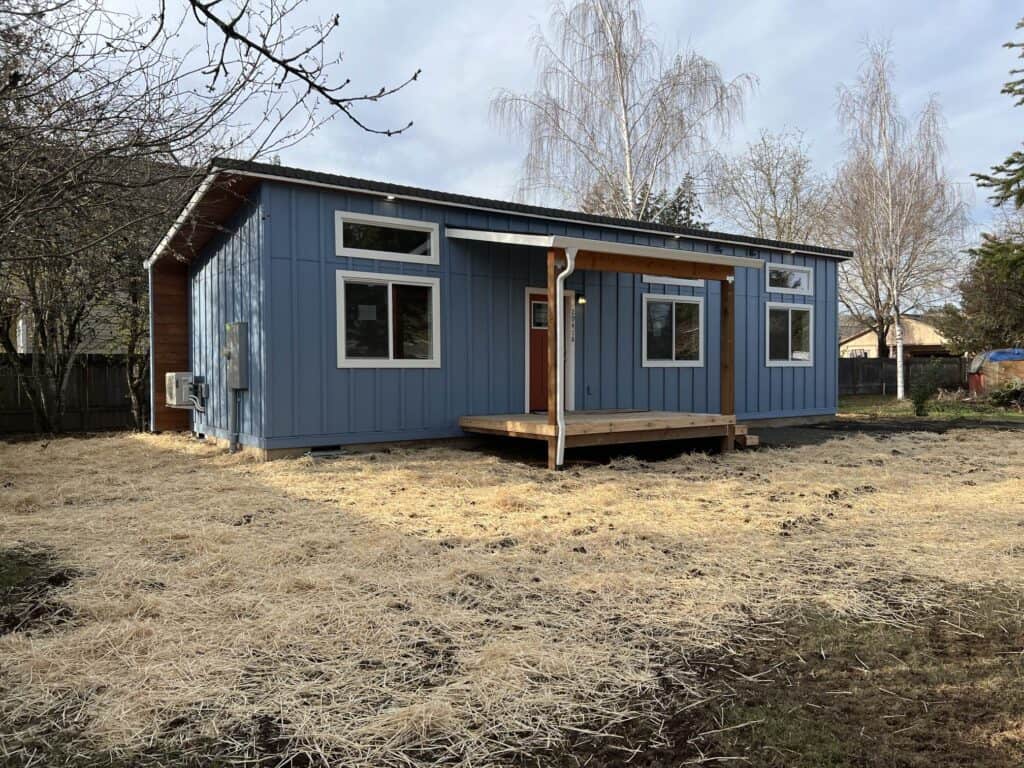
One of the easiest mistakes to make when planning an ADU is starting with the fun part. You find a floor plan you love. You start imagining the kitchen. You picture where the couch will go. You are already mentally choosing siding colors. But before you get too attached to a specific ADU, you need to answer a more important question:
What can actually be built on your property?
That is why Wolf recommends beginning with a Free Property Evaluation.
The evaluation helps examine important factors such as:
- Zoning
- Property characteristics
- Potential ADU placement
- Access
- Delivery feasibility
- Site considerations
- General project feasibility
- Logical next steps
Every property is different. Something that works beautifully on one lot may not make sense on another.
A tight driveway could affect delivery.
Setbacks could influence where the ADU can sit.
Utilities could affect project costs.
Trees, slopes, easements, or other site conditions may need to be considered.
A good ADU builder starts by understanding those realities before asking you to make major decisions.
Thinking about an ADU? Start with Wolf’s Free Property Evaluation to find out what may be possible on your property before you commit to a particular model or construction plan.
Step 2: Turn the Idea Into a Real Proposal
Once the property has been reviewed and there is a clearer understanding of the project, the next step is putting the pieces together. This is where the idea begins turning into an actual plan.
Wolf reviews the property, your goals, the appropriate home model, available options, permitting considerations, site requirements, and other project details to develop a proposal.
This stage is important because an ADU should not be planned in isolation. The house itself is only one component of the total project.
A homeowner needs to understand what will happen before production, what needs to happen on the property, what will happen when the home arrives, and what remains before final occupancy.
That broader picture is one of the biggest differences between simply purchasing a structure and working with a turnkey ADU builder.
Step 3: Navigate Permitting Without Doing It Alone
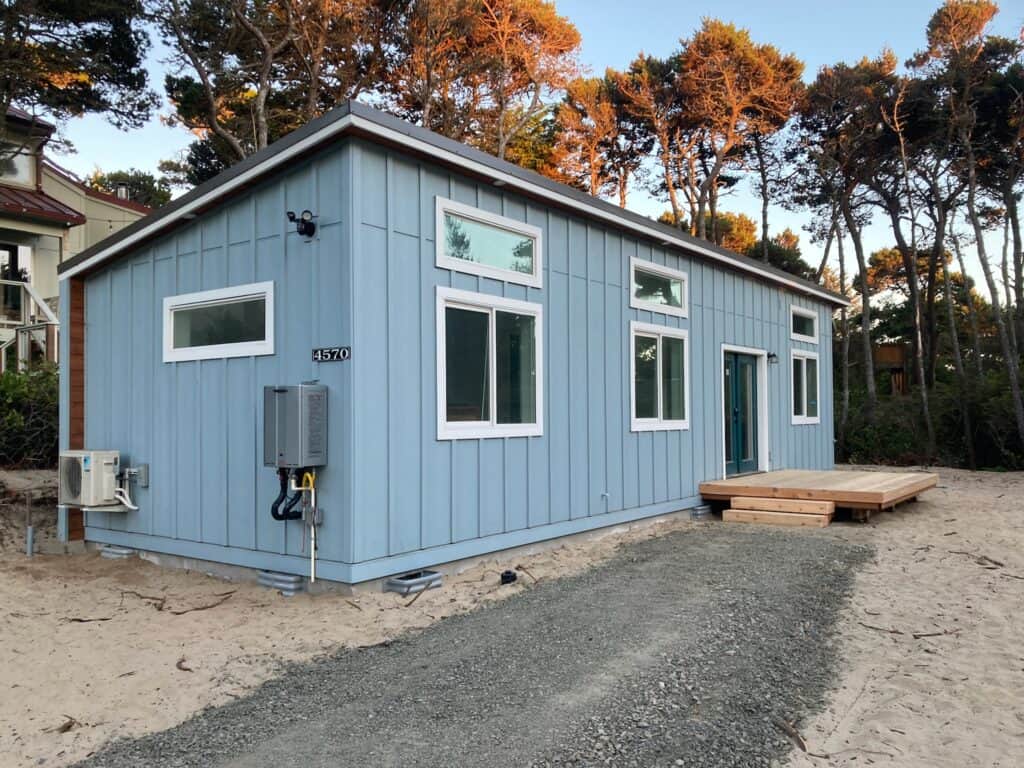
Ask homeowners which part of an ADU project sounds the least exciting and permitting will probably rank pretty high. This process can include all or a combination of the following:
- Building permits.
- Electrical permits.
- Plumbing permits.
- Site plans.
- Potential stormwater requirements.
- Planning reviews.
- Questions from the city or county.
- Different jurisdictions may have different requirements, review procedures, and timelines.
And for someone who has never built an ADU before, figuring out which department wants which document can quickly become frustrating. Wolf has a dedicated permitting process designed to help customers through this stage.
Depending on the project, Wolf’s permitting team can review the site, identify required permits, prepare documentation, submit materials, communicate with the jurisdiction, and work through the review process.
Instead of handing you a house plan and telling you to figure out the rest, the objective is to keep the project moving toward construction.
That is an important distinction when asking what does an ADU builder do?
The answer should not stop at, “We build the house.”
A capable ADU builder should understand what has to happen before the house can legally be placed and occupied.
Step 4: Prepare the Property for the ADU
While the finished ADU might be the part everyone notices, a great deal of important work happens underneath and around it.
The site has to be ready. Depending on the property, that can involve items such as:
- Excavation and grading
- Foundation preparation
- Water connections
- Sewer or septic considerations
- Electrical service
- Utility trenches
- Access preparation
- Other required site improvements
This is another reason starting with the property evaluation is so important.
Site conditions can dramatically change how straightforward or complicated an ADU project becomes. You do not want to discover late in the process that getting the house into the backyard is impossible or that a major site issue was overlooked early on. Wolf’s process looks at the ADU as an entire project, not simply the structure sitting on top of the foundation.
Not sure what your backyard would require? Request a Free Property Evaluation and let Wolf help you identify the questions worth answering first.
Step 5: Build the ADU in a Controlled Production Environment
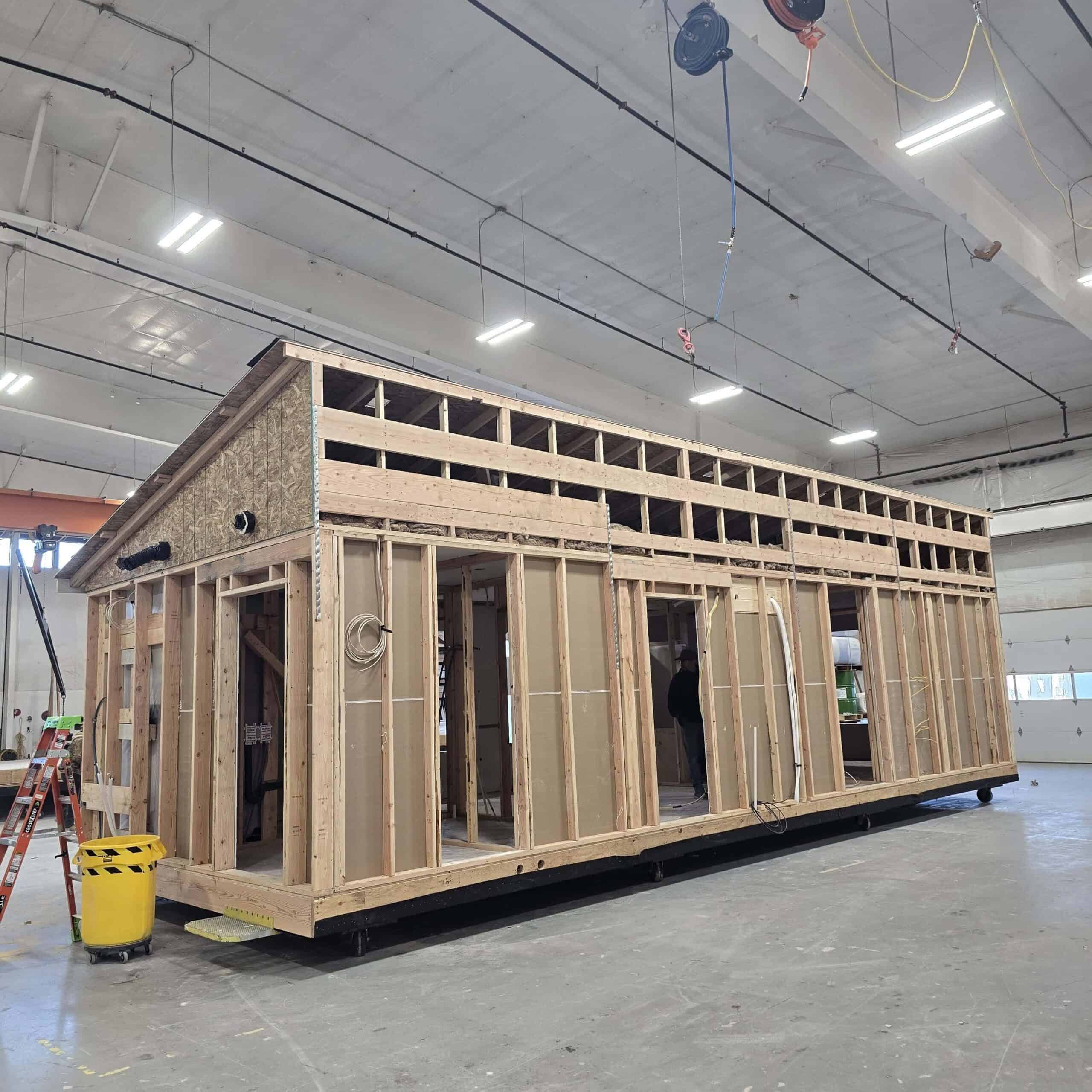
This is where Wolf’s modular approach changes the traditional construction experience. Instead of building the entire ADU piece by piece in your backyard, Wolf constructs the home off-site in a controlled production environment.
That offers several practical advantages:
- Your home is not sitting exposed to Pacific Northwest rain throughout months of construction.
- Specialized crews can move through a defined production process.
- Materials, tools, and work areas are organized around repeatable construction.
- And while production is happening, portions of the site preparation can be coordinated separately.
Wolf’s current production process moves homes through specialized stages with designated teams rather than relying on a constantly changing collection of contractors working entirely at the property. For the homeowner, it means your backyard does not have to become a full-scale home construction site for months on end.
You still get a permanent, code-compliant home. The difference is how it gets there.
Step 6: Plan the Delivery Before the Home Ever Leaves the Factory
Building a modular ADU is one thing. Getting it onto your property is another. A completed home is significantly different from a truckload of lumber.mDelivery requires planning.
The team needs to consider the route to the property, access onto the site, obstacles, positioning, equipment, and how the home will ultimately reach its foundation. That is exactly why Wolf considers delivery feasibility early in the process rather than treating it as an afterthought.
A beautiful ADU does not help much if there is no practical way to get it where it needs to go. When the site and home are ready, the ADU is transported to the property and carefully moved into position.
For many homeowners, this is the moment the entire project suddenly becomes real. One day there is a prepared site. Then the home arrives.
Step 7: Set the Home and Complete the Connections

Delivery is not the finish line. Once the home reaches the property, the installation process begins. Wolf’s field team coordinates setup and the work required to transition the ADU from a completed modular structure into a functioning home on the property.
Depending on the project, this phase can include positioning the home, installation work, utility connections, exterior completion items, and other site-related details required by the project.
Water needs to flow. Lights need to turn on. Plumbing needs to work. The home needs to be securely installed where it belongs. This is where the value of a turnkey ADU builder becomes especially obvious.
Without a coordinated process, homeowners may find themselves trying to manage a builder, excavator, electrician, plumber, delivery company, foundation contractor, inspectors, and local jurisdiction themselves.
Wolf’s approach is designed to coordinate those moving pieces as part of a larger process.
Step 8: Complete Inspections and Final Occupancy Requirements
There is one more important stage before anyone moves furniture inside. Inspections.
The ADU and associated site work need to satisfy the applicable requirements for the project and jurisdiction. That can involve inspections of different components along the way, followed by the steps required to reach final approval or occupancy.
It might not be the most glamorous part of the project, but it is critical. A real ADU is a home. It needs to be properly permitted, installed, connected, inspected, and approved. Only then does the project reach the moment homeowners have been waiting for.
Step 9: Hand Over the Keys
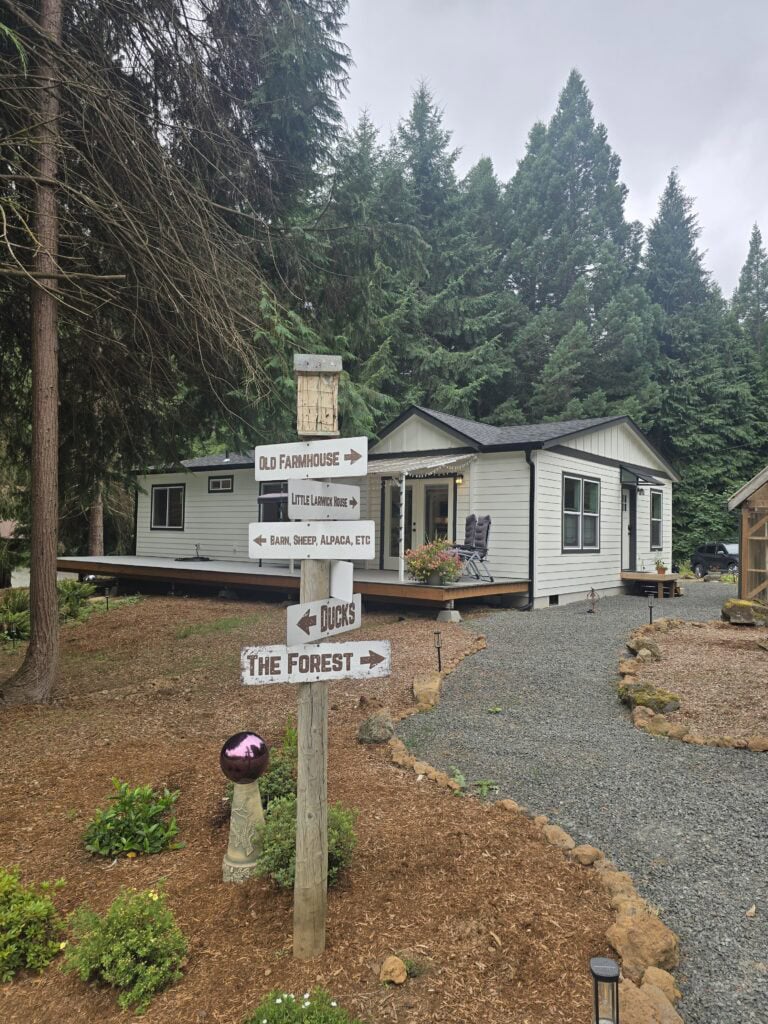
This is what the entire process has been building toward.
- The permits.
- The site plans.
- The production schedule.
- The foundation.
- The utility work.
- The delivery.
- The setup.
- The inspections.
At the end of all of it, you are not left with a construction project. You are left with a home.
Maybe your parents move in so they can be closer to their grandchildren. Maybe your adult child finally gets an independent place of their own. Maybe you welcome your first tenant. Maybe you downsize into the ADU and rent the main house. Or maybe it simply becomes the extra space your family has needed for years.
Whatever the reason, this is ultimately what a good ADU builder should be working toward. Not simply building a structure. Creating a clear path from an idea to a finished, usable home.
Find Out What Is Possible With a Free Property Evaluation
If you are considering an ADU in Oregon or Washington, Wolf Industries offers a Free Property Evaluation to help you take the first step.
Instead of trying to determine zoning, setbacks, access, utilities, and feasibility on your own, you can provide Wolf with your property information and begin getting a clearer picture of what may be possible.
Start with a Free Property Evaluation and find out what your property could support.