
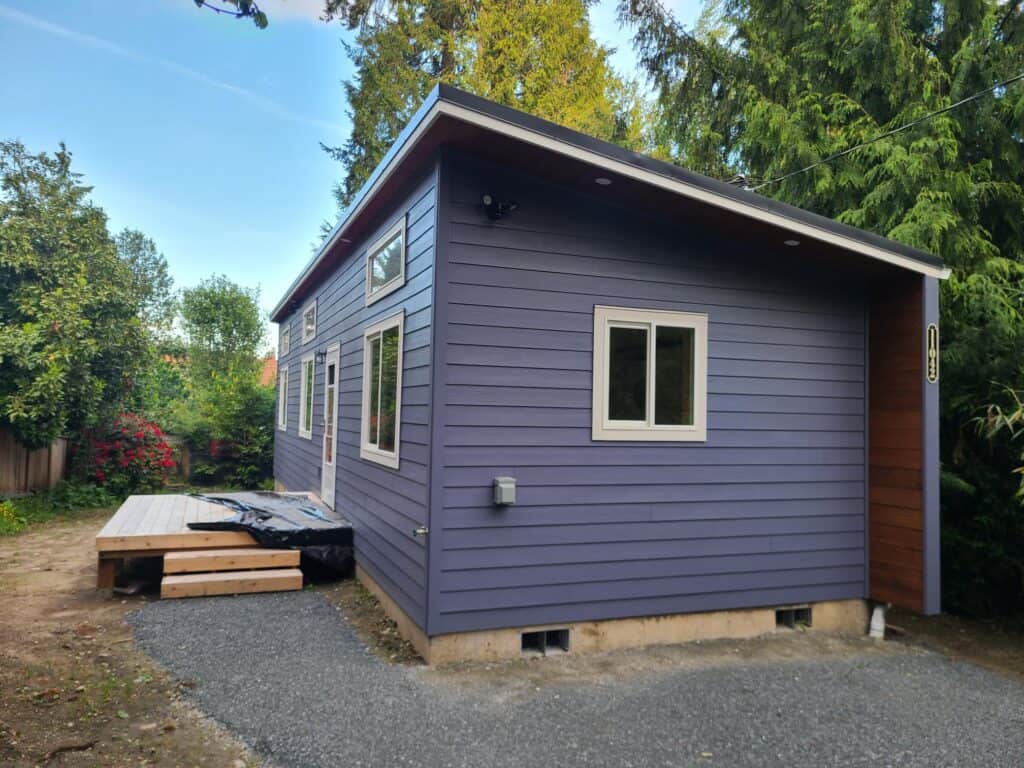
Finding the right ADU builder in Federal Way can make the difference between a project that feels overwhelming and one that moves forward with a clear, organized plan.
An accessory dwelling unit can give you more usable living space without requiring you to leave the property or neighborhood you already love. It could provide a comfortable home for aging parents, private space for adult children, accommodations for guests, a dedicated home office, or the potential for rental income. But building an ADU involves much more than choosing a floor plan.
Zoning, setbacks, utilities, property access, site preparation, permits, inspections, delivery logistics, and final occupancy all need to work together. That is why Federal Way homeowners benefit from working with an experienced ADU builder that can manage the entire project instead of leaving them to coordinate multiple companies on their own.
Wolf Industries has built more than 600 ADUs and modular homes throughout the Pacific Northwest, including many projects in the Federal Way area. With a proven turn-key process and the advantages of modular construction, Wolf helps homeowners move from an initial idea to a completed home with greater clarity and confidence.
The best place to begin is Wolf’s Free Property Evaluation. Our team will research your property and help you understand what may be possible before you commit to a home or construction plan.
Why Federal Way Homeowners Are Considering ADUs
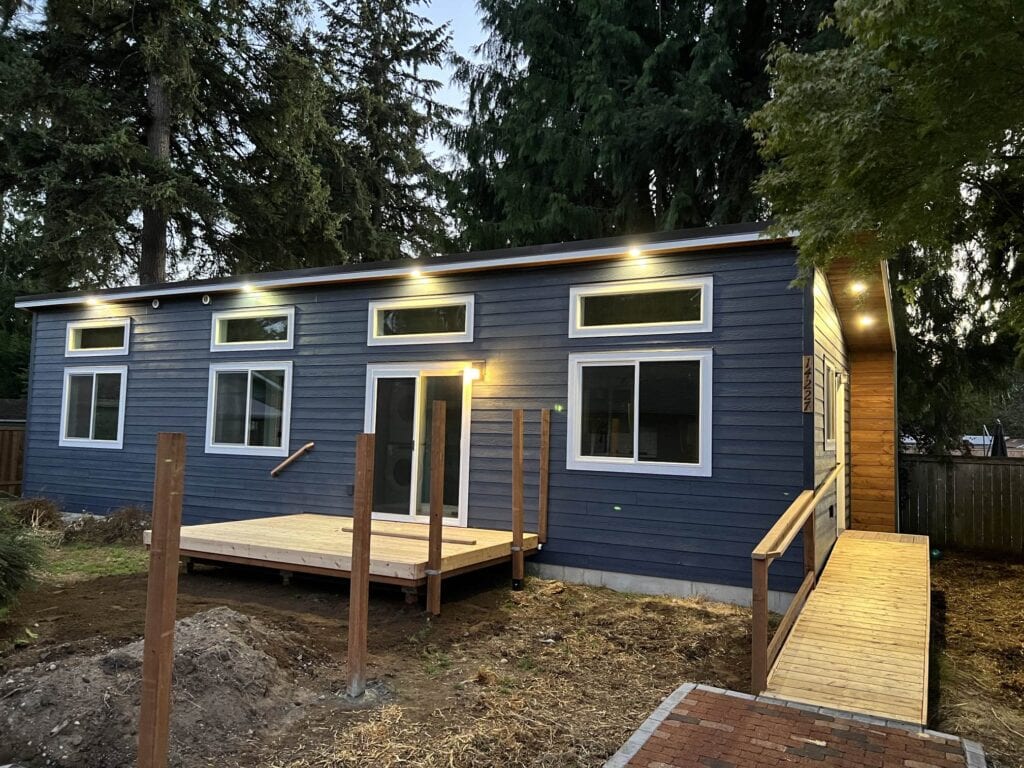
Federal Way offers an appealing combination of established neighborhoods, access to major employment centers, and proximity to Seattle, Tacoma, and the greater Puget Sound region. For many homeowners, an ADU creates an opportunity to make better use of property they already own.
Instead of purchasing another home or completing a disruptive addition to the primary residence, a detached ADU can create a separate and highly flexible living environment.
Common uses for a Federal Way ADU include:
- Housing for parents or other relatives
- A private home for an adult child
- Potential long-term rental housing
- Guest accommodations
- A home office or creative workspace
- Caregiver housing
- A downsized home for the property owner
- Flexible space that can serve different purposes over time
The best ADU is not simply the largest home that can fit in the backyard. It is a home designed around the property, local requirements, the homeowner’s budget, and the way the space is expected to be used.
That planning should begin before you select a specific model.
Start With Wolf’s Free Property Evaluation
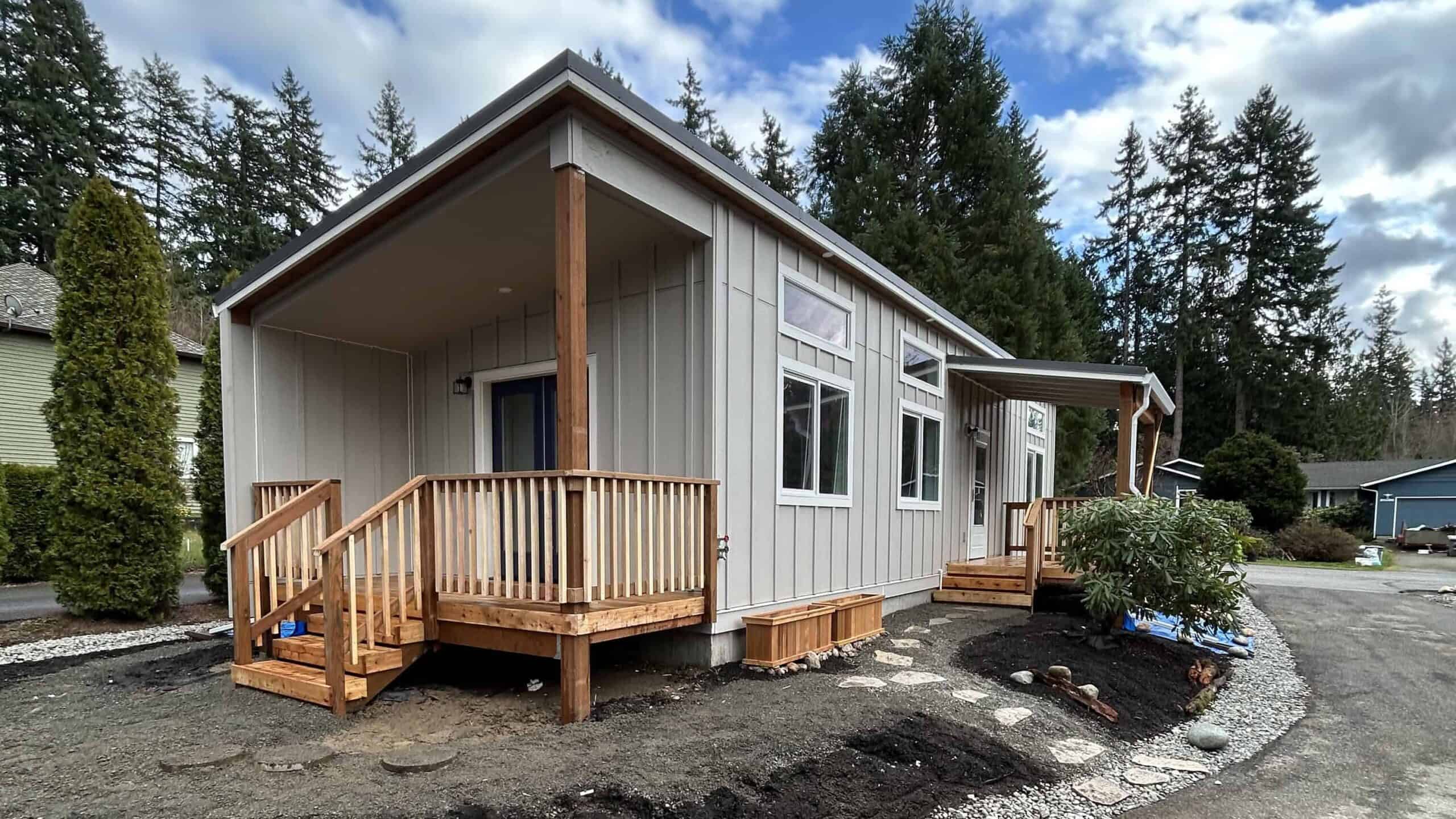
The most important first step is determining what may actually be possible on your property.
Wolf’s Free Property Evaluation helps identify the opportunities and potential challenges associated with your Federal Way property before you invest heavily in plans or engineering.
The evaluation considers important factors such as:
- Property zoning
- Available building area
- Setbacks and lot coverage
- Utility locations
- Sewer or septic considerations
- Electrical and water service
- Slopes, trees, and drainage
- Access for construction equipment
- The delivery path for a modular home
- Potential permitting or site-development challenges
A property may appear to have plenty of open space while still presenting complications related to setbacks, easements, utilities, critical areas, or delivery access. Identifying these issues early can prevent homeowners from spending time and money pursuing a plan that is not practical.
Wolf’s Free Property Evaluation is the best way to begin because it focuses on the property first.
Wondering whether an ADU could work on your Federal Way property? Start with Wolf’s Free Property Evaluation and get a clearer understanding of your options.
A Turn-Key ADU Builder for Federal Way
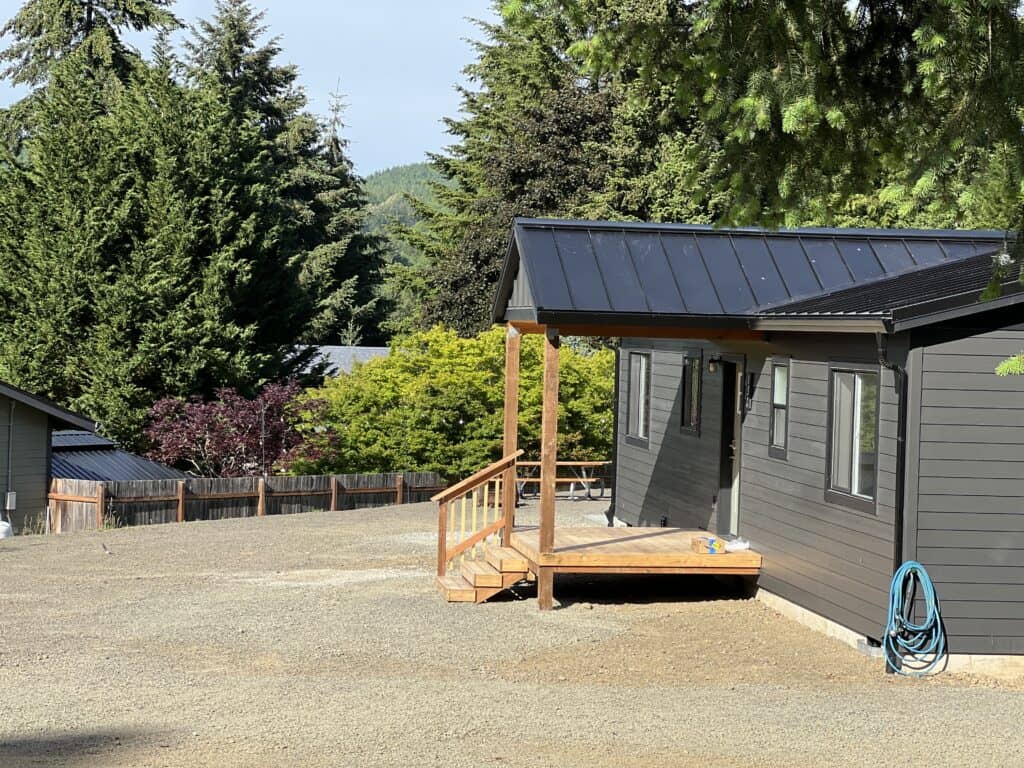
Building an ADU can require coordination between designers, engineers, permit specialists, utility providers, excavation contractors, foundation crews, delivery teams, installers, inspectors, and finish contractors.
When these responsibilities are divided among several unrelated companies, homeowners may find themselves acting as the project manager. That can mean tracking schedules, answering technical questions, resolving conflicts, and determining who is responsible when something does not go according to plan.
Wolf Industries offers a turn-key approach designed to simplify the experience.
From early feasibility and property accessibility through permitting, production, site work, delivery, setup, inspections, and final occupancy, Wolf helps coordinate the major phases of the project.
1. Property Feasibility and Access
Every project begins with the site.
Wolf evaluates whether an ADU may be feasible and whether the property can support the construction and delivery process. This includes looking at the proposed building area, utility connections, site conditions, equipment access, and the route a modular home would need to travel onto the property.
Access is especially important for a modular ADU. Streets, overhead wires, trees, fences, neighboring structures, slopes, driveways, and turning areas can all affect delivery.
Evaluating these conditions early allows the project team to develop a realistic plan before construction begins.
2. Proposal and Project Planning
Once the property has been evaluated, Wolf can help identify an appropriate home model, available options, site requirements, and the expected scope of work.
A detailed proposal gives homeowners a clearer picture of the project rather than presenting only the cost of the home itself. This is important because the total cost of an ADU may include permitting, engineering, utility connections, excavation, foundation work, delivery, setup, and other property-specific improvements.
Wolf’s goal is to help homeowners understand the entire project, not just one portion of it.
3. ADU Permitting
Permitting can be one of the most confusing parts of building an accessory dwelling unit.
Applications may require site plans, construction drawings, energy documentation, structural information, utility details, stormwater planning, and responses to questions from local reviewers. Additional approvals may also be needed depending on the property.
Wolf’s permitting team helps coordinate this phase and communicate with the applicable agencies. This reduces the burden on homeowners and helps keep the project moving through the review process.
Federal Way maintains online planning, mapping, and permitting resources that include accessory dwelling unit applications, but the requirements for an individual project still depend on the property and proposed design.
4. Site Preparation
While the home is being planned and produced, the property must be prepared for its arrival.
Site work may include:
- Clearing and excavation
- Foundation preparation
- Utility trenching
- Water and sewer connections
- Electrical service preparation
- Driveway or walkway improvements
- Drainage or stormwater work
- Final grading
Because Wolf manages the project as a coordinated process, the site and the home can progress along parallel timelines when conditions allow. This is one of the most important advantages of modular construction.
5. Factory Production
Instead of constructing the ADU entirely outdoors in the backyard, Wolf builds the home inside a controlled production facility.
A factory environment provides greater protection from Pacific Northwest weather and allows materials, tools, and skilled trades to remain organized in one location. The home moves through planned stages of construction while the site is being prepared separately.
Wolf offers multiple ADU models with customizable selections, helping homeowners choose a design that fits their property and intended use while avoiding the uncertainty of designing every component from the beginning.
6. Delivery and Setup
Once the home and site are ready, the ADU is transported to the property and installed on the completed foundation.
The delivery phase requires careful planning. The team must account for the transportation route, street conditions, property access, equipment placement, overhead obstacles, and the final position of the home.
After installation, remaining connections and finish work are completed so the home can move toward final inspections.
7. Final Inspections and Key Handover
A turn-key ADU project is not finished when the home arrives. Wolf continues coordinating the work required to reach completion, including utility connections, setup, finish work, required inspections, and final occupancy approval. Once final occupancy has been granted and the project is complete, the keys are handed over to the homeowner.
Wolf’s current process is organized around proposal development, permitting, factory production, delivery, setup, and completion, giving homeowners one coordinated path from their initial idea to a finished home.
Why Modular Construction Makes Sense for a Federal Way ADU
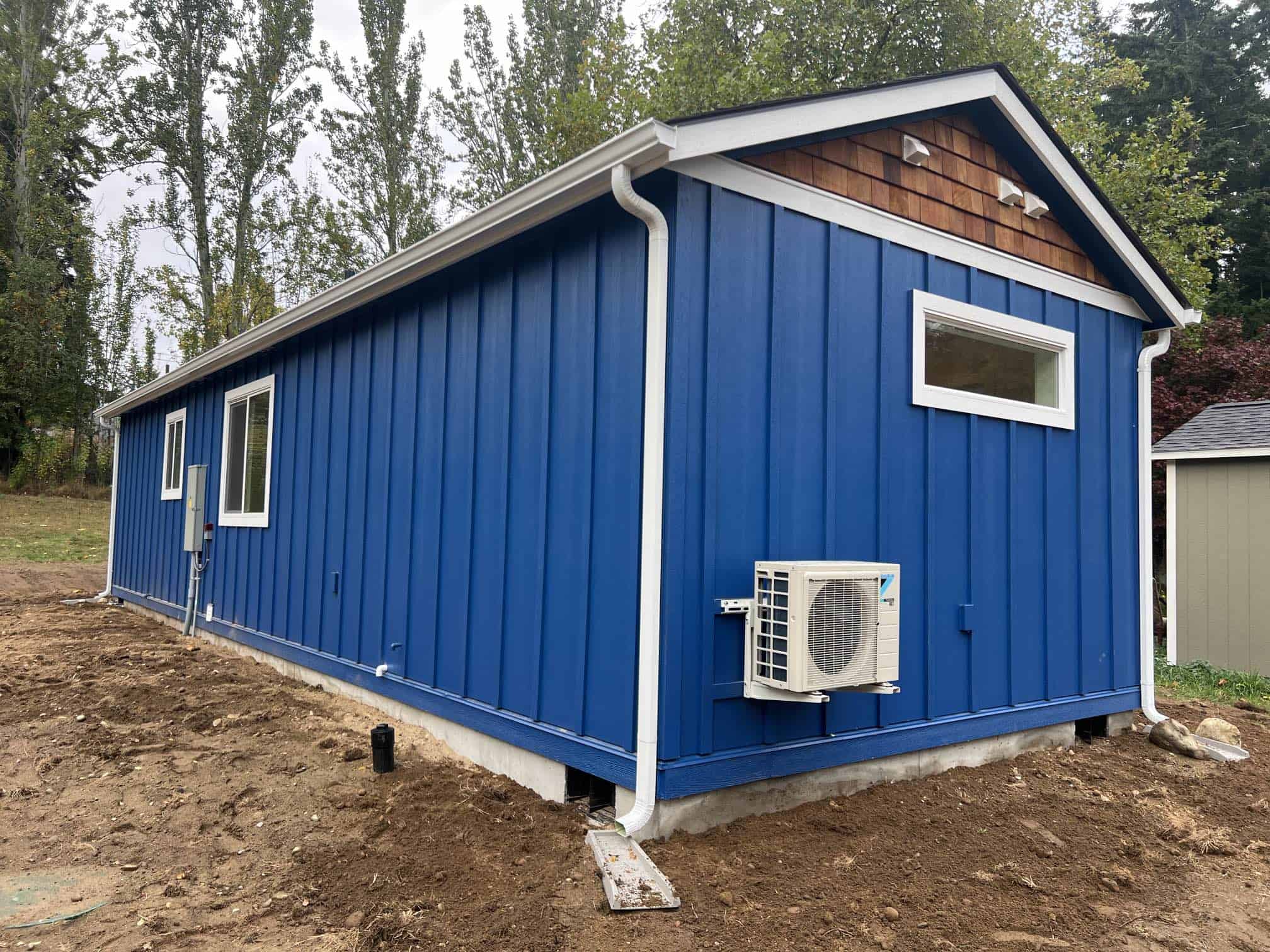
Modular construction offers several important advantages for homeowners adding an ADU.
A More Predictable Construction Environment
Traditional backyard construction exposes materials and unfinished portions of the home to rain, wind, and changing temperatures. A modular home is built primarily inside a controlled production facility.
This creates a more consistent construction environment and reduces many weather-related disruptions.
Less Construction Activity at Your Home
A conventional site-built ADU may require workers, tools, materials, and subcontractors to remain on the property throughout most of the build.
With modular construction, much of the work happens at Wolf’s facility. Site work still needs to be completed, but the primary home construction takes place away from the property.
For homeowners living in the main house during construction, this can reduce the length and intensity of backyard disruption.
Parallel Construction Timelines
With a traditional build, many phases must happen one after another at the site.
Modular construction allows the home to be built in the factory while excavation, foundation work, utilities, and other site improvements are completed on the property. When properly coordinated, these parallel workflows can make the overall process more efficient.
Organized Material Management
Factory construction allows materials to be stored, handled, and installed in an organized environment. Crews have access to consistent tools and workstations, and the home moves through a structured production sequence.
This repeatable process helps reduce unnecessary movement, material exposure, and jobsite inefficiency.
Built as a Permanent Home
A modular ADU is not an RV, temporary structure, or manufactured home.
It is built as permanent residential construction and installed on a permanent foundation. The completed ADU can include the same types of residential features homeowners expect in a traditional house, including a full kitchen, bathroom, heating and cooling, storage, living space, and private bedrooms depending on the selected model.
Flexible Design Options
Wolf’s models provide a proven starting point while still allowing homeowners to select finishes and available options.
Depending on the model and project, homeowners may be able to choose flooring, cabinetry, countertops, fixtures, exterior finishes, appliances, and other design elements.
Starting with an established model can simplify decisions while still producing a home that feels personal and well suited to the property.
Choosing the Right ADU for Your Property
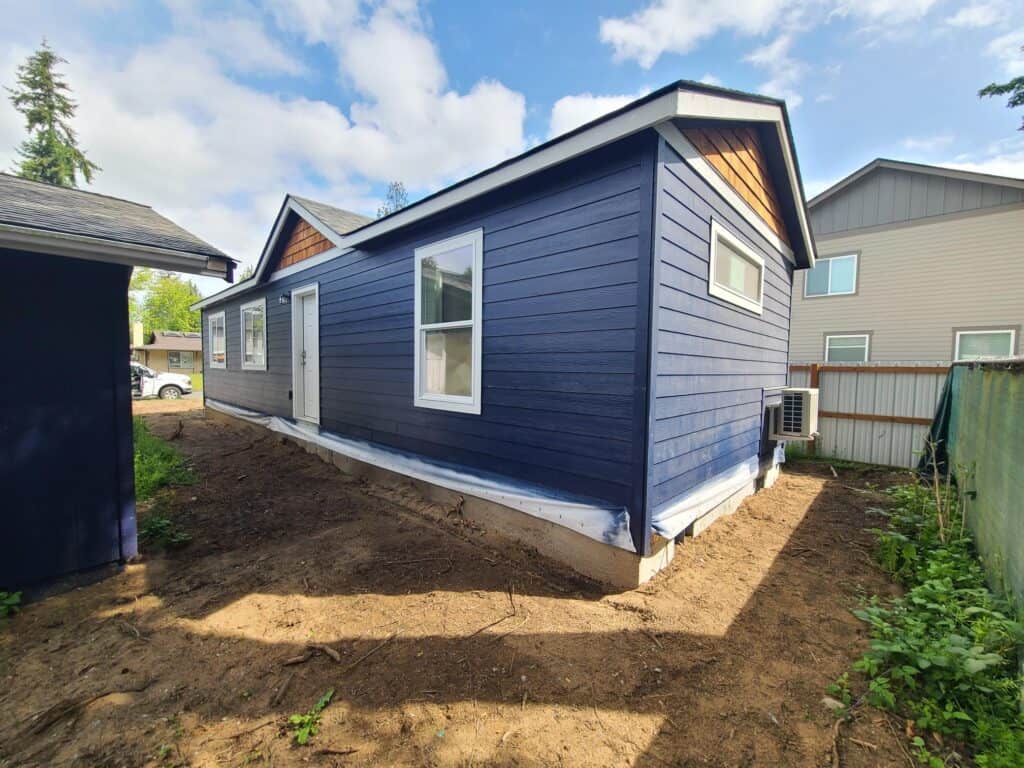
A smaller ADU may be ideal for a compact property, guest space, or one-person household. A larger two-bedroom design may better support family housing, a caregiver arrangement, or long-term rental use.
Consider questions such as:
- Who will live in the ADU?
- How many bedrooms are needed?
- Is accessibility important?
- Will the use change in the future?
- How much privacy should exist between the homes?
- Is outdoor space important?
- Where are the existing utilities?
- How will occupants access the ADU?
- Can the home be delivered to the proposed location?
Wolf can help connect these goals to the realities of the property.
Instead of just selecting a model based only on appearance, homeowners can choose a home that fits the site, intended use, budget, and applicable requirements.
Experienced ADU Construction in the Pacific Northwest
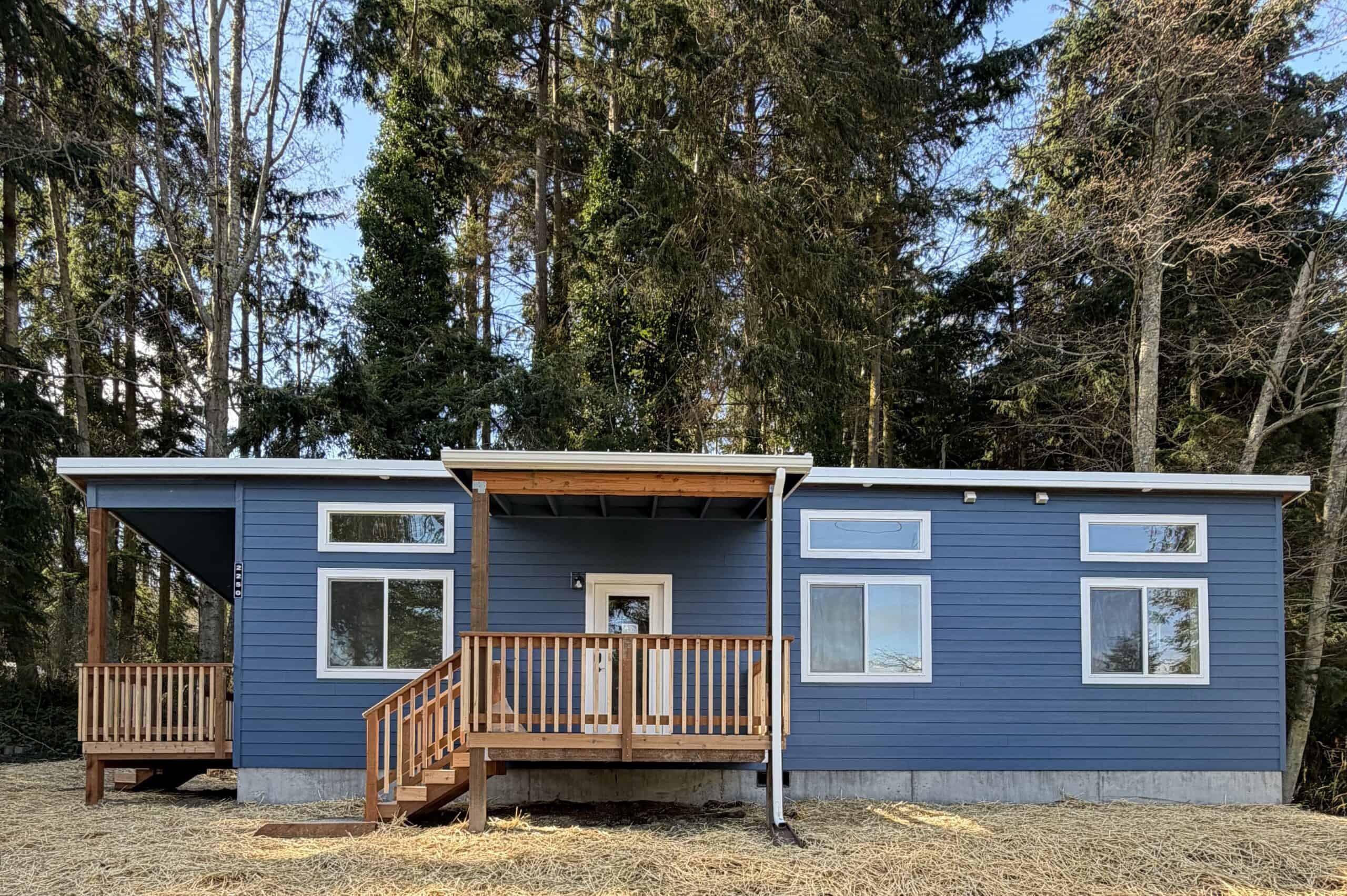
Experience matters when a project involves both residential construction and complicated site logistics.
Wolf Industries has built more than 600 ADUs and modular homes throughout the Pacific Northwest, including many in and around Federal Way. That experience has helped Wolf develop a coordinated process for evaluating properties, navigating permits, preparing sites, manufacturing homes, planning deliveries, and completing installation.
Every property presents a different combination of zoning, access, utilities, topography, and homeowner goals. A proven process helps the project team identify those variables early and build a realistic path forward.
Frequently Asked Questions About Building an ADU in Federal Way
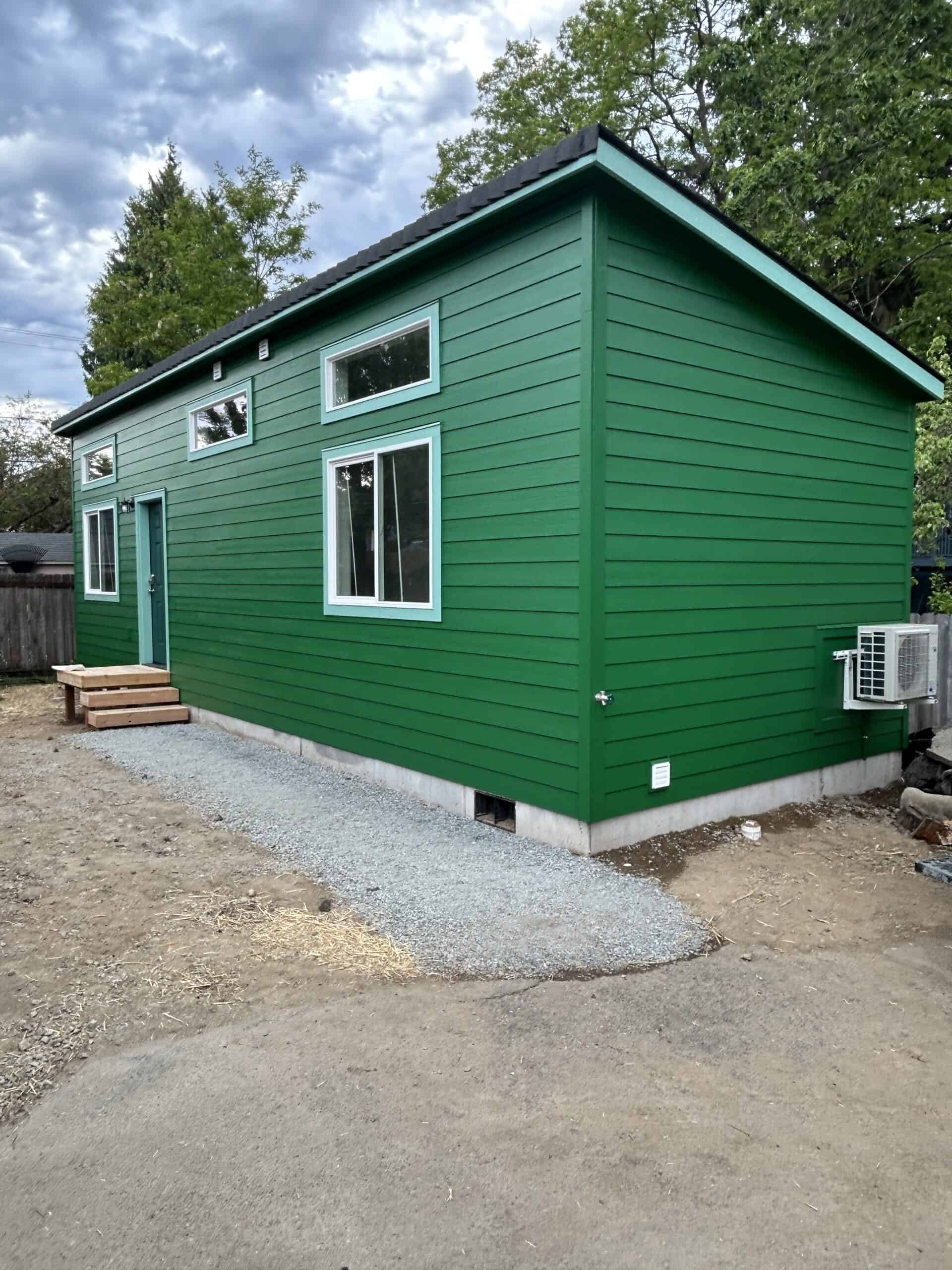
Can I build an ADU on my Federal Way property?
Possibly. ADU feasibility depends on factors such as zoning, lot configuration, setbacks, available building area, utilities, access, easements, environmental constraints, and the proposed home.
Wolf’s Free Property Evaluation is the best first step for determining what may be possible.
How much does a Federal Way ADU cost?
The total cost depends on the model, selected options, permitting, engineering, foundation, utility connections, site work, access, delivery requirements, and other property-specific conditions.
A complete project evaluation is more useful than relying on a general cost-per-square-foot estimate.
How long does it take to build an ADU?
The timeline depends on design decisions, permitting review, site conditions, utility requirements, production scheduling, and inspection availability.
Modular construction can improve efficiency because factory production and site preparation may occur at the same time.
Can an ADU be used as a rental?
An ADU may provide rental opportunities, but homeowners should confirm current local regulations, occupancy rules, and any other applicable requirements before making financial plans.
Wolf can help evaluate the construction project, but homeowners should also consult appropriate tax, insurance, financial, and property-management professionals.
Does Wolf take care of permits and site work?
Wolf offers a turn-key process that can include property evaluation, project planning, permitting, production, site preparation, delivery, setup, and coordination through final occupancy.
The exact scope depends on the property and proposal.
Is a modular ADU the same as a manufactured home?
No. Modular homes and manufactured homes are built under different regulatory frameworks.
A Wolf modular ADU is permanent residential construction designed for installation on a permanent foundation.
Take the First Step Toward Your Federal Way ADU
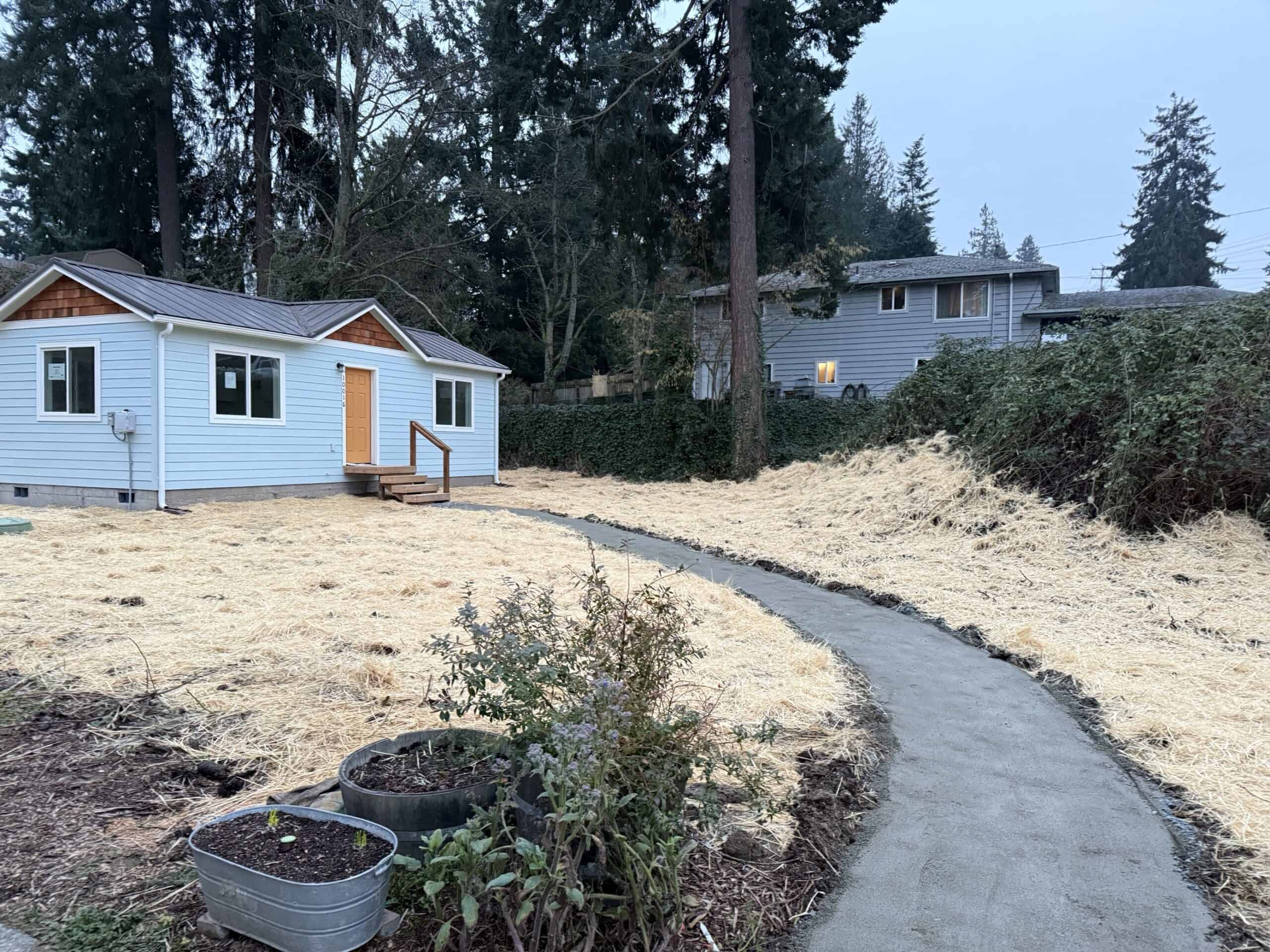
An ADU can create new possibilities for your family and property, but the best projects begin with accurate information.
Before choosing a floor plan or investing in detailed design work, find out what your property may support.
Wolf Industries brings more than 600 completed ADUs and modular homes of experience to projects throughout the Pacific Northwest, including many in the Federal Way area. With a turn-key process covering feasibility, accessibility, planning, permitting, production, site preparation, delivery, setup, inspections, and final key handover, Wolf helps simplify what could otherwise be a complicated construction project.
Ready to learn what may be possible on your Federal Way property? Start with Wolf’s Free Property Evaluation. Wolf will review the property, identify potential opportunities and challenges, and help you understand the next steps toward building your ADU.