
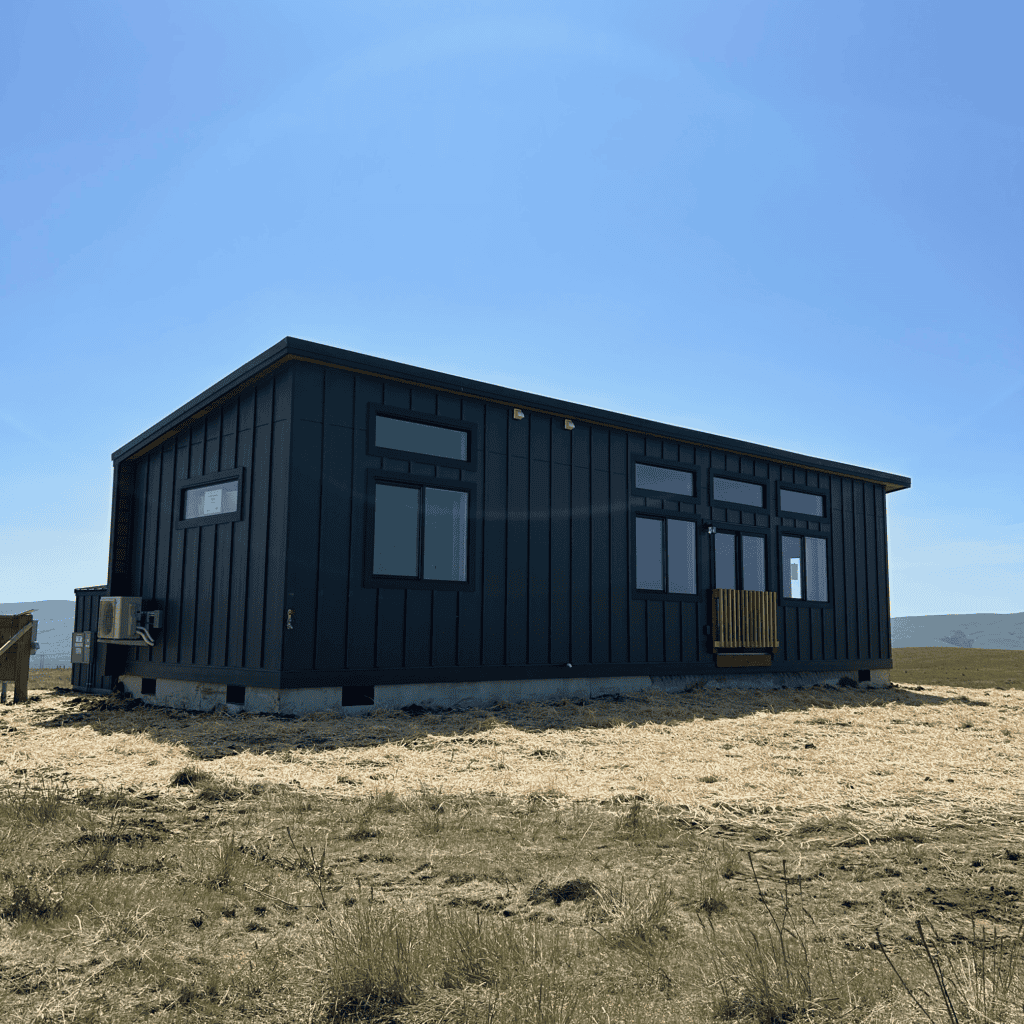
Do you want to add an ADU to your Walla Walla property but feel overwhelmed by permits, sitework, utility connections, and construction decisions?
You are not alone.
Many homeowners can picture the finished ADU. They see a comfortable home for aging parents, a private place for visiting family, a rental that creates monthly income, or a smaller home that allows multiple generations to live close together.
The difficult part is figuring out how to get from the idea to a completed, legal home.
Wolf Industries offers a better path. As an experienced ADU builder serving Walla Walla, Wolf provides a turn-key modular construction process that can include property research, permitting, site development, factory construction, delivery, installation, utility connections, inspections, and the final handoff of your new home.
Wolf has built over 600 ADUs and modular homes throughout the Pacific Northwest, including many projects around the Walla Walla area. That experience helps property owners avoid costly guesswork and move forward with a realistic plan.
The best place to begin is Wolf’s Free Property Evaluation. It is the simplest way to learn what may be possible on your specific property.
Why Are Walla Walla Homeowners Building ADUs?
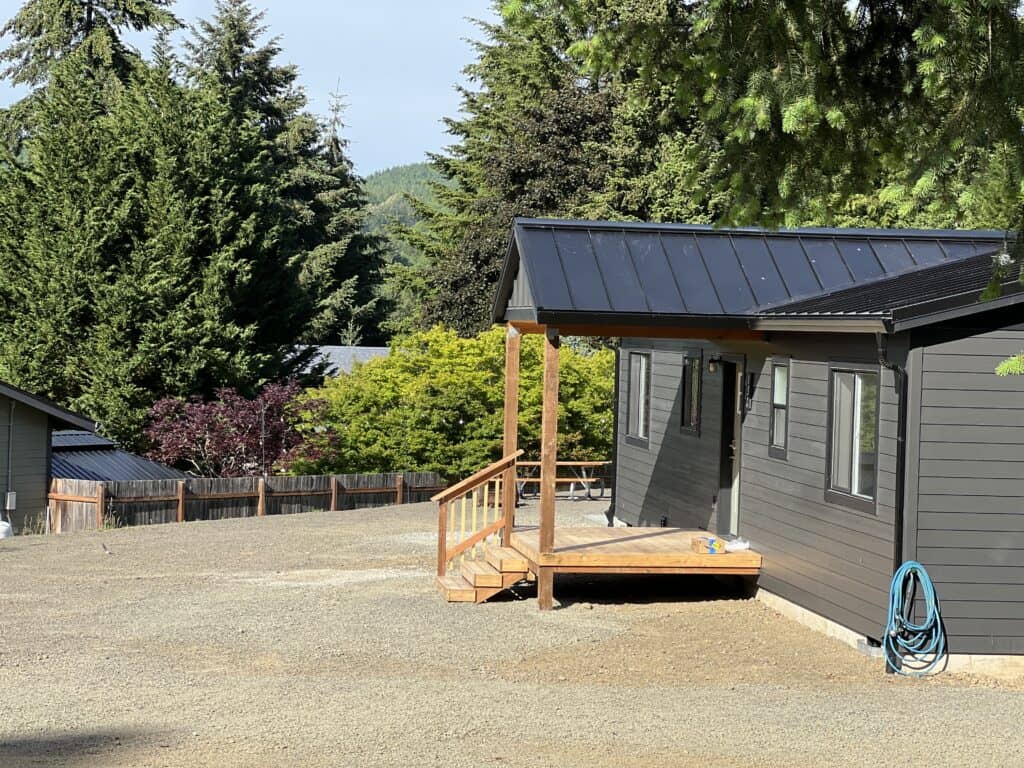
An accessory dwelling unit, commonly called an ADU, is an independent home located on the same property as a primary residence. It normally includes its own kitchen, bathroom, living area, sleeping space, heating, and utilities.
Washington describes an ADU as a self-contained living space located within or on the same property as a principal dwelling. State law has also expanded opportunities for ADUs on residential properties within urban growth areas, although local zoning, building, utility, access, and site requirements still apply.
For Walla Walla property owners, an ADU can provide several long-term benefits.
Housing for Aging Parents
Do you want your parents close by but cannot find a comfortable and affordable home nearby?
An ADU can give parents their own private living space while keeping them close to family. They can maintain greater independence without being across town or several hours away.
Wolf offers home designs that can include accessibility-minded features, making a modular ADU a practical option for families planning for changing mobility needs.
Additional Rental Income
Would you like to invest in real estate without purchasing another full-sized property?
Building an ADU may allow you to create a second rentable residence on land you already own. Instead of taking on the cost of buying another property, you may be able to make better use of your existing backyard or acreage.
Rental use is still subject to local regulations. For example, Walla Walla has separate requirements governing short-term rentals, so homeowners should determine their intended use early in the planning process.
Private Space for Family and Guests
Do family visits leave everyone crowded into spare bedrooms and living rooms?
A detached ADU provides a private place for children, grandchildren, extended family, or guests. It creates separation without putting unnecessary distance between family members.
Flexible Long-Term Housing
An ADU can change as your family’s needs change. A home initially used for guests might later house an aging parent, an adult child, a caregiver, or a long-term tenant.
That flexibility can make an ADU one of the most useful improvements you make to your property.
Why Choose a Modular ADU?
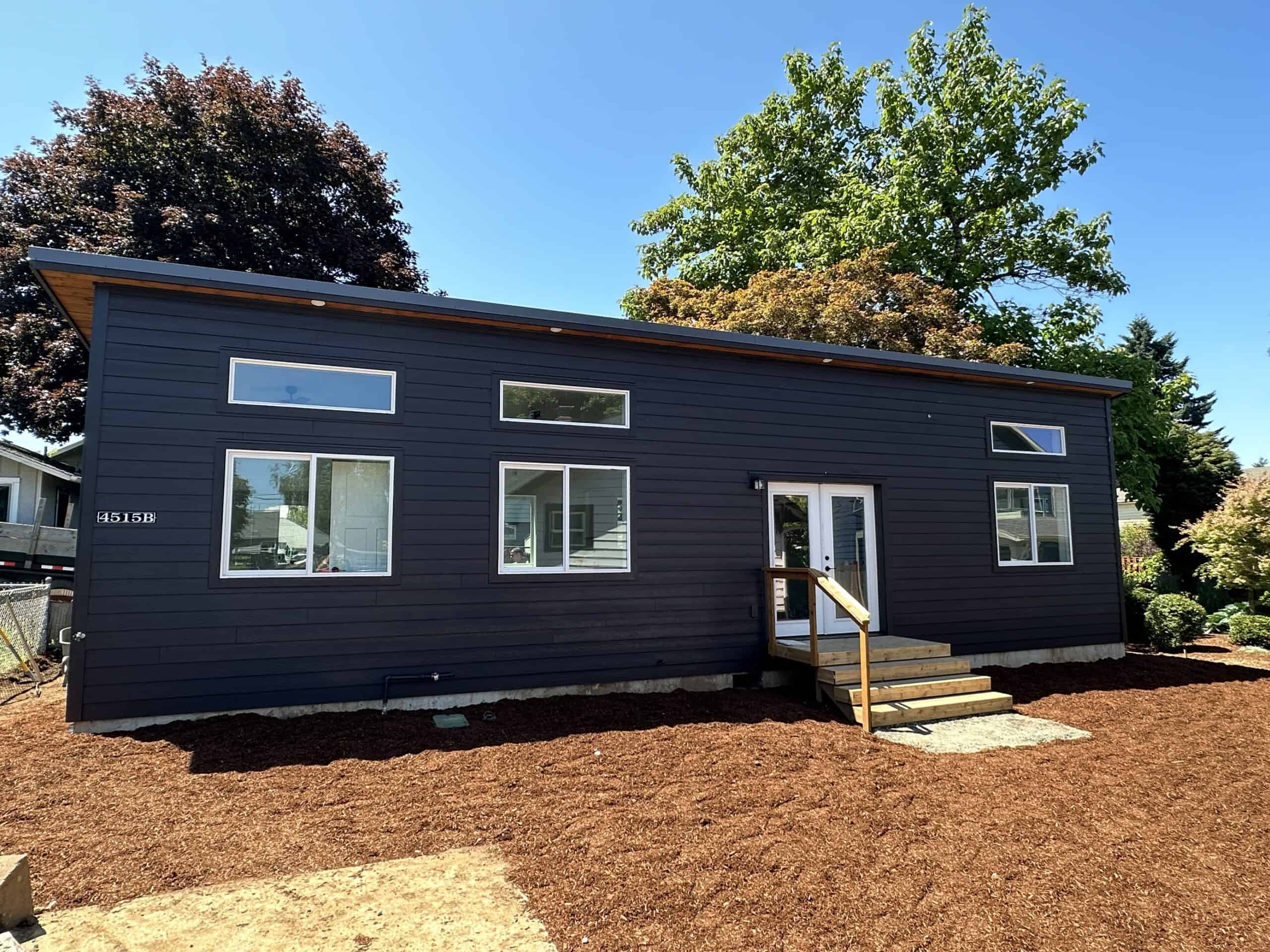
More Consistent Construction Conditions
A site-built home may be exposed to rain, wind, heat, dust, mud, and changing jobsite conditions throughout construction.
A Wolf modular ADU is built inside a controlled production facility. Materials, tools, workers, and inspections are brought together in one organized environment.
Factory production includes framing, mechanical systems, electrical work, plumbing, siding, roofing, drywall, painting, cabinets, countertops, trim, and finishing work. The home also goes through required inspections during production.
Sitework and Home Construction Can Overlap
With conventional construction, many tasks happen one after another. The foundation must be ready before framing begins. Framing must be completed before mechanical work. Interior finishes cannot start until the building is enclosed.
Modular construction allows more work to happen at the same time. While the home is being built in the factory, portions of the permitting, utility planning, excavation, foundation preparation, and other site-related work can move forward.
This parallel approach can reduce the amount of time your property functions as an active construction site.
Less Construction Disruption at Your Home
Would you rather avoid having months of material deliveries, saws, dumpsters, subcontractors, and weather delays in your backyard?
Because most of the house is completed at the factory, the amount of construction performed on your property can be significantly reduced. Sitework is still required, but the structure arrives substantially complete and is installed on its prepared foundation.
A Repeatable, Organized Building Process
ADUs may be small, but they are still complete homes. They require careful planning, code-compliant construction, utility connections, inspections, and coordination.
Wolf’s modular process has been developed through more than 600 completed ADUs and modular homes across the Pacific Northwest. Each project adds to the company’s experience with different lots, jurisdictions, delivery routes, utility conditions, foundations, and customer needs.
Wolf’s Turn-Key ADU Process in Walla Walla
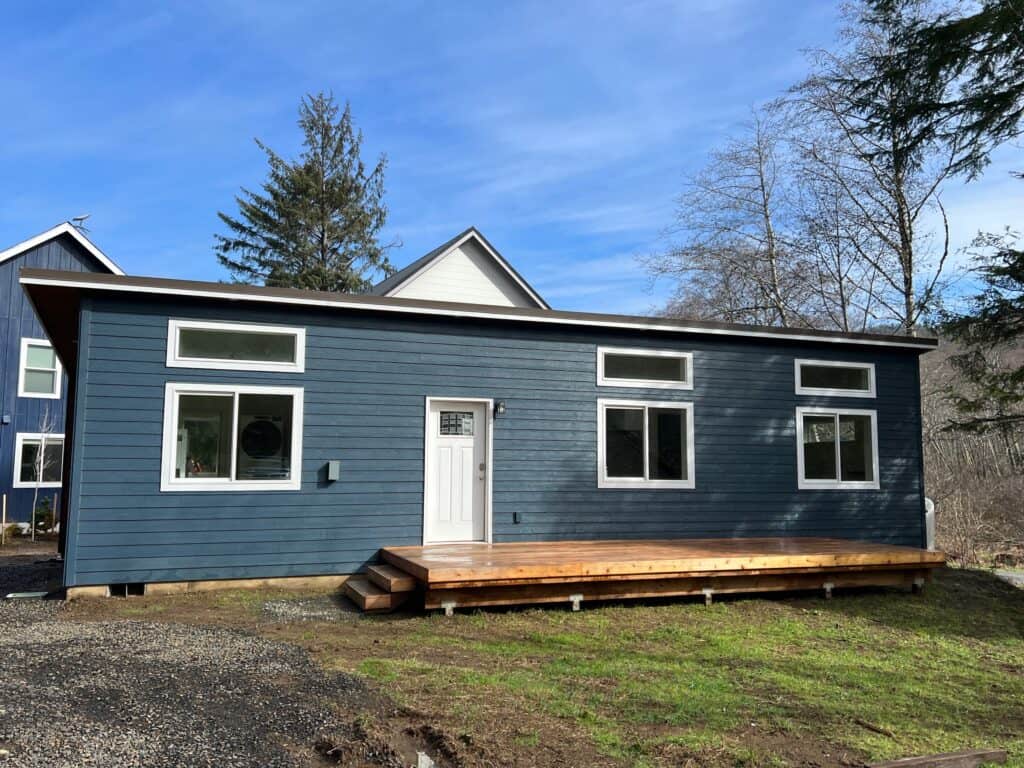
Choosing the home is only one part of an ADU project.
What about zoning? Can the delivery truck reach the building site? Where will the foundation go? Is there enough room around existing structures? How will the ADU connect to water, sewer, septic, power, and other utilities?
Wolf’s turn-key process is designed to address the entire project rather than leaving the homeowner to coordinate each phase alone.
1. Free Property Evaluation
Before choosing finishes or committing to a floor plan, you need to understand your property.
Wolf’s Free Property Evaluation can help identify important early considerations, including:
- Zoning and jurisdiction
- Potential ADU placement
- Property access
- Delivery feasibility
- Existing structures
- Utility availability
- Slopes and grading
- Foundation considerations
- Trees and other site obstacles
- General project next steps
The City of Walla Walla handles permitting and inspections for new construction and other development activity through its Development Services department. Requirements can vary based on the parcel, project location, zoning, utilities, and proposed design.
That is why the best first step is not selecting a home based only on square footage. It is determining what your property can realistically support.
Request your Free Property Evaluation and let Wolf help you understand the possibilities before you spend money on detailed plans.
2. Project Review and Proposal
Once the property and project goals have been reviewed, Wolf can help match your needs with an appropriate home model.
During this stage, the team discusses:
- How you intend to use the ADU
- Desired number of bedrooms and bathrooms
- Accessibility needs
- Model selection
- Available options and finishes
- Property-specific site requirements
- Permitting expectations
- Delivery and installation
- Preliminary project pricing
- Anticipated project schedule
The resulting proposal identifies the home and the additional services needed to complete the project.
Wolf’s listed model prices are for the home itself. Delivery, installation, permits, utility fees, and sitework depend on the conditions of the individual property.
3. Permitting and Site Planning
Permitting is one of the biggest concerns homeowners have when considering an ADU.
What needs to be submitted? Who prepares the site plan? What happens when the jurisdiction requests revisions? How are utility connections addressed?
When Wolf’s permitting services are included, the team can help assemble the project file, develop required plans, coordinate utility information, prepare the permit packet, submit it to the jurisdiction, and respond to requested corrections.
Wolf’s permitting process may include:
- Property and zoning research
- Site planning
- Erosion-control planning
- Utility coordination
- Stormwater planning
- Permit-document preparation
- Application submission
- Jurisdiction comments and corrections
- Resubmittals when required
Instead of trying to navigate the process alone, the homeowner has a team experienced in moving modular ADU projects from concept toward approval.
4. Sitework and Foundation Preparation
Every property is different.
One backyard may be flat with nearby utilities and easy street access. Another may require grading, tree removal, an extended utility trench, drainage work, or special delivery planning.
Wolf evaluates those conditions and develops a site-specific plan. Depending on the project, the work may include:
- Clearing and excavation
- Grading
- Foundation installation
- Water and sewer connections
- Septic coordination
- Electrical service
- Drainage or stormwater improvements
- Access preparation
- Concrete flatwork
- Porches, steps, or landings
This is why a generic online ADU price cannot tell you the full cost of completing a home on your property.
5. Factory Construction
Once the project is ready for production, the home is constructed inside Wolf’s manufacturing facility.
An organized factory environment provides consistent access to equipment, materials, supervisors, tradespeople, and quality-control processes. The home progresses through defined production and inspection stages before it leaves the facility.
Rather than asking homeowners to manage numerous subcontractors, Wolf coordinates the work required to build the modular portion of the home.
6. Delivery and Installation
After factory production and site preparation are complete, the ADU is transported to the property.
Delivery requires more than putting a house on a truck. The team must consider road conditions, turns, overhead obstacles, property access, staging space, equipment placement, and the route from the public road to the foundation.
Wolf’s property evaluation helps identify these concerns early, before they become expensive surprises.
The home is then installed on the prepared foundation and secured according to the engineered installation requirements.
7. Utility Connections, Inspections, and Completion
After installation, the field team completes the remaining work needed to make the ADU ready for occupancy. This can include utility connections, testing, exterior and interior completion work, cleaning, documentation, and coordination of final inspections.
Wolf’s process continues through the final stages of the project, including the handoff after final occupancy approval is granted.
The goal is straightforward: a completed home and a set of keys, not an unfinished structure surrounded by a list of contractors the homeowner still needs to find.
Wolf’s published process includes site preparation, foundation installation, home delivery, installation, utility testing, final cleaning, project documentation, warranty commencement, and the final key handoff.
What Determines Whether an ADU Will Work on Your Property?
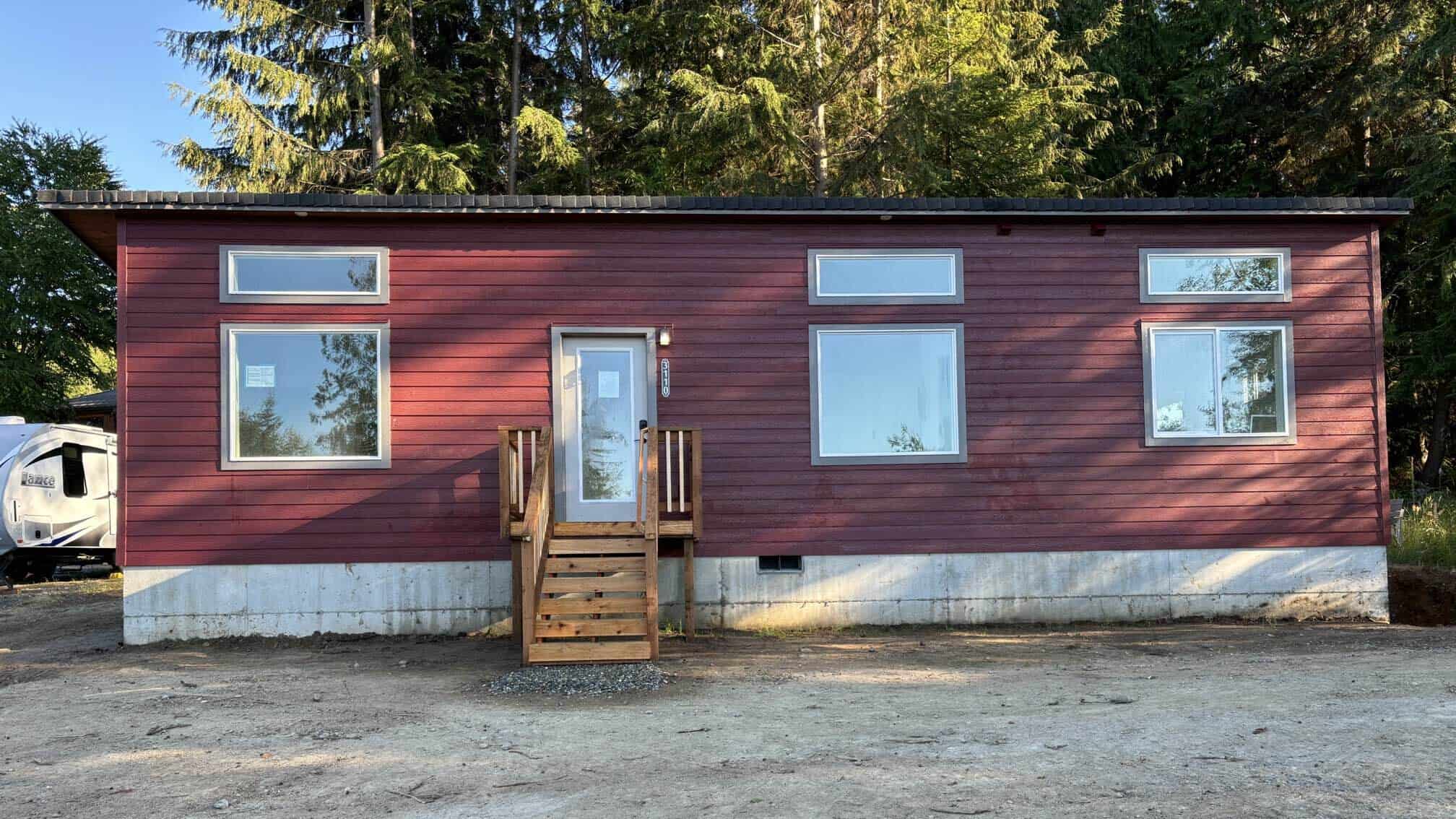
Searching for an ADU builder in Walla Walla is an important first step, but the answer ultimately depends on your parcel.
Important considerations may include:
Local Jurisdiction
Properties within the City of Walla Walla may follow different procedures than properties in unincorporated Walla Walla County or nearby communities.
The correct jurisdiction determines which zoning, building, utility, and land-use requirements apply.
Lot Size and Existing Development
The location of your primary home, garage, driveway, easements, trees, septic system, and other improvements affects where an ADU might fit.
Setbacks and Lot Coverage
The proposed home and foundation must comply with applicable setbacks, lot coverage, and other development standards.
County regulations may also require an ADU and primary residence to meet the lot coverage and setback requirements of the applicable zone, along with water and sewer or septic requirements.
Water, Sewer, or Septic Capacity
A second dwelling creates additional demand on the property’s utility systems. The project may require new connections, upgraded service, utility extensions, or septic review.
Delivery Access
A modular home must be transported from the factory to the prepared foundation. Narrow roads, tight corners, bridges, overhead utilities, trees, fences, slopes, and neighboring structures can affect delivery.
Intended Use
Will the ADU house family, become a long-term rental, provide guest accommodations, or serve another purpose?
The intended use influences floor-plan selection, accessibility choices, parking considerations, privacy, and utility planning.
Modular Homes Are Not Manufactured Homes
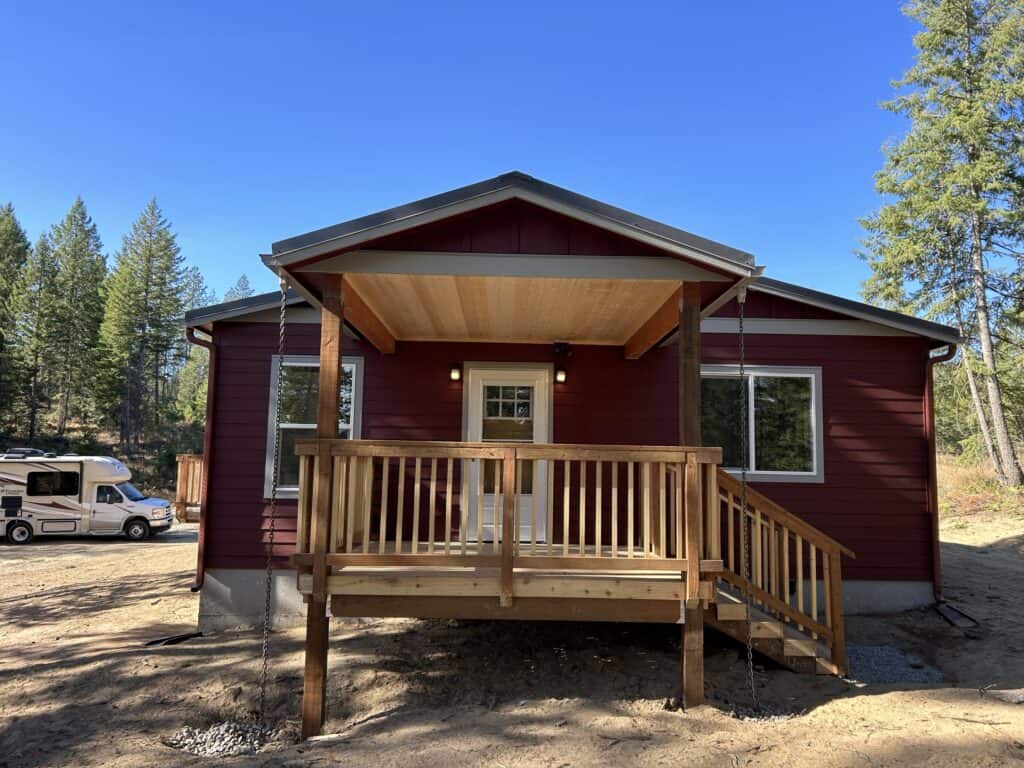
One common misconception is that every home built in a factory is a manufactured home. That is not the case.
Wolf builds modular homes using residential construction standards. The home is constructed in the factory, inspected during production, transported to the property, and permanently installed on an approved foundation.
The modular method changes where much of the construction occurs. It does not turn the house into a temporary structure. For homeowners who want a compact home that feels permanent, durable, and residential, this distinction matters.
Choosing the Right Walla Walla ADU Builder
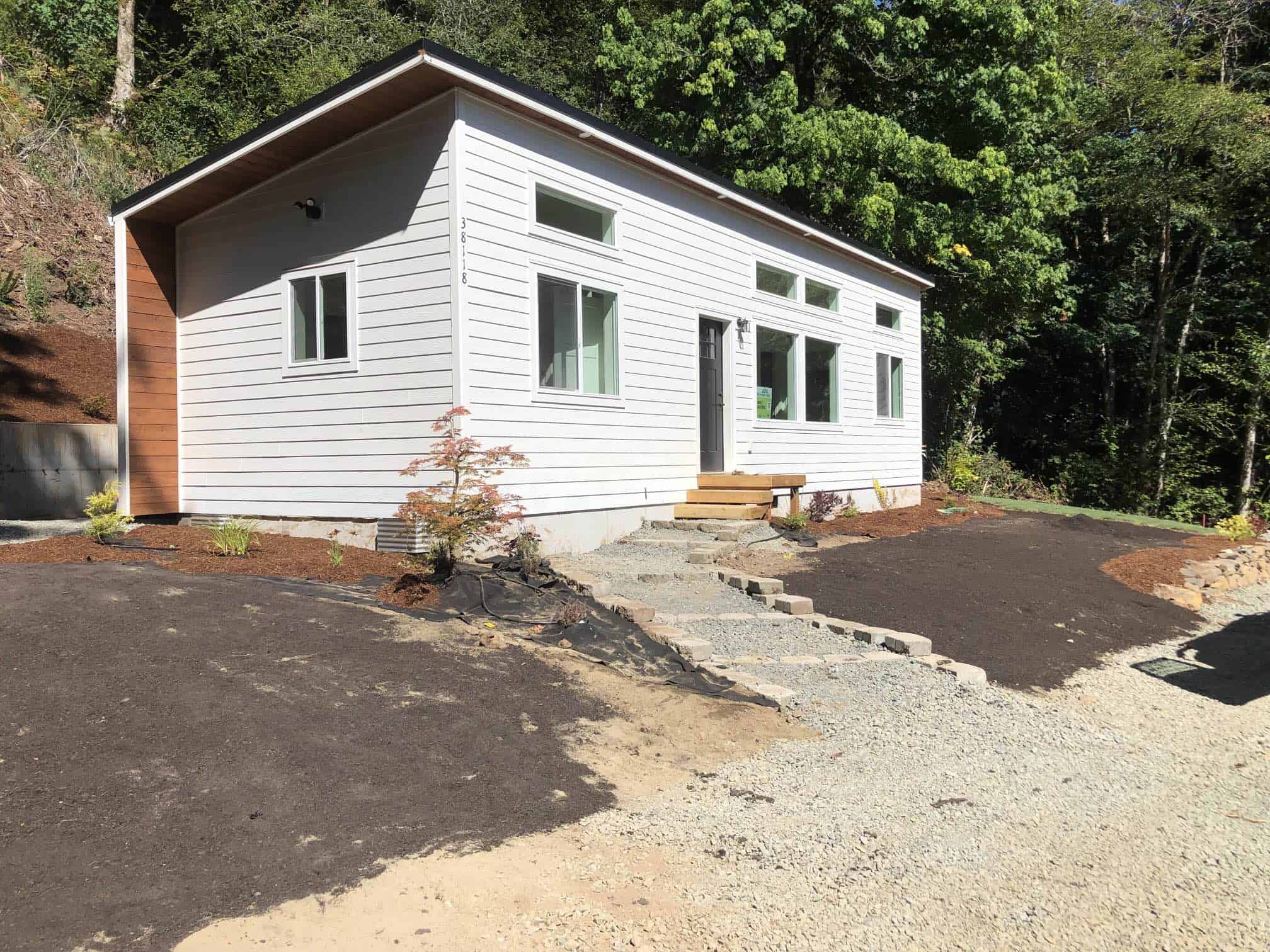
Before selecting an ADU contractor, ask several important questions:
- Does the company build the home itself?
- Does it have experience with completed ADU projects?
- Can it evaluate delivery access?
- Can it assist with permitting?
- Can it complete the foundation and sitework?
- Can it coordinate utility connections?
- Will it remain involved through final inspections?
- Who is responsible when a correction or unexpected site issue occurs?
- Will you receive a completed home or only a structure delivered to the property?
A low home price means little when it excludes the services needed to make that home legally occupiable.
Wolf’s turn-key approach gives Walla Walla homeowners one experienced team to help coordinate the project from initial property research through the final handoff.
Start With a Free Walla Walla Property Evaluation
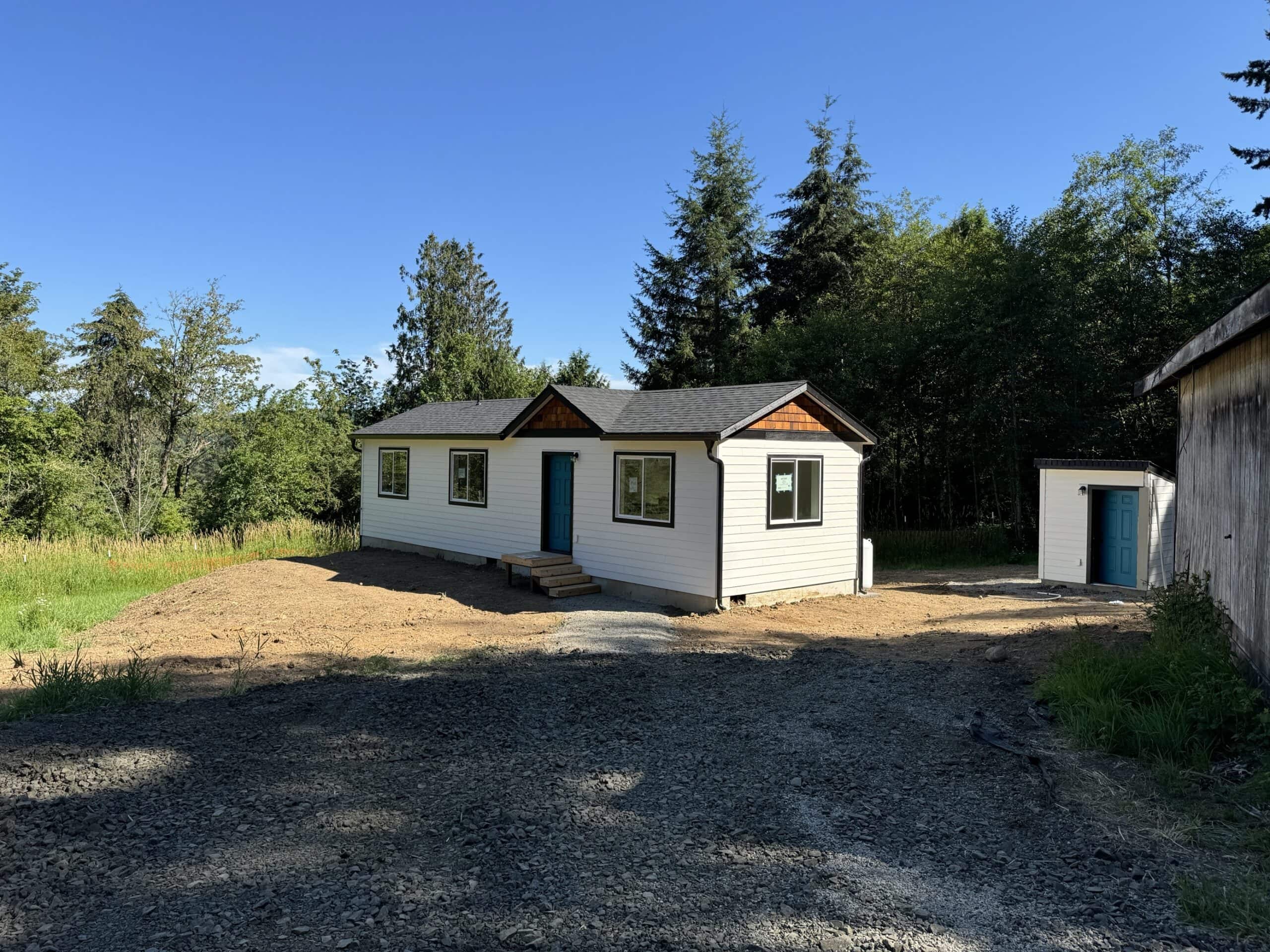
Do you want to build a small rental home, create private housing for your parents, add space for family, or simply find out whether an ADU is possible?
Do not begin by guessing which model fits. Begin with the property.
Wolf’s Free Property Evaluation is the best way to learn what may be possible at your address. The Wolf team can review the property, identify major feasibility considerations, and help you understand the next steps.
Wolf Industries has built over 600 modular homes and ADUs throughout the Pacific Northwest, including many in the Walla Walla area. With an experienced team handling the home, permitting, sitework, delivery, setup, utilities, and project completion, you do not have to coordinate the process alone.
Find out what your Walla Walla property could become, start your Free Property Evaluation today.