
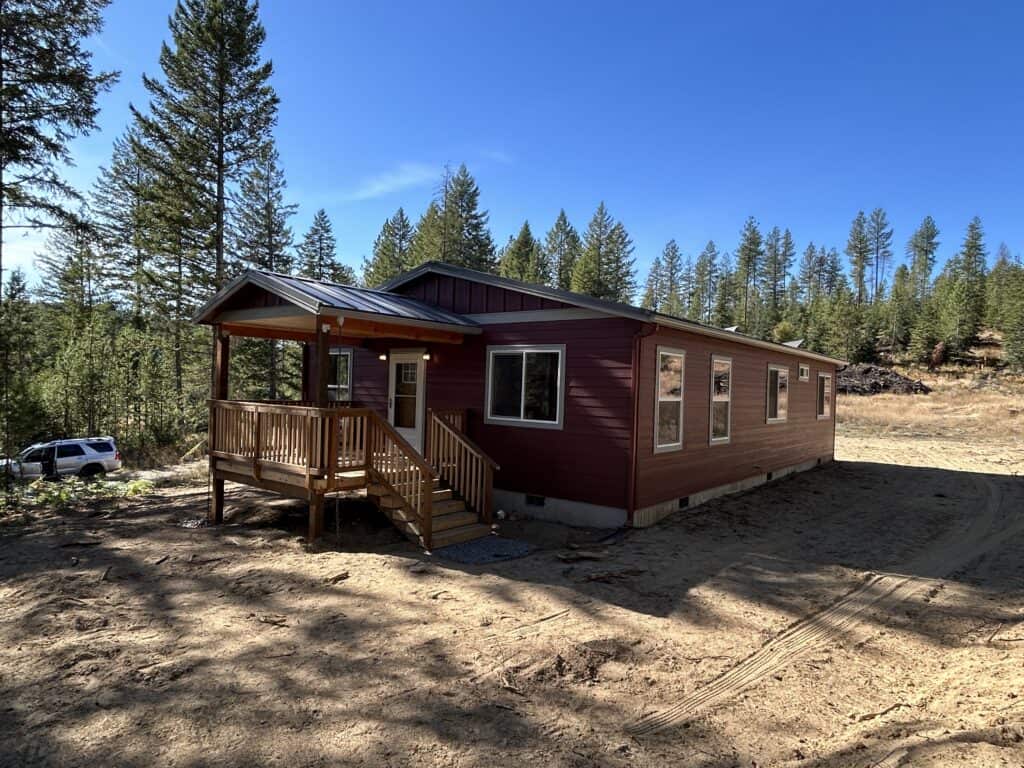
Building an ADU in Lincoln County, Oregon sounds simple at first. You have land. You have a primary home. You want to add a smaller second home for family, rental income, guests, aging parents, or long-term flexibility. Then the questions start.
Is your property inside an Urban Growth Boundary? What zoning rules apply? Does Lincoln County allow a detached ADU on your lot? How large can it be? What happens if your property is near Lincoln City, Newport, or Toledo? What if you are thinking about converting a garage, basement, or attic? Can you use the ADU as a short-term rental?
It is important to understand ADU Rules and Regulations in Lincoln County OR before you spend money on plans, engineering, site work, or construction.
The good news is that ADUs are possible in parts of Lincoln County. The harder truth is that not every property is treated the same. Your zoning, location, utilities, septic capacity, setbacks, lot coverage, building height, access, and whether you are inside a city Urban Growth Boundary can all affect what you are allowed to build.
At Wolf Industries, we have built over 600 ADUs and modular homes throughout the Pacific Northwest, including many builds on the Oregon coast. We know that the smartest first step is not guessing. It is getting a real property evaluation before you get too deep into the project.
That is why Wolf offers a free property evaluation to help you understand what may be possible on your specific property, including zoning, access, utilities, delivery feasibility, and next steps.
What Counts as an ADU in Lincoln County?
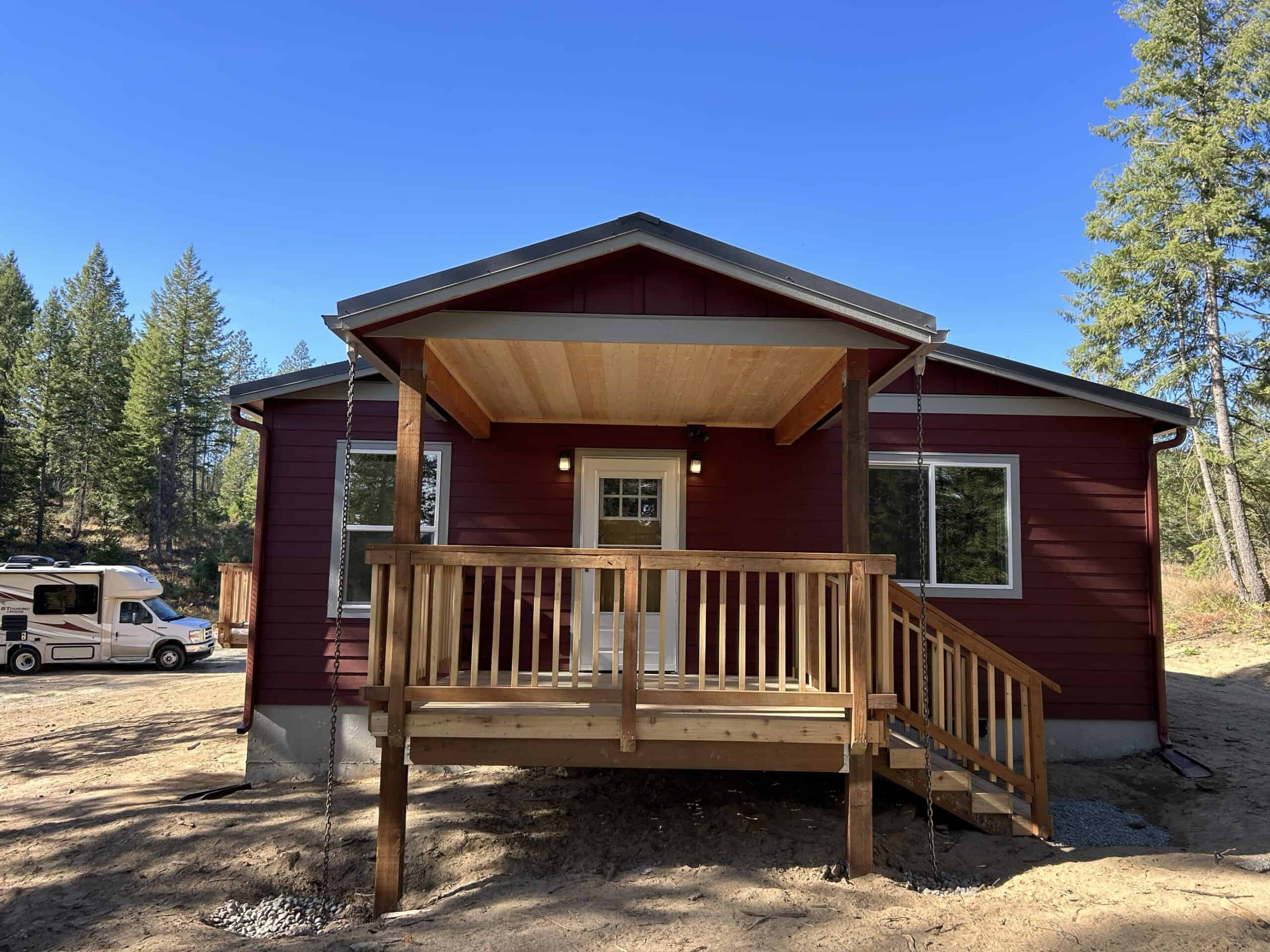
Lincoln County’s ADU standards come from Ordinance #507, which amended the Lincoln County Code to address accessory dwelling units.
Under Lincoln County’s adopted definition, an Accessory Dwelling Unit, or ADU, is an interior, attached, or detached residential structure that is used in connection with, or accessory to, a single-family dwelling. Lincoln County also states that a maximum of one ADU is allowed per legal single-family dwelling.
That means an ADU is not just a shed with a bed in it. It is a real residential structure. It may be inside the main home, attached to the main home, or detached from the main home, but it must function as an accessory dwelling connected to a legal single-family dwelling.
This is important because many property owners use terms like tiny home, guest house, backyard cottage, in-law suite, garage apartment, or secondary unit interchangeably. In the eyes of zoning and permitting, the label is less important than how the structure is used, where it is placed, how it is built, and whether it meets the applicable ADU standards.
The Big Rule: Lincoln County ADUs Are Generally Tied to Urban Growth Boundaries
One of the most important rules in Lincoln County is that ADUs are allowed only within Urban Growth Boundaries under Lincoln County’s ADU standards.
Lincoln County Ordinance #507 added LCC 1.1540, which states that an ADU is allowed only within Urban Growth Boundaries. It also states that all county requirements for water service and sewage disposal, whether septic or sanitary sewer, must be met. This is the point where many property owners get tripped up.
A parcel may have a Lincoln County address. It may be residential. It may already have a house. It may even look like it has plenty of room for another structure. But if it is not in the right zoning area or not within an applicable Urban Growth Boundary, an ADU may not be allowed under the standard Lincoln County ADU path.
That is why the first question is not, “Which model do I like?” The first question is, “What does my property legally allow?”
Wolf’s free property evaluation helps you start there. Instead of trying to interpret zoning maps and county code on your own, you can have Wolf review your property and help you understand whether an ADU may be feasible before you invest in the wrong direction.
ADUs in R-1, RR-2, RR-5, and RR-10 Zones
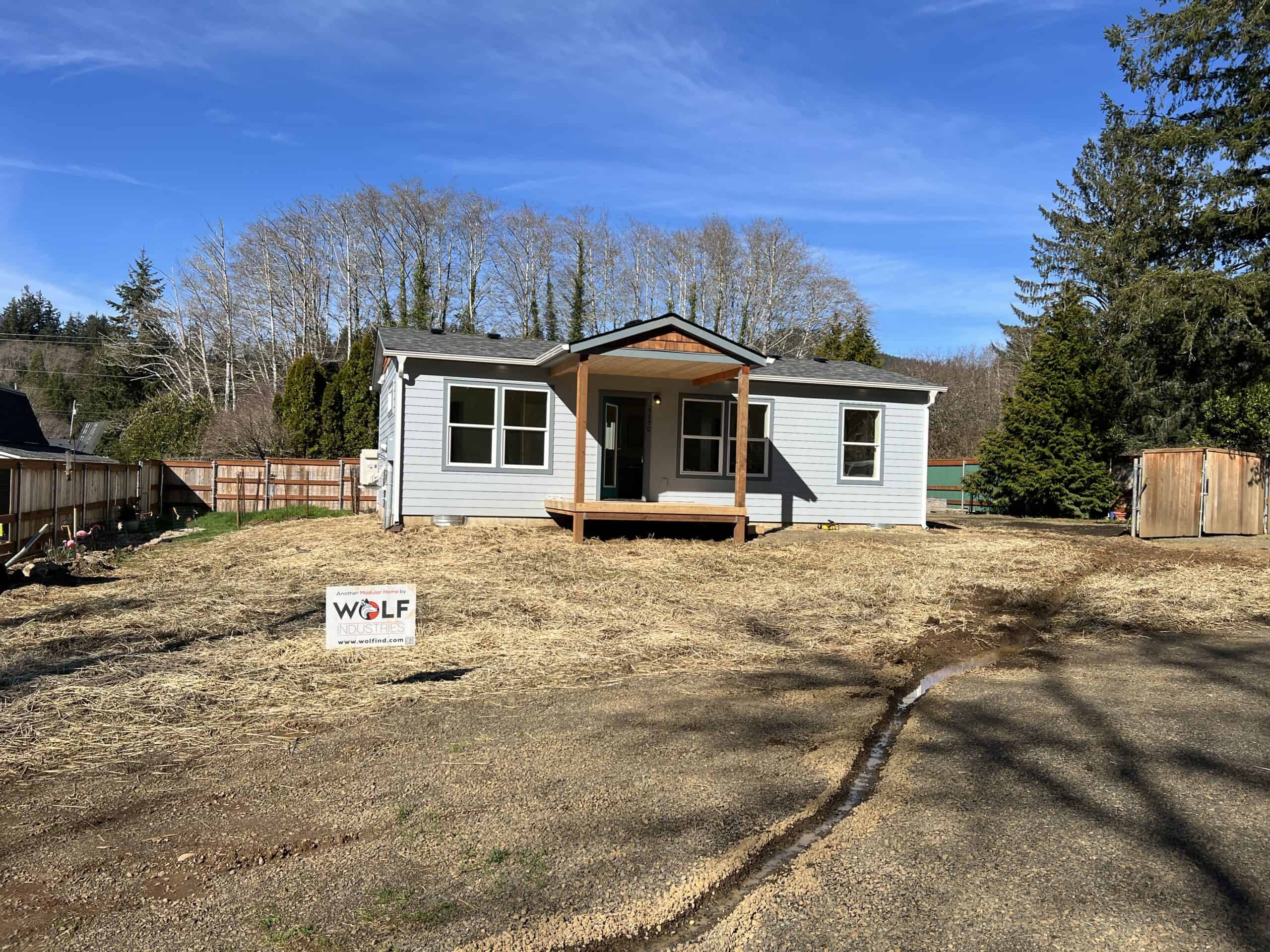
Lincoln County Ordinance #507 amended several residential and rural residential zones, including R-1, RR-2, RR-5, and RR-10, to allow ADUs within established Urban Growth Boundaries only, subject to LCC 1.1540 Accessory Dwelling Unit Standards.
That does not mean every R-1, RR-2, RR-5, or RR-10 property automatically qualifies. The Urban Growth Boundary requirement still matters. So do other development standards, utilities, septic, access, and site constraints.
For example, Lincoln County’s general R-1 residential zone handout lists standards such as a 6,000-square-foot minimum lot size in urbanized areas with public water and sewer, a 20-foot front yard setback, a 10-foot rear yard setback, side yard setbacks of 5 feet or one-third the building height, a 30-foot maximum building height, and a 30 percent maximum lot coverage guideline. The county notes that these summaries are general in nature and applicants should refer to the Lincoln County Development Code for complete requirements.
For ADU planning, that means the size of the ADU is only one piece of the puzzle. The home also needs to fit within setbacks, lot coverage limits, height limits, access requirements, utility requirements, and any additional standards that apply to the property.
ADU Size Limits in Lincoln County
For Urban Growth Boundary areas where no city ADU standards apply, Lincoln County’s Ordinance #507 sets clear size limits.
A detached ADU may not exceed 800 square feet of floor area, or 75 percent of the primary dwelling’s floor area, whichever is smaller.
An attached or interior ADU also may not exceed 800 square feet of floor area, or 75 percent of the primary dwelling’s floor area, whichever is smaller.
There is one important exception. If the ADU is created by converting an entire level or floor of the primary dwelling, such as a basement, attic, or second story, the ADU may occupy the entire level or floor even if that space is more than 800 square feet.
That exception can matter for property owners who are considering converting existing space instead of adding a new detached structure. But it does not mean conversions are automatically easy. Existing spaces often need to meet current building code requirements for living space, which can involve ceiling height, windows, stairs, insulation, electrical, plumbing, fire separation, and other code issues.
Do ADUs Require Additional Parking in Lincoln County?
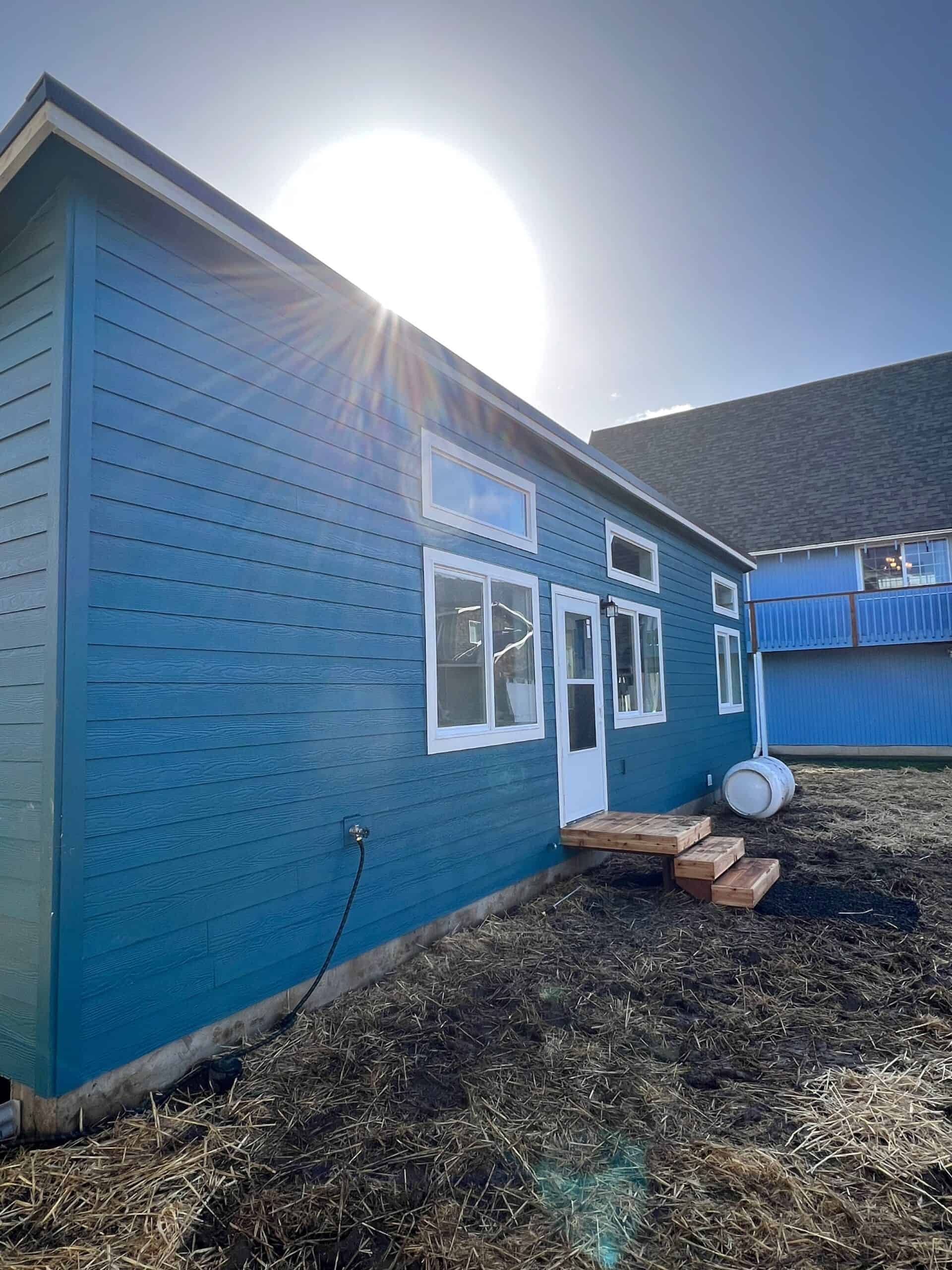
For ADUs governed by Lincoln County’s Ordinance #507 standards, no additional off-street parking is required for an ADU.
This matches Oregon’s broader ADU policy direction. Oregon guidance explains that local governments may not mandate additional off-street parking for ADUs in the covered urban growth boundary areas. Oregon law also states that reasonable local regulations relating to siting and design do not include owner-occupancy requirements or requirements to construct additional off-street parking.
That said, parking can still matter for site planning. Driveway access, fire access, safe movement around the property, and city-specific standards may still affect the project. If the ADU is being used as a short-term rental, different short-term rental operating standards may also apply.
Lincoln City, Newport, and Toledo Urban Growth Boundaries May Use City Standards
Lincoln County’s ADU rules include an important detail for properties inside certain Urban Growth Boundaries.
For an ADU within the Lincoln City Urban Growth Boundary, the Lincoln City Municipal Code standards for ADU uses apply. If there is a conflict between city standards and county standards, city standards are used.
The same is true for ADUs within the City of Newport Urban Growth Boundary and the Toledo Urban Growth Boundary. In those areas, the applicable city municipal code standards for ADU uses apply when there is a conflict.
This can be confusing for property owners because your property might be outside city limits but still inside a city Urban Growth Boundary. In those cases, you may need to understand both the county process and the city-related standards that apply to ADUs.
This is another reason a property-specific evaluation is so valuable. A generic answer about Lincoln County ADU rules may not be enough. The right answer depends on the exact property.
Water, Sewer, and Septic Requirements Matter
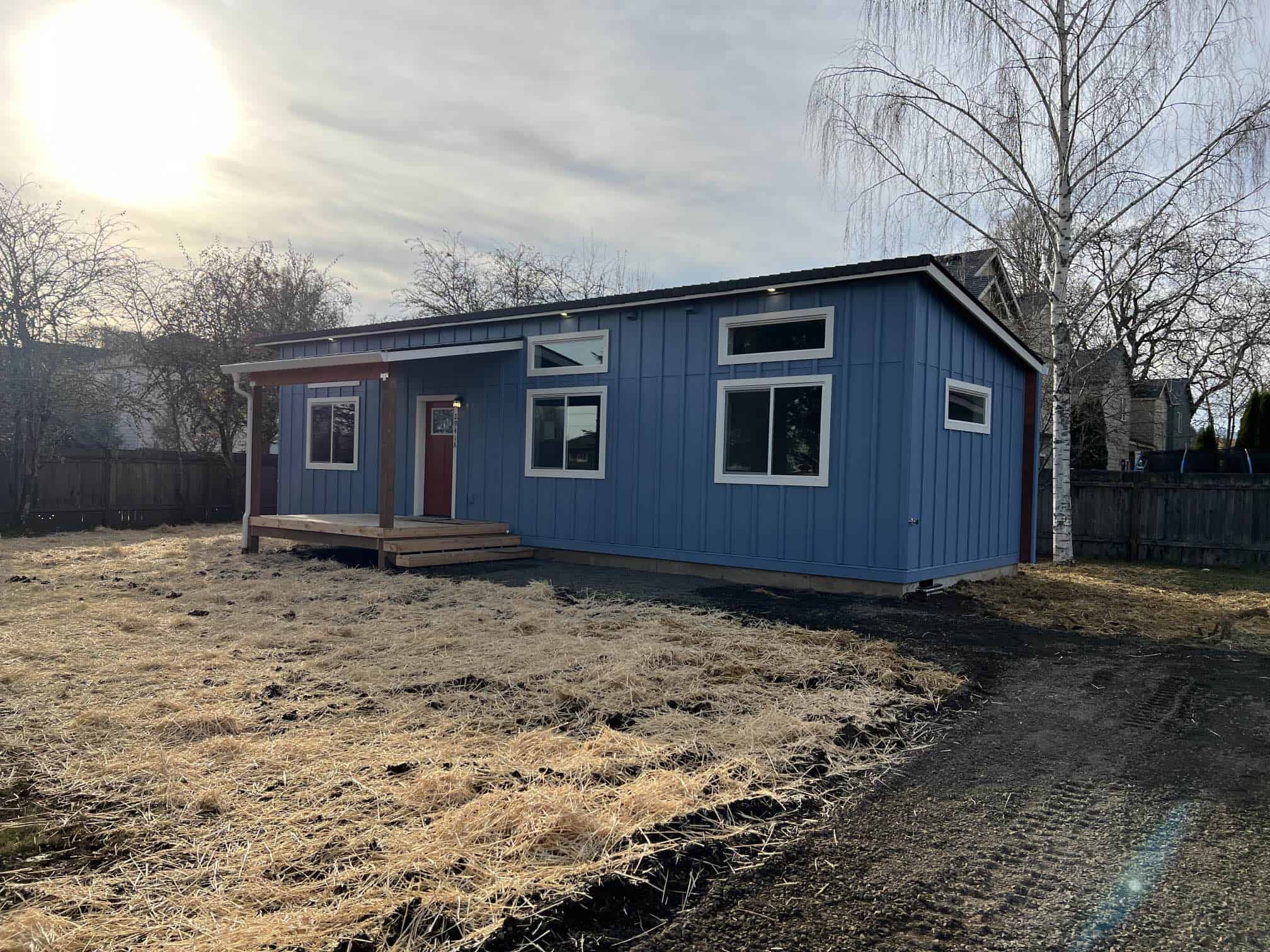
Lincoln County’s ADU standards state that all county requirements for water service and sewage disposal must be met. That includes septic or sanitary sewer, depending on the property. This is one of the biggest practical issues for ADUs in coastal and rural areas.
Even if zoning allows an ADU, the property still needs a legal way to serve it with water and wastewater disposal. If the property is on septic, the existing septic system may need to be evaluated to confirm whether it has capacity for the additional dwelling unit. If the property is on public sewer, connection rules and fees may apply.
Lincoln County’s building permit workflow also shows that after zoning clearance review, permits move through the Onsite Waste Management Division before moving to the Building Division for final review. That means wastewater approval is not an afterthought. It is part of the core approval path. This is where many projects change.
The lot may look buildable, but septic location, replacement area, drainfield capacity, setbacks from wells, slopes, wetlands, floodplain concerns, or other site conditions may affect where the ADU can go and whether it can be approved.
Wolf’s free property evaluation helps identify these issues early, before you fall in love with a floor plan that may not fit the property.
Short-Term Rental Rules Can Affect ADU Plans
Many property owners think about ADUs as potential rental units. In Lincoln County, it is important to separate long-term rental use from short-term rental use.
Measure 21-203 addresses short-term rental regulations in Lincoln County. The measure defines an ADU for that short-term rental chapter as a separate dwelling unit contained within or detached from a single-family dwelling on a single lot. It also states that a recreational vehicle is not and cannot be used as an ADU.
Measure 21-203 defines a long-term rental as renting a dwelling unit, including an accessory guest house on the same property, for compensation on a month-to-month basis or for 30 or more consecutive nights. Long-term rentals are exempt from regulation under that short-term rental chapter.
By contrast, a short-term rental is described as transient renting of a dwelling unit, including an accessory guest house on the same property, on a day-to-day basis or for up to 30 consecutive nights. The measure states that short-term rentals are deemed commercial lodging businesses equivalent to hotels and motels and are not residential uses.
Measure 21-203 also states that no new short-term rental licenses shall be issued in R-1-A, R-1, and R-2 zones in unincorporated Lincoln County. This matters because an ADU that works well for family use or long-term rental use may face very different rules if the owner’s goal is nightly or vacation rental income. Before you plan an ADU around short-term rental income, verify whether that use is allowed on your property.
Oregon ADU Rules Also Matter
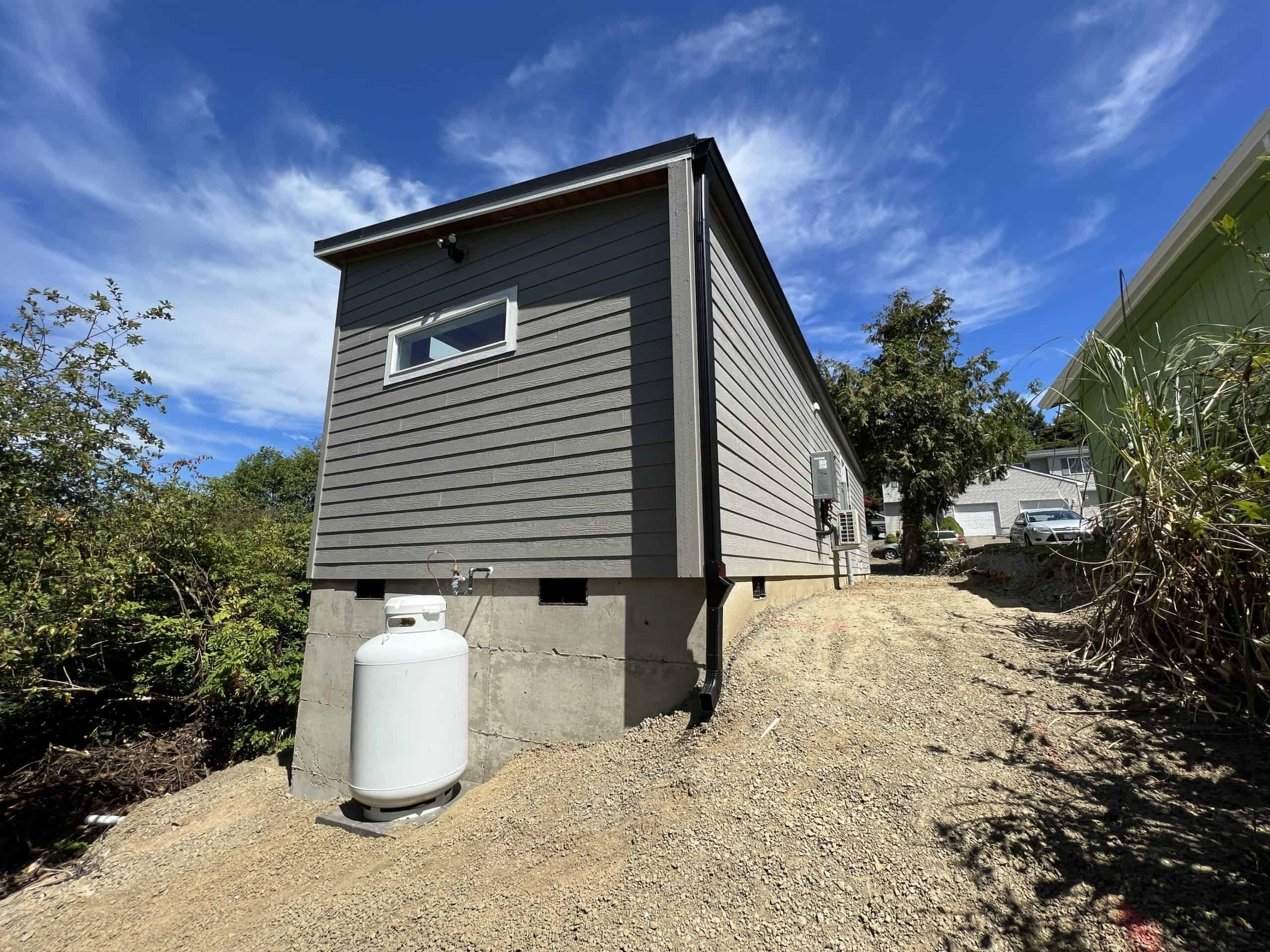
Lincoln County’s rules exist within a broader Oregon ADU framework.
Oregon guidance explains that cities with populations greater than 2,500 and counties with populations greater than 15,000 must allow at least one ADU for each detached single-family dwelling in areas within an Urban Growth Boundary that are zoned for detached single-family dwellings, subject to reasonable local regulations relating to siting and design.
Oregon law defines an ADU as an interior, attached, or detached residential structure used in connection with, or accessory to, a single-family dwelling. Oregon law also clarifies that reasonable local regulations relating to siting and design do not include owner-occupancy requirements for either the primary or accessory structure, or requirements to construct additional off-street parking.
However, Oregon law does not mean every rural parcel automatically gets an ADU. Oregon has separate provisions related to rural residential ADUs, and counties may have specific local adoption, limitations, and additional requirements. For Lincoln County property owners, the safest approach is to verify the exact property, zoning, and applicable local standards before assuming an ADU is allowed.
The Permit Process Starts With Zoning Clearance
Lincoln County’s Building Applications page and Zoning Clearance page explain that building permit applications now begin with the planning phase for Zoning Clearance review.
For properties in the unincorporated part of Lincoln County, customers are directed to apply through Oregon E-Permitting and submit the appropriate zoning clearance materials. The Planning Division reviews the project for zoning and land use conformance. The permit then moves through other review steps, including Onsite Waste Management when applicable and then Building Division review.
This process matters because an ADU is not just a building. It is a land use, zoning, utility, site planning, and construction project.
A strong ADU plan needs to answer questions like:
- What zoning applies to the property?
- Is the property inside an Urban Growth Boundary?
- Does a city Urban Growth Boundary standard apply?
- Is a detached, attached, or interior ADU allowed?
- How large can the ADU be?
- Does the structure fit setbacks, height limits, and lot coverage?
- Is there enough room for delivery and setup?
- Can the property support water and wastewater service?
- Are there septic limitations?
- Are there floodplain, slope, access, easement, or environmental constraints?
- Will the intended use be family housing, long-term rental, guest space, or short-term rental?
These are not questions you want to answer after buying plans or starting construction.
Why a Modular ADU Can Make Sense in Lincoln County
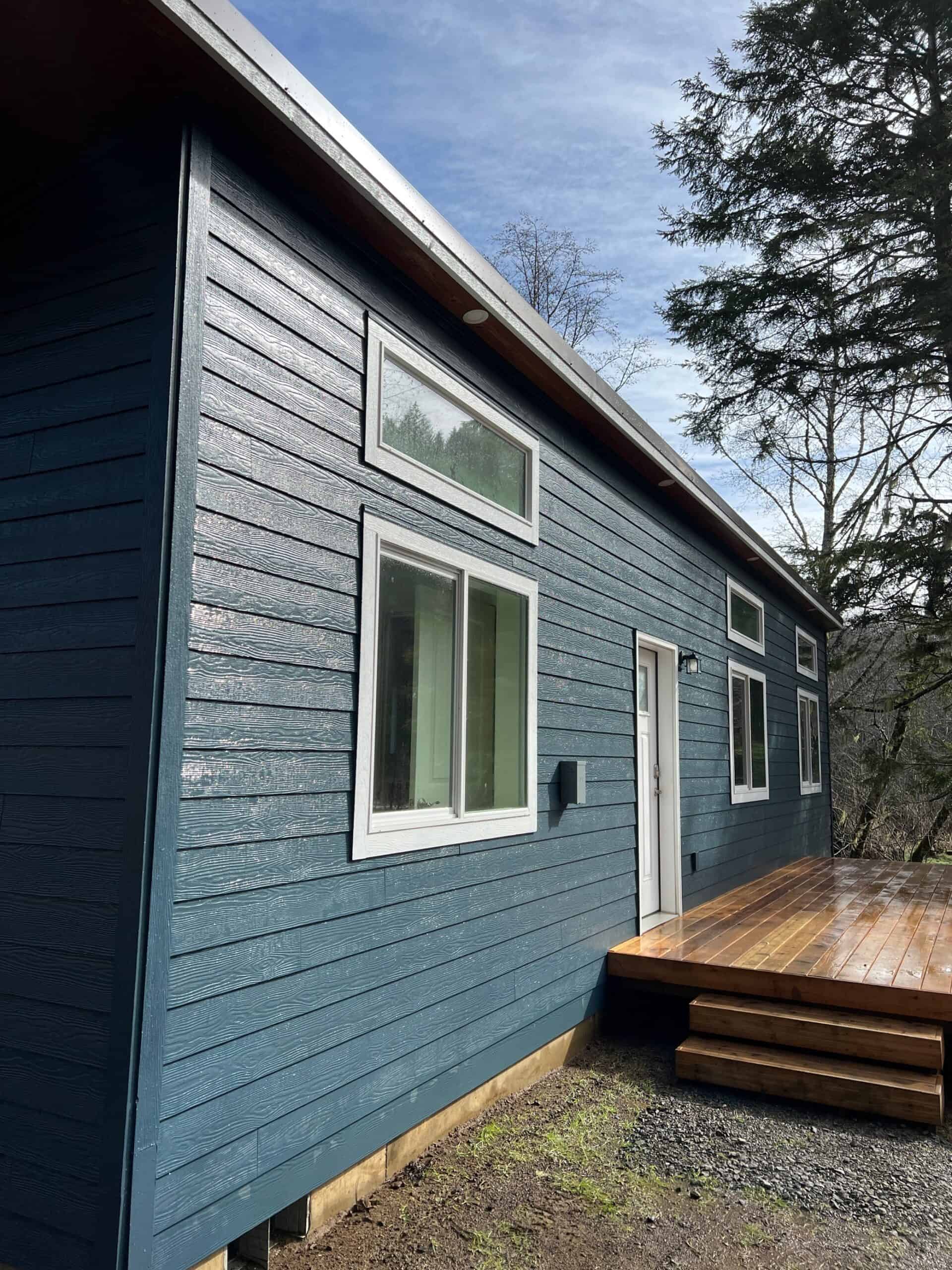
Lincoln County includes a mix of coastal properties, rural residential lots, small towns, wooded parcels, vacation communities, and established neighborhoods. Building in this kind of environment requires careful planning.
A modular ADU can be a strong fit because the home itself is built in a controlled environment, then delivered and set on the property. That can reduce some of the uncertainty that comes with fully site-built construction, especially in coastal areas where weather, labor availability, and site access can affect timelines.
But modular does not eliminate the need for proper planning. The ADU still needs to fit the site. It still needs permits. It still needs utility connections. It still needs a foundation. It still needs to meet applicable code. It still needs to be placed where the property can support it. That is why Wolf’s experience matters.
Wolf Industries has built over 600 ADUs and modular homes throughout the Pacific Northwest, including several on the Oregon coast. We understand that every property comes with its own constraints, and the best projects start by identifying those constraints before moving forward.
Start With a Free Property Evaluation Before You Guess
If you are searching for ADU Rules and Regulations Lincoln County OR, you are really trying to answer one big question:
“Can I actually build an ADU on my property?”
That answer depends on your specific property.
You can spend hours reading county code, looking at zoning maps, trying to understand Urban Growth Boundaries, and wondering whether your lot has enough room, utility capacity, or access.
Or you can start with Wolf’s free property evaluation.
Wolf can help review your property, look at zoning and feasibility, consider access and delivery, and help you understand what the next step may look like. It is one of the best ways to learn what is possible without guessing, overspending, or getting excited about a plan that may not work.
Schedule your free property evaluation with Wolf Industries today
Final Thoughts on ADU Rules and Regulations in Lincoln County, OR
ADUs can be a powerful way to add flexibility and value to a property in Lincoln County. They can create space for family, aging parents, long-term renters, guests, or future lifestyle changes.
But Lincoln County ADU rules are property-specific.
The big takeaways are clear:
- ADUs are generally tied to Urban Growth Boundaries under Lincoln County’s ADU standards.
- Lincoln County allows a maximum of one ADU per legal single-family dwelling.
- Detached ADUs are generally limited to 800 square feet or 75 percent of the primary dwelling’s floor area, whichever is smaller.
- Attached or interior ADUs follow the same size rule, with an exception for full-floor conversions.
- ADUs must meet water and sewage disposal requirements.
- Other development standards, such as height, setbacks, and lot coverage, still apply.
- No additional off-street parking is required for an ADU under Lincoln County’s ADU standards.
- Lincoln City, Newport, and Toledo Urban Growth Boundary areas may use city ADU standards.
- Garage, basement, and attic conversions still require permits and may involve significant building code issues.
- Short-term rental rules are separate and may limit how an ADU can be used.
The wrong first step is guessing. The right first step is finding out what your property can actually support.
Wolf Industries has helped hundreds of property owners throughout the Pacific Northwest move from confusion to clarity. If you are considering an ADU in Lincoln County, start with a free property evaluation and get a better understanding of what is possible before you make expensive decisions.
Sources
Lincoln County, Oregon: Common Zoning Requirements
https://www.co.lincoln.or.us/391/Common-Zoning-Requirements
Lincoln County, Oregon: Residential Zone R-1 Standards
https://www.co.lincoln.or.us/DocumentCenter/View/1033/Residential-Zone-R-1-PDF
Lincoln County, Oregon: Residential Zone RR-2 Standards
https://www.co.lincoln.or.us/DocumentCenter/View/1034/Residential-Zone-RR-2-PDF
Lincoln County, Oregon: Setbacks and Building Height Handout
https://www.co.lincoln.or.us/DocumentCenter/View/6702/Setbacks-and-Building-Height-Handout
Lincoln County, Oregon: Ordinance #507, Accessory Dwelling Unit Standards
https://co.lincoln.or.us/DocumentCenter/View/8092/507PDF
Lincoln County, Oregon: Converting Attics, Basements and Garages to Living Space
https://www.co.lincoln.or.us/DocumentCenter/View/5523/Converting-Attics-Basements-and-Garages-to-Living-Space-PDF?bidId=
Lincoln County, Oregon: Full Text of Measure 21-203
https://www.co.lincoln.or.us/DocumentCenter/View/548/November-2-2021—Full-Text-of-Measure-21-203-PDF
Lincoln County, Oregon: Building Applications
https://www.co.lincoln.or.us/337/Building-Applications
Lincoln County, Oregon: Zoning Clearance for Building Permit Applications
https://www.co.lincoln.or.us/1219/Zoning-Clearance-for-Building-Permit-App
Lincoln County, Oregon: Building Division
https://www.co.lincoln.or.us/336/Building-Division
Oregon Department of Land Conservation and Development: Guidance on Implementing the ADU Requirement Under Oregon Senate Bill 1051
https://www.oregon.gov/lcd/Publications/ADU_Guidance_updatedSept2019.pdf
Oregon Revised Statutes: ORS 197A.425 Accessory Dwelling Units
https://oregon.public.law/statutes/ors_197a.425
Oregon Revised Statutes: ORS 215.495 Accessory Dwelling Units
https://law.justia.com/codes/oregon/volume-06/chapter-215/section-215-495/