

Thinking about adding an ADU to your property in Wahkiakum County…but not sure what’s actually allowed?
You’re not alone. One of the biggest roadblocks property owners run into isn’t construction. It’s understanding the rules. And in a rural county like Wahkiakum, those rules can look very different than what you’ll see in larger cities across Washington.
Let’s break it down.
What Is an ADU in Wahkiakum County?
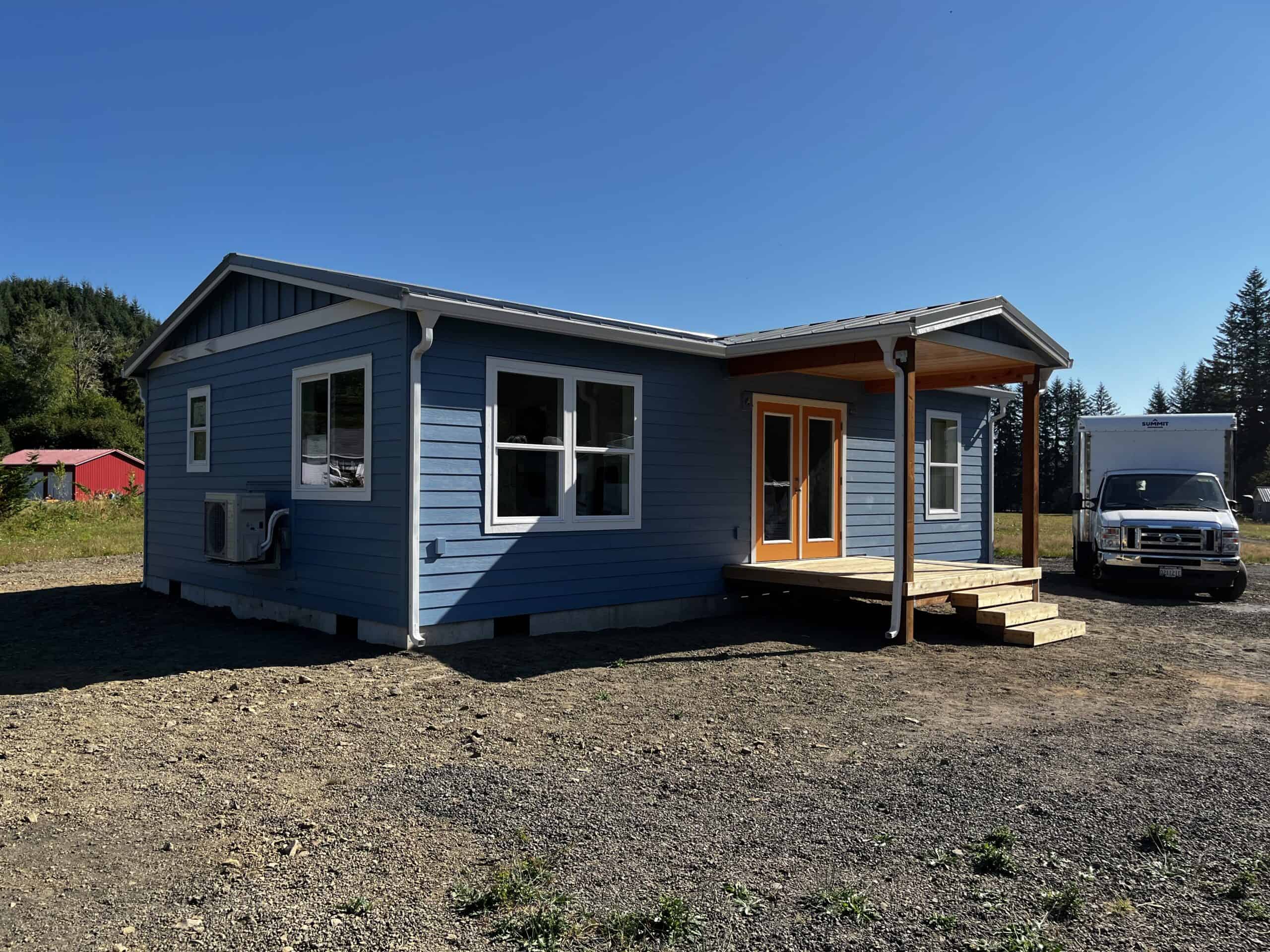
An Accessory Dwelling Unit (ADU) is a smaller, self-contained home located on the same lot as a primary residence. This could be:
- A detached backyard cottage
- An attached unit like a basement or addition
- A converted structure such as a garage
These units are commonly used for rental income, guest housing, or multigenerational living.
If you want help evaluating whether your property may be a fit, Wolf offers a free property evaluation to help you take the next step.
Are ADUs Allowed in Wahkiakum County?
Yes, but here’s where it gets important. Washington State generally supports ADU development, and many jurisdictions are required to allow them under state law.
However, Wahkiakum County is a rural county and may not fall under all of the same Growth Management Act (GMA) requirements as larger urban counties. That means local zoning regulations play a much bigger role in what is and isn’t allowed.
Bottom line: ADUs are typically allowed, but approval depends heavily on zoning and property-specific factors.
If you’re unsure whether your property qualifies, the best first step is a free property evaluation to determine what’s possible before investing time or money.
Key Zoning Considerations in Wahkiakum County
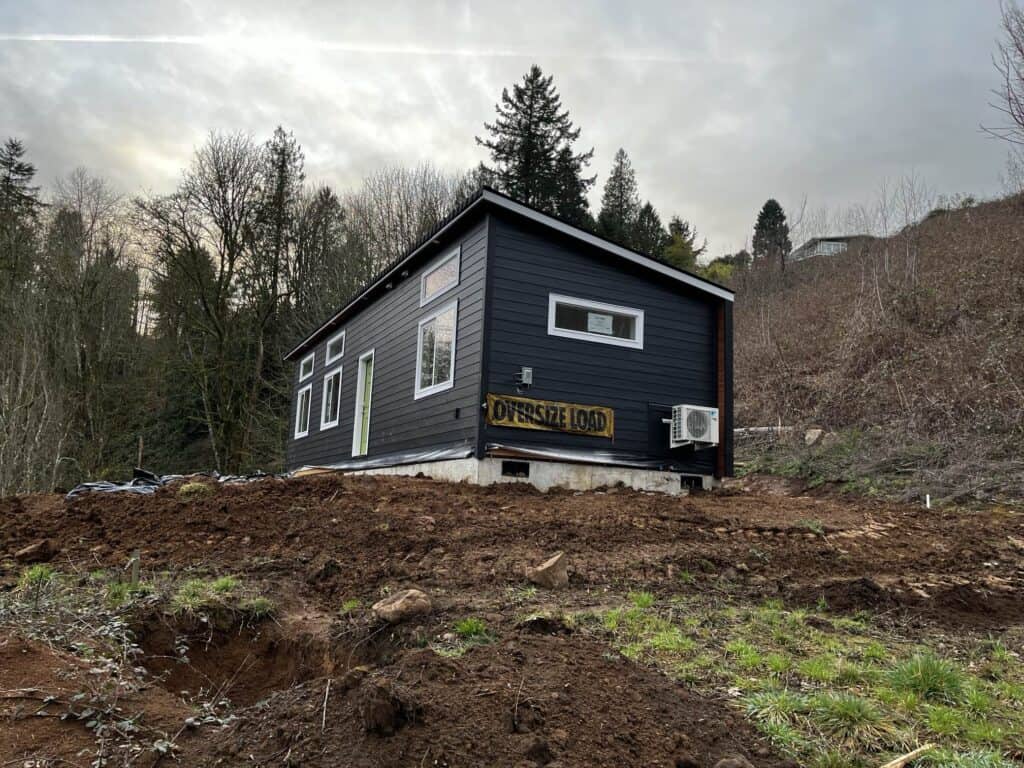
Unlike larger cities with clearly defined ADU ordinances, Wahkiakum County regulates ADUs through its broader zoning and land use code.
Here are the main factors that determine feasibility:
Zoning Designation
Your property’s zoning will dictate whether an ADU is permitted outright or requires additional review.
Rural residential and agricultural zones may allow ADUs, but often with stricter conditions than urban areas.
Conditional Use vs. Permitted Use
Some properties may require a conditional use permit, which adds time and review to the process.
Lot Size Requirements
Larger minimum lot sizes are common in rural counties, and your parcel must meet those thresholds before adding a second dwelling.
Setbacks and Placement
ADUs must comply with standard setback requirements for structures, including distance from property lines and other buildings.
Utility and Septic Requirements
In Wahkiakum County, utilities can be one of the biggest hurdles. If your property is on septic, the system must be sized and approved to handle the additional dwelling. Water availability and access must also meet county standards.
Size and Design Standards
While Wahkiakum County-specific limits can vary, most Washington ADU regulations follow general guidelines:
- Minimum and maximum square footage requirements
- Height restrictions based on zoning
- Design compatibility with the primary residence
- Compliance with building and safety codes
Washington State law requires that jurisdictions allow ADUs of at least 1,000 square feet in many cases, though local rules may adjust how that’s applied depending on location.
Parking Requirements
Parking rules vary depending on location and property layout.
In rural areas like Wahkiakum County, you can typically expect:
- At least one additional off-street parking space for the ADU
- Adequate access for emergency services
Permitting Process in Wahkiakum County
Building an ADU isn’t just about zoning. You’ll also need to go through the county’s permitting process.
This typically includes:
- Site plan review
- Building permit approval
- Septic and utility approvals
- Inspections during construction
The Wahkiakum County Building Department oversees these permits and ensures all construction meets code requirements.
The Biggest Challenge: Navigating a Rural Jurisdiction
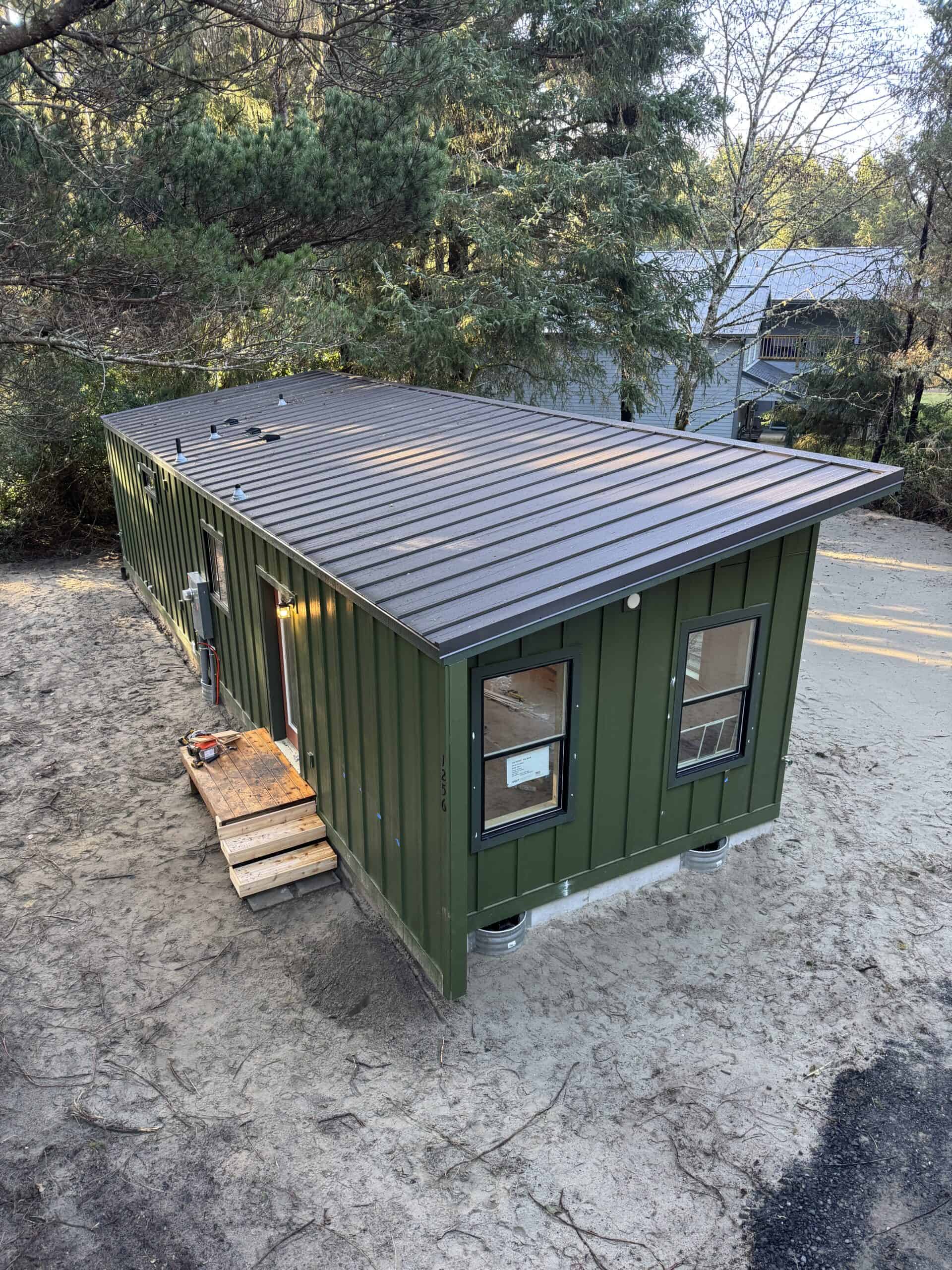
Here’s the reality most people don’t expect:
Wahkiakum County doesn’t always have the same clear, streamlined ADU guidelines you’ll find in larger counties.
Instead, you’re often working through:
- General zoning codes
- Case-by-case interpretations
- Infrastructure limitations
That’s where most projects either stall out…or succeed.
Why Experience Matters When Building an ADU
If you’re serious about building an ADU in Wahkiakum County, the process isn’t just about design or cost.
It’s about knowing:
- What’s allowed on your specific property
- How to navigate zoning and permitting
- How to address septic, utilities, and access early
This is where working with an experienced, turn-key builder makes a major difference.
Start here: https://wolfind.com/contact/property-evaluation/
Start with a Free Property Evaluation
Before you spend time or money on plans, the smartest first step is understanding what’s actually possible on your land.
Wolf has helped homeowners navigate ADU regulations across Washington and Oregon, with over 600 completed homes and ADUs throughout the Pacific Northwest.
Our team handles:
- Site feasibility
- Permitting
- Design and engineering
- Factory-built construction
- Delivery and full installation
If you want to know what you can build in Wahkiakum County, start here:
https://wolfind.com/contact/property-evaluation/
Final Thoughts
ADU rules and regulations in Wahkiakum County aren’t always straightforward. But that doesn’t mean your project isn’t possible. With the right guidance and a clear understanding of zoning, utilities, and permitting, you can turn your property into something far more valuable and functional.
The key is starting with the right information.
Sources
- Wahkiakum County Code
- https://www.co.wahkiakum.wa.us/354/County-Code
- Washington State Department of Commerce – Accessory Dwelling Units
- https://www.commerce.wa.gov/growth-management/housing-planning/adus/
- Wahkiakum County Building Department Information
- https://countymapsofwashington.com/wahkiakum/building-departments/wahkiakum-county-building-department-wa/
- MRSC – Accessory Dwelling Units Overview
- https://mrsc.org/explore-topics/housing-homelessness/housing/accessory-dwelling-units
- Legal Clarity – ADU Size Limits in Washington
- https://legalclarity.org/how-big-can-an-adu-be-in-washington-state/