
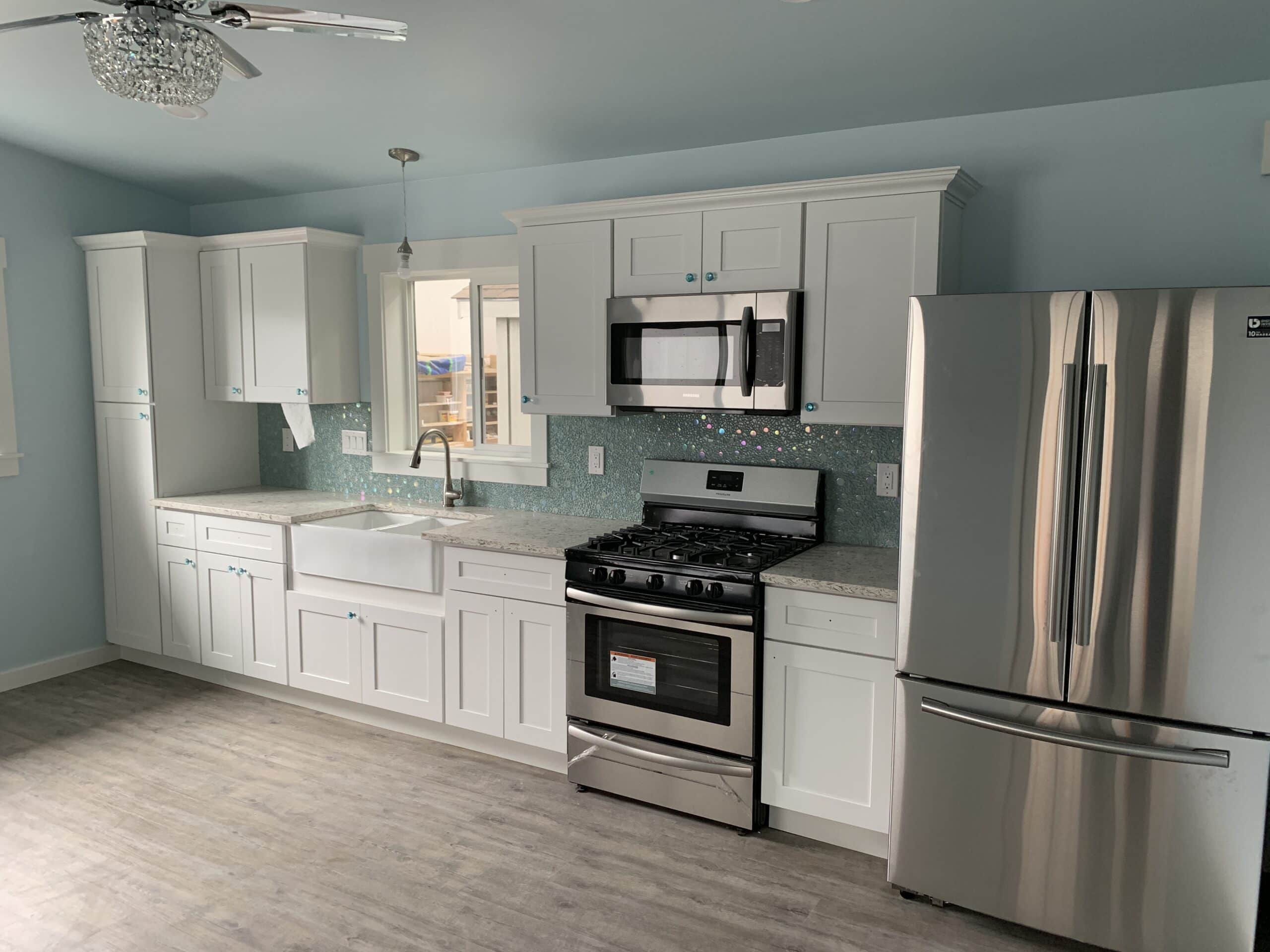
Florence sits at the edge of the Siuslaw River where forest, dunes, and coastline come together in a way that draws people who want space, calm, and a stronger sense of place. With sweeping views of the Oregon Dunes and a historic downtown that feels rooted and welcoming, homeowners often see new opportunity in how they can use their land. It is an appealing setting for a tiny home, prefab ADU, or compact guest cottage that blends into the landscape while strengthening the overall use and value of the property.
Taking on a tiny home project can feel complicated. The Florence area has its own expectations for zoning, building standards, and delivery. Those details can be straightforward or mentally exhausting depending on your site and how familiar you are with local rules.
Fortunately, we’re here to help. Check out our guide below on how to make adding a tiny home or modular ADU to your property easy.People look at modular tiny homes because they want a clear solution to a specific need. Some already own property in Florence and want a separate living space for family, a steady rental, or a private retreat. Others plan to purchase land where they can place a modular home right away. Many want to bring parents or adult children closer without compromising independence. Investors see Florence as a strong coastal market where long term rental demand remains stable.
Determining whether a modular home is the right choice usually comes down to your timeline, the condition of your property, and how structured you prefer the process to be. Modular construction appeals to people who want predictable scheduling, a guided approach, and fewer surprises along the way.
• Homeowners looking to expand living options on existing land
• Buyers wanting property that can support a fast placed ADU
• Families planning multi generational living
• Investors seeking dependable coastal rental income
The first part of permitting is identifying which jurisdiction oversees your land. In Florence, this will either be the City of Florence or the parent jurisdiction, Lane County. Both offer zoning and building code information on their websites.
Once you know who manages your permits, the next step is confirming which types of dwellings are allowed. Requirements differ based on whether your tiny home will be a primary residence or an additional living unit. Additional units may be classified as accessory dwelling units, secondary dwellings, guest cottages, or hardship dwellings. ADUs may be attached to the primary home or fully detached.
Connecting early with a specialist who understands modular ADUs can help you avoid delays and unnecessary revisions.
Step One
Identify the correct jurisdiction. Determine whether your property falls under the City of Florence or Lane County.
City of Florence: https://www.ci.florence.or.us
Lane County: https://lanecounty.org
Step Two
Review zoning maps and building codes. These resources outline what is allowed on your property and what standards apply to new construction.
Step Three
Determine how your modular home will be classified. Confirm whether it will be treated as an accessory dwelling unit, guest house, secondary dwelling, or primary residence. Each category has different requirements for size, setbacks, and utility standards.
Step Four
Confirm ADU specific rules. Detached and attached ADUs may have limitations on maximum square footage, height, and property line setbacks.
Step Five
Consult with a tiny home permitting expert. This helps streamline the approval process and reduces the risk of unexpected obstacles.
This Jurisdiction Requires atleast the following permits:
Choosing the right tiny home builder starts with understanding your goals and reviewing builders who have completed projects similar to what you are envisioning. Look closely at their portfolio to see whether their completed homes align with your preferred style and layout.
A skilled builder will have a history of completed work that shows consistency and craftsmanship. Reviews, client feedback, and direct conversations with past customers can help you evaluate reliability, communication, and scheduling performance. It is also important that your builder understands the local requirements in Florence and Lane County since this affects permitting and project execution.
Transparency is essential. A dependable builder will provide clear pricing, realistic timelines, and open communication about any potential challenges. Ask about materials, structural components, energy efficiency options, and available warranties. These details ensure the long term quality of your home.
The right builder combines experience, communication, and clarity, giving you confidence that your project will stay on track.
Ultimately, the ideal home builder should combine experience, transparency, and strong communication to help bring your vision to life within your budget and timeframe.
A modular home builder assembles each section of the home in a controlled indoor facility. These completed modules are transported to your property in Florence and set on a prepared foundation.
Factory construction speeds up the timeline since weather does not cause delays and materials are kept protected. The controlled environment supports consistent quality and ensures the home meets or exceeds local building codes. This approach appeals to people who want predictable results and a streamlined process.
Traditional on site construction or stick built construction is completed directly on the property. It allows more flexibility for one of a kind designs but often takes longer due to weather, trade coordination, and material handling.
Both approaches have strengths. Modular offers speed and consistency. On site building offers flexibility and customization.
Modular home builders offer significant savings when it comes to off-site built ADUs. Here’s an example of how combining the permitting, production and installation of a tiny home adds up:
| Item | Cost |
|---|---|
| Model E (Base price) | $97,500 |
| Upgrades (Optional additions & Appliances) | $12,000 |
| Site work, Foundation, Delivery & Setup | $34,000 |
| Sub Total w/ Tax (WA) | $155,172 |
| Permits (Wolf Service Fee & Jurisdiction Fee) | $7,500 |
| Total | $162,672 |
If you are considering a tiny home and want clarity on how to move forward, our team is here to help you understand each part of the process. We assist with planning, permitting, and customization so you can make confident decisions. Whether you want added living space, a rental opportunity, or a coastal retreat, we can guide you through the steps.
Reach out today to learn more about our turn key modular tiny homes and how the full process works from the first planning conversation to final placement. Your Florence tiny home project can begin sooner than you think.
Free Property Evaluation
Want to know if your address is eligible? Fill out the form below and we’ll get back to you with a free property evaluation!
(360) 912-9519
607 SE Eaton Blvd, Battle Ground WA 98604
Sales@Wolfind.com