
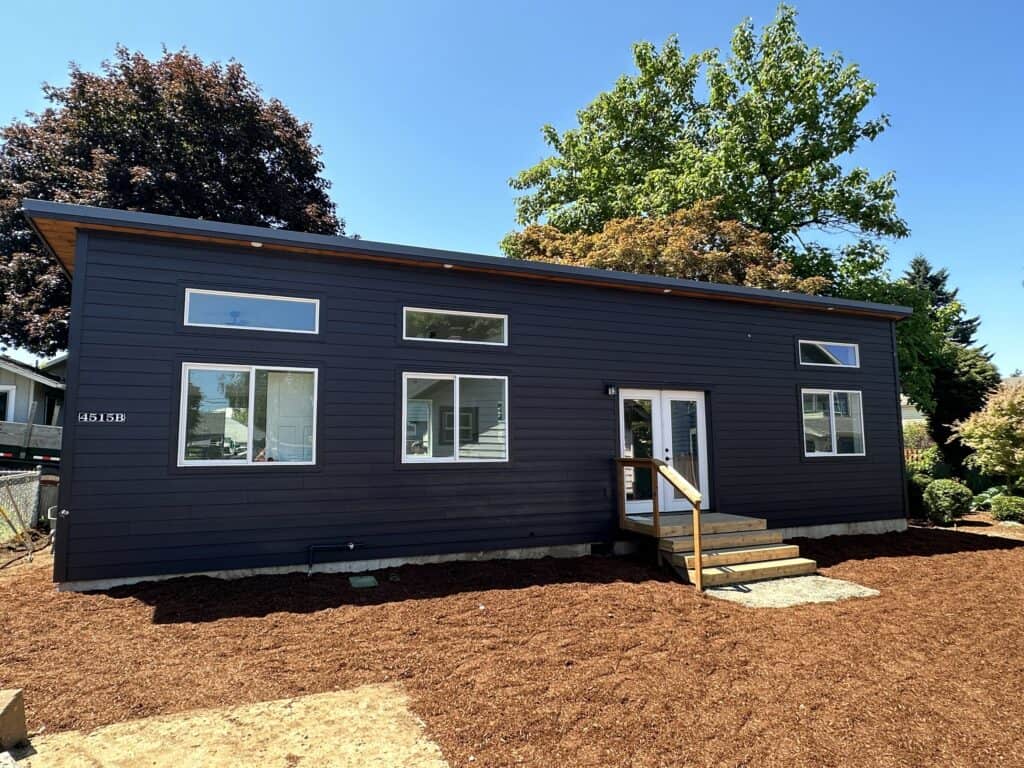
Thinking about building an ADU in Linn County, Oregon?
It is easy to picture the finished product first. A private space for aging parents. A backyard home for adult children. A flexible rental. A guesthouse. A downsized home on land you already own. A way to make your property more useful without buying another one.
But before you get too far into floor plans, finishes, and Pinterest boards, there is a more important question:
Can your property actually support an ADU under Linn County rules?
That question matters because ADU rules and regulations in Linn County OR are not just a small paperwork step at the end of the process. They can shape where your ADU can go, how large it can be, whether your septic and water systems will work, how emergency access must be handled, and whether your intended use is allowed.
For many homeowners, this is where the project starts to feel complicated. The good news is that you do not have to figure it out alone.
Wolf Industries offers a free property evaluation to help you understand what may be possible on your property before spending money to find out the hard way. If you are considering an ADU in Linn County, this is one of the smartest first steps you can take.
First, Are You in Linn County Jurisdiction or Inside a City?
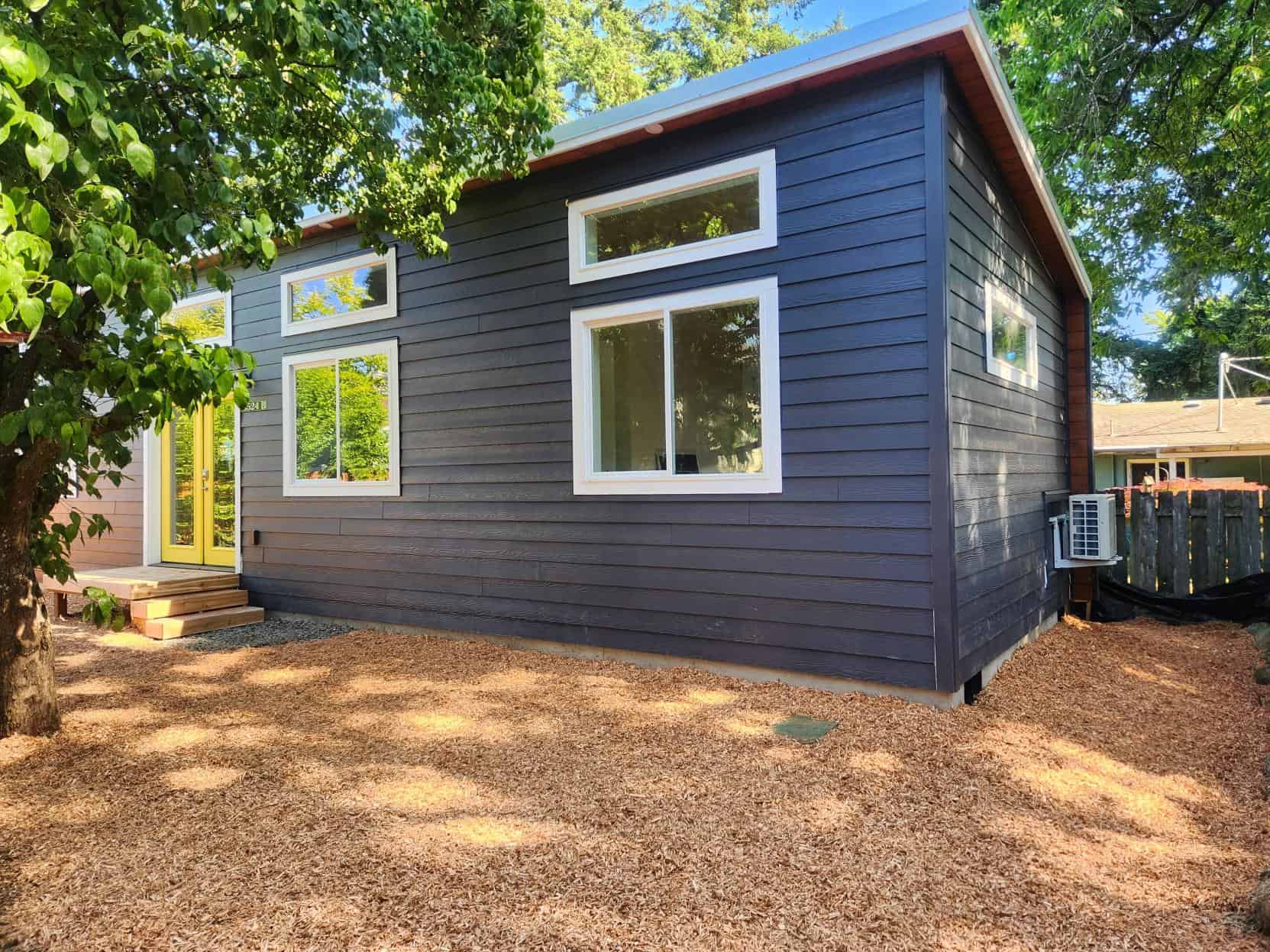
One of the most important starting points is jurisdiction.
Linn County includes cities and communities such as Albany, Lebanon, Sweet Home, Scio, Millersburg, Brownsville, Harrisburg, Halsey, Tangent, and others. Some properties are in unincorporated Linn County, while others are inside city limits or within urban growth areas.
That distinction matters because the rules that apply to your property may depend on whether your project is governed by Linn County land use standards, city development code, or both.
For example, Linn County has specific ADU standards for Urban Growth Area Rural Residential zones and Rural Residential zones. Cities within Linn County may have their own rules for ADUs, including different size limits, design standards, permit processes, utility requirements, and fee structures.
This is why a general online search is not enough. Two properties that are only a few miles apart may be handled differently depending on zoning, parcel size, existing structures, utilities, driveway access, fire protection, and whether the property is inside a city, a UGB, or unincorporated county land.
Before you spend money on design work, engineering, or site planning, it is worth confirming what rules apply to your exact parcel. Wolf’s free property evaluation is designed to help you get clarity early, before you invest heavily in a project that may need to be redesigned later.
Linn County Rural Residential ADU Rules
Linn County now includes specific rural residential ADU standards for properties zoned RR-1, RR-2.5, RR-5, and RR-10.
For rural residential properties, the county’s current ADU pre-application screening checklist identifies several minimum standards that need to be considered early. These include whether the property is in an eligible rural residential zone, whether the property is at least 2 acres, whether the property is an authorized unit of land, whether the property is served by a fire protection district, whether the proposed ADU can be located close enough to the existing single-family dwelling, and whether the ADU can stay within the county’s maximum usable floor area.
In plain English, rural ADUs in Linn County are possible in certain situations, but the property still has to clear several important tests.
Some of the key rural residential ADU standards include:
- The property must generally be in an eligible Rural Residential zone such as RR-1, RR-2.5, RR-5, or RR-10.
- Only one ADU is permitted on an authorized unit of land.
- The property must be at least 2 acres in size.
- The total number of dwellings on the property cannot exceed more than one dwelling per acre.
- There must be an existing single-family dwelling on the property, although Linn County may consider a primary dwelling “sited” if a building permit has been issued for the primary home.
- The ADU must include complete, independent living quarters, including living, sleeping, eating, sanitary facilities, and a separate permanent cooking facility.
- The ADU cannot exceed 900 square feet of usable floor area.
- The ADU must be located no farther than 100 feet from the existing single-family dwelling.
- The ADU must meet septic, wastewater, potable water, emergency access, and fire access standards.
- A rural residential ADU cannot be used for vacation occupancy.
The property owner may also need to record a covenant in county deed records alerting future buyers to the vacation occupancy limitation. That is a lot more than simply choosing a model and placing it in the backyard.
This is exactly why an experienced ADU builder matters. A builder who understands rural property constraints, county review, access requirements, septic considerations, and modular construction can help you avoid expensive mistakes before they happen.
Wolf has built over 600 ADUs and modular homes throughout the Pacific Northwest, including many in the Linn County area. That experience matters when the project has to move through zoning, feasibility, permitting, production, site work, delivery, and setup.
The 900-Square-Foot Limit Is a Big Planning Factor
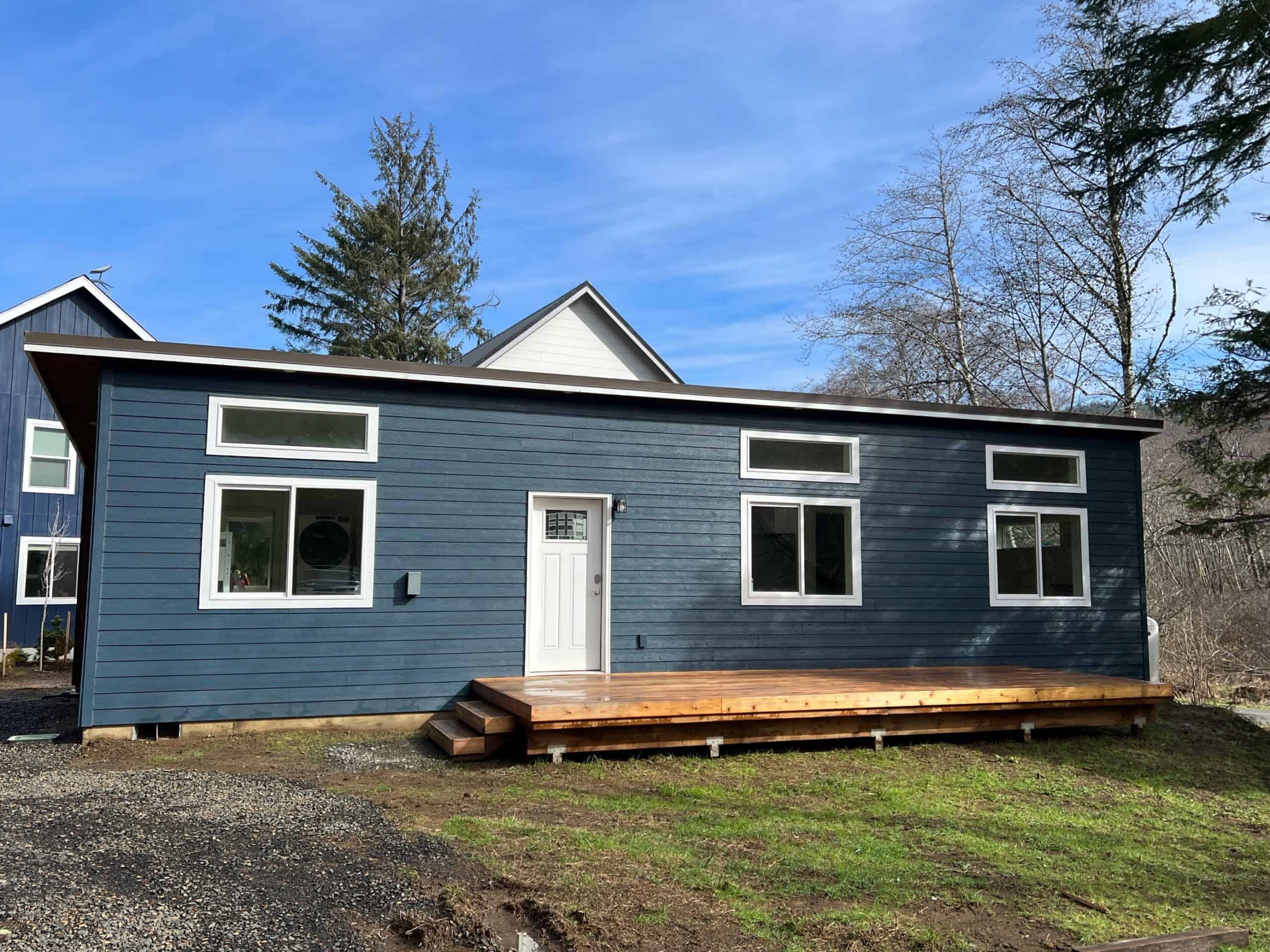
One of the most important Linn County ADU rules is the size limit.
For rural residential ADUs, Linn County limits the ADU to no more than 900 square feet of usable floor area. Usable floor area generally includes floored space inside the dwelling and is measured from the inside of the exterior walls. Certain areas such as decks, patios, porch covers, crawlspaces, and carports are not counted in the same way.
This size limit can have a major impact on the model, layout, bedroom count, storage, accessibility features, and long-term use of the home.
For example, a 900-square-foot ADU may work very well for:
- Aging parents who want a comfortable downsized home.
- Adult children who need independence while staying close to family.
- A long-term rental.
- A guesthouse.
- A flexible second living space.
- A future retirement home.
But the layout has to be designed carefully. A poorly planned 900-square-foot ADU can feel cramped, awkward, or inefficient. A well-designed 900-square-foot modular ADU can feel comfortable, open, and practical.
That is one of the advantages of working with Wolf. Because Wolf builds modular homes and ADUs to order, the design can be aligned with the property, the intended use, the owner’s needs, and the applicable county rules.
The 100-Foot Rule Can Decide Where the ADU Goes
Another major Linn County rule for rural residential ADUs is the 100-foot siting requirement.
In rural residential zones, the ADU generally must be located no farther than 100 feet from the existing single-family dwelling. For existing structures being converted into ADUs, the measurement still matters and must be evaluated carefully.
This can be a make-or-break rule for some properties.
A homeowner may look at their land and assume the ADU can be placed in the most private, scenic, or convenient location. But if that location is too far from the primary home, it may not meet Linn County’s ADU standards.
The 100-foot rule can also interact with other site constraints, including:
- Driveway location
- Septic system location
- Well location
- Slope
- Trees
- Setbacks
- Fire access
- Soil conditions
- Existing accessory buildings
- Neighboring farm or forest-zoned land
This is where early feasibility work becomes critical. A beautiful site plan that ignores zoning or access standards is not useful. A realistic site plan starts with the rules first, then designs around them.
Wolf’s free property evaluation helps homeowners understand what may be possible before they start spending money on designs that may not work.
Water, Septic, and Access Are Not Afterthoughts
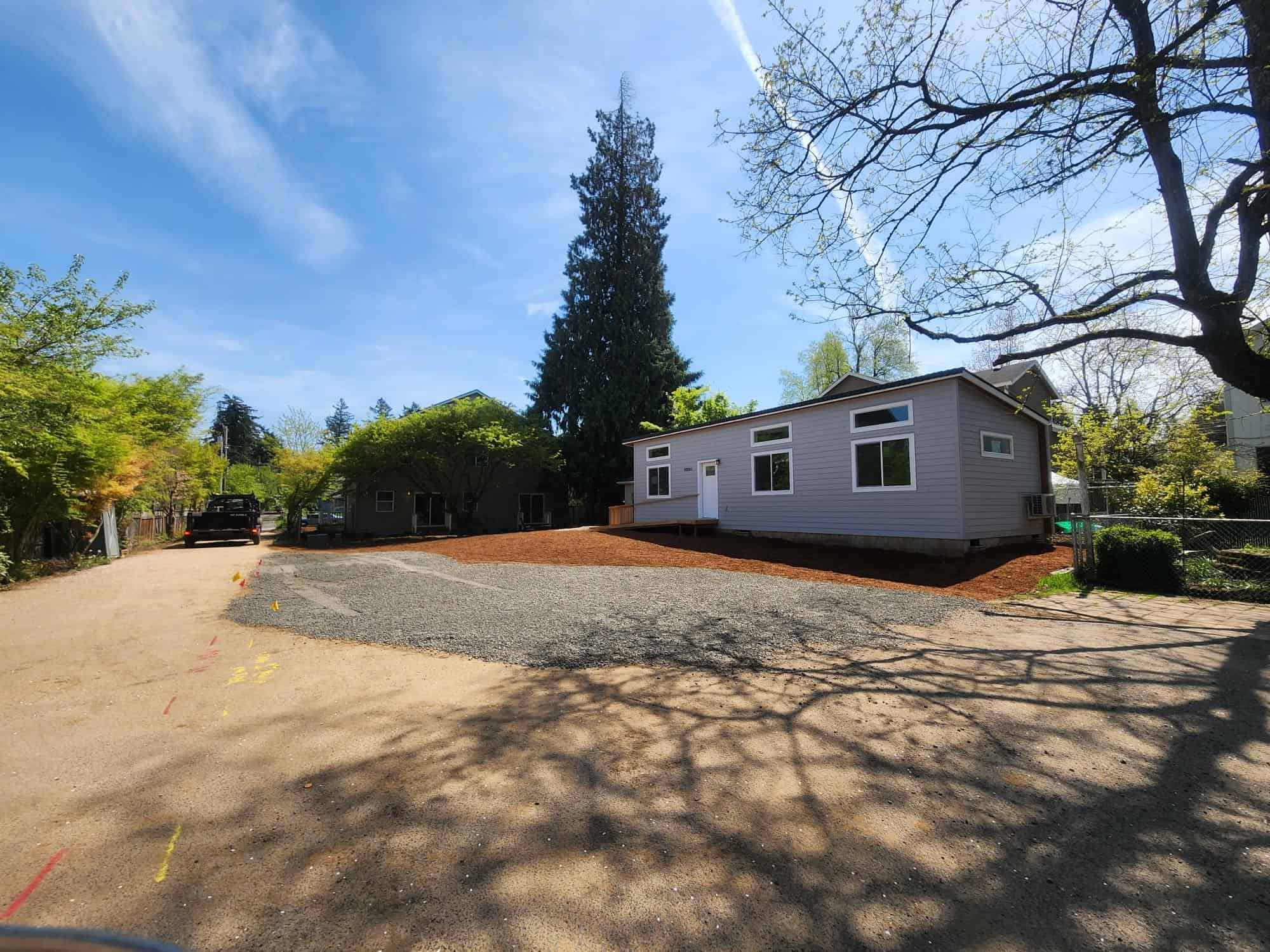
Many homeowners think of ADU rules as mostly zoning and setbacks. In Linn County, the infrastructure side can be just as important.
For rural residential ADUs, Linn County requires compliance with sanitation, septic disposal, wastewater disposal, potable water, and access standards. The county may require proof of adequate potable water before development permits are issued for an additional dwelling unit.
If the ADU is served by a private domestic well, the property may need to demonstrate adequate flow through a well flow test. Linn County’s current standards also address situations where well flow is limited and may require water storage in certain cases. Water quality testing may also be required for items such as arsenic, coliform, E. coli, lead, and nitrates.
Septic is another major piece of the puzzle. If the ADU is connecting to an existing septic system, the system must be able to support the additional dwelling. If a new system is needed, that can affect the site plan, budget, timeline, and feasibility of the project.
Access also matters. Linn County’s rules reference adequate access for firefighting equipment, safe evacuation, and staged evacuation areas. The ADU also needs to relate properly to a driveway or road that meets applicable standards.
These are not small details. They are often the difference between a project that moves forward and a project that gets delayed, redesigned, or denied.
An experienced ADU builder does not just ask, “Where do you want the home?” A good ADU builder asks, “Where can the home legally, safely, and practically go?” That is the difference between guessing and planning.
Short-Term Rental and Vacation Occupancy Restrictions
Another important issue is intended use.
Linn County’s rural residential ADU standards prohibit using the ADU for vacation occupancy. Linn County’s urban ADU standards also prohibit short-term rental of an ADU, defining short-term rental as fee-based occupancy for less than 30 consecutive days. Long-term rental arrangements may be treated differently, but homeowners should verify the exact rule that applies to their property and intended use.
This matters because many homeowners think about ADUs as a way to create income. That may still be possible in the form of a long-term rental, depending on the property and applicable rules. But if the goal is nightly or short-term vacation rental use, Linn County’s ADU rules may create a serious limitation.
Before building, homeowners should be clear about the intended use.
- Will the ADU be for family?
- Will it be a long-term rental?
- Will it be a future retirement home?
- Will it be a guesthouse?
- Will it support multigenerational living?
- Will it create flexibility for changing family needs?
The answer can affect design, accessibility, parking, privacy, utilities, and compliance.
Wolf helps homeowners think through these questions early so the ADU is not only permitted properly, but also built for the way the owner actually plans to use it.
Urban Growth Area ADU Rules in Linn County
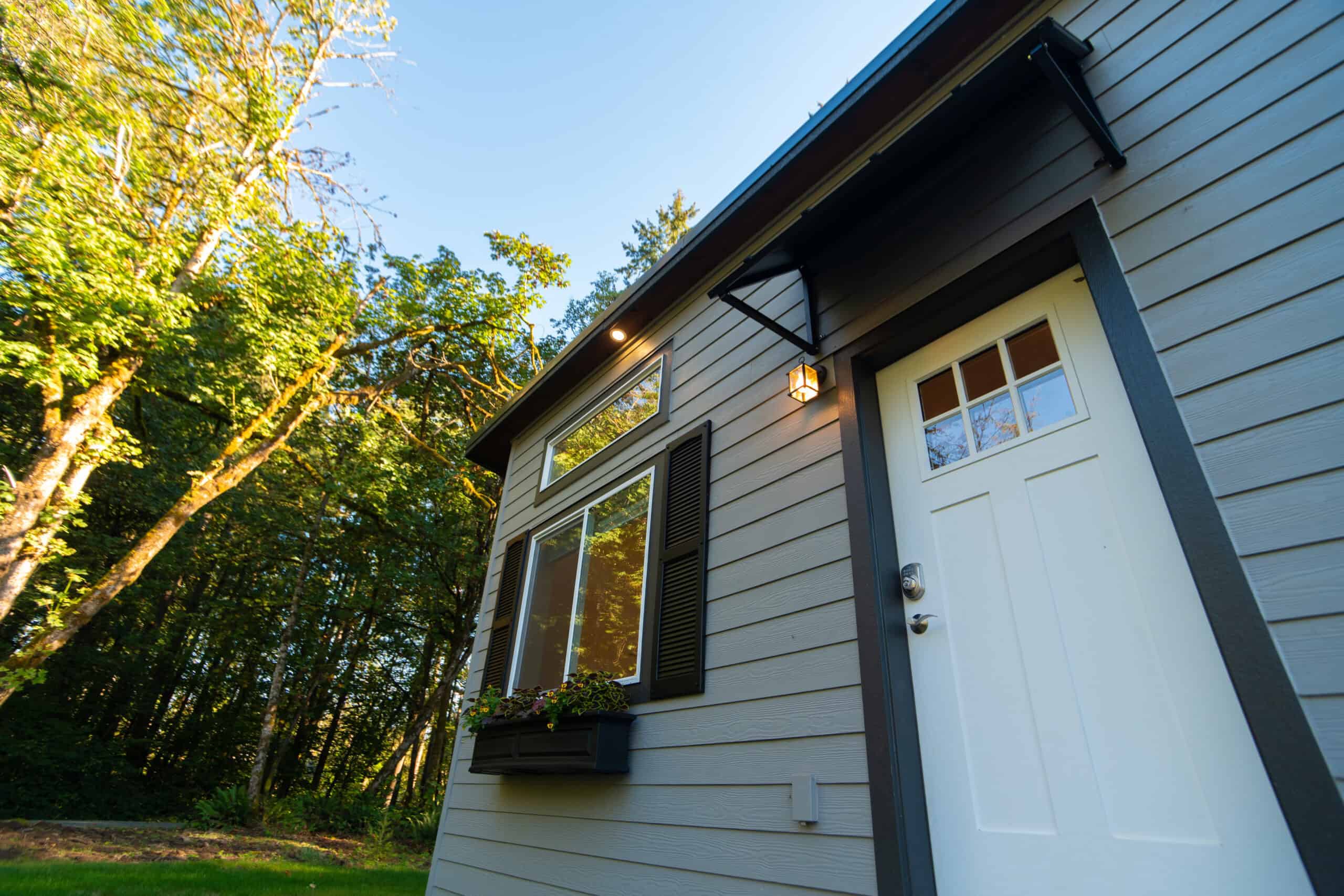
Linn County also has ADU standards for Urban Growth Area Rural Residential zones.
These rules include several important requirements. Only one ADU is allowed on an authorized unit of land. The ADU must be on the same authorized unit of land as the primary dwelling. If part of the property is outside the urban growth boundary, the ADU must be located inside the urban growth boundary.
The ADU must use the same driveway entrance as the primary dwelling, though the driveway may be extended to access the ADU. The ADU must include complete, independent living quarters with a separate permanent cooking facility.
The ADU cannot exceed 900 square feet of usable floor area.
Linn County’s urban ADU standards also address whether the ADU is attached, interior, or detached. A detached ADU in the UGA-RR zone must meet specific separation rules from the primary dwelling. The ADU must be attached to a permanent foundation with a building permit. Recreational vehicles, park model RVs, yurts, and similar recreational structures are not permitted for use as ADUs.
Short-term rental of an ADU is prohibited under Linn County’s urban ADU standards.
Again, the big lesson is simple: ADUs may be allowed, but they are not automatically simple.
Why Modular Construction Makes Sense for ADUs in Linn County
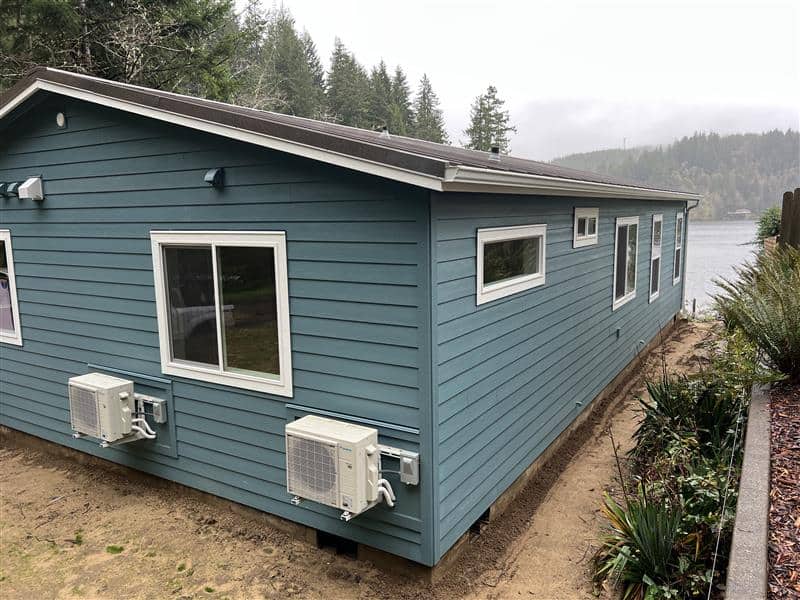
Once the property clears the feasibility and permitting questions, homeowners still need to decide how to build. This is where modular construction can be a major advantage.
A modular ADU is built in a controlled production environment, which can reduce many of the variables that come with traditional site-built construction. Weather delays, inconsistent jobsite conditions, and long on-site build schedules can all create stress for homeowners. Modular construction helps bring more predictability to the process.
For Linn County ADU projects, modular construction can be especially valuable because the site itself may already have enough complexity. Rural properties may need careful planning for utilities, road access, septic, wells, grading, and delivery logistics. Keeping the home production process controlled and efficient can make the overall project feel more manageable.
Wolf’s turn-key process is built around that reality. Wolf helps with feasibility, planning, permitting, production, delivery, setup, and site work coordination. That matters because most homeowners do not want to become their own project manager, permit researcher, utility coordinator, and construction supervisor. They want to know what is possible, what it will take, what it may cost, and how to move forward with confidence.
The Biggest Mistake Homeowners Make With ADUs
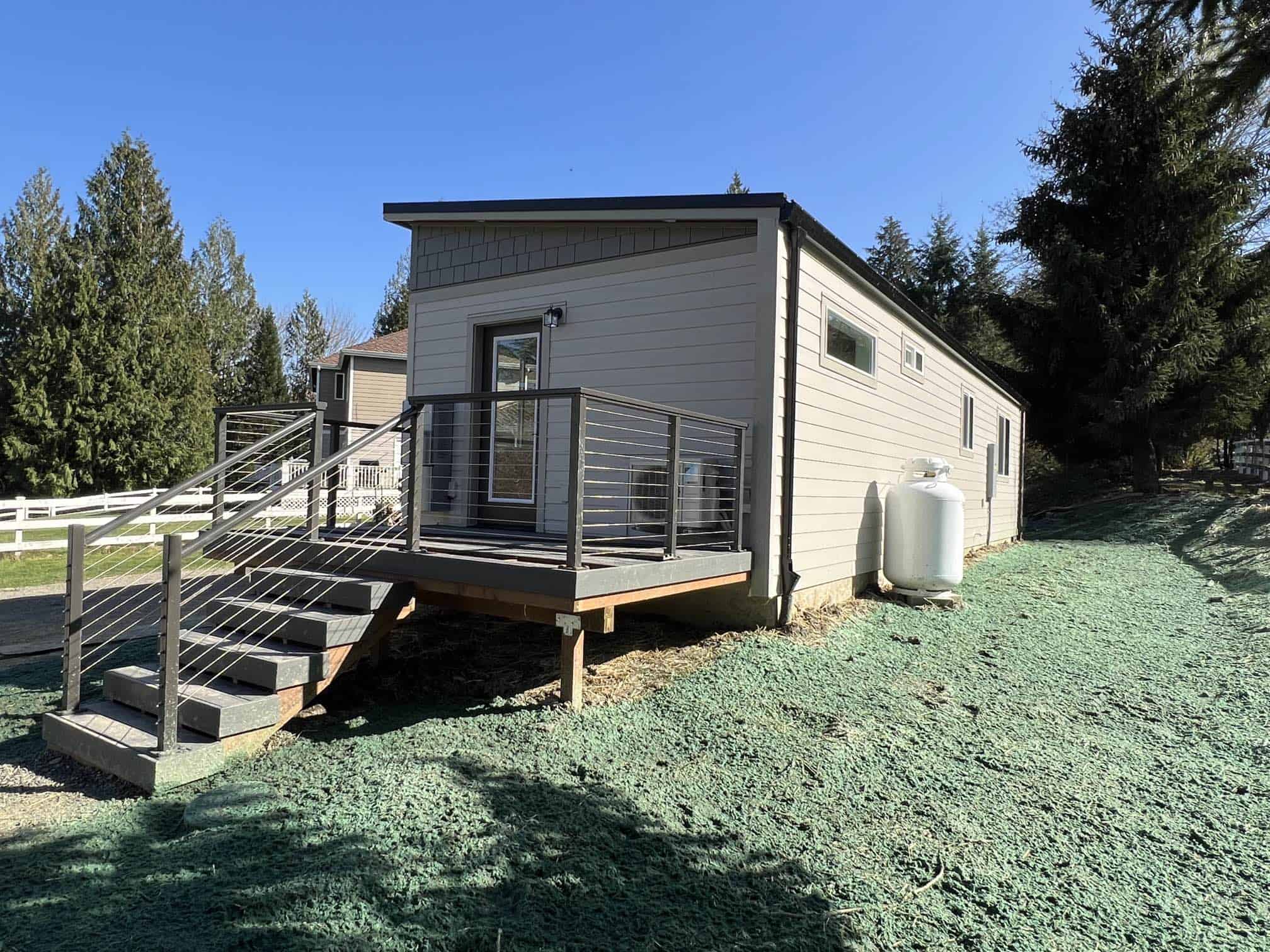
The biggest mistake homeowners make is assuming that because ADUs are allowed, their ADU will be easy. That is not always true.
- A property may be zoned correctly but fail on septic.
- It may have enough acreage but a poor ADU location.
- It may have room on paper but not enough access for fire safety.
- It may have a great location but be too far from the primary dwelling.
- It may work for a family member but not for a short-term rental.
- It may be possible, but only with the right model, site plan, and permitting strategy.
This is why the first question should not be, “What floor plan do I like?” The first question should be, “What is actually possible on my property?”
Wolf’s free property evaluation is designed to answer that question before homeowners spend money moving in the wrong direction.
Work With an Experienced ADU Builder in Linn County
ADUs can be one of the best ways to make a property more useful. They can create space for family, support aging-in-place plans, add long-term rental potential, create a flexible guest space, or help homeowners plan for the future.
But in Linn County, the rules matter. Zoning matters. Acreage matters. Setbacks matter. The 900-square-foot limit matters. The 100-foot rule matters. Water and septic matter. Fire access matters. Your intended use matters. That is why working with an experienced ADU builder is so important.
Wolf Industries has built over 600 ADUs and modular homes throughout the Pacific Northwest, including many in the Linn County area. That experience helps homeowners avoid guesswork and move into the process with a clearer understanding of what it takes to build successfully.
If you are considering an ADU in Linn County, start with a free property evaluation from Wolf. It is one of the easiest ways to learn what may be possible on your property before spending money to find out later.
Ready to Find Out What Is Possible?
Before you invest in plans, engineering, or permit work, take the first step.
Schedule Wolf’s free property evaluation and get a clearer picture of what your Linn County property may be able to support.
An ADU can be a smart investment, but only when the project starts with the right information. Wolf can help you figure out what is possible, what rules may apply, and what the next step should be.
Sources
Linn County Development Standards Code, Chapter 934
https://www.linncountyor.gov/planningbuilding/page/division-5-condition-requirements-development-standards-decisions-criteria
Linn County Accessory Dwelling Unit Pre-Application Screening Checklist
https://www.linncountyor.gov/media/56706
Linn County Land Use Permit Application Forms
https://www.linncountyor.gov/planningbuilding/page/land-use-permit-application-forms
Linn County Building Permit Application Forms
https://www.linncountyor.gov/planningbuilding/page/building-permit-application-forms
Oregon Department of Land Conservation and Development ADU Guidance
https://www.oregon.gov/lcd/Publications/ADU_Guidance_updatedSept2019.pdf
Oregon Revised Statutes 215.495, Accessory Dwelling Units
https://oregon.public.law/statutes/ors_215.495