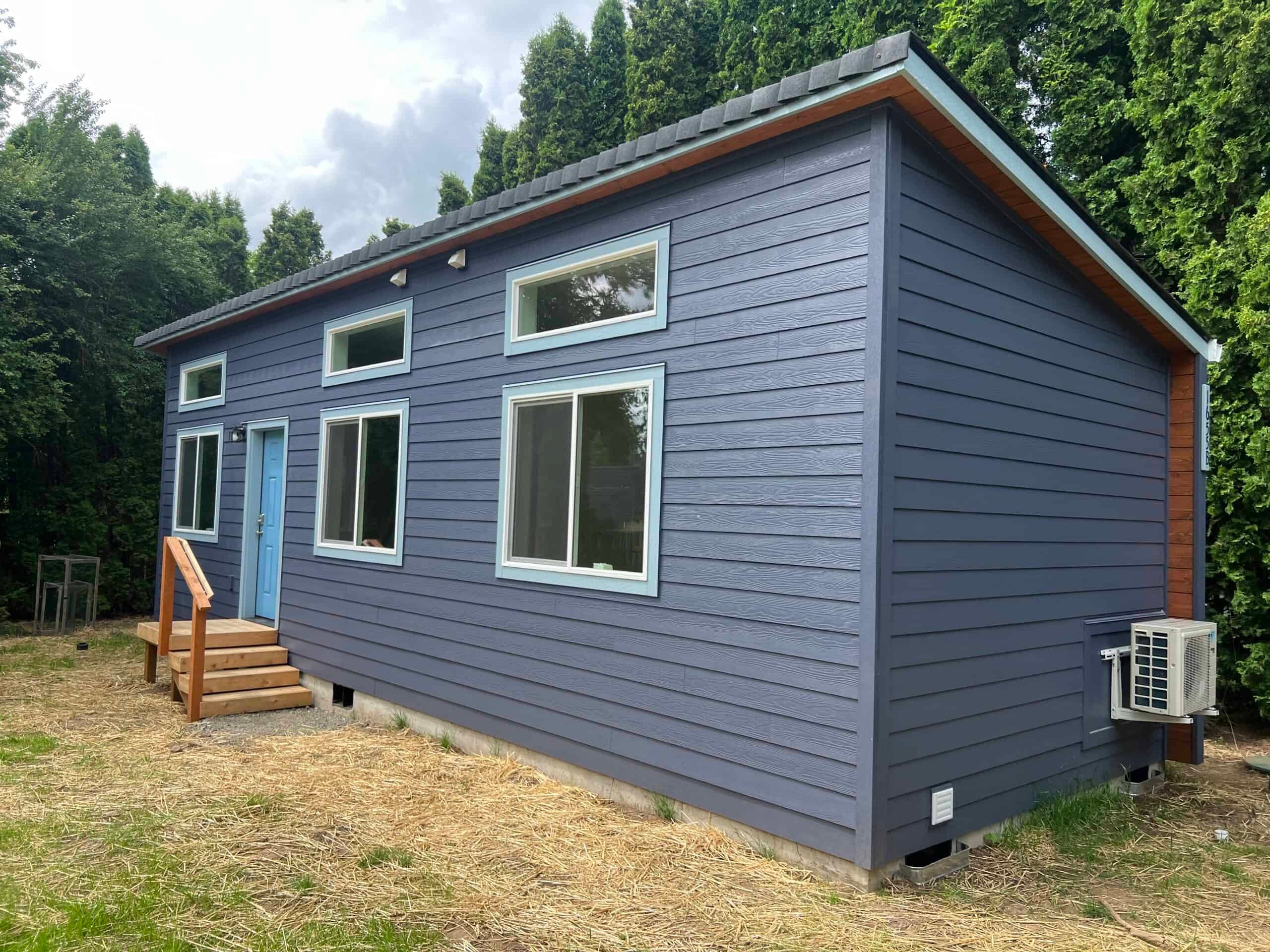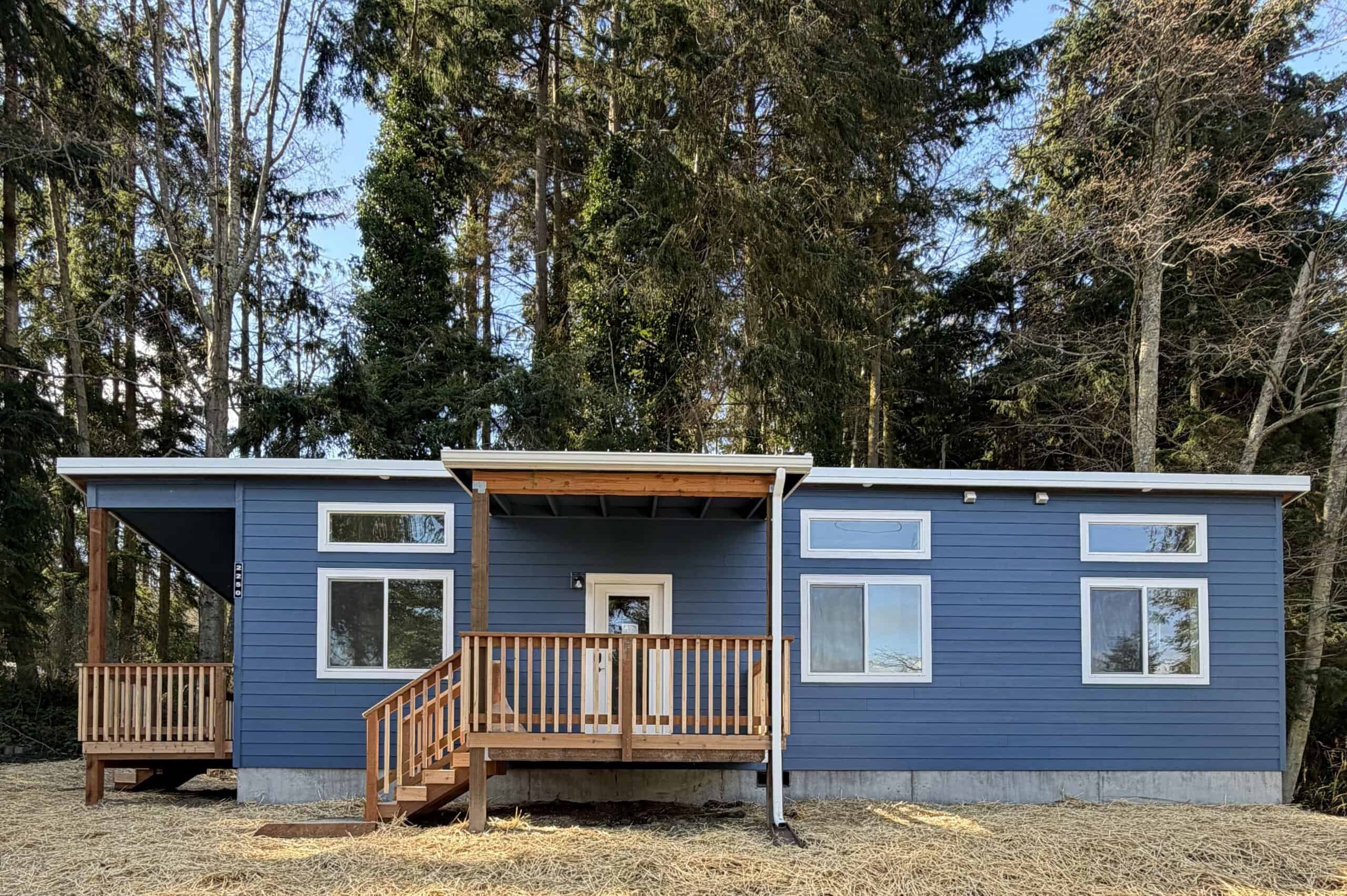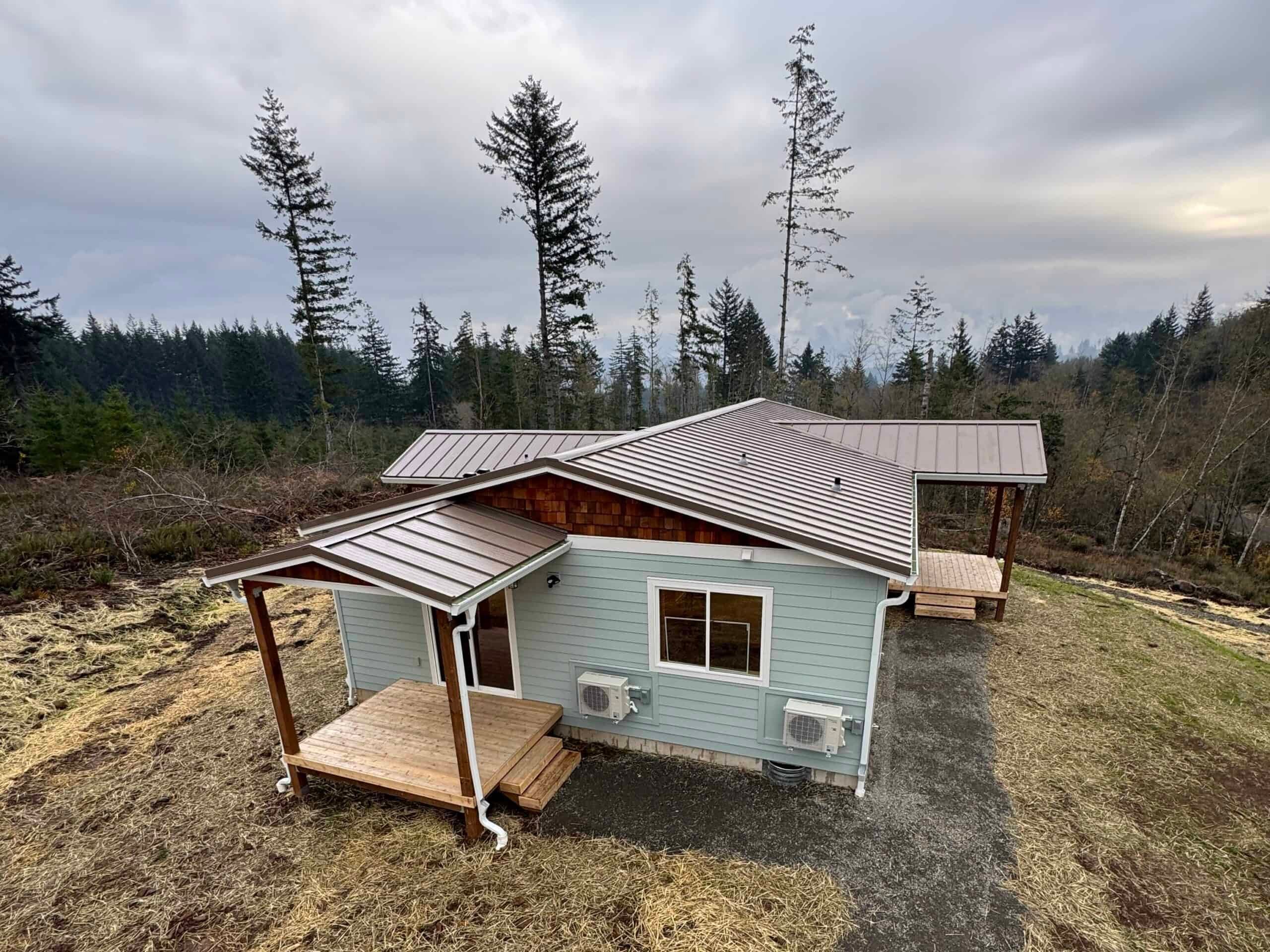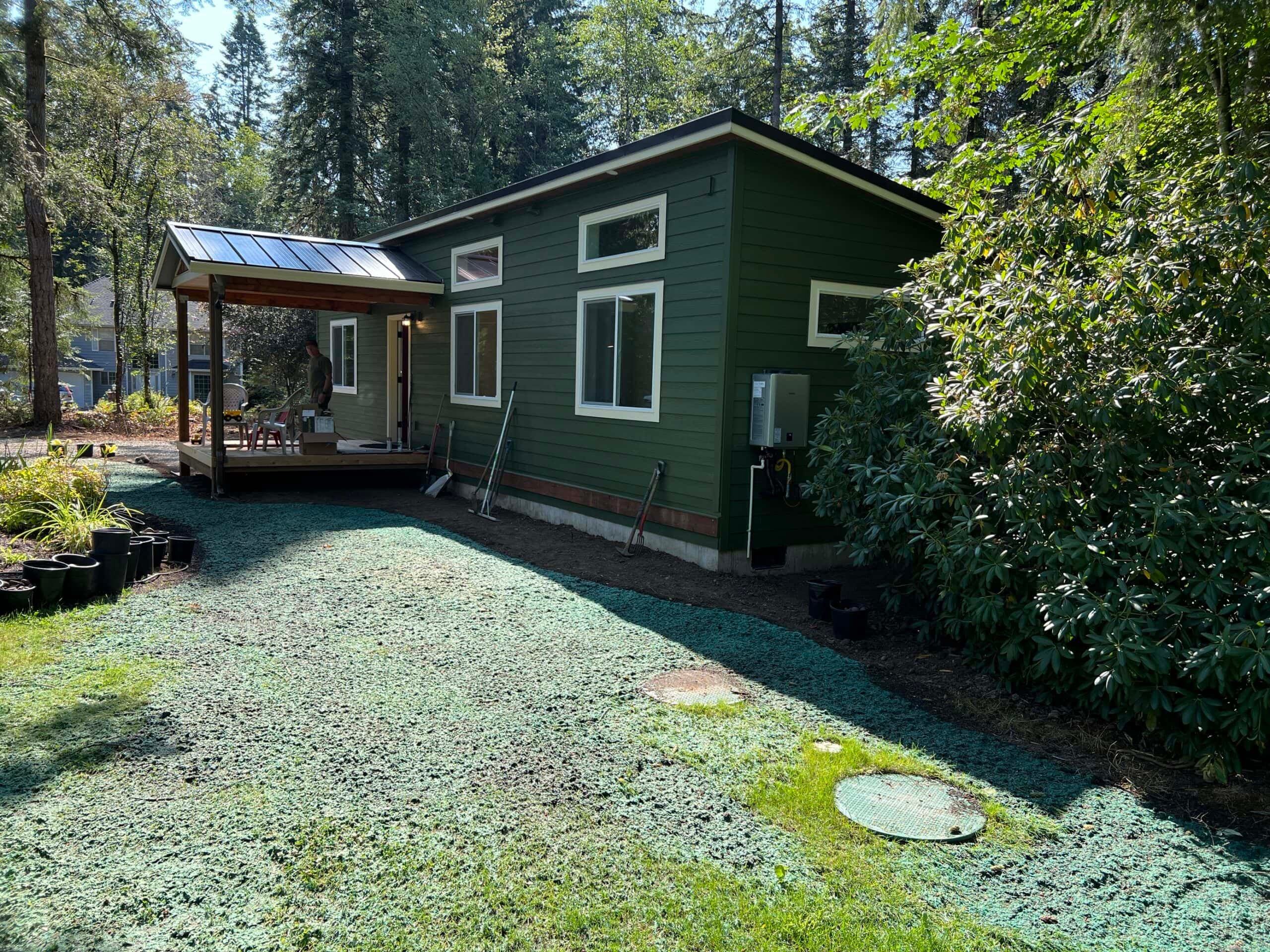
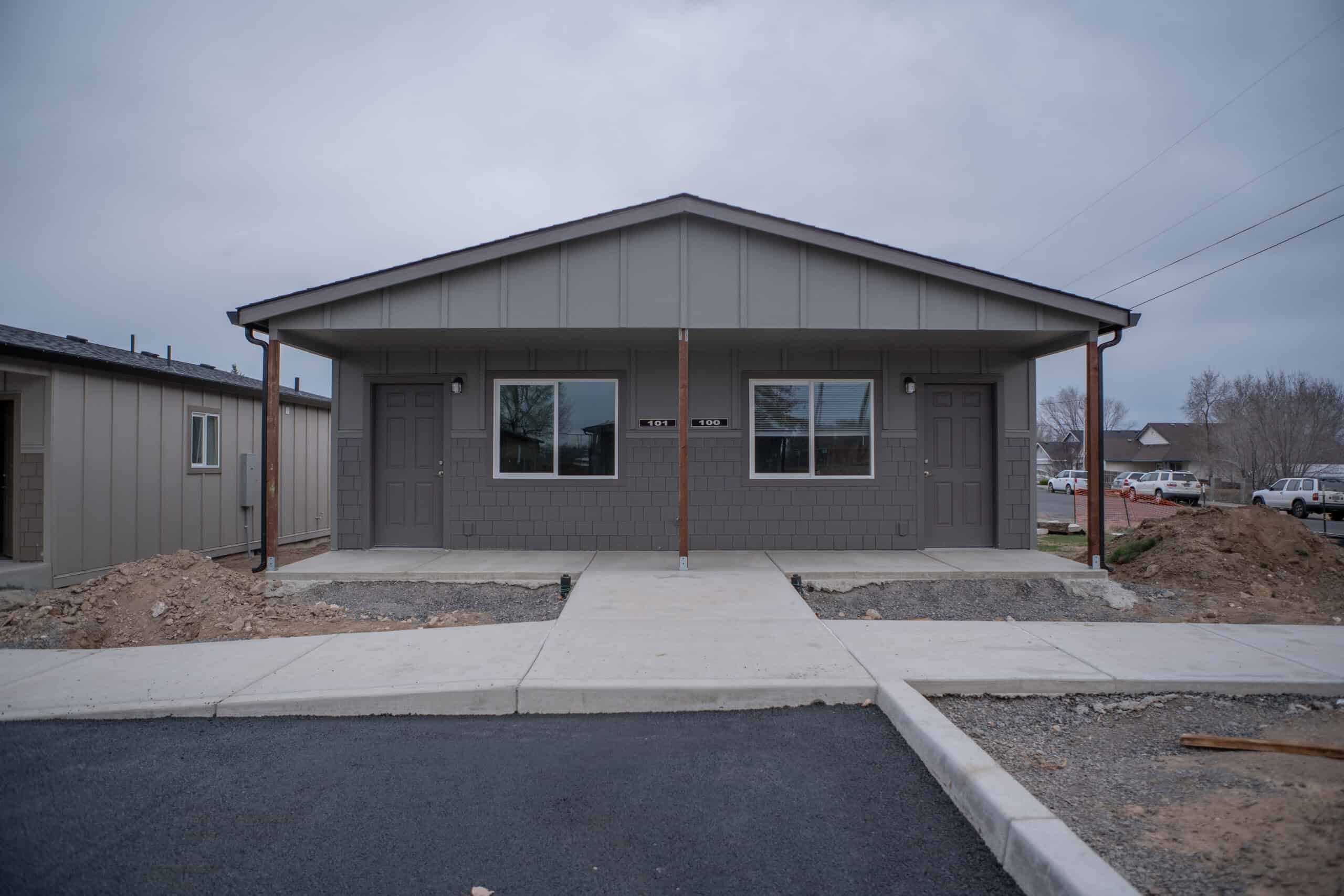
Madras is high-desert Jefferson County, Oregon: juniper, irrigation, a view of the Cascades on a clear day, and a real drive from our factory in Battle Ground, north of Portland. Wolf treats Madras as a long-distance feasibility market where we already have experience setting homes. We built a 26-home modular senior living community here, with duplex-style structures plus a community center, planned for older residents who needed private homes and accessible layouts instead of apartments.
That multi-unit project shows what modular construction can do in Madras, but it does not make a backyard ADU automatic. The City of Madras or Jefferson County will still review your permit. Use the Oregon ADU rules guide for the statewide starting point, then check the local requirements for your property.
City of Madras or Jefferson County
The first step is finding out whether the City of Madras or Jefferson County reviews the property. In-town lots are generally in the city, while many “Madras” mailing addresses on acreage, benches, or toward Culver and the Agency Plains are in the county. We confirm the jurisdiction before preparing planning and building applications.
That answer changes more than the name on the application. It decides which zoning code sets your setbacks and size limits, which fee schedule and SDCs apply, who inspects the foundation and utility connections, and whether the file picks up county steps like septic review and legal lot determination. Knowing it before anyone draws a site plan means the plan gets drawn once, to the right rules.
The city grid is usually the simpler ADU project if the zone allows it: municipal water and sewer, a street a truck can use, and Jefferson County only as the county name on the address. Cross into acreage toward Culver, Metolius, or the Agency Plains and you are usually in the county, with irrigation, wells, septic, and a legal-lot question some owners have never had to ask. Culver and Metolius have their own reviewers even when your hardware store is in Madras, so we don’t file a Madras city packet for those taxlots.
Warm Springs is a separate sovereign jurisdiction, so City of Madras ADU rules don’t apply on tribal land. Prineville is in Crook County, while Redmond, Bend, and Sisters are in Deschutes County. A requirement you read about in Bend or rural Deschutes County doesn’t carry over to Madras, so we check the City of Madras and Jefferson County rules for your property.
Oregon’s ADU mandate applies inside UGBs in qualifying cities: at least one ADU on lots zoned for detached single-family, with HB 2001 limits on owner occupancy and extra parking for long-term units. Rural county land falls under a different ordinance. Don’t copy Wasco or Deschutes 900-square-foot / two-acre rural numbers onto a Jefferson County lot, and don’t copy Portland’s 800-square-foot cap either. The county sets rural eligibility. Madras sets city ADU size, setbacks, and fees.
Water, septic, and the permit list
A Madras file can involve a long list of permit types: water-adequacy verification, septic, propane, legal lot determination, road approach, fire sprinkler, and a pre-application meeting. Not every property needs all of them. The ones that matter most here are water adequacy, septic versus sewer, and legal lot. High-desert water is not a Willamette Valley sewer lateral.
A few of those items need explaining. A legal lot determination confirms the parcel was created lawfully, which matters on older acreage that was split informally years ago. A road approach permit covers the driveway connection to a county road, and it also has to work for a modular truck. A pre-application meeting is a chance to hear the reviewer’s concerns before you pay for full drawings, and on a rural Jefferson County parcel it is often worth the time.
We confirm water availability during feasibility, before production begins. City service, an irrigation or water district, and a private well each require different documentation. A second dwelling may trigger additional review, and on county property the septic system must have capacity for the added bedrooms. In rural Central Oregon, water and septic rule out more projects than floor plans do, which is why we check them before anyone chooses a model.
Irrigation laterals and ditches are usually easements, so they limit where a pad can go. A big backyard that turns out to be the corner of a pivot field isn’t a buildable pad. On a plains lot, we map the ditches, the well, and the drainfield before we sketch a site plan.
Confirm SDCs and connection fees with the city or Jefferson County early. High-desert water reviews can cost more than a cabinet upgrade, and they don’t show up in West Side cost articles. Jefferson County building and Madras city staff will want complete drawings, and we prepare them. Review time is set by their calendar, so we plan around it instead of promising a date.
Climate, the haul, and the pad
Madras is colder in winter and hotter in summer than the west side. Snow and ice on US-26, or on the Gorge-then-97 route, affect delivery windows the same way they do for Bend, with less tourist traffic and more agricultural freight. Madras isn’t a ski town, but it still gets snow, so frost depth and winter access belong on the delivery calendar. Because of the distance, oversize-load coordination, a staging spot near the lot, and a backup date are part of the delivery plan from the start. Wind on the plateau affects set day. Building the house indoors at the factory keeps it out of that weather. The pad, trenches, and freeze depth are still local work.
Wide day-to-night temperature swings are hard on poorly detailed building envelopes. Wolf’s factory build meets Oregon code and includes a mini-split heat pump in the standard package, which is the right starting equipment here. Cooling from that heat pump matters more in Madras than it does on the coast. Siting the home away from the worst west sun and keeping snow and ice off the only entry are part of site design.
High-desert wind and dust affect set day and siding. Juniper in the only crane path is the local tree problem. Juniper roots and caliche or basalt under thin soil are the usual excavation surprises, so we include a rock allowance in the budget instead of assuming every Madras backyard digs easily.
Agricultural chemical drift and dust are facts of life on some plains lots. They aren’t a permit item, but they do matter when you’re placing a parent’s home next to a field.
What we already built here
The Madras senior living project used modular homes to build a community of 26 dwellings in duplex-style pairings, with a community center, accessible single-level living, and porches. It’s our Madras reference job, and it shows that Wolf can produce, deliver, and set repeated modules on this plateau.
It’s a multi-unit case study, not a backyard ADU. The duplex pairings came out of a site-civil and fire-access design, so they aren’t a plan you can drop behind a ranch house. A homeowner ADU is one module, one pad, and one utility connection. The lesson that carries over is that modular homes can be set here when water, access, and the jurisdiction are planned in from the start.
If you want one accessory dwelling behind a house, we evaluate it like any other Oregon city project: zone, utilities, access, model. The same factory and the same Oregon insignia apply, and the permit is for a single dwelling. If you want a cluster of senior or workforce cottages, the senior community is the better reference. The permits, civil design, and fire access for 26 homes are a different scope from a single Model K, so tell us which one you’re planning.
Models for a plateau lot
These are modular homes, not HUD (the federal standard for manufactured homes) manufactured homes.
- Model K (~432 sq ft) for efficient one-bedroom housing: guest, parent, or compact rental. It’s also the easiest fit when access is tight.
- Model F (~616 sq ft) when two bedrooms are required.
- Model I (~1,232 sq ft) for a larger household or a small primary. Check whether Madras or Jefferson County will accept that size as an ADU or only as a primary or second dwelling.
Uses
Homeowners ask about family on shared land, rentals for the hospital and industrial workforce, guest space, and downsizing. Developers ask about senior and workforce housing, and we’ve already built senior housing in Madras. Short-term rentals are a local rule. High-desert recreation demand doesn’t automatically make an ADU eligible as a short-term rental, so tell us how you plan to use it.
“Tiny home,” “ADU,” “hardship dwelling,” and “guest house” are different classifications. Madras or Jefferson County will apply the one that matches the intended use and zoning, and we prepare the project to fit it.
What affects the project cost
Final pricing depends on delivery distance, water and septic work, the frost-depth foundation, and whether the driveway can handle a modular truck. We price the haul as a Central Oregon delivery rather than an add-on to a Bend job, and the punch-list visit is a planned trip. See financing for common ways to fund the project.
On a county lot, the water and septic work can end up costing more than the difference between two models, so we price those first. Foundation cost follows the frost depth the engineer and local code require, and the soil we find when we dig. A lot with basalt near the surface or a long run from the well to the pad will price differently from an in-town lot on city water and sewer.
What a Madras evaluation includes
To start, send:
- The address or taxlot number.
- Photos of the access from the county road or street.
- Water and sewer or septic status if you know it, plus a well log or septic as-built if you have one.
- Who will live there.
From there we check:
- Madras city versus Jefferson County, Oregon (not Washington).
- Legal lot, zone, and whether the use is ADU, guest house, hardship, or primary.
- Water adequacy and sewer versus septic.
- Delivery over the Cascades or through the Gorge, last-mile grade, wind, and overhead lines.
- Whether Model K, F, or I fits the legal size for the use.
If it’s one backyard cottage, send the address and we’ll match a model. If it’s clustered senior or workforce housing, start from the Madras multi-unit story and contact us about it as a development project. Either way, water and access get settled before finishes do.