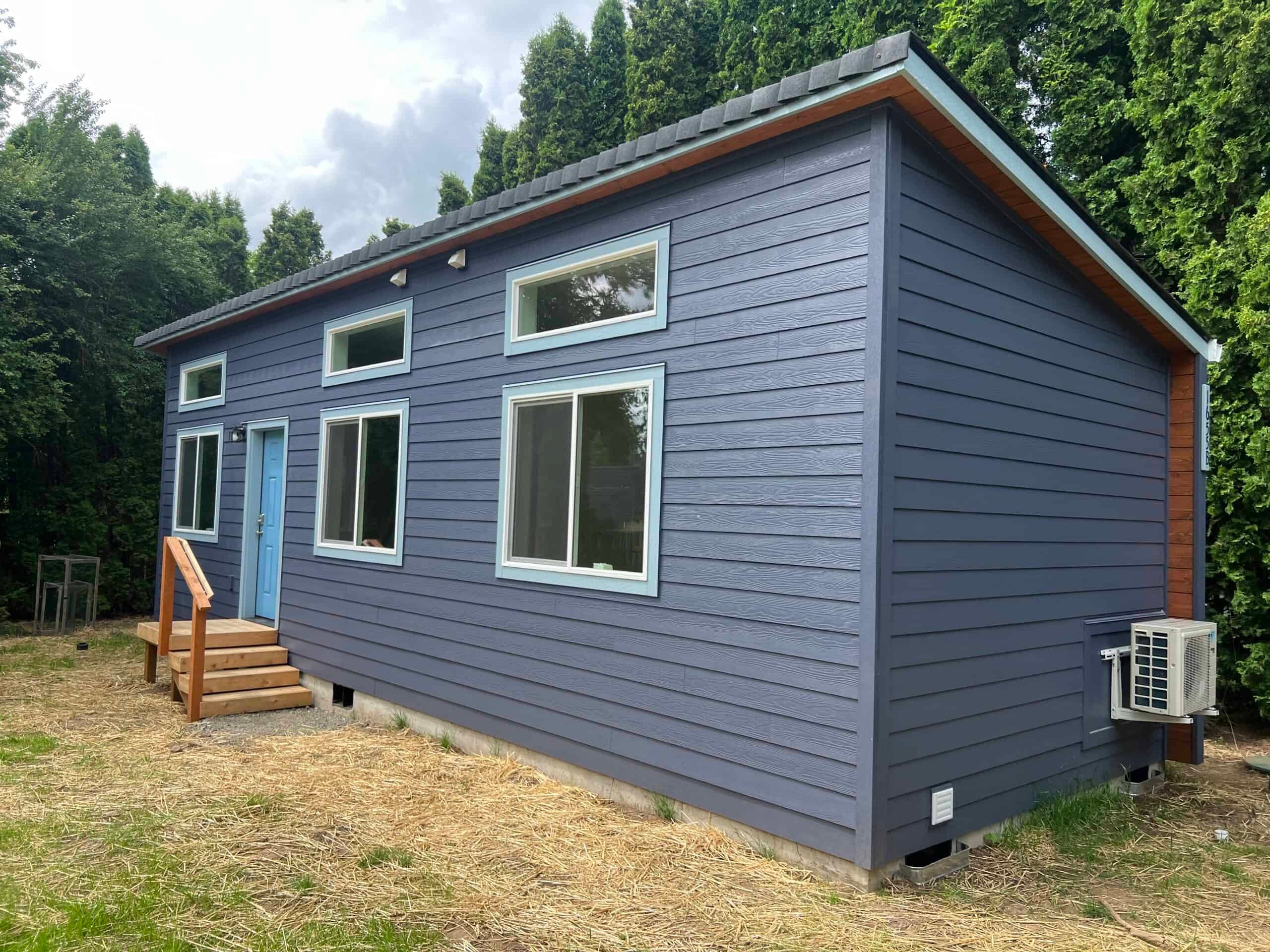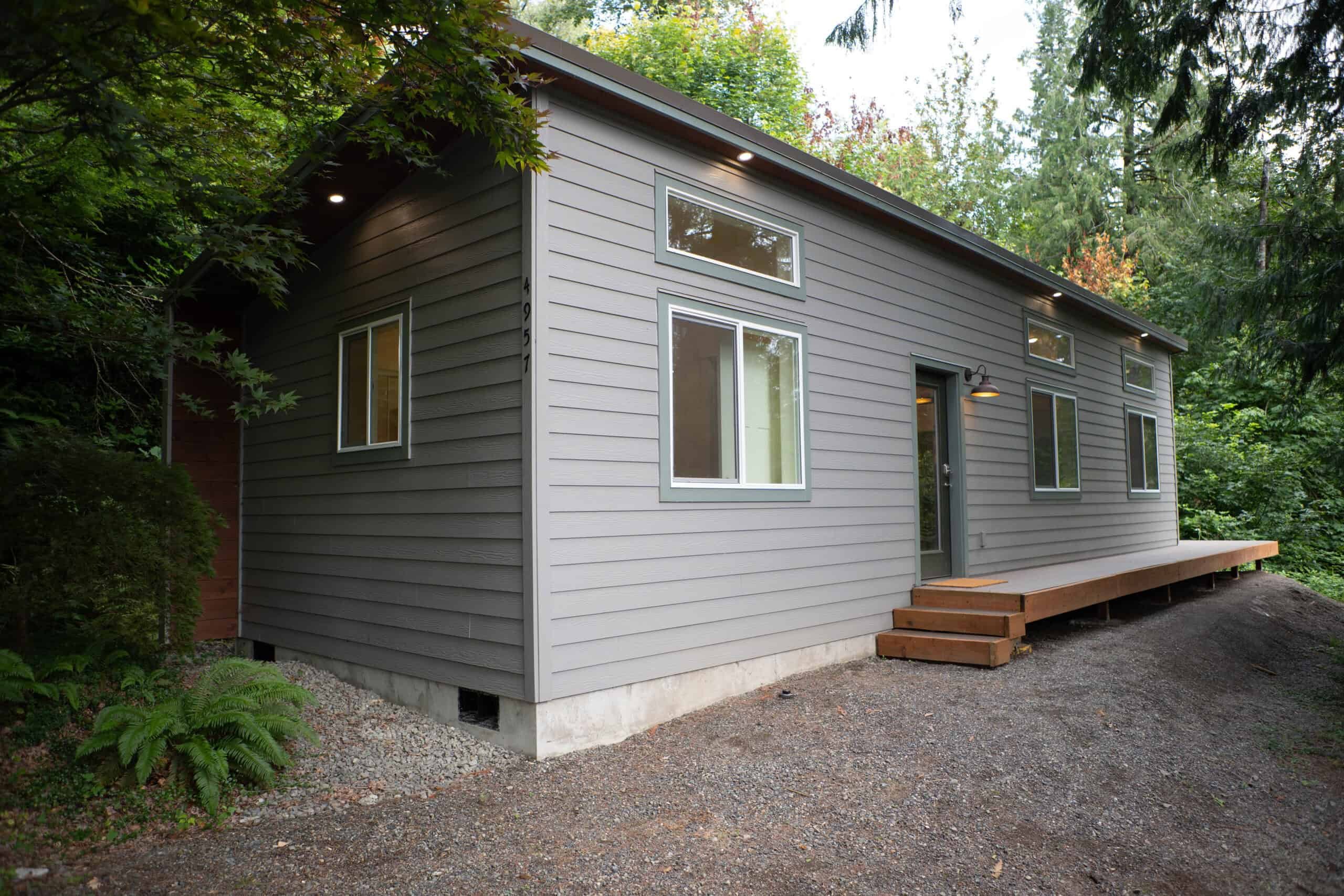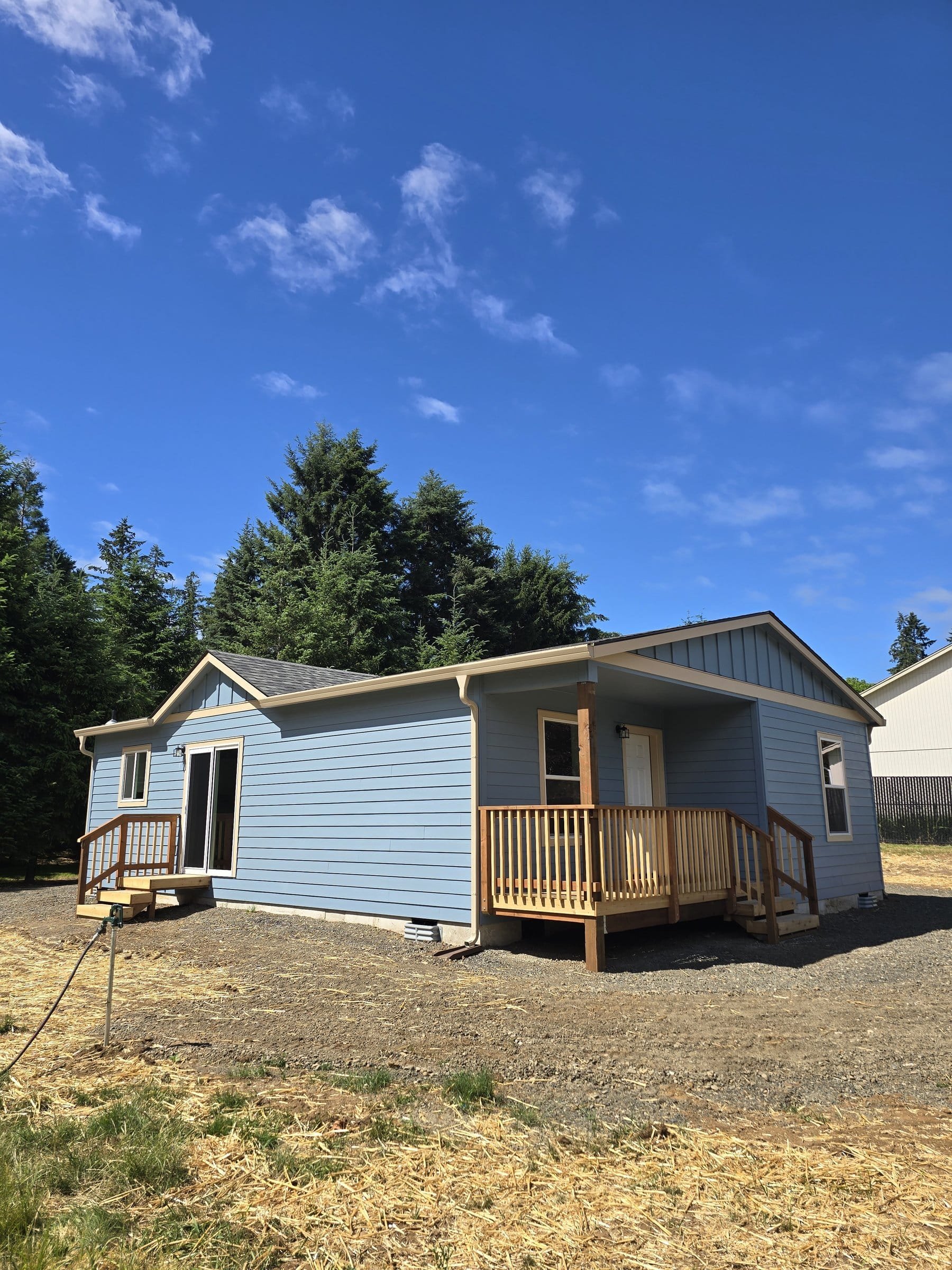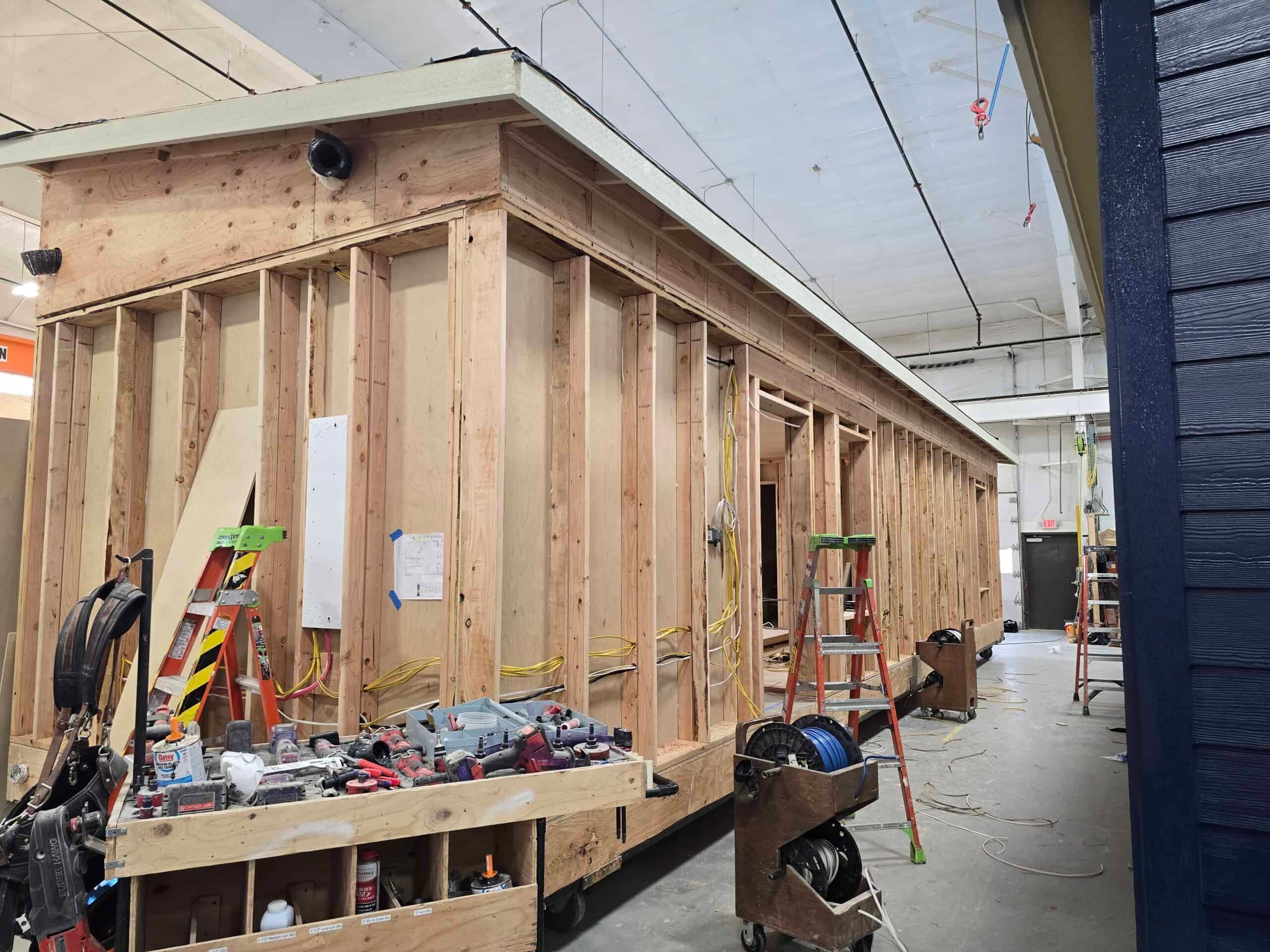


Ridgefield grew up along I-5 and kept its wildlife refuge and working waterfront on the Columbia. You can see that mix in the lots: new plats with HOA (homeowners association) packets, older acreage on wells, and in-town parcels that look simple until you measure the truck path off Pioneer. The factory in Battle Ground is a short drive on I-5 and SR-501, so Ridgefield is a home market for us.
The first question is jurisdiction. City of Ridgefield and unincorporated Clark County are different reviewers, and a Ridgefield mailing address can be in either. We confirm which one before settling on a floor plan.
City hall or the county
Look up the parcel on Clark County GIS. City limits, zone, and taxlot are all there. GIS won’t tell you whether a grove of oaks blocks the crane, but it will keep you from filing with the wrong office.
If the lot is inside city limits, Ridgefield Community Development and the city building department handle it. If it isn’t, you’re dealing with Clark County land use and building, even when the post office says Ridgefield. Research zoning through the City of Ridgefield or Clark County planning, depending on where the lot is, and file there.
Washington law allows two ADUs on qualifying properties in urban growth areas. The available space, utility capacity, and any protected areas still affect what you can build. The Washington ADU laws guide covers the statute and the Clark County and Vancouver rules. Ridgefield still sets its own local requirements.
Rural acreage outside the UGA follows county rural ADU rules, and WAVE and septic usually come before any design work. Setbacks depend on the zone, so we confirm yours and then walk the lot.
How a Ridgefield file moves
The city is growing fast, so staff are busy and complete drawings matter. Here’s the order we work in:
- Confirm the use is allowed in this zone, using the city ADU handout and GIS rather than an old blog post.
- A plot plan with existing and proposed structures, utilities, and a delivery path that actually works on your street.
- Engineered factory plan set. These are modular dwellings under the Washington State Building Code, not HUD (the federal standard for manufactured homes) manufactured homes. L&I inspects the structure in Battle Ground, and Ridgefield still reviews the foundation, placement, and utilities.
- File with whichever jurisdiction governs, the city or the county. Utility connection plans and site prep (grading, foundation) go in that package.
- Inspections at the stages the jurisdiction requires, then occupancy. Keep the approved drawings on site.
On unincorporated lots, the county permit list can include attached or detached ADU, hardship, guest house, WAVE, mechanical, deck, septic, electrical, plumbing, critical areas, road approach, wetland and habitat, stormwater, and a legal lot determination. City lots use a shorter list. Working from the wrong list can cost you a month.
Two kinds of Ridgefield lots
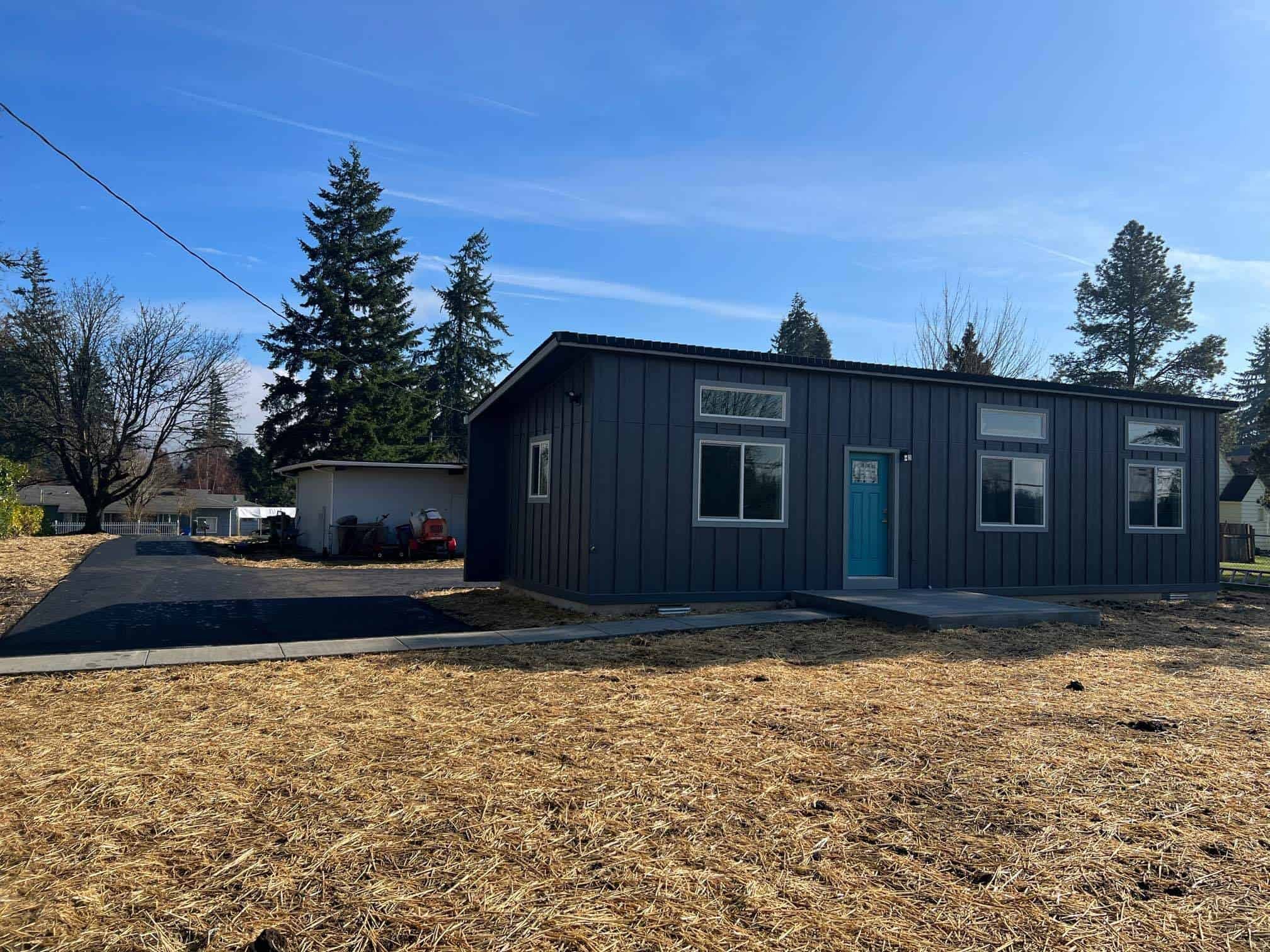
In-town and new plats. Pioneer, the areas around the I-5 interchanges, and the subdivisions built over the last two decades. Lots are wider than in inner Vancouver, but they come with HOA design review, street trees, and parking that wasn’t planned with a crane in mind. Compact one-bedroom plans often work best here, since it’s still a backyard.
Acreage. Twenty-acre, park-like parcels still exist north and west of the freeway. We set a tiny home in Ridgefield on a wooded property for an owner who chose every finish individually instead of picking a package. That job came down to placement, custom selections, and getting the truck through the trees. Note that our compact Model B is currently available only within City of Portland limits, so it isn’t an option in Ridgefield.
Ridgefield can feel rural from the interstate, but that doesn’t mean your lot has acreage-style room. Measure it.
Growth, HOAs, and the refuge
Ridgefield is one of the fastest-growing cities in Clark County. New plats bring HOA design guidelines the city’s ADU handout doesn’t mention, streets that the city hasn’t formally accepted yet, and neighbors who have never watched a module set. If your lot is in a newer subdivision with a design binder, send us the binder.
Older acreage brings wells, septic, and sometimes overlay language from being near the wildlife refuge. The refuge and the waterfront are a big part of why people move here, and they’re also why some lots get shoreline or habitat comments that a Pioneer Street backyard never sees. If your parcel is toward the Columbia, tell us.
Delivery from Battle Ground
I-5 is the main route and SR-501 covers the last miles into town. Moving a single module from Eaton Boulevard is an ordinary morning when the overhead lines are clear and the street isn’t a school pickup line. Two-piece plans add a day to join the halves and need a wider crane swing. Waterfront and refuge-adjacent parcels can carry critical-area overlays that don’t show up on a marketing map, so mention them on the evaluation.
The west side slopes toward the Columbia, and unpaved approaches get muddy in the wet season. We schedule set day around the forecast.
Models that fit Ridgefield lots
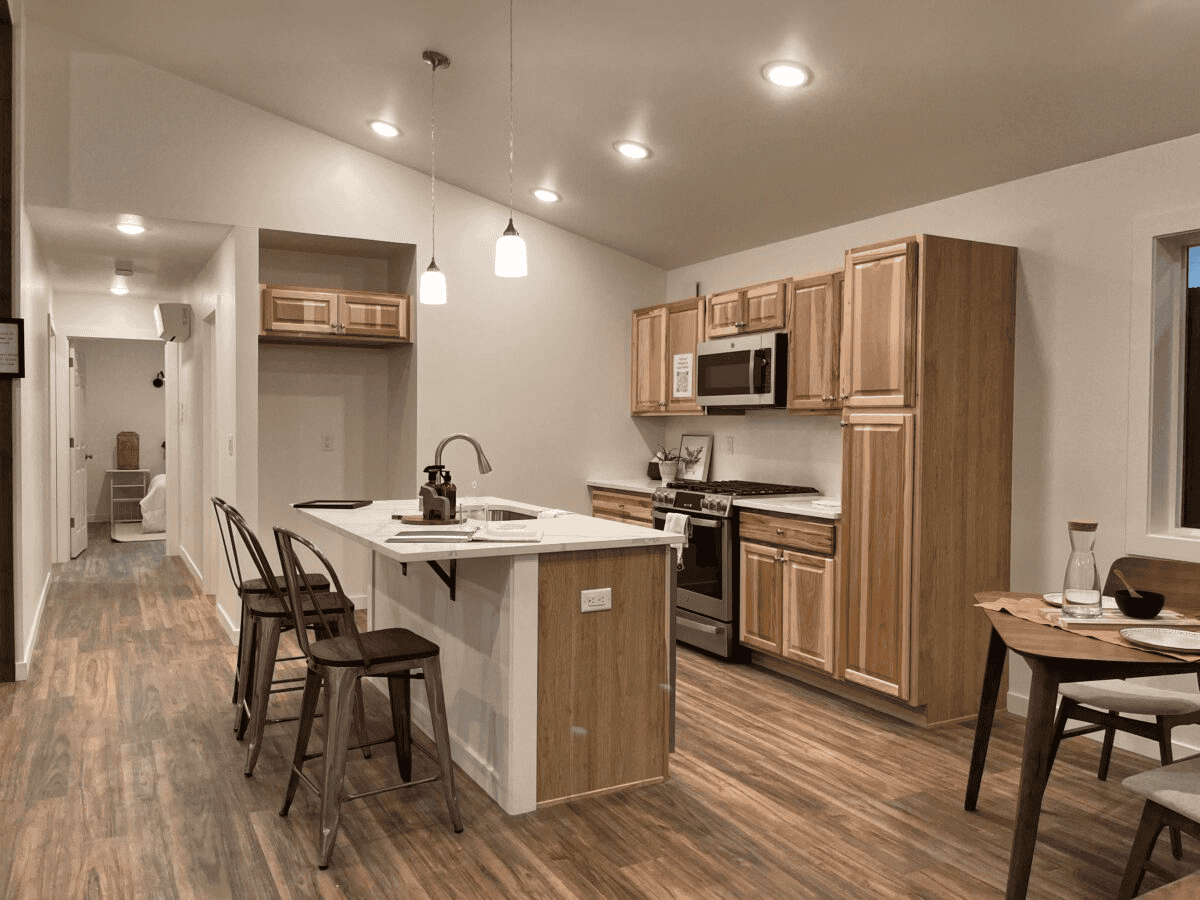
- Model K (~432 sq ft, one bedroom). Our usual guest or rental ADU on a typical city lot.
- Model E (~616 sq ft, two bedrooms) for family use or a more rentable layout.
- Model L (~984 sq ft) when coverage and zone allow a larger cottage.
- Model I when the lot is really a small primary home site.
We match the model to the zone, utilities, and truck path. Start with the address.
Who Ridgefield ADUs are for
Ridgefield owners build for parents, for adult children moving back, for a quiet office that can host a guest, and for long-term rentals, since owner-occupancy requirements no longer apply inside the UGA. If it has a kitchen and bath, a tiny home and an ADU are the same kind of dwelling. Short-term rentals have separate local rules, and the refuge and Portland weekend traffic don’t make them automatic. Long-term rental inside the UGA is more predictable under state law.
The acreage case study was a personal retreat, not a rental. Tell us the use on day one, because it affects parking, occupancy, and sometimes which permit type the city wants.
Utilities: city water or well and septic
Most in-city lots are on municipal water and sewer. You still need to check lateral length, cleanouts, and whether a house on 100-amp service can carry a second dwelling. On unincorporated land you’re often on well and septic, and Clark County Public Health’s WAVE process is the rural gate. Twenty acres with a worn-out drainfield isn’t an ADU site until Public Health approves it.
Overhead lines, leftover irrigation, and a barn someone thinks “could just share a panel” are the usual surprises, and we look for them in the first week.
Weather and the set
Southwest Washington is wet from fall through spring, and the house is built indoors in Battle Ground. On the lot, saturated soils affect excavation and foundation choice. Summer is the easiest set window. Winter sets happen too, with more erosion control.
A normal Ridgefield job includes foundation excavation, utility trenching, grading, and minor tree work. We bring a standard delivery trailer, and a crane when the swing needs it. We weather-seal the same day when we can, then finish the mechanical and plumbing tie-ins. On acreage, a long driveway or a gravel approach can mean extra base rock so the truck doesn’t sink.
Columbia-adjacent lots and low drainages need a flood-map check. We don’t estimate base flood elevation; the flood map and a surveyor set it.
Nearby cities
Battle Ground is where the factory is. Vancouver has its own city hall. La Center is a smaller city to the north. Woodland is already in Cowlitz County, so don’t file a Cowlitz County permit for a Ridgefield lot. If Ridgefield Community Development, or Clark County for an unincorporated Ridgefield address, is your reviewer, this is your process.
What affects the project cost
The model gives us a reliable starting home price. We price trenching, electrical upgrades, septic work, and the foundation after reviewing the property. Factory construction protects the home from the weather, but city review and site prep still drive the schedule. Financing is often a HELOC, cash-out refinance, or a construction loan from a lender familiar with factory-built ADUs. See financing.
What we look at on a Ridgefield evaluation
Bring the address, a guess at the pad location, and any survey, prior land-use letter, or HOA packet. A pin on a map and a side yard you hope will work is enough to start. We look at:
- City or county on GIS.
- The zone, UGA or rural, and any HOA.
- Water, sewer or septic, and electrical.
- The truck path from I-5 or Pioneer to the curb, then to the pad.
- Trees, slope, critical areas, and refuge or shoreline overlays if they apply.
- Use: family, rental, or a cottage you might live in.
You get a recommendation and a plan. If the lot can’t take a truck off Pioneer, can’t clear an oak, or can’t connect to a worn-out drainfield, we’ll tell you early.
Common Ridgefield questions
Is my lot in the city? Check GIS. A Ridgefield ZIP code doesn’t mean a Ridgefield permit.
Can I put a tiny home on twenty acres? Possibly, as a dwelling on a foundation with a real utility plan, or as a rural ADU with WAVE and septic. A HUD mobile home parked in a pasture is a different product, and we build modular.
Will the HOA allow it? Some newer plats add design review that the city handout doesn’t mention. Send the packet.
After the set
Inspections, walk-through, punch list, keys, and warranty. Ridgefield is close enough to Eaton Boulevard that follow-up is a short drive. The city still signs off on occupancy, so keep the approved drawings on site.
If you come out to the factory before you choose, bring photos of the side yard and the street. Standing in a compact one-bedroom and then a two-bedroom E, with your own lot in mind, answers more questions than catalog photos.
Send the address. Tell us city or county, and we’ll match a model to your lot.