
Rental income ADUs
An ADU (accessory dwelling unit) Built for Long-Term Rental Income
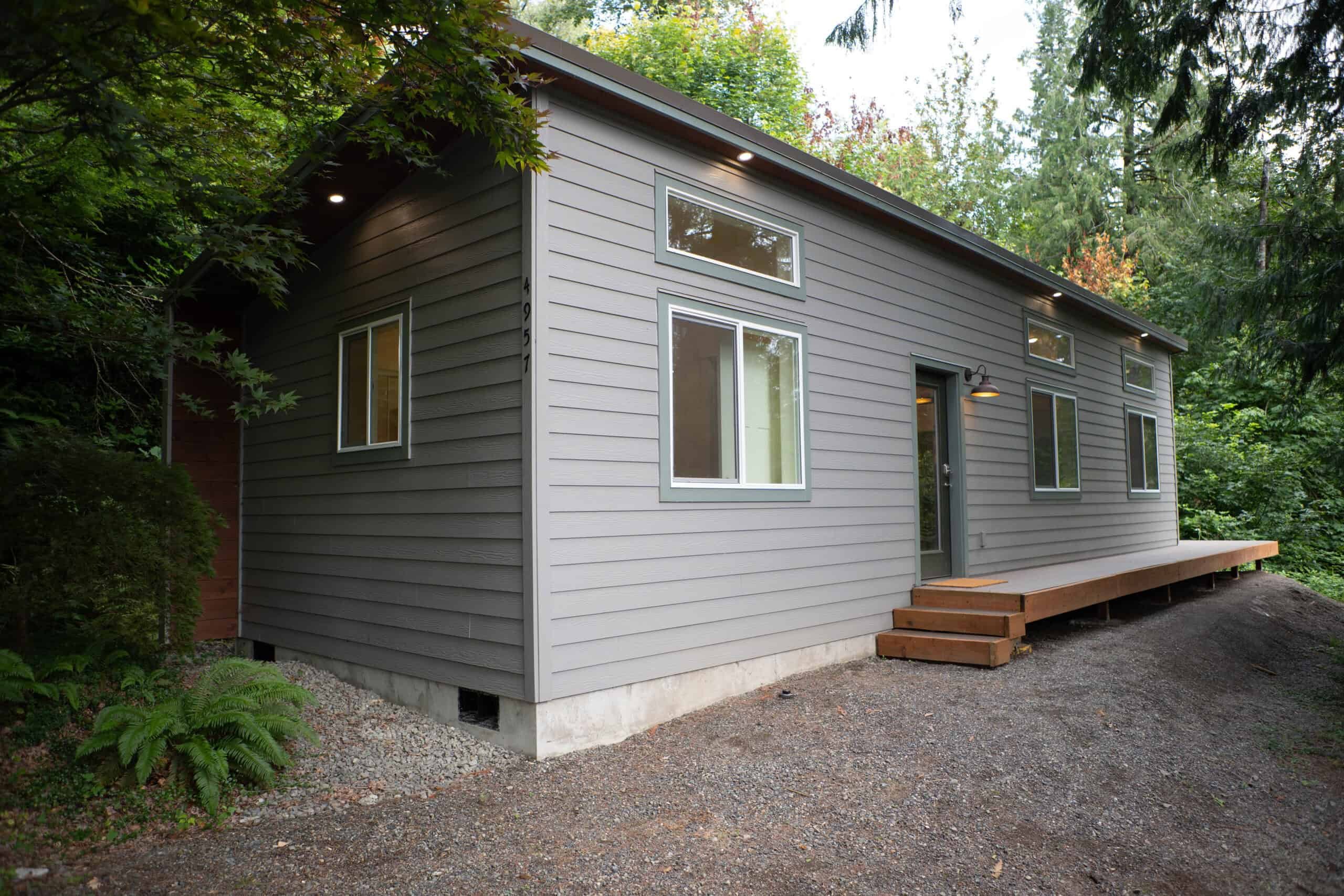
A backyard home can produce long-term rental income when local rules, site access, utilities, and project costs support the plan. Wolf builds the dwelling and handles permitting, but rental income and operating costs remain the owner’s responsibility.
Where Wolf works
In Washington and Oregon, Wolf employees handle your project from property review and permits through construction, site work, delivery, and installation. Some projects require third-party services, such as surveys or septic design and installation, depending on the property and jurisdiction. Beyond Washington and Oregon, local contractors complete site work and utility connections.
Who it’s for
Who a rental ADU can work for
Homeowners adding a long-term unit
Long-term and short-term rentals can have different parking, insurance, licensing, and occupancy requirements.
Investors comparing compact plans
The best rental is often the smallest home that works, since cost, vacancy, and maintenance all go up with size.
Owners who just learned owner-occupancy changed
Washington’s HB 1337 removed the statewide owner-occupancy mandate for ADUs inside urban growth areas. Cities and counties can still layer other rules. Oregon banned owner-occupancy requirements for long-term ADUs in covered cities. Confirm your parcel.
What Wolf builds
Plan the project around real numbers
We build rental-ready dwellings with full kitchens, bathrooms, separate entrances, and a warranty. Bring any local rent estimates you have, and we can compare them with the likely project cost and property constraints.
A dwelling a lender and an insurer can recognize
A modular, residential-code home on a permanent foundation is the usual path for financing and a homeowner policy rider. Confirm the details with your lender and insurer.
Right-sized models
Model B (City of Portland only) or K for a simple one-bedroom rental. Model E or F when a second bedroom supports the rent. Model J when local rents justify a second bath.
Check the rules first
HOAs, parking, and short-term-rental ordinances can change the rental math. We flag them during the evaluation.
Process
Planning a rental ADU
- 1
Jurisdiction and occupancy
We confirm long-term rental rules, owner-occupancy requirements, parking standards, and the number of units allowed.
- 2
All-in cost
Home, permitting, site work, delivery, and fees. Compare the full project cost with realistic rent, vacancy, and maintenance estimates from local rental listings.
- 3
Financing and tax
HELOC, renovation, or construction loans are common. Tax treatment is between you and your CPA. See our financing guide.
- 4
Build and lease-up
Factory production, set, certificate of occupancy, then you find a tenant. We do not manage the rental.
Models
Models that show up in rental projects
Choose a bigger plan only when the extra bedroom or bath is likely to bring in enough rent on that street to cover it.
Notice the rooms and details you would use. These are layouts to explore; we need to review your property before recommending one.
Questions
Frequently asked questions
Will an ADU pay for itself?
Do I have to live on the property?
Is this the same as a vacation rental ADU?
Do you finance the rental?
Keep reading
Related Wolf pages
Review a rental ADU for your property
Send the address, intended lease type, and any rent you are assuming. We will check whether a permitted Wolf ADU can sit there and what the project path looks like.
4.9 · 117 Google reviewsVerified on Google Maps September 14, 2026