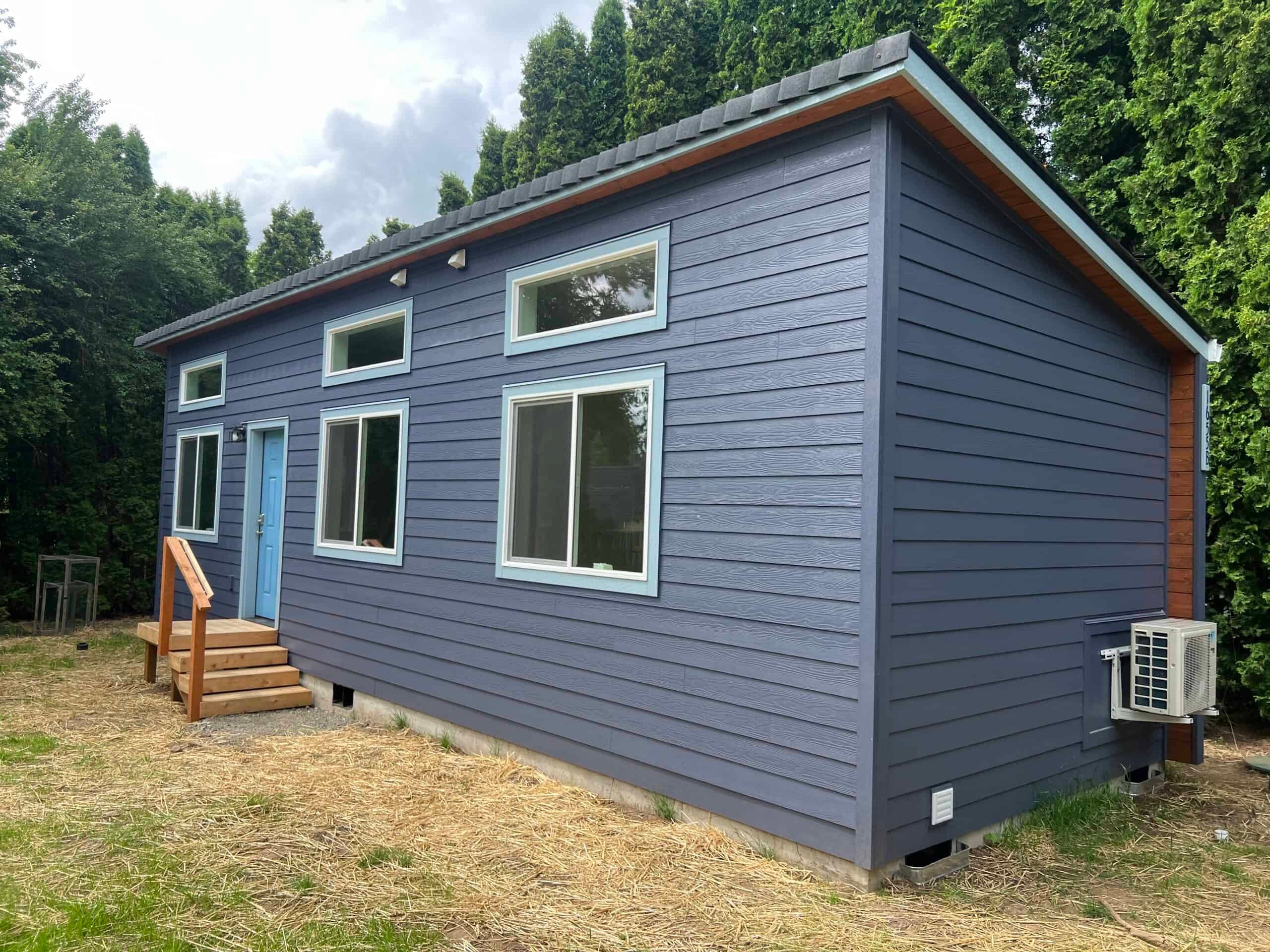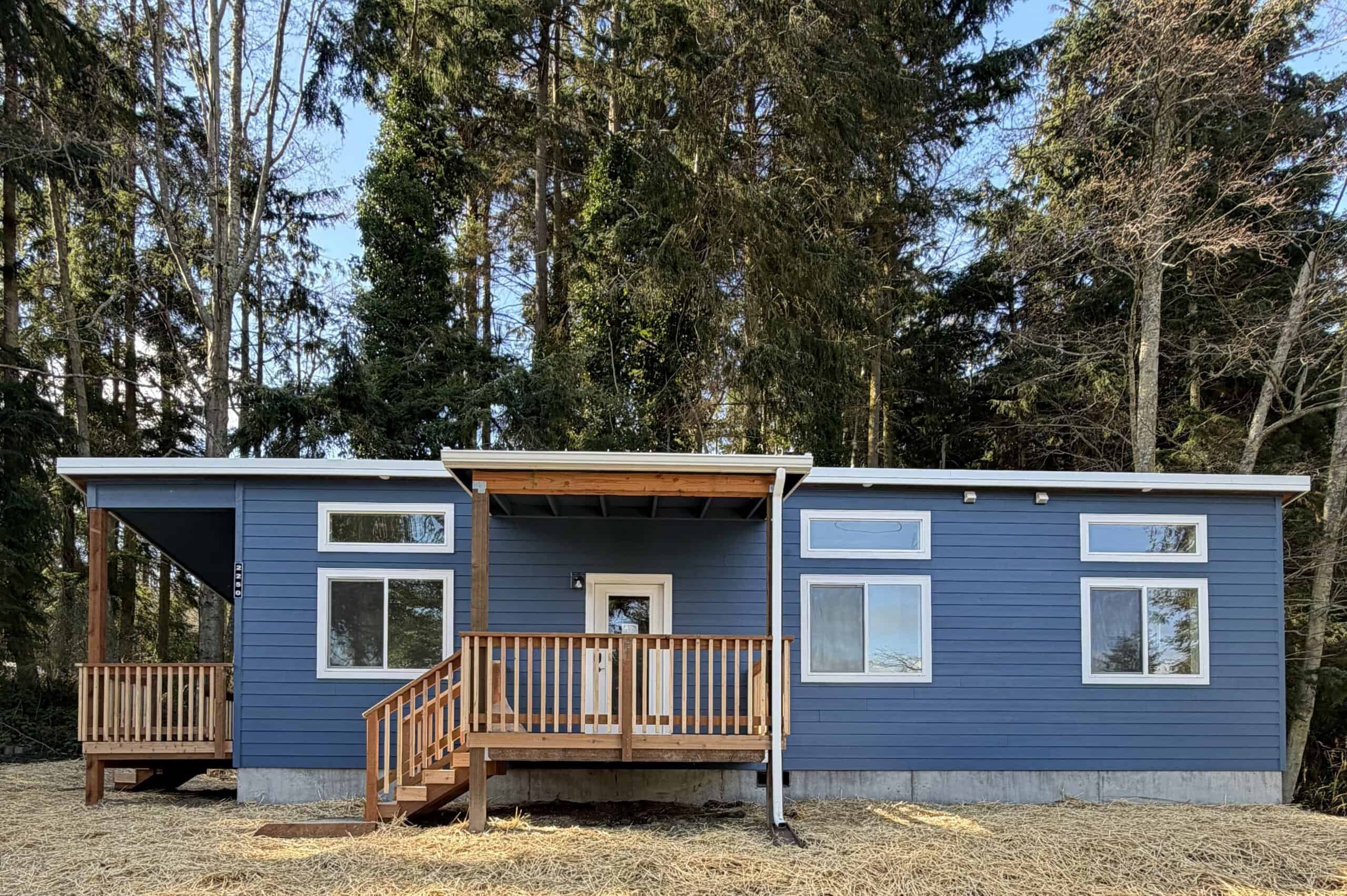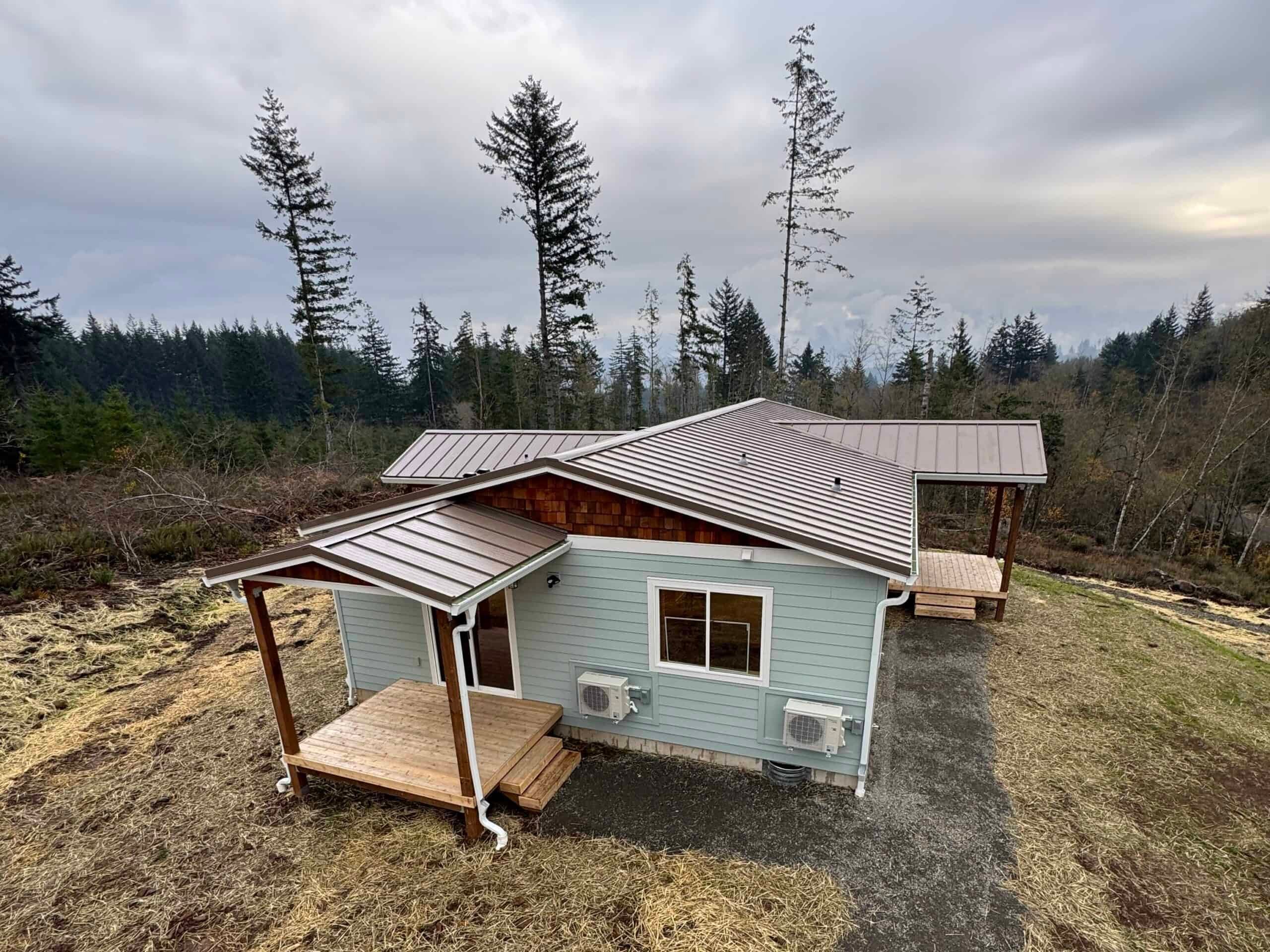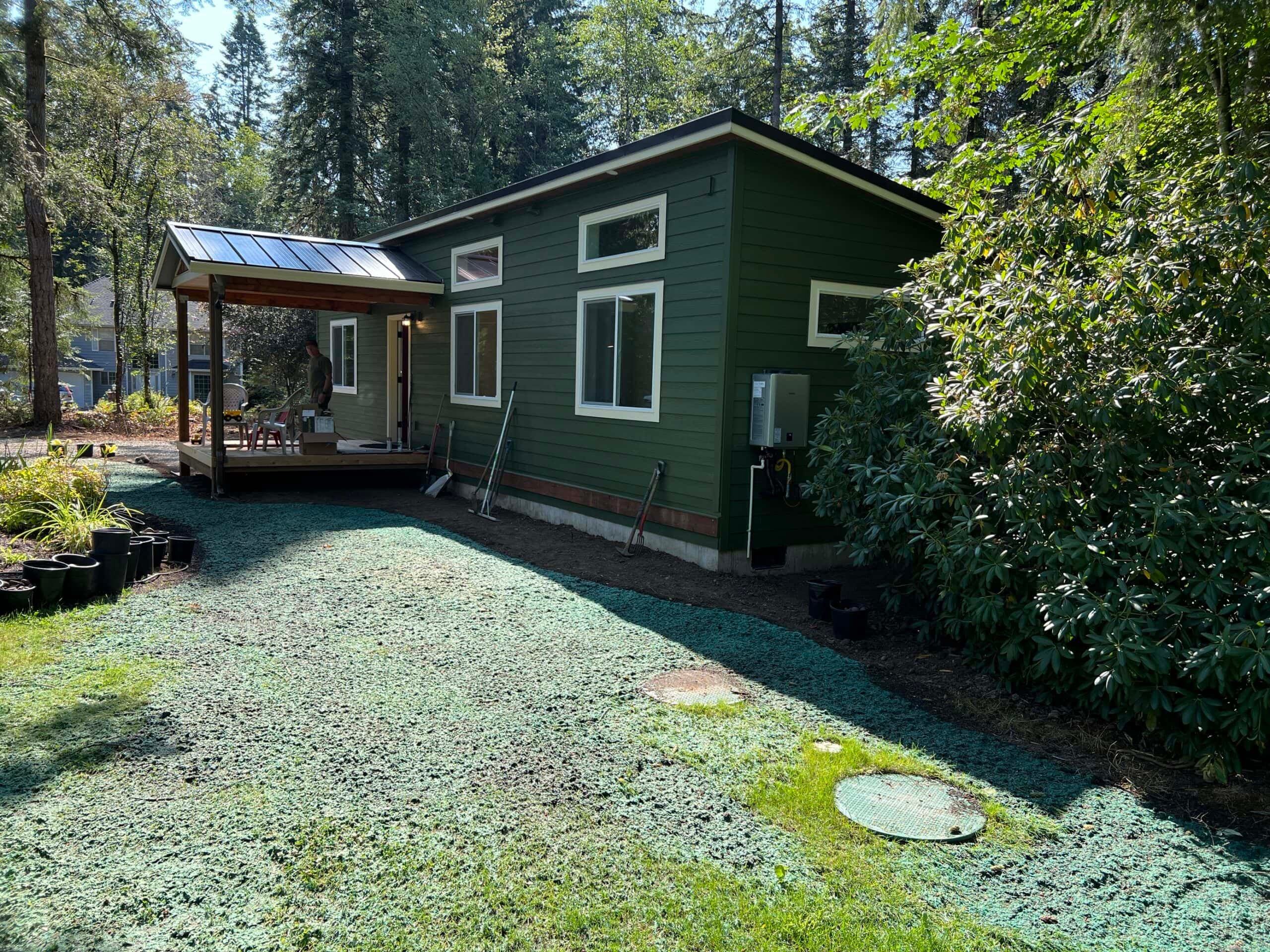
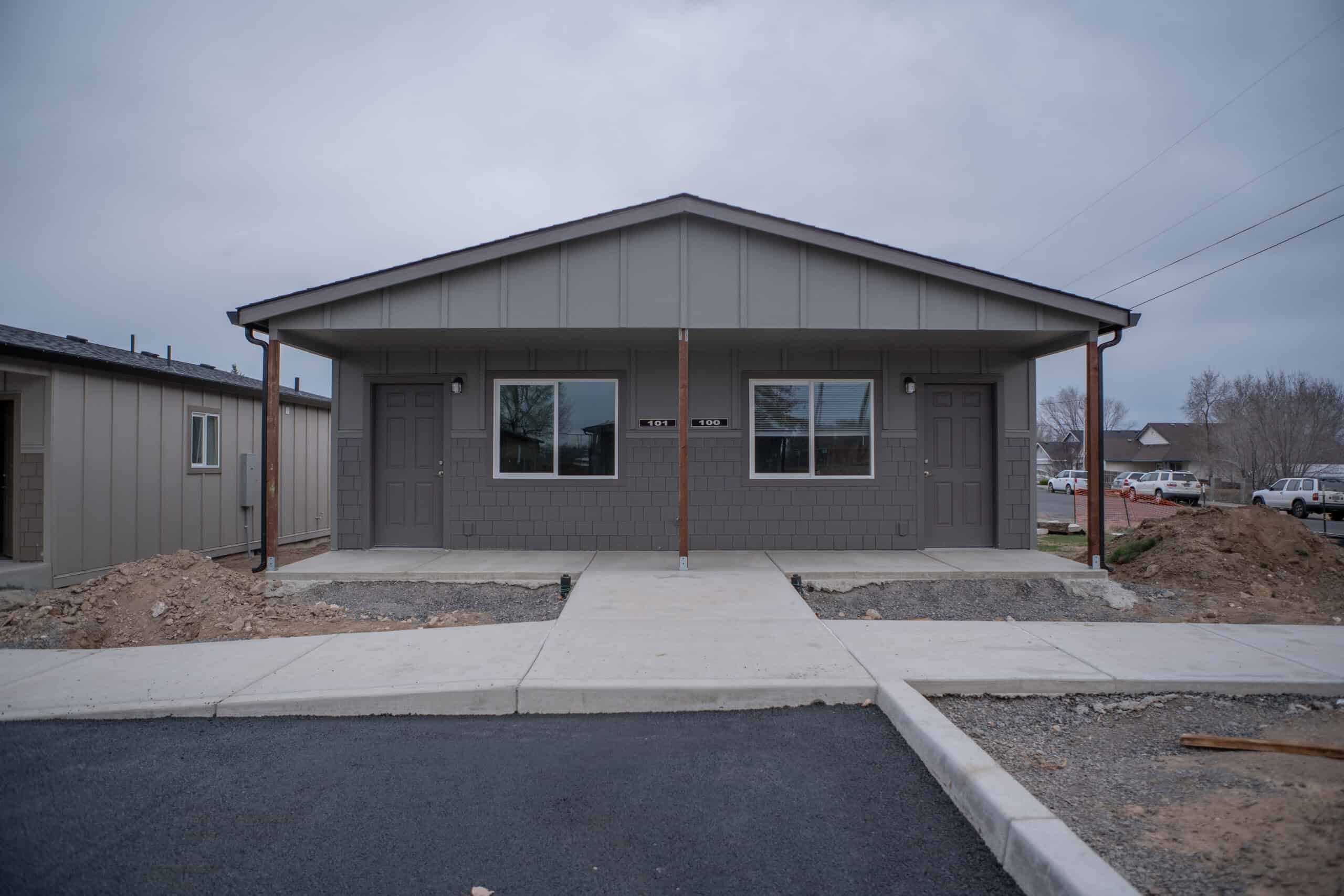
Boardman sits on the Columbia River in Morrow County, where irrigated farmland, Port of Morrow traffic, strong wind, and summer heat all shape a building site. It’s a long-distance project from our factory. We take on modular ADUs and small homes here by arrangement, after checking the route, staging space, utilities, and local requirements. The distance means more planning up front, but it doesn’t rule out a good residential lot, and Boardman can work well as a long-haul modular set when the lot, access, and delivery route line up.
We don’t have a Morrow County-specific ADU guide. Use the Oregon ADU rules guide for the statewide rules inside urban growth boundaries, and confirm size caps, rural acreage rules, and setbacks with Boardman or Morrow County, since they set local siting and fees. Wasco County’s 900-square-foot / two-acre rural ADU numbers don’t apply to a Boardman city lot, and they shouldn’t be assumed for Morrow County without checking Morrow’s ordinance. Portland’s 800-square-foot cap doesn’t apply either.
City of Boardman or Morrow County
You work with the City of Boardman and Morrow County on zoning, building codes, utility connections, site preparation, and inspections, and the first question is which one has your lot. In-town lots near the river and the highway are usually city. Irrigated ground, industrial-adjacent parcels, and land on county roads are often Morrow County, even when the owners shop in Boardman.
Oregon’s ADU mandate applies inside UGBs in qualifying cities. Boardman’s population and code details still need a local check, including whether your zone is residential at all. Port-industrial and commercial land generally won’t allow an ADU, and rural resource land may not allow a second dwelling the way a city R zone does.
Permits can include WAVE, septic, propane, legal lot, road approach, wetlands, and fire sprinkler. On the Columbia plateau, pay close attention to water, legal lot, road approach, and wind/exposure. Irrigation water doesn’t automatically count as domestic water for a second dwelling.
Neighborhoods, port land, and irrigated ground
ADU projects usually start on Boardman’s in-town residential streets, where there’s a house, a yard, city utilities, and a zone that lists dwellings. Closer to the Port, the data-center and industrial campuses, or the interstate interchanges, the land-use rules change. Irrigated circles and farm parcels look like plenty of room for a cottage from I-84, but acreage doesn’t make a dwelling legal. Canal water isn’t domestic water, and a farm dwelling exemption isn’t the same as the ADU statute.
Hermiston is in Umatilla County, The Dalles is in Wasco County, and Madras is in Jefferson County. Their requirements don’t carry over to a project in the City of Boardman or Morrow County. The Dalles has a Wasco rural ADU guide, and it doesn’t apply here.
Columbia River wind affects both the structure and the crane’s load chart. Summer heat on the plateau makes cooling a necessity. Sandy or irrigated soils change foundation design and utility burial depths, and flood maps along the river and some drainages need to be checked in the first week.
Delivery and access
The trip from our factory in Battle Ground, just north of Portland, usually follows I-84 through the Columbia River Gorge. Wind in the Gorge and on the plateau can delay a wide load, and extreme heat can change the set-day schedule, so wind windows go on the calendar. We also need room on or next to the property to stage the truck and crane. A narrow farm lane, a soft shoulder, an irrigation pivot, or an overhead line is much easier to solve when we see it early.
The last two miles might be a city street, a county road, or an irrigated shoulder next to a pivot. The three access photos we ask for are overhead lines in the wind, the pivot’s swing, and any soft shoulder. If you can’t get those photos, we start from the taxlot.
Our first job is confirming that the home can reach the site and be set safely. That’s what “by arrangement” means here: a real property review before anyone spends money on plans or reserves a factory slot. We price the longer haul after we confirm the site, access, and route.
Modular, not HUD (the federal standard for manufactured homes) or an RV
Eastern Oregon has plenty of manufactured homes and destination trailers. Wolf builds Oregon modular homes: residential code, a state insignia, a permanent foundation, and a local installation permit. A Boardman ADU or cottage we set is a dwelling, not a park model or a HUD-labeled home. Tiny home, ADU, and small primary home all come from the same factory as long as they’re dwellings.
HUD manufactured homes are still common in Morrow County. If the city’s only practical path for your parcel is a manufactured-home installation, we’ll tell you, and you’d work with a manufactured-home dealer instead.
Models worth considering
- Model K (~432 sq ft) for efficient one-bedroom housing for family, a guest, or a workforce rental where the zone allows it.
- Model F (~616 sq ft) when two bedrooms are required.
- Model I (~1,232 sq ft) for a larger household, or a small primary on a lot that can take the width and the legal size.
A home that’s comfortable year-round
A smaller home should still feel settled and easy to live in. In Boardman, that means planning for afternoon sun, winter wind, and the way people come and go every day. We can talk through window placement, a covered entry, exterior finishes, storage, and where an outdoor sitting area makes sense on the lot. Standard Wolf packages include a ductless mini-split for efficient heating and cooling, and siting the home for west sun and wind exposure keeps the rooms more comfortable before the equipment turns on.
If the home is for a parent or another family member, tell us how they live now and what would make daily life easier. If it’s for a local worker or a long-term tenant, we can focus on a practical layout, durable finishes, and a home that feels private without feeling cut off from the main property.
How people use small homes here
Boardman owners ask about homes for family, housing for someone who works at the port or a local plant, guest cottages, and smaller primary homes on land they already own. Port employees, plant technicians, farm families, and relatives can all be a good fit on a legal residential parcel. Long-term housing is usually the clearest fit at this distance.
A river view or easy I-84 access doesn’t make short-term lodging legal. A property marketed as a “Columbia River tiny home getaway” still needs zoning, water, access, and short-term rental approval. If rental income is part of the plan, we check the intended use with the local jurisdiction before recommending a home. Noise, truck routes, and industrial easements can also affect how livable a site is, even where a dwelling is allowed.
How a Boardman permit runs
- Research zoning with the city or Morrow County.
- Confirm the structure type (ADU, guest house, hardship dwelling, or primary).
- Plan domestic water, sewer or septic, and power.
- File complete site and installation drawings for a state-inspected modular dwelling.
- Inspect the foundation, set, and utilities, then get occupancy.
Most Boardman lots won’t need a forest-practice review, but many will need solid documentation for water and access. We don’t publish Morrow County review times, and incomplete legal-lot or road-approach files stall everywhere.
Factory build and set day
The home is built indoors at our factory while the city or county reviews the file and the site work gets done in Boardman. That keeps the framing out of the weather and lets the foundation, trenching, and utility work happen on the lot at the same time. Once the pad passes inspection, we schedule the haul around the Gorge wind forecast and the summer heat, not just the calendar.
On set day, the truck needs the staging area we confirmed during the evaluation, and the crane needs a clear swing past any overhead lines and the irrigation pivot. We weather-seal the home the same day, then finish the mechanical, plumbing, and electrical tie-ins. Two-piece plans add a day to join the halves. After that come the inspections, occupancy, keys, and a punch-list walk-through with the crew that set the house.
Water, septic, and power
Domestic water is often the deciding question on a Boardman parcel. In town, the second dwelling usually connects to city water and sewer, and we check lateral lengths and panel capacity. Outside city limits, a well, a septic system, and a road approach may all need their own approvals as part of the Morrow County file. We want to know which of those you already have before we recommend a model, because a lot that works on paper can stall on water.
What affects the project cost
The model gives us a reliable starting home price, but we need to see the property before pricing the rest. Long-distance delivery, foundations in sandy or irrigated soil, water service, and wind-related installation details can all change the total. We also confirm SDCs and connection fees with the city or county. See financing if you plan to use a lender.
What an evaluation covers
Send the address, the taxlot if you have it, photos of the access and the proposed pad, utility status, and who will live there. We check:
- City of Boardman versus Morrow County, and whether the zone allows this type of dwelling.
- Domestic water (not just irrigation), sewer versus septic, and electrical capacity.
- The I-84 / Gorge delivery window, wind, last-mile access, and staging.
- Legal lot status and road approach.
- The intended use: family, workforce rental, or something the zone doesn’t allow.
- Whether a K, F, or I can be both permitted and physically set after the haul.
Punch-list and warranty work are planned trips to eastern Oregon by the same crews who built and set the home. That’s why we only take projects at this range that we’re confident we can support.
If you already own the parcel, send the taxlot. If you’re buying irrigated ground and hoping a cottage will just drop in, make the evaluation part of due diligence before closing, because Morrow County surprises after closing are expensive. We’ll say no when the zone, the water, or the wind and access can’t support a set.
Send the address. If the lot can take a Wolf model, we’ll tell you and price the haul. If it can’t, you’ll know before you commit to a factory slot.